Osaka Aquarium Kaiyukan
ExploreJapanDaily Editorial Team · Last updated: June 26, 2026

- Area
- Minato, Osaka (Osaka Bay)
- Best For
- Families, Marine Life, Whale Sharks, Children
Visiting Osaka Aquarium Kaiyukan
Osaka Aquarium Kaiyukan is one of Japan's most respected aquariums and one of the defining attractions of the Osaka Bay area. Known for its enormous central tank, immersive exhibits, and carefully designed visitor experience, Kaiyukan approaches marine life with a sense of scale and calm that feels very different from many conventional aquariums. Rather than focusing only on entertainment, the aquarium guides visitors through interconnected ecosystems of the Pacific Rim, creating an experience that feels atmospheric, educational, and surprisingly reflective. For many travelers visiting Osaka, Kaiyukan becomes a slower and quieter counterbalance to the city's crowded shopping districts and neon-lit entertainment areas.
Located in the Tempozan waterfront district, the aquarium sits beside Osaka Bay where modern urban development meets open water. The surrounding area has a noticeably different rhythm from central Osaka. Wide pedestrian walkways, harbor views, ferries, shopping complexes, and the nearby giant Tempozan Ferris Wheel create a more spacious atmosphere than districts such as Namba or Umeda. Arriving at Kaiyukan often feels like leaving behind the dense commercial center of the city and stepping into a calmer part of Osaka shaped by the waterfront and the sea.
Opened in 1990, Osaka Aquarium Kaiyukan quickly gained international recognition for its architectural design and exhibit concept. The aquarium was built around the idea of recreating habitats connected to the Pacific Ocean, with exhibits representing regions such as Antarctica, the Great Barrier Reef, Monterey Bay, and the Japanese Forest. Instead of moving through isolated tanks, visitors gradually descend around a massive central aquarium that represents the Pacific Ocean itself. This spiral-like layout creates a sense of continuity as marine life appears from different perspectives on multiple floors. The experience feels carefully choreographed rather than fragmented, encouraging visitors to slow down and observe rather than rush between displays.

The central Pacific Ocean tank remains the emotional and visual core of Kaiyukan. Massive whale sharks glide slowly through deep blue water while rays, schools of fish, and other large marine species move around them in near silence. Watching the scale and rhythm of the tank often changes the atmosphere among visitors themselves. Conversations become quieter, people linger longer against the glass, and the movement of the animals creates a calming effect that contrasts sharply with Osaka's fast-paced urban energy outside. Even travelers who are not especially interested in marine biology often find themselves unexpectedly absorbed by the stillness and scale of the environment.
Beyond the whale sharks, Kaiyukan is known for how naturally it blends large exhibits with smaller details. Arctic seals drift through cold northern habitats while jellyfish displays glow softly in dimly lit rooms nearby. Penguins gather along rocky Antarctic-style coastlines, and Japanese spider crabs stretch across the ocean floor beneath carefully controlled lighting. Some sections feel dramatic and expansive, while others become intimate and almost meditative. The transitions between environments are subtle, supported by changing temperatures, lighting, sound design, and architecture that mirrors the ecosystems being represented.
One of the strengths of Osaka Aquarium Kaiyukan is how accessible it feels for different types of travelers. Families with children move through the exhibits alongside photographers, couples, solo travelers, and older visitors who spend long periods quietly observing the tanks. Unlike some attractions where the experience depends heavily on rides or structured activities, Kaiyukan encourages a more personal pace. Some visitors move quickly through the larger exhibits, while others stop repeatedly to watch the same animals for several minutes at a time. The design supports both approaches without making the space feel rushed or overly commercialized.

Season and weather also shape the experience more than many visitors expect. On rainy days, the aquarium becomes especially atmospheric, with dim interior lighting and the sound of water creating a calm retreat from Osaka's humid streets. Summer brings heavier visitor numbers and a lively waterfront atmosphere around Osaka Bay, while winter often provides a quieter and more relaxed visit with clearer harbor views outside the aquarium complex. Evening visits can feel particularly memorable, especially when the surrounding waterfront lights begin reflecting across the bay after sunset.
The nearby Tempozan Harbor Village area naturally extends the experience beyond the aquarium itself. Waterfront promenades, harbor cruises, shopping areas, and views across Osaka Bay create opportunities to slow down after leaving the exhibits. As daylight fades, the bayfront atmosphere becomes softer and more reflective compared with central Osaka's nightlife districts. Ferries crossing the water and illuminated city views in the distance reinforce the connection between the aquarium and the broader maritime identity of Osaka as a historic port city.
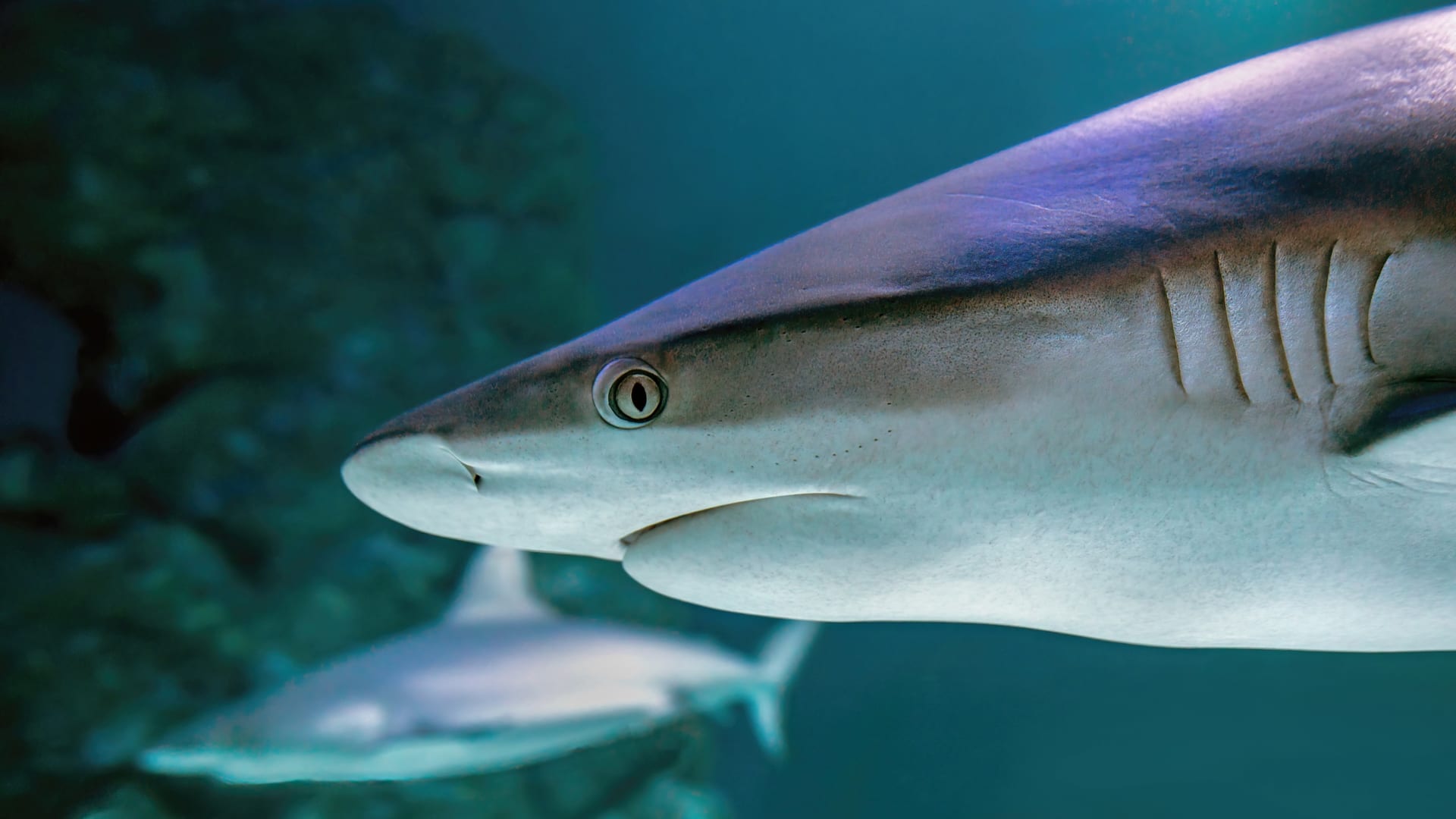
For many international travelers, Osaka Aquarium Kaiyukan stands out not simply because of its size or famous whale sharks, but because of the emotional tone of the experience. The aquarium avoids feeling overly theatrical despite its scale. Instead, it creates an environment where architecture, lighting, movement, and marine life work together to produce a sense of quiet immersion. In a city known for energy, food culture, and dense urban neighborhoods, Kaiyukan offers something slower and more contemplative. It reveals another side of Osaka, one connected to the Pacific Ocean, the rhythms of marine ecosystems, and the enduring relationship between Japanese cities and the surrounding sea.
Things to Do at Osaka Aquarium Kaiyukan
How to Get to Osaka Aquarium Kaiyukan
Osaka Aquarium Kaiyukan is located in the Tempozan Harbor Village area along Osaka Bay. The aquarium is easily accessible by subway, train, bus, and ferry from central Osaka and nearby attractions.
- •Nearest station: Osakako Station (Osaka Metro Chuo Line)
- •IC cards (Suica, Pasmo, or ICOCA) are accepted on trains, subways, and buses throughout Japan. Tap in and out at every gate.
- •Avoid traveling during rush hour on weekdays: 7am to 9am and 5pm to 8pm. Trains are significantly more crowded.
- •Google Maps provides accurate real-time transit directions in Osaka. Download offline maps before you arrive.
For IC cards, tickets, and full transit basics for Osaka, see the complete transportation guide.
Getting Around Osaka →Map
Best Time to Visit Osaka Aquarium Kaiyukan
Best time to visit Osaka Aquarium Kaiyukan: Weekday mornings for fewer crowds. Weekday mornings are generally quieter than weekends and public holidays.
- •Best time to visit: Weekday mornings for fewer crowds
- •Arriving on a weekday morning avoids the largest crowds. Weekends and public holidays are significantly busier.
- •Spring (late March to early May) and autumn (October to November) are the most popular seasons for visiting Osaka.
- •Golden Week (late April to early May) is the busiest week of the year in Japan. Book accommodation and tickets well in advance.
Entry Fee & Hours
| Category | Price (JPY) | Approx. (USD) |
|---|---|---|
| Adult (16-59) | ¥2,700-¥3,500 | ~$18-$23 |
| Child (7-15) | ¥1,400-¥1,800 | ~$9-$12 |
| Young Child (3-6) | ¥700-¥900 | ~$5-$6 |
Kaiyukan's dynamic pricing means exact prices vary by date; ranges below reflect the spread shown on the official ticket page. Confirm the exact price for your visit date before booking.
- •Kaiyukan uses dynamic, date-based pricing, so admission varies by visit date rather than a single fixed rate.
- •Advance e-tickets with a specified date and time can be booked online up to 30 days ahead through the official ticketing system.
- •Visitors with a disability certificate receive 50% off admission.
- •Children under 2 enter free.
Nearby Attractions
Combine with Osaka Aquarium Kaiyukan on the same day

Osaka Bay and Tempozan Harbor Village

Universal Studios Japan
- •Osaka Bay and Tempozan Harbor Village: A waterfront district with a giant ferris wheel, shopping, bay cruises, and scenic harbor views.
- •Universal Studios Japan: Osaka's major theme park: Super Nintendo World, The Wizarding World of Harry Potter and headline rides, with separate admission, Express Pass and area-entry systems to plan around.
Suggested Itinerary
Pair Osaka Aquarium Kaiyukan with these nearby stops for a full day in Minato, Osaka (Osaka Bay).
Frequently Asked Questions
Planning Your Osaka Trip?
See the full Osaka destination guide or browse Japan itineraries that include this city.
See all Nature & Scenic Spots across Japan →Explore all attractions in Osaka or browse nearby destinations.
Back to Osaka Guide →