Japan's Parks, Gardens & Natural Scenery
Bamboo groves, volcanic valleys, waterfalls, and lakeside views for travelers who want green space between the cities.
Japan packs an outsized amount of natural variety into a small footprint: manicured strolling gardens in the middle of major cities, volcanic valleys an hour from Tokyo, deer-filled parks, and waterfalls fed by mountain snowmelt. These spots are less about a single landmark and more about the walk itself, so build in unhurried time. Here's where to go.
Nature & Scenic Spots Across Japan
76 nature & scenic spots across 19 destinations
Tokyo
View Tokyo guide →
Ueno Park
Ueno Park is Tokyo's largest and most famous public park, home to world-class museums, a zoo, Shinobazu Pond, and some of Tokyo's best cherry blossom viewing. It is a cultural hub in the city.
Explore →
Imperial Palace East Gardens
The Imperial Palace is the residence of Japan's Imperial Family, set on extensive grounds in the heart of Tokyo. The surrounding East Gardens and moat are open to the public and make for a beautiful stroll.
Explore →
Shinjuku Gyoen National Garden
Shinjuku Gyoen National Garden is a 58.3-hectare national garden in Shinjuku combining French Formal, English Landscape, and Japanese Traditional garden styles plus a large greenhouse. It is a genuine year-round escape from the city, not just a cherry blossom spot.
Explore →
Hamarikyu Gardens
Hamarikyu Gardens is a nationally designated Special Historic Site in Chuo, Tokyo, built around Shioiri-no-ike, the only seawater tidal pond among Tokyo's Edo-period gardens. It has an island tea house serving matcha, two preserved Edo-period duck hunting grounds, and a 300-year pine and peony garden, with adult admission at just ¥300.
Explore →
Yoyogi Park
Yoyogi Park is a free, always-open public metropolitan park in Shibuya, directly beside Meiji Shrine but separately managed, with wide lawns, a dog run, a cycling center, cherry blossoms in spring, and a lively weekend gathering culture of street performers. The 2025 BE STAGE redevelopment added a free skateboard plaza and a small dining zone.
Explore →
Sumida Park
Sumida Park is a free riverside park on both banks of the Sumida River near Asakusa: a Taito-ku side on the west bank, near Senso-ji, and a Sumida-ku side on the east bank, near Tokyo Skytree. It's one of Tokyo's most historic cherry blossom spots and a year-round Skytree photo viewpoint.
Explore →
Tokyo Sea Life Park
Tokyo Sea Life Park is a public aquarium inside Kasai Rinkai Park in Edogawa, known for its glass dome and donut-shaped Voyagers of the Sea bluefin tuna tank. It is open and operating normally today; a confirmed replacement aquarium is scheduled to open next door in September 2028.
Explore →
Meguro River
The Meguro River is one of Tokyo's most photographed cherry blossom spots, where roughly 800 sakura trees form a low pink canopy over the water for about 3.8km through Nakameguro. It is free to walk at any time of year, with a lively spring festival and evening illumination during the roughly two-week bloom window.
Explore →
Inokashira Park
Inokashira Park is a free, always-open public park in western Tokyo, spanning Musashino and Mitaka around a spring-fed central pond. It has rowboat, cycle boat, and swan boat rentals, a small zoo, roughly 500 cherry trees, and sits a five-minute walk from Kichijoji Station, directly beside the Ghibli Museum.
Explore →
Mount Mitake
Mount Mitake is a 929-meter mountain in Ome City, western Tokyo, reached by train and a short cable car ride. Its summit area holds Musashi Mitake Shrine and a beginner-friendly trail through the moss-covered Rock Garden to Nanayo Falls, distinct from nearby Mitake Valley and the wider Okutama region.
Explore →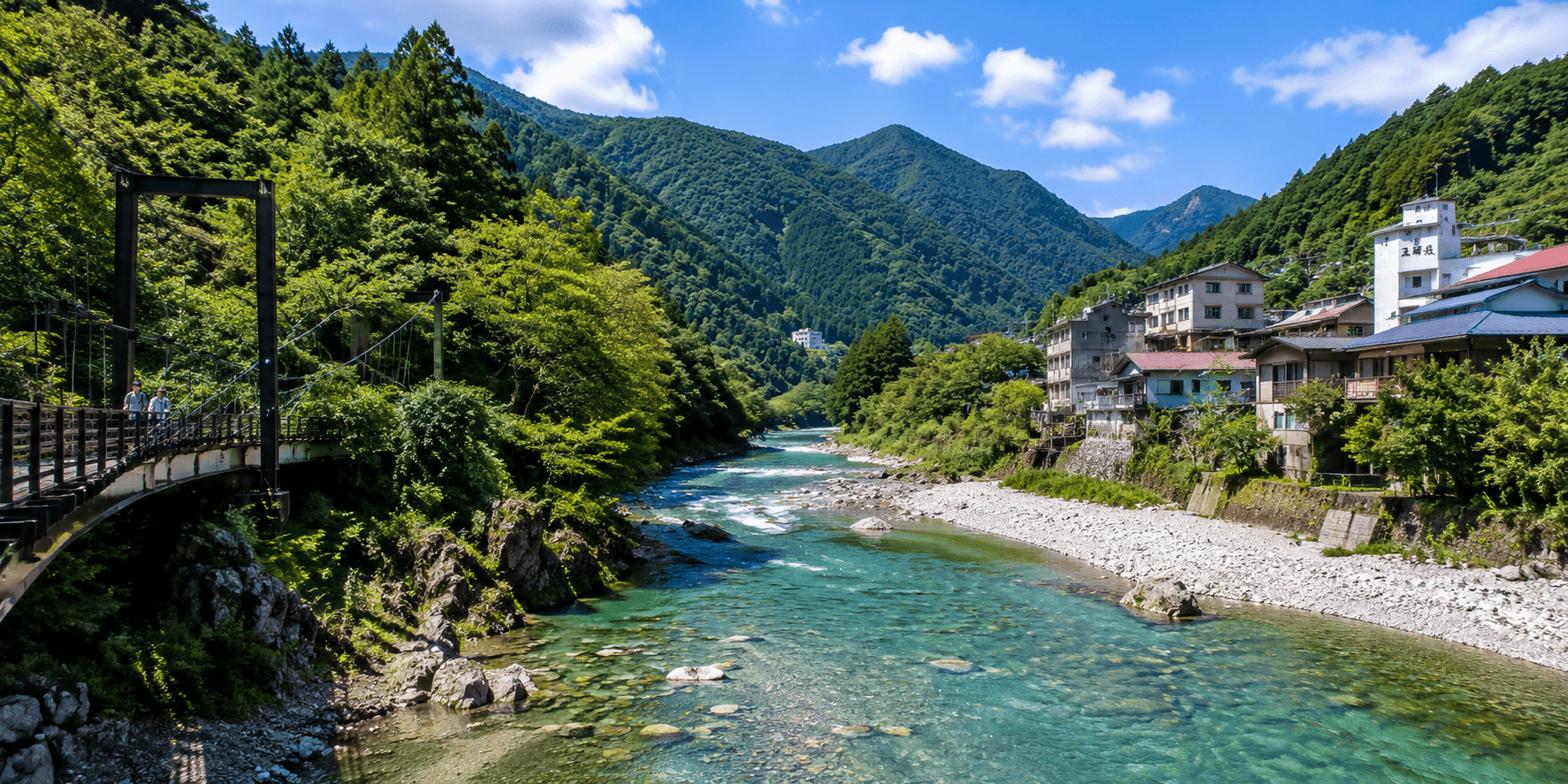
Okutama
Okutama is a large mountain town on Tokyo's far western edge, the biggest municipality in the capital by area, built around Lake Okutama, river valleys, a limestone cave, and a wide hiking network, roughly two hours by train from Shinjuku.
Explore →Kyoto
View Kyoto guide →
Arashiyama Bamboo Grove
The Arashiyama Bamboo Grove is a short public path through tall bamboo in the Sagano area of western Kyoto, free to walk and with no gate. Most visitors combine it with Tenryu-ji's garden, Okochi Sanso and Nonomiya Shrine, which sit along it.
Explore →
Philosopher's Path
The Philosopher's Path is a canal-side walk of about 2 kilometers in eastern Kyoto, between Ginkaku-ji and the Nanzen-ji area. It is named for the philosopher Nishida Kitaro, who walked it each morning, and is lined with cherry trees donated by the painter Hashimoto Kansetsu.
Explore →
Kyoto Imperial Palace
The Kyoto Imperial Palace (Kyoto Gosho) was the emperor's residence from 1331 until 1869; the present buildings date from 1855. It stands in Kyoto Gyoen park in the center of the city and is managed by the Imperial Household Agency, which opens it free to walk-in visitors.
Explore →
Kurama and Kibune
Kurama and Kibune are two mountain valleys north of Kyoto linked by a trail over Mt. Kurama. The walk runs through the grounds of Kurama-dera and down to Kibune, with its water-god shrine and summer riverside restaurants.
Explore →
Uji
Uji is a tea town on the Uji River south of Kyoto, with two World Heritage sites: Byodo-in, whose Phoenix Hall is on the 10-yen coin, and Ujigami Shrine, whose main hall is the oldest surviving shrine building in Japan.
Explore →Osaka
View Osaka guide →

Sapporo
View Sapporo guide →
Odori Park
A 1.5km green boulevard through downtown Sapporo, home to the Snow Festival, summer beer garden, and seasonal flower displays.
Explore →
Moerenuma Park
A free, 188.8-hectare park in outer Sapporo designed by sculptor Isamu Noguchi as his final major work, built on a reclaimed landfill and centered on the Glass Pyramid, Mt. Moere, and a seasonal Sea Fountain.
Explore →
Hokkaido University
A free, open 177-hectare university campus in central Sapporo, a short walk from Sapporo Station, known for Ginkgo Avenue's autumn color and the historic Poplar Avenue.
Explore →
Nakajima Park
A free, roughly 24-hectare urban park in Chuo-ku, Sapporo, centered on Shobu Pond, immediately south of Susukino.
Explore →
Sapporo Maruyama Zoo
A municipal zoo within Maruyama Park in Chuo-ku, Sapporo, the oldest zoo in Hokkaido, adjacent to Hokkaido Shrine.
Explore →
Maruyama Park
Sapporo's most popular free public park for cherry blossom viewing, home to Hokkaido Shrine, Maruyama Zoo, and a hiking trail up Mount Maruyama.
Explore →Hiroshima
View Hiroshima guide →
Shukkeien Garden
A strolling garden built from 1620 for the lords of Hiroshima, around a central pond with islands, bridges and pavilions. A 10 to 15 minute walk from Hiroshima Station and from Hiroshima Castle.
Explore →
Mount Misen
The 535-meter peak at the center of Miyajima, reached by three hiking trails or the Miyajima Ropeway plus a 30-minute summit walk. Views across the Seto Inland Sea, temple halls near the top, and a flame said to have burned for 1,200 years.
Explore →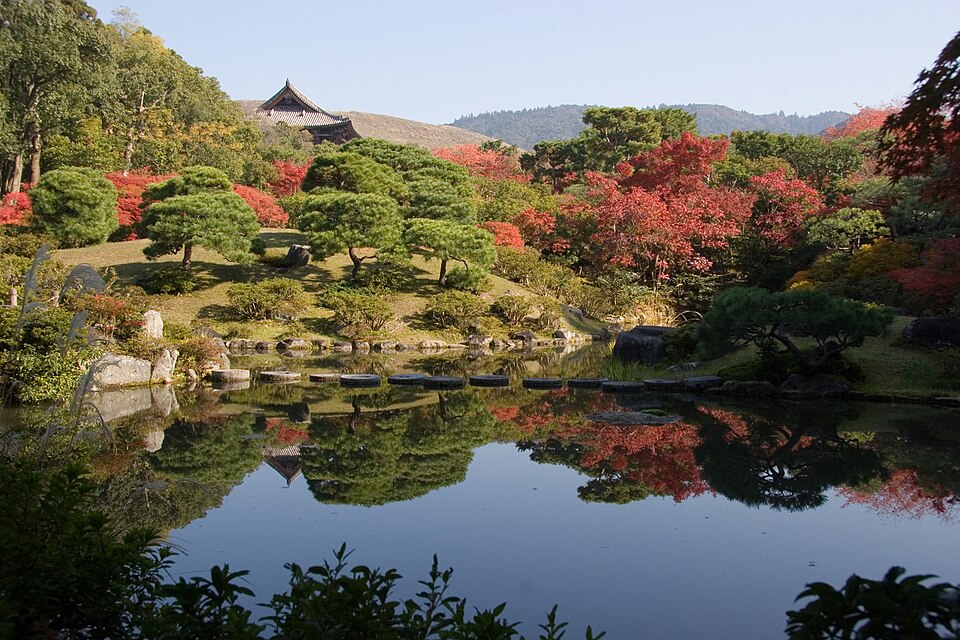
Isuien Garden
A masterful Meiji-era strolling garden that frames Todai-ji's rooftops and the Wakakusa hills as living borrowed scenery across two interconnected ponds.
Explore →
Nara Park
A 502-hectare park surrounding Nara's great temples where over 1,200 wild sika deer roam freely among visitors — Japan's most extraordinary wildlife encounter in an urban setting.
Explore →
Yoshikien Garden
A free, three-part traditional Japanese garden directly beside Isuien Garden, offering a quieter and more compact alternative or add-on to Nara's better-known strolling garden.
Explore →
Kasuga Taisha Man'yo Botanical Garden
A small, separately-ticketed botanical garden beside Kasuga Taisha Shrine growing every plant species named in Japan's ancient Man'yoshu poetry anthology, best known for its wisteria in late April and early May.
Explore →
Mt. Kasuga Primeval Forest
A UNESCO-listed primeval forest directly behind Kasuga Taisha Shrine in Nara, open to the public via designated trails only, ranging from a short promenade to a genuine 3.5-4 hour moderate hike, plus a paid toll driveway for non-hikers.
Explore →
Ukimido Pavilion
A small, free hexagonal wooden pavilion floating on Sagi-ike Pond inside Nara Park, near Kasuga Taisha Shrine's first torii gate, best known for photography, seasonal boating, and the Nara Tokae lantern festival.
Explore →Hakone
View Hakone guide →
Lake Ashi (Ashinoko)
A scenic volcanic crater lake offering iconic Mt Fuji reflections, the famous floating torii gate of Hakone Shrine, and beautiful lakeside views.
Explore →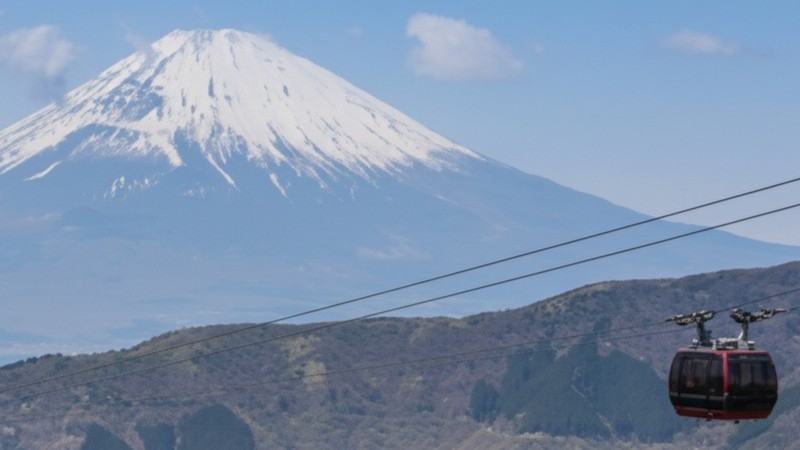
Owakudani
An active volcanic valley at 1,044 meters with dramatic steam vents, sulfur springs, and the famous black eggs hard-boiled in volcanic water.
Explore →
Hakone Hot Springs
Hakone is one of Japan's most famous onsen resort areas, offering a wide range of hot spring experiences from traditional ryokans to public bathhouses.
Explore →
Lake Ashi Sightseeing Cruise
A scenic cruise across Lake Ashi offering panoramic views of Mt Fuji, forested shorelines, and the famous torii gate of Hakone Shrine.
Explore →Yokohama
View Yokohama guide →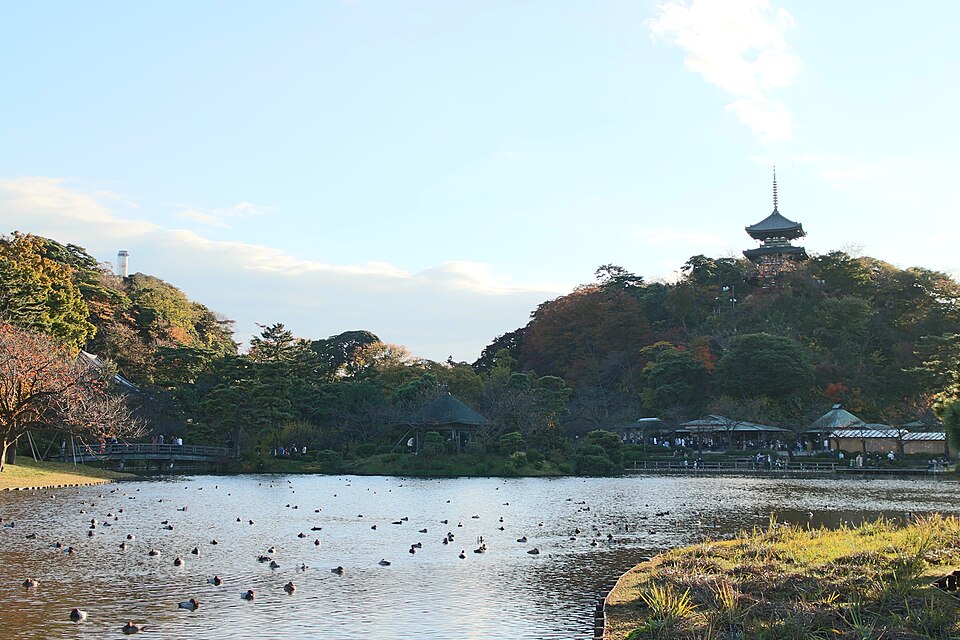
Sankeien Garden
A sprawling traditional Japanese garden with historic buildings relocated from across Japan, including a three-story pagoda.
Explore →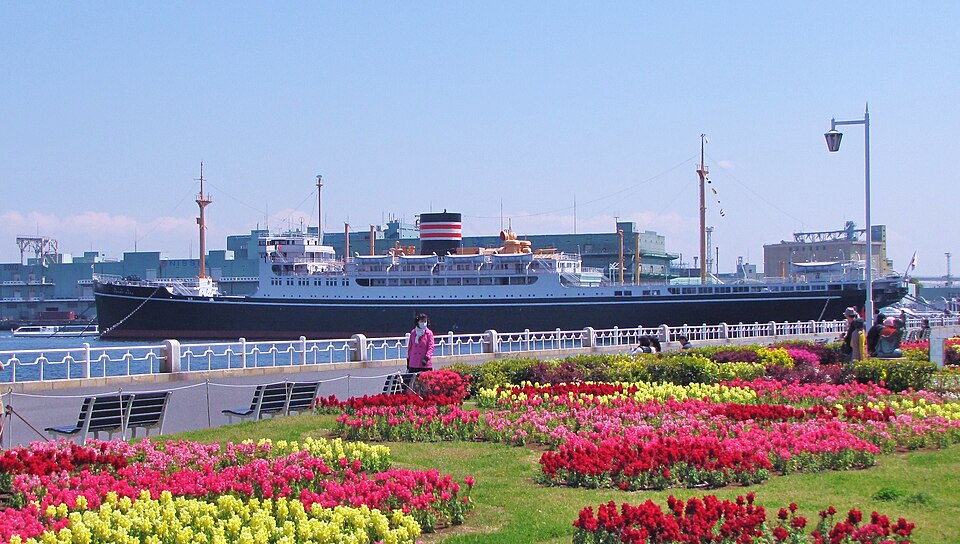
Yamashita Park
Yokohama's oldest waterfront park, a relaxing harbor-side promenade with rose gardens and views of the bay.
Explore →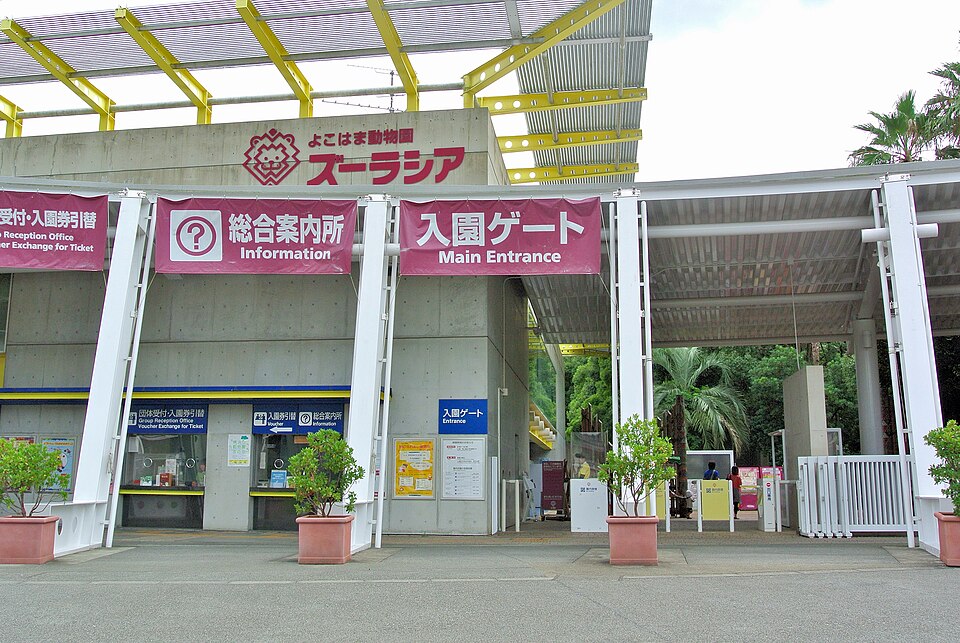
Zoorasia
One of Japan's largest zoos, with naturalistic habitats grouped by world region and a wide range of rare species.
Explore →
Harbor View Park
A free, elevated Yamate hillside garden park above Motomachi, reached by a genuine uphill walk, known for Yokohama's most extensive rose gardens and a harbor view toward Yokohama Bay Bridge.
Explore →Kamakura
View Kamakura guide →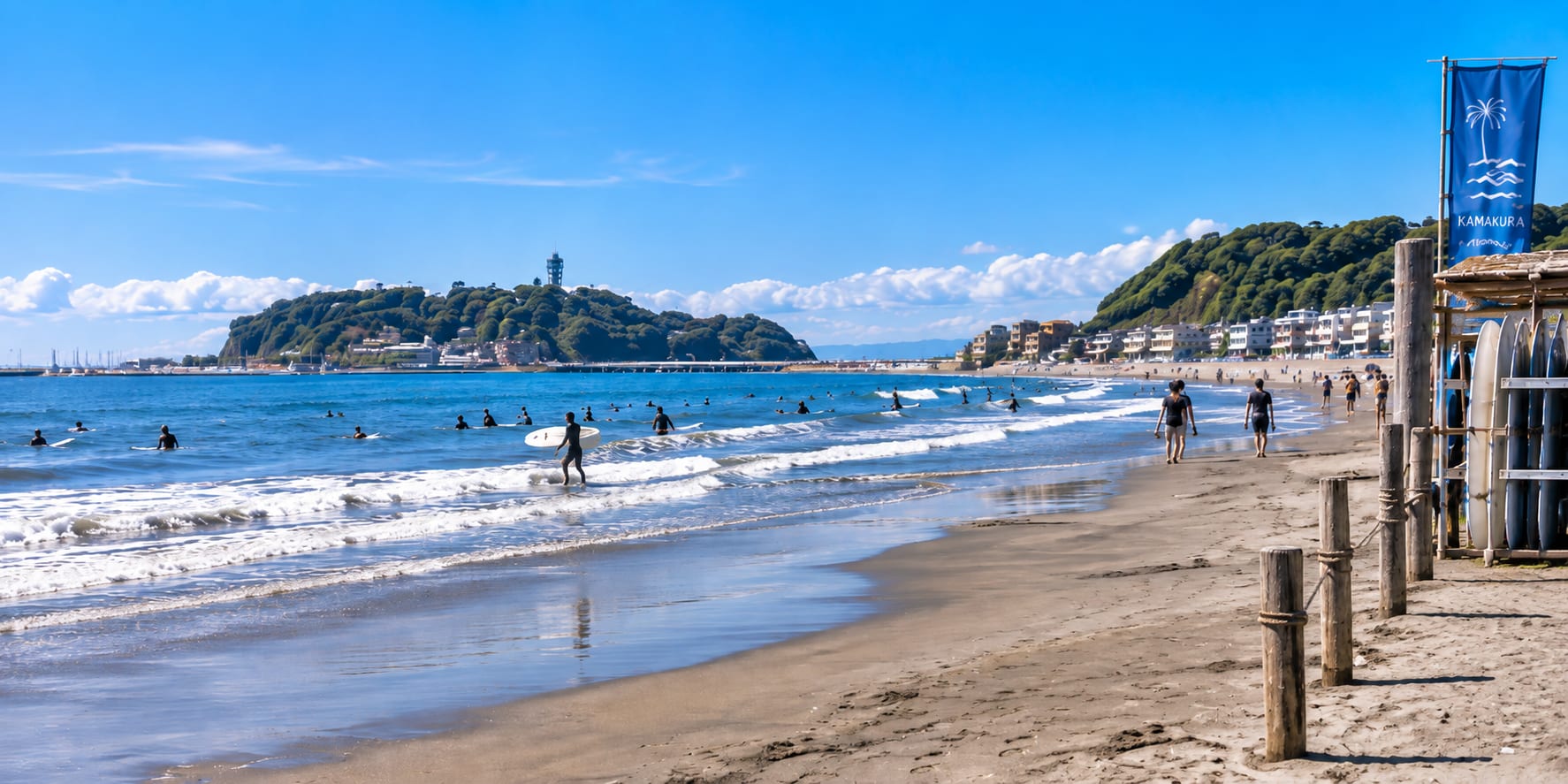
Nikko
View Nikko guide →
Kegon Falls
Japan's most famous waterfall, a dramatic 97-meter drop into a volcanic gorge near Lake Chuzenji.
Explore →
Lake Chuzenji
A scenic crater lake formed by the eruption of Mount Nantai, ringed by mountains and famous for autumn foliage.
Explore →
Shinkyo Bridge
Nikko's iconic vermilion sacred bridge, marking the traditional gateway to the area's shrines and temples.
Explore →
Ryuzu Falls
A graceful, fan-shaped waterfall that splits around a rock near the edge of Lake Chuzenji.
Explore →
Kanmangafuchi Abyss
A peaceful gorge along the Daiya River lined with a row of moss-covered stone Jizo statues.
Explore →Fukuoka
View Fukuoka guide →
Mount Fuji
View Mount Fuji guide →
Lake Kawaguchiko
The Fuji Five Lakes base most visitors use, with free shoreline views of Mount Fuji, a sightseeing cruise and easy train and bus links to Tokyo.
Explore →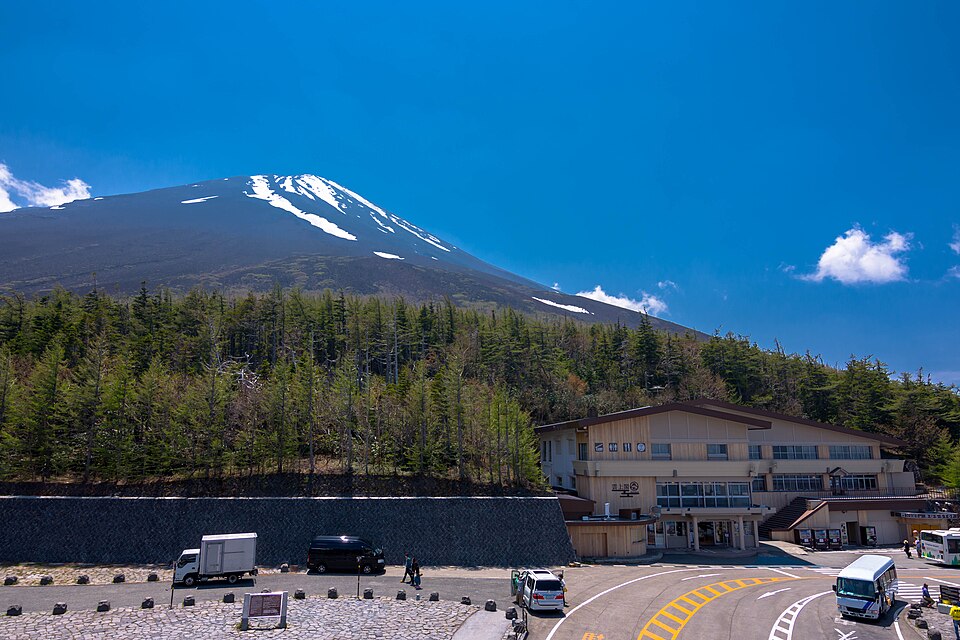
Mt. Fuji 5th Station
The Fuji Subaru Line 5th Station at 2,305 m, the Yoshida Trail trailhead and the 5th Station most visitors reach by bus from Kawaguchiko.
Explore →
Oishi Park
A free flower walk on Lake Kawaguchiko's north shore, facing Mount Fuji across the water, best known for early-summer lavender and red autumn kochia.
Explore →
Oshino Hakkai
Eight spring-fed ponds in Oshino village, fed by Mount Fuji's underground water, with thatched buildings and views of the mountain on clear days.
Explore →
Shiraito Falls
A wide curtain of Mount Fuji spring water in Fujinomiya, Shizuoka, inscribed as part of the Fujisan World Heritage Site for its role in Fuji pilgrimage.
Explore →
Lake Yamanakako
The largest of the Fuji Five Lakes by area, on Mount Fuji's northeast side, known for Diamond Fuji sunsets in autumn and winter.
Explore →Photo: Alpsdake, CC BY-SA 4.0
Arakurayama Sengen Park
The Fujiyoshida hillside park around Chureito Pagoda, with Arakura Fuji Sengen Shrine, a Mount Fuji viewing deck, seasonal trees and paid city parking.
Explore →Photo: Simo Räsänen, CC BY-SA 4.0
Kobe Nunobiki Herb Gardens & Ropeway
Japan's largest herb garden, reached by a scenic ropeway ride from right behind Shin-Kobe Station, with themed garden terraces, panoramic Kobe views, and the historic Nunobiki Falls on the mountain below.
Explore →
Mount Rokko
Kobe's highest mountain, reached by a historic cable car, famous across Japan for its "10 million dollar" night view over Kobe and Osaka Bay, plus hiking trails, an alpine botanical garden, and a ropeway link to Arima Onsen.
Explore →
Kobe Animal Kingdom
A mostly-indoor, all-weather animal and flower park on Port Island built around close, low-barrier encounters with capybaras, toucans, and other small mammals and birds.
Explore →
Nunobiki Falls
A free set of four linked waterfalls on a wooded trail a short walk from Shin-Kobe Station, ranked among Japan's Three Great Sacred Waterfalls and free to visit without any ropeway or garden ticket.
Explore →
Sorakuen Garden
The City of Kobe's only municipal Japanese-style garden, a former Meiji-era merchant estate in central Kobe with a relocated Kitano foreign-merchant house and a surviving Important Cultural Property stable.
Explore →
Kobe Suma Seaside Park
Kobe's most convenient free beach and waterfront park, redeveloped through 2024, home to the Matsunomori Village dining cluster and the separate, paid Kobe Suma Sea World aquarium within its grounds.
Explore →
Rokkosan Pasture
A Kobe City-operated pasture on Mount Rokko where sheep graze freely and visitors can get close to farm animals, open to the public since 1976.
Explore →
Rokko Garden Terrace
The named viewpoint and dining complex at the heart of Mount Rokko's famous "10 million dollar" night view, with free outdoor terraces and the paid Rokko-Shidare Observatory.
Explore →
Rokko Alpine Botanical Garden
A seasonal high-altitude garden on Mount Rokko, opened in 1933, cultivating around 1,500 alpine and cold-climate plant varieties, distinct from Nunobiki Herb Gardens on a separate mountain.
Explore →Nagoya
View Nagoya guide →
Higashiyama Zoo and Botanical Gardens
A combined zoo and botanical garden in eastern Nagoya with the most animal species of any zoo in Japan, spread across 60 hectares alongside a nationally designated Important Cultural Property greenhouse.
Explore →
Tokugawa Garden
A Japanese landscape garden on the former Owari Tokugawa family estate in eastern Nagoya, with a central pond, waterfall, and seasonal plantings from cherry blossoms to autumn maples, immediately next to the separately ticketed Tokugawa Art Museum.
Explore →
Noritake Garden
A free public garden and shopping and dining complex built on ceramics maker Noritake's own Nagoya headquarters grounds, with a paid Craft Center and Museum where visitors can watch bone china being produced and hand-painted.
Explore →
Shirotori Garden
A traditional Japanese garden in Atsuta Ward designed around a pond and streams representing the landscape of central Japan, a short walk from Atsuta Jingu.
Explore →Kanazawa
View Kanazawa guide →
Takayama
View Takayama guide →
Higashiyama Walking Course, Takayama
A free, self-guided walking route through Takayama's historic temple district, linking more than a dozen temples and shrines to Shiroyama Park and the site of the former Takayama Castle.
Explore →
Nakabashi Bridge
Takayama's red-railed bridge over the Miyagawa River, a free, always-open crossing between the Old Town and the Miyagawa Morning Market and the city's most photographed landmark.
Explore →Nagasaki
View Nagasaki guide →
Gunkanjima
Gunkanjima, officially Hashima Island, is an abandoned undersea coal mining island off Nagasaki and a component of a UNESCO World Heritage property. It can only be reached on a licensed boat tour, and landing depends entirely on the day's weather.
Explore →
Meganebashi Bridge
A double-arch stone bridge of 1634 over the Nakashima River, widely cited as the oldest surviving stone arch bridge in Japan and named for the spectacles its reflection forms.
Explore →
Glover Garden
A hillside open-air museum of nineteenth-century Western merchant houses above Nagasaki harbor, built around the 1863 Former Glover Residence.
Explore →
Nagasaki Peace Park
A free public memorial park on the hillside above the atomic bomb hypocenter, centered on the Peace Statue, the Fountain of Peace, and monuments donated by countries and cities worldwide.
Explore →Shirakawa-go
View Shirakawa-go guide →
Matsumoto
View Matsumoto guide →
Explore Other Categories
Plan Your Visit
Build these stops into a full itinerary, or browse every destination they belong to.