Higashiyama and Gion
A full day on foot
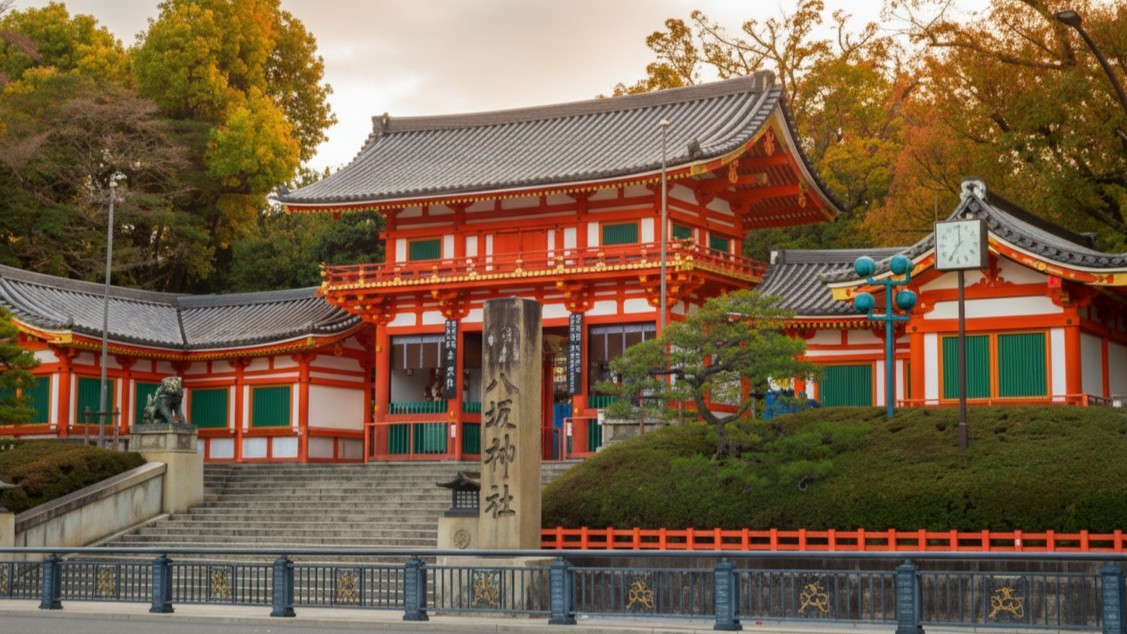
The eastern hills and the old streets below them. Kiyomizu-dera, the stone lanes of Sannenzaka and Ninenzaka, Kodai-ji, Yasaka Shrine and Gion join up as one downhill walk, best finished in Gion around dusk.

Kyoto, Japan's former imperial capital, rewards planning by area rather than by a list of sights. Its best-known places sit in four clusters that take real time to cross: Higashiyama in the east (Kiyomizu-dera, Gion and Yasaka Shrine), Arashiyama in the west, the northwest temples around Kinkaku-ji and Ryoan-ji, and the south near Kyoto Station, where Fushimi Inari is two stops away by train. With three to four days, give Higashiyama and Arashiyama most of a day each and fit Fushimi Inari into a morning. With one day, choose one cluster plus Fushimi Inari rather than trying to cross the city.
•5 min read
Ranked for a first trip by how much each place shows of Kyoto and how easily it fits a day in its area. Half-day trips out of the center (Kurama and Kibune, Uji, Daigo-ji) and specialist sights are under All Attractions.
View all Kyoto attractions →
Fushimi

Kita / Northern Kyoto

Higashiyama

Arashiyama

Gion / Higashiyama

Central Kyoto / Kawaramachi

Higashiyama

Okazaki / Higashiyama

Okazaki / Higashiyama

Central Kyoto

Arashiyama

Northwest Kyoto
Kyoto rewards planning by area. Sights inside one area are close enough to walk between; moving between areas means a bus or train ride that eats into the day. Choose areas first, then the sights inside them.
These six areas hold the sights most first trips are built around. Walk within an area; take a train, the subway or a bus between them.
A full day on foot
The eastern hills and the old streets below them. Kiyomizu-dera, the stone lanes of Sannenzaka and Ninenzaka, Kodai-ji, Yasaka Shrine and Gion join up as one downhill walk, best finished in Gion around dusk.

A full day
On the western edge of the city. The Bamboo Grove runs beside Tenryu-ji, so the two pair naturally; go early for the grove. The JR Sagano Line, the Randen tram and the Hankyu line all reach the area.

Mornings and travel days
Fushimi Inari is two stops (5 minutes) from Kyoto Station on the JR Nara Line. Toji, Kyoto Tower and the Kyoto Railway Museum are close to the station, which makes them easy on arrival and departure days.

A morning
Kinkaku-ji opens at 9:00 AM. Ryoan-ji and its rock garden lie to the southwest along the same road. No train station is close, so most visitors arrive by city bus.

Half a day
The Philosopher's Path follows a canal from Ginkaku-ji toward the Nanzen-ji area, and Heian Shrine is a short walk further, in Okazaki. The path is at its best in cherry blossom season and autumn.
Around the other areas
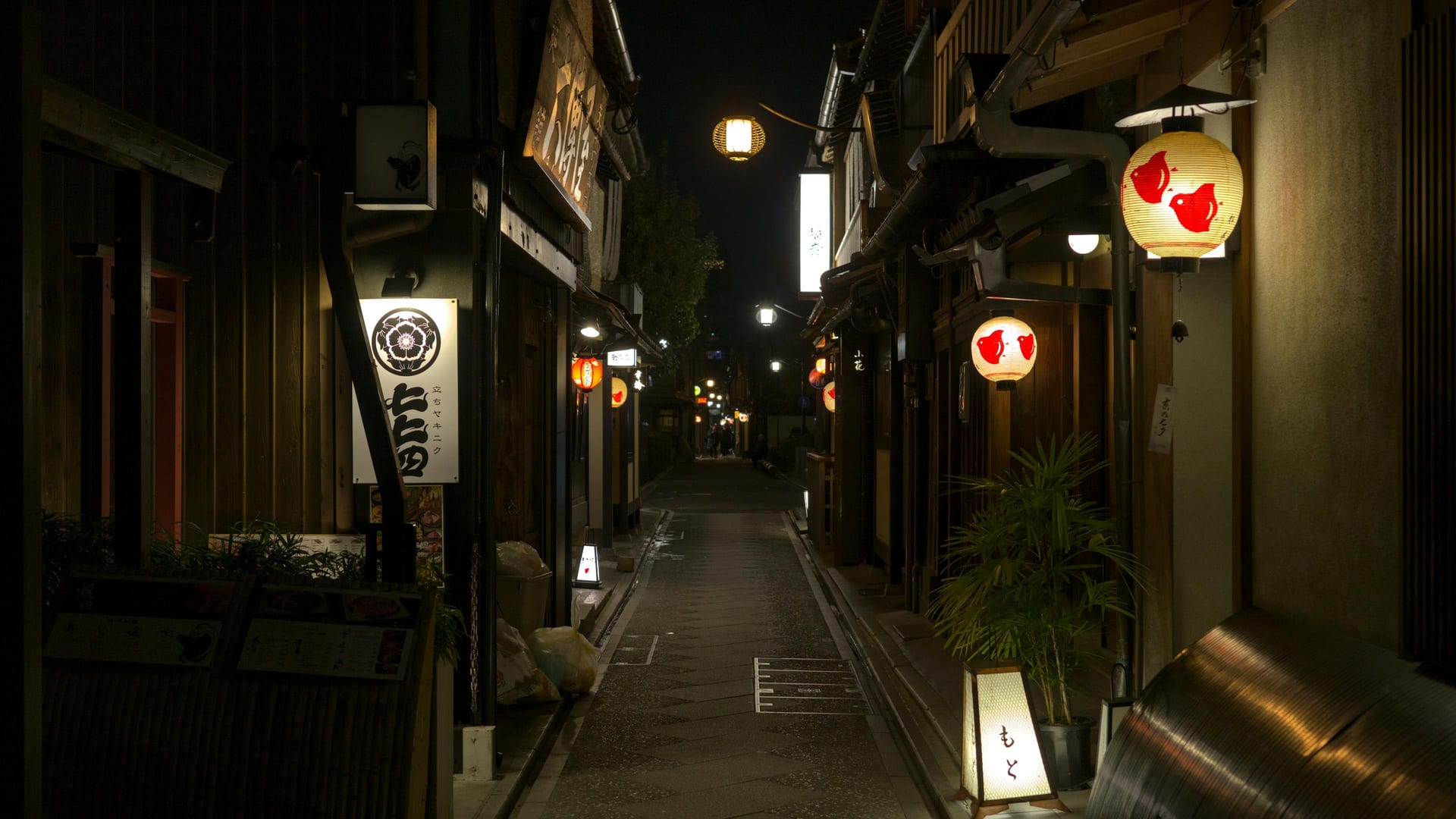
Nijo Castle, the Imperial Palace, Nishiki Market and Pontocho sit on the subway or a short walk from Karasuma and Kawaramachi, so they fit around the other areas. Nishiki Market is a covered arcade, useful on a rainy day.
Kyoto has no single line that connects every area quickly. City buses reach temples that trains do not, but routes toward Kinkaku-ji and Kiyomizu-dera crowd from late morning; trains and the subway are faster for Arashiyama, Fushimi and central Kyoto. Getting Around Kyoto covers each option.
Quick Answer
Kyoto, Japan's imperial capital for more than a thousand years, has over a thousand temples and shrines and about a fifth of Japan's National Treasures. It suits first-time visitors and anyone who wants culture on foot. Plan by area and start early to avoid the worst crowds.
The vermilion torii of Fushimi Inari Taisha, the bamboo of Arashiyama and the wooden townhouses of Gion are not isolated sights but parts of a city that kept much of its old character.
The trade-off is crowds. The famous sights are busiest from late March to early April, from mid-November into early December, and from late morning on almost any day. The Kyoto visitors remember usually comes from timing: the headline sight at opening time, then a quieter area for the afternoon.
Kyoto suits travelers who want temples, gardens, crafts and food in one place and are happy to walk. It is slower than Tokyo or Osaka and quiet at night outside Gion and Pontocho. If nightlife and shopping matter most, base yourself in Osaka and visit Kyoto by train.
Quick Answer
Most international visitors reach Kyoto via Kansai Airport on the JR Haruka Express (¥3,060 non-reserved, ~75–80 min, JR Pass covered) directly to Kyoto Station. From Tokyo, the Tokaido Shinkansen reaches Kyoto in about 2 hours 10 minutes on the fastest Nozomi.
Kyoto has no international airport of its own; most travelers arrive via Kansai International Airport (KIX) near Osaka, about 75–90 minutes away, or by Shinkansen directly from Tokyo, Osaka, or other major cities. For most international travelers, Kansai International Airport is the most convenient gateway to Kyoto.
Kansai International Airport (KIX)
Osaka Itami Airport (ITM)
Tokyo Haneda/Narita
The Tokaido Shinkansen connects Tokyo Station directly with Kyoto Station and is one of the busiest high-speed rail routes in the world.
JR Pass Coverage
Flights between Tokyo and Osaka are available, but when airport transfers and security procedures are included, the Shinkansen is usually faster and more convenient.
Kyoto Station is the city's main transportation hub and provides direct access to local JR trains, Kyoto City Buses, subway lines, airport buses, and regional trains to Osaka, Nara, Kobe, and Uji. Many major hotels are located within walking distance of the station.
Recommended
For most international visitors, the JR Haruka Express from Kansai Airport is the best way to reach Kyoto. It offers a direct connection to Kyoto Station, comfortable seating, luggage space, and full coverage under the Japan Rail Pass. Travelers coming from Tokyo should take the Tokaido Shinkansen, which provides the fastest and most convenient connection between Japan's two most popular tourist destinations.
Landing at Kansai Airport? Kansai Airport to Kyoto: routes, fares and luggage
This covers airport access only. For subway lines, IC cards, tickets, and rush hour, see the full transportation guide.
Read the full Getting Around Kyoto guide →Quick Answer
Spring (late March–early April) for cherry blossoms and autumn (mid-November–early December) for foliage are Kyoto's best seasons. Avoid Golden Week (late April–early May) and Obon (mid-August) when attractions are most crowded and hotel rates spike.
Kyoto's two best seasons are also its most crowded: cherry blossom from late March to early April, and autumn color from mid-November to early December. Book rooms early for either and reach the famous sights at opening time. Summer is hot and humid but has the Gion Matsuri; winter is the quietest season.
Cherry blossoms typically bloom from late March to early April at Maruyama Park, the Philosopher's Path, Heian Shrine and Kiyomizu-dera. Temperatures are mild, generally 50°F–75°F (10°C–24°C), good for walking between temples. Peak bloom brings the largest crowds and highest hotel prices of the year.
Hot and humid, often 85°F–95°F (29°C–35°C). June is part of Japan's rainy season. July brings the Gion Matsuri, with large decorated floats and processions through the month. Sightsee early in the morning and in the evening.
October is comfortable and less crowded than the foliage weeks. Color peaks from mid-November through early December at Tofuku-ji, Eikando, Arashiyama, Nanzen-ji and Kiyomizu-dera, where weekend lines at the major temples can be long.
The quietest season, generally 35°F–55°F (2°C–13°C). Occasional snow on Kinkaku-ji and Kiyomizu-dera is worth watching the forecast for. Gardens are less colorful, but crowds and hotel prices are lower.
For a first visit, November is the safest choice: mild days and autumn color, as long as you book rooms early and reach the famous sights at opening time.
Quick Answer
Gion is the best base if you want to walk to the Higashiyama temples and be in the old streets after the day crowds leave. Kyoto Station area suits day-trippers and JR Pass users, Kawaramachi is best for food and shopping, and Arashiyama is quiet in the evening but a long ride from everything else.
Choose a base by how you will spend your days: near Kyoto Station for arrival, departure and day trips, Gion or Kawaramachi for walking to Higashiyama and eating out, Arashiyama for quiet evenings. Each card below gives the trade-off.
Best for: first-timers who want to walk to Higashiyama and be out in the evening
Trade-off: the lanes are crowded by day, and Kyoto Station is a bus or taxi ride away.
Best for: arrival and departure days, JR Pass users and day trips to Nara or Osaka
Trade-off: modern and less atmospheric; Higashiyama and Gion are a bus ride away.
Best for: restaurants, Nishiki Market and Pontocho on foot
Trade-off: busy and commercial, with no JR station; Kyoto Station trips go by subway or bus.
Best for: quiet evenings and the Bamboo Grove before the crowds
Trade-off: a long ride from Higashiyama and Fushimi Inari, so better as a second base than a first.
Discover More Around Kyoto
Day-by-day Japan routes that include Kyoto

Best for: First-Time
The perfect first-timer route through Japan's greatest cities
Tokyo · Hakone · Kyoto · Osaka
From$3,200/person
View Kyoto route →
Best for: Couple
A spring route timed to peak sakura season through Tokyo, Nikko, Kyoto & Osaka
From$2,800/person
View Kyoto route →
Best for: Backpacker
Two weeks through Tokyo, Kyoto & Osaka without sacrificing the highlights
From$1,800/person
View Kyoto route →Free Itinerary Builder
Choose Kyoto attractions, organize them by day, and see opening hours, admission fees and your trip pace in one place.
Guides and tools for the parts of a Kyoto trip that take the most planning
Browse curated itineraries that include Kyoto, or build your own with our free planning tools.
Next: Explore all attractions in Kyoto or browse nearby destinations.
Back to All Destinations →

