
Japan's Best Museums
History, science, food culture, and design, told through some of the country's most thoughtfully curated spaces.
Japan's museums range from solemn historical archives to playful, hands-on spaces built around a single product or craft. Many are designed to be experienced rather than just viewed, with working exhibits, tasting counters, and build-your-own activities alongside the displays. These are the museums most worth the detour.
Museums Across Japan
58 museums across 15 destinations
Tokyo
View Tokyo guide →
teamLab Planets
teamLab Planets is an immersive digital art museum in Toyosu where visitors walk barefoot through vast rooms of sensory light, water, and flower installations. It is one of Tokyo's most visually spectacular modern experiences.
Explore →
Ghibli Museum
The Ghibli Museum in Mitaka is a Studio Ghibli-themed museum designed by Hayao Miyazaki, known for its maze-like layout, exclusive short films, and strict advance-reservation-only ticketing. It sits at the edge of Inokashira Park, west of central Tokyo.
Explore →
teamLab Borderless
teamLab Borderless is a permanent digital art museum at Azabudai Hills in central Tokyo, not its former Odaiba venue, which closed in 2022. Visitors walk shoes-on through vast, interconnected rooms of light, projection, and interactive art with no fixed floor plan.
Explore →
Sunshine Aquarium
Sunshine Aquarium is a rooftop and high-rise aquarium on the top floors of Sunshine City's World Import Mart Building in Ikebukuro, known for its open-air Sunshine Aqua Ring where penguins appear to swim above the Tokyo skyline, plus jellyfish and sea lion exhibits. It is a separately-ticketed facility, distinct from the wider Sunshine City complex it sits inside.
Explore →
Edo-Tokyo Museum
The Edo-Tokyo Museum reopened on March 31, 2026 after a four-year renovation. It covers roughly 400 years of Tokyo's history, centered on a full-scale reproduction of the Nihonbashi Bridge, a one-minute walk from Ryogoku Station.
Explore →
National Museum of Nature and Science
The National Museum of Nature and Science, known as Kahaku, is Tokyo's main natural history and science museum in Ueno Park, distinct from the art-focused Tokyo National Museum next door. Its Japan Gallery and Global Gallery cover everything from Japan's natural environment to the history of life on Earth.
Explore →
Tokyo National Museum
Tokyo National Museum, Japan's oldest and largest museum, holds around 110,000 items of Japanese art, antiquities, and archaeology across multiple buildings in Ueno Park. First-time visitors should start at the Honkan, the main Japanese Gallery.
Explore →
Sumida Hokusai Museum
The Sumida Hokusai Museum sits in Ryogoku, the district where the ukiyo-e artist Katsushika Hokusai was born and spent most of his life. Its permanent exhibition displays full-size reproductions of his famous works; original Hokusai works appear only in rotating special exhibitions, a distinction worth knowing before you plan a visit.
Explore →
Small Worlds Tokyo
Small Worlds Tokyo is a large indoor 1/80-scale miniature museum in Ariake, Koto City, combining photorealistic dioramas, most notably a Kansai International Airport scene, with anime-licensed areas including Neon Genesis Evangelion. Adult admission is ¥3,200.
Explore →
Mori Art Museum
The Mori Art Museum is a contemporary art museum on the 53rd floor of Mori Tower in Roppongi Hills, distinct from the Mori Arts Center Gallery and Tokyo City View on the floor below. It has no fixed permanent collection on display, instead hosting large rotating exhibitions, and stays open most nights until 10:00 PM.
Explore →
The National Art Center, Tokyo
The National Art Center, Tokyo (NACT) is one of Japan's largest art spaces, housed in a striking Roppongi building with a wave-shaped curved glass facade. Unlike most museums, it owns no permanent collection at all, hosting only major rotating exhibitions and artist-association shows, and building entry is free.
Explore →Kyoto
View Kyoto guide →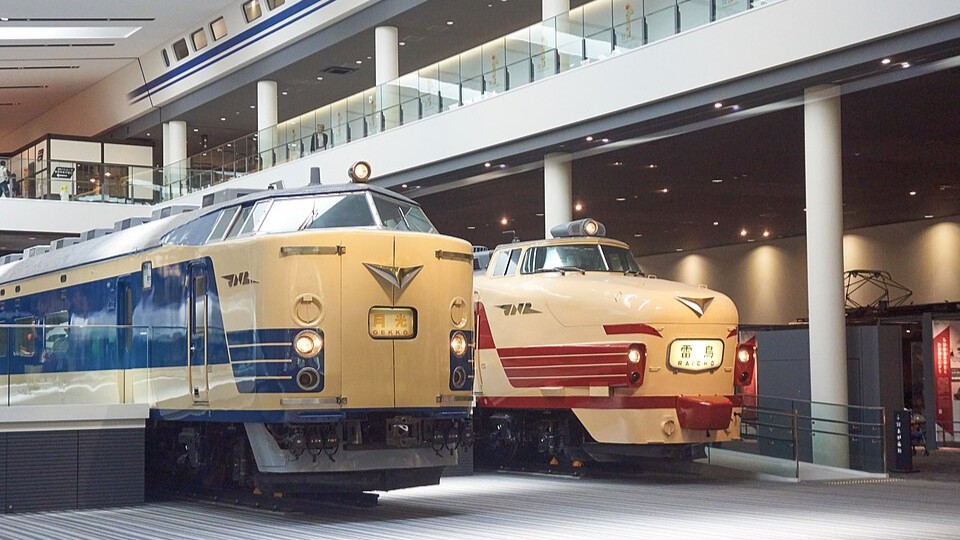
Osaka
View Osaka guide →
Osaka Museum of History
A standalone city history museum beside Osaka Castle, covering nearly 1,400 years of Osaka's history through large-scale reconstructions and on-site Naniwa Palace archaeology.
Explore →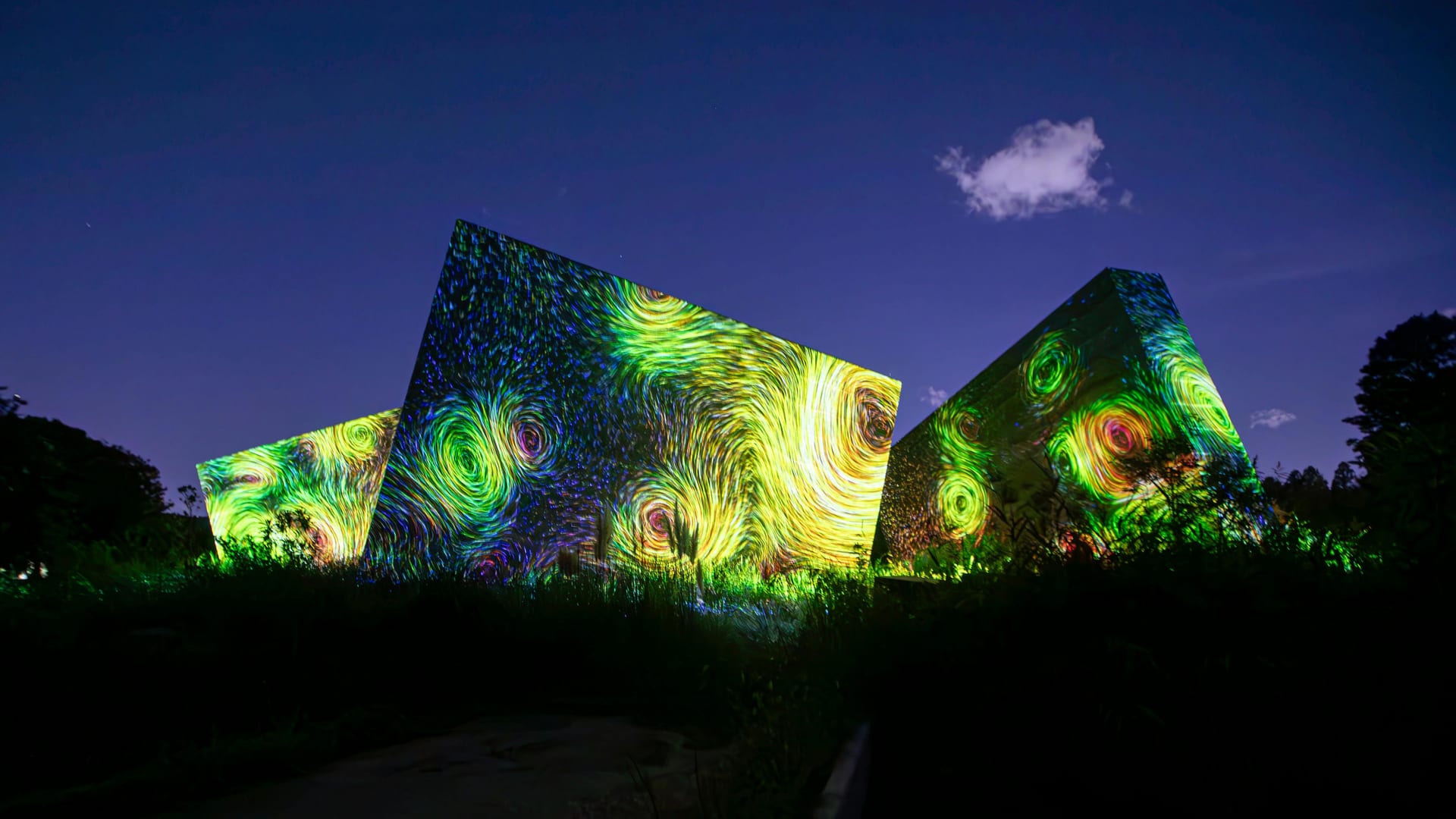
TeamLab Botanical Garden Osaka
An immersive digital art experience combining botanical garden nature with stunning nighttime light installations.
Explore →
Nakanoshima Museum of Art, Osaka
A separate, Osaka-city-affiliated modern and contemporary art museum that opened in 2022, not to be confused with the older National Museum of Art, Osaka nearby.
Explore →
The National Museum of Art, Osaka
Japan's national museum of contemporary art, almost entirely underground beneath a striking steel entrance sculpture, and a separate institution from nearby Nakanoshima Museum of Art.
Explore →
Osaka Museum of Housing and Living
A recreated 1830s Osaka streetscape you walk through, currently closed for renovation until January 6, 2027, and a different experience from the broader Osaka Museum of History.
Explore →Sapporo
View Sapporo guide →
Former Hokkaido Government Office
A striking red-brick Neo-Baroque building from 1888, once the seat of Hokkaido's government and reopened in July 2025 as a museum on the island's history.
Explore →
Sapporo Beer Museum
Japan's only beer museum, housed in a historic red-brick brewery, tracing the history of Sapporo Beer with a tasting hall on site.
Explore →
Sapporo Clock Tower
A white wooden clock tower from 1878, one of Japan's oldest Western-style buildings and an enduring symbol of the city.
Explore →
Shiroi Koibito Park
A chocolate-themed park built around Hokkaido's famous Shiroi Koibito cookies, with free grounds and shops plus paid Standard and Premium factory tours.
Explore →
Historical Village of Hokkaido
A large open-air museum in Sapporo's Atsubetsu-ku with more than 50 relocated buildings from Hokkaido's Meiji and Taisho pioneer era, arranged across a town, fishing village, farming village, and mountain village.
Explore →
Sapporo Olympic Museum
A museum at the foot of Okurayama Ski Jump Stadium in Chuo-ku, Sapporo, covering the 1972 Winter Olympics through artifacts and interactive sport simulators.
Explore →
Hokkaido Museum
Hokkaido's main indoor museum for the island's nature, history, and Ainu culture, set within Nopporo Forest Park beside the Historical Village of Hokkaido.
Explore →Hiroshima
View Hiroshima guide →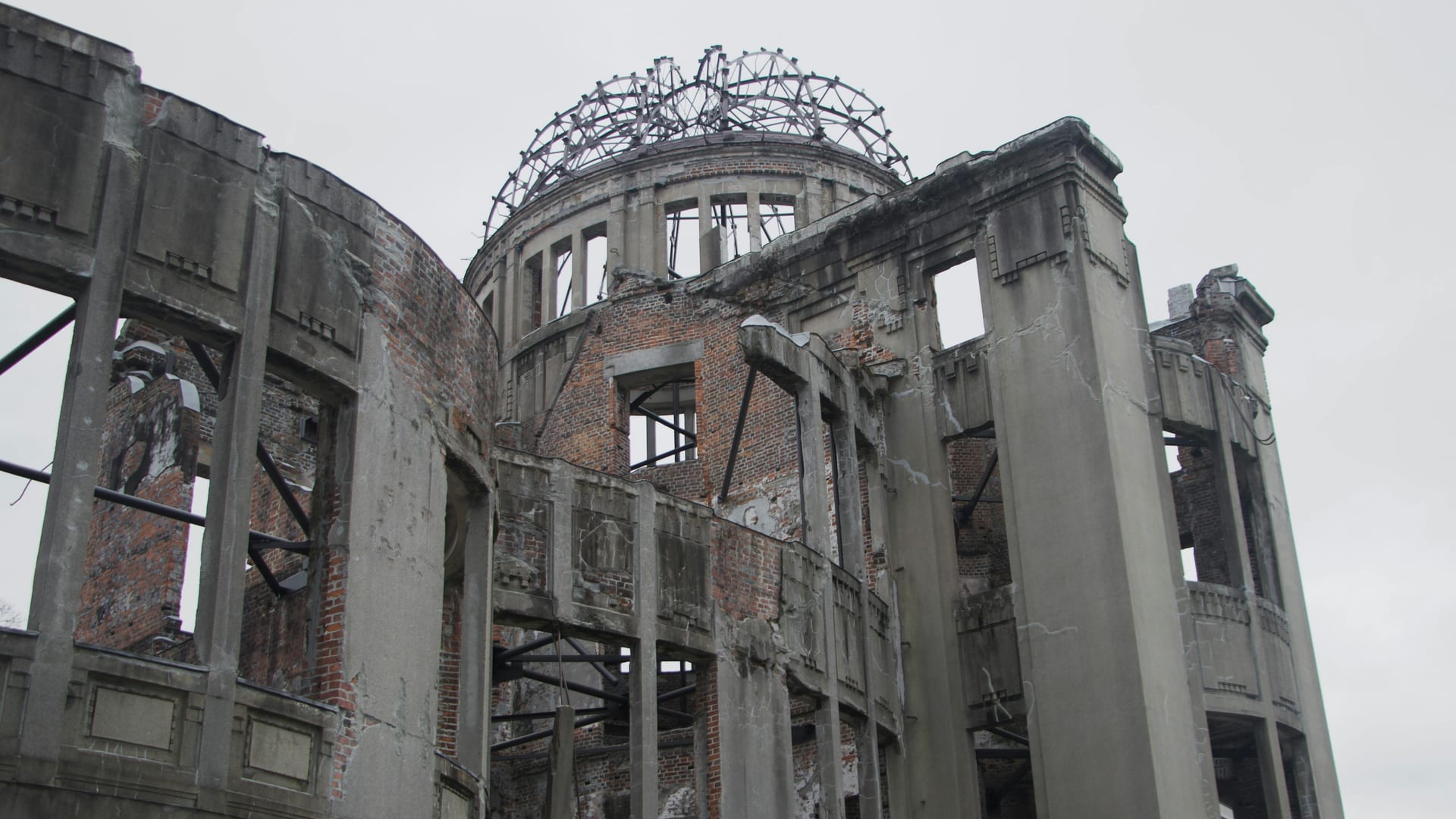
Atomic Bomb Dome
The ruin of the Hiroshima Prefectural Industrial Promotion Hall, left standing close to the hypocenter of the 1945 atomic bomb and preserved as a World Heritage Site. Seen from outside its fence, free, at any hour.
Explore →
Hiroshima Peace Memorial Park
The free, always-open memorial park in central Hiroshima, with the Cenotaph, the Peace Flame, the Children's Peace Monument and the National Peace Memorial Hall. The Atomic Bomb Dome stands across the river and the ticketed museum at its southern end.
Explore →
Hiroshima Peace Memorial Museum
The city-run museum in Peace Memorial Park that documents the atomic bombing of August 6, 1945, through victims' belongings, photographs and survivor testimony. Adult admission is 200 yen, and the museum recommends buying a web ticket in advance.
Explore →Hakone
View Hakone guide →
Yokohama
View Yokohama guide →
Cup Noodles Museum
The birthplace of instant noodles, an interactive museum where visitors learn the history of Cup Noodles and create their own custom cup.
Explore →
Shin-Yokohama Ramen Museum
A themed ramen-tasting attraction near Shin-Yokohama Station, pairing a ramen-history gallery with a reconstructed 1958 Showa-era streetscape and around nine independent regional ramen restaurants.
Explore →
Yokohama Museum of Art
Yokohama's major art museum, designed by Kenzo Tange and fully reopened in 2025, pairing a free public gallery with ticketed exhibitions of modern and contemporary art.
Explore →
Yokohama Port Museum
An indoor museum at Nippon Maru Memorial Park in Minato Mirai, covering 160 years of Port of Yokohama history through interactive simulators, a VR theater, and detailed exhibits.
Explore →
NYK Hikawa Maru
A preserved 1930 transpacific ocean liner and National Important Cultural Property moored beside Yamashita Park, with restored art deco interiors open for a low-cost self-guided tour.
Explore →Mount Fuji
View Mount Fuji guide →

Earthquake Memorial Museum
The official memorial and museum to the January 17, 1995 Great Hanshin-Awaji Earthquake, combining an immersive disaster theater, survivor testimony, and a detailed record of Kobe's recovery.
Explore →
Hyogo Prefectural Museum of Art
Hyogo Prefecture's flagship art museum at HAT Kobe, designed by Tadao Ando and opened in 2002 as a symbol of the city's recovery from the 1995 earthquake.
Explore →
Kobe Maritime Museum
Kobe's port-history museum in Meriken Park, housed under a distinctive white sail-shaped roof beside Kobe Port Tower, with a single ticket that also covers the attached Kawasaki Good Times World.
Explore →
Takenaka Carpentry Tools Museum
Japan's only museum dedicated to traditional carpentry tools, a five-minute walk from Shin-Kobe Station, tracing the craftsmanship behind the country's historic wooden architecture.
Explore →
Kobe City Museum
Kobe's city and open-port history museum, housed in a 1935 former bank building in the Old Foreign Settlement, holding nationally significant archaeological finds alongside a free ground-floor history exhibition.
Explore →Nagoya
View Nagoya guide →
SCMAGLEV and Railway Park
JR Central's railway museum at Kinjofuto Pier, displaying 39 retired train cars from steam locomotives to the record-breaking L0 series maglev, alongside train-driving simulators.
Explore →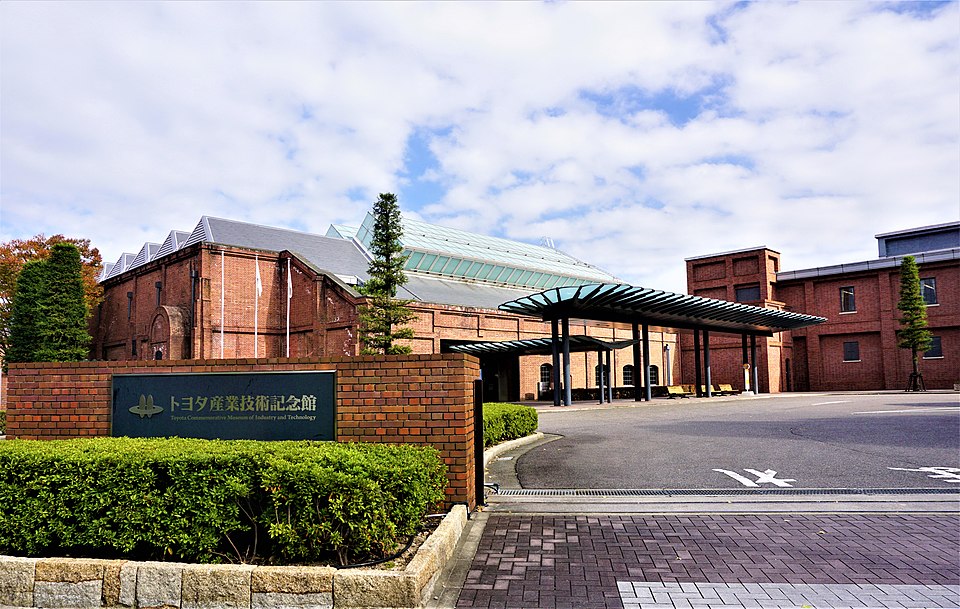
Toyota Commemorative Museum of Industry and Technology
A working-machinery museum in a converted 1911 textile factory tracing Toyota's origins from automatic looms to automobiles, with live demonstrations of historic weaving and manufacturing equipment.
Explore →
Nagoya City Science Museum
A science museum and planetarium in central Nagoya's Sakae district, known for one of the largest planetarium domes in the world and hands-on exhibits including an indoor tornado simulator and a -30C deep-freeze room.
Explore →
Tokugawa Art Museum
The Owari Tokugawa family's own hereditary art and heirloom collection in eastern Nagoya, home to National Treasure samurai armor, swords, and Japan's oldest surviving illustrated Tale of Genji scroll.
Explore →
Port of Nagoya Public Aquarium
Japan's largest public aquarium by tank volume, split into a North Building marine mammal wing and a South Building 'Journey to Antarctica' route, on the Nagoya Port waterfront in Minato-ku.
Explore →
Toyota Automobile Museum
An international automobile history museum in Nagakute City, east of Nagoya, distinct from the Toyota Commemorative Museum of Industry and Technology in central Nagoya.
Explore →
Nagoya City Art Museum
A modern and international art museum in Shirakawa Park designed by architect Kisho Kurokawa, with a permanent collection spanning Ecole de Paris to contemporary local artists.
Explore →Kanazawa
View Kanazawa guide →
Takayama
View Takayama guide →
Hida Folk Village (Hida no Sato)
An open-air museum on a Takayama hillside with about 30 relocated traditional Hida farmhouses, including gassho-zukuri buildings, arranged around a reflecting pond.
Explore →
Takayama Festival Floats Exhibition Hall
A paid exhibition hall on the grounds of Sakurayama Hachimangu Shrine displaying four of the eleven real Takayama Festival floats at a time, with the adjacent Sakurayama Nikkokan included in the same ticket.
Explore →
Takayama Jinya
The only surviving Edo-period local government office in Japan, used by the Tokugawa shogunate to administer Hida Province from 1692 to 1969, now a paid walk-through museum beside the Jinya-mae Morning Market.
Explore →
Yoshijima Heritage House
A nationally protected Meiji-era merchant residence in Takayama's old town, known for its exposed wooden roof-beam atrium and quiet, uncrowded interior.
Explore →Nagasaki
View Nagasaki guide →
Nagasaki Atomic Bomb Museum
Nagasaki's principal historical museum on the atomic bombing of August 9, 1945, holding artifacts, photographs, and survivor testimony alongside a section on nuclear weapons and disarmament.
Explore →
Nagasaki Prefectural Art Museum
A Kengo Kuma-designed museum straddling a working canal near Dejima, holding Nagasaki-related art and the Suma Collection of Spanish paintings, including works by Picasso, Miro, and Dali. The rooftop garden is free to enter.
Explore →Shirakawa-go
View Shirakawa-go guide →
Wada House
The largest gassho-zukuri farmhouse in Shirakawa-go's Ogimachi village, and the only one there holding Japan's national Important Cultural Property designation, still lived in today by the Wada family.
Explore →
Kanda House
A circa-1850 gassho-zukuri farmhouse in Ogimachi, Shirakawa-go, a branch household of the Wada family, open to the public across four floors and known as a quieter alternative to nearby Wada House.
Explore →
Gassho-zukuri Minka-en Open-Air Museum
An open-air museum on the far bank of the Sho River from Ogimachi with 25 relocated gassho-zukuri farmhouses and other historic buildings, offering furnished, enterable interiors distinct from the free UNESCO-listed village itself.
Explore →Matsumoto
View Matsumoto guide →
Matsumoto City Museum of Art
A municipal art museum in Matsumoto with a genuine, permanent, year-round gallery of Yayoi Kusama's work alongside rotating exhibitions of other Nagano-connected artists, not a Kusama-exclusive museum.
Explore →
Former Kaichi School
A National Treasure Meiji-era school building in Matsumoto, reopened November 9, 2024 after a seismic-retrofitting closure, notable for its pseudo-Western giyofu architecture and octagonal-tower entrance.
Explore →Explore Other Categories
Plan Your Visit
Build these stops into a full itinerary, or browse every destination they belong to.