
Japan's Best Shopping & Entertainment Districts
Neon crossings, covered markets, theme parks, and food alleys for when you want energy over quiet.
Japan's shopping and entertainment districts are where the country's energy is most visible: covered arcades stacked with food stalls, electronics towers, neon-lit canals, and pockets built entirely around a single obsession, whether that's anime, ramen, or theme park thrills. These are the districts that reward an evening with no fixed plan.
Shopping & Entertainment Across Japan
72 shopping & entertainment across 15 destinations
Tokyo
View Tokyo guide →
Shibuya Crossing
Shibuya Crossing is the world's busiest pedestrian intersection, where up to 3,000 people cross simultaneously from all directions. It is one of Tokyo's most iconic and energetic sights.
Explore →
Shinjuku
Shinjuku is Tokyo's most dynamic district, anchored by the world's busiest train station and home to Kabukicho, Golden Gai, Omoide Yokocho, Shinjuku Gyoen garden, and some of the city's best nightlife and shopping.
Explore →
Akihabara Electric Town
Akihabara is Tokyo's legendary hub for electronics, anime, manga, and gaming culture, packed with multi-story shops and themed cafes. It is a pilgrimage destination for pop culture fans worldwide.
Explore →
Tsukiji Outer Market
Tsukiji Outer Market is Tokyo's most famous food market, where hundreds of vendors sell fresh seafood, sushi, street snacks, and kitchen tools. It is a paradise for food lovers visiting Tokyo.
Explore →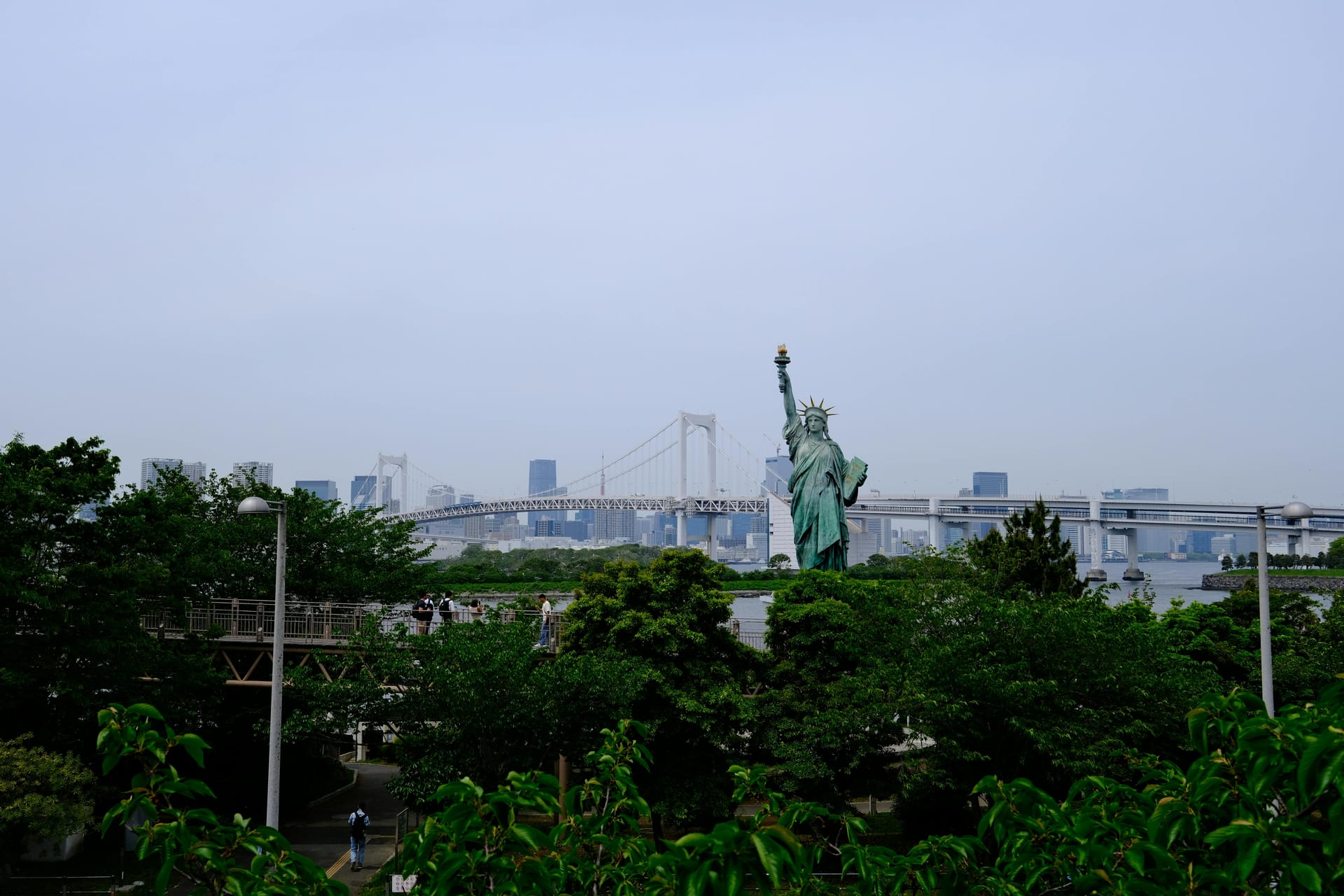
Odaiba
Odaiba is a man-made island in Tokyo Bay known for Rainbow Bridge views, waterfront shopping malls, and family-friendly indoor attractions, best visited for a few hours in the afternoon through sunset.
Explore →
Ginza
Ginza is Tokyo's most prestigious shopping and dining district, featuring flagship stores of the world's top luxury brands alongside Japanese department stores and galleries. It is Tokyo's equivalent of the Champs-Elysees.
Explore →
Harajuku and Takeshita Street
Harajuku is Tokyo's center of youth fashion and pop culture, with pedestrian Takeshita Street packed with quirky boutiques, crepe stands, and kawaii culture. It is the birthplace of some of Japan's most iconic fashion trends.
Explore →
Roppongi Hills
Roppongi Hills is a landmark urban development in Minato housing the Mori Art Museum, the Tokyo City View observation deck, luxury shops, restaurants, and public art. It is a major center for contemporary art and nightlife.
Explore →
Tokyo Disneyland
Tokyo Disneyland is the first Disney park built outside the United States and is consistently ranked among the world's best theme parks. It features beloved classic lands and world-exclusive attractions.
Explore →
Tokyo DisneySea
Tokyo DisneySea is a completely unique Disney park built around nautical and mythological themes, widely considered the best Disney park in the world. It features stunning architecture and attractions found nowhere else.
Explore →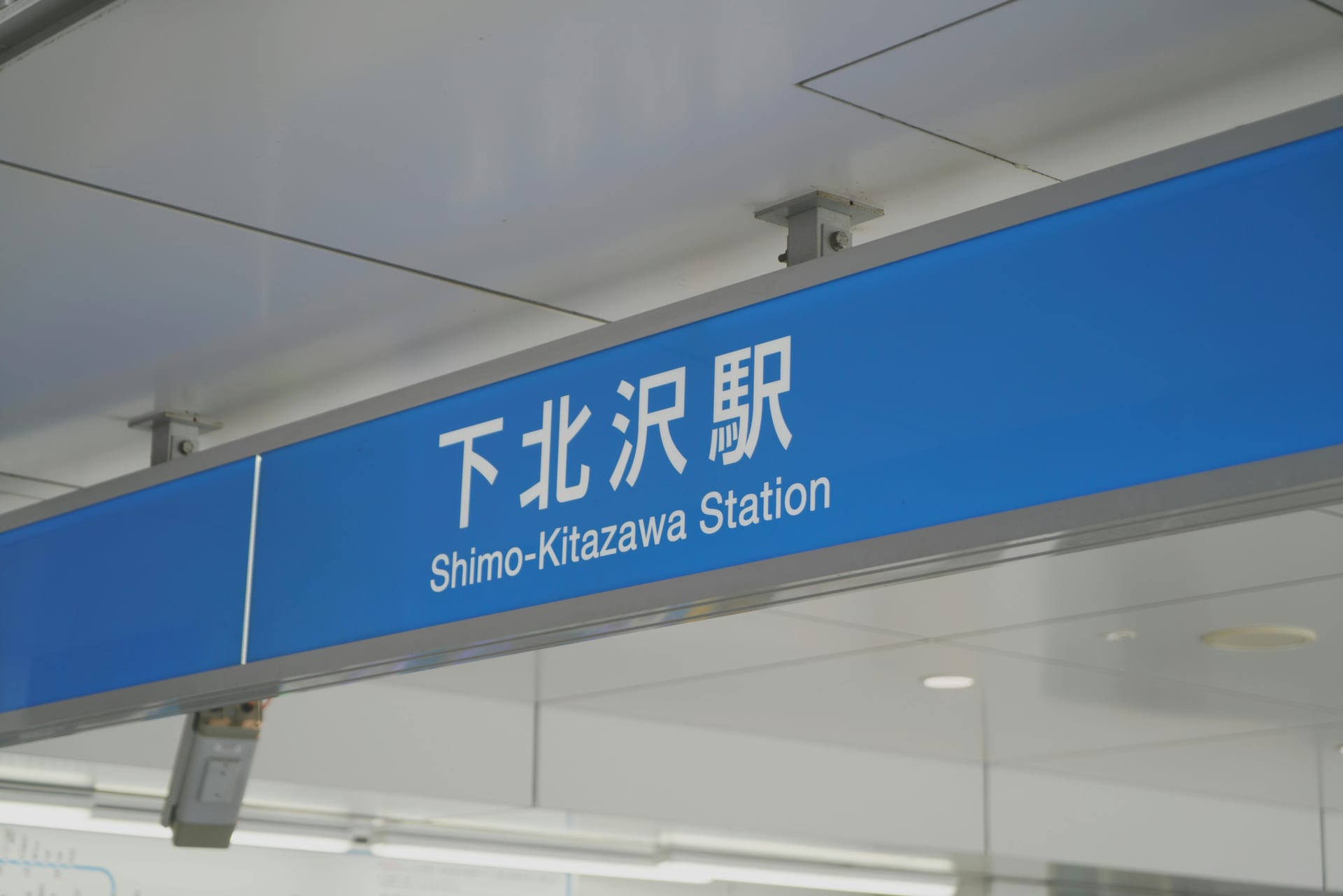
Shimokitazawa
Shimokitazawa is Tokyo's most beloved bohemian neighborhood, packed with vintage clothing stores, independent cafes, live music venues, and intimate theater spaces in a maze of pedestrian lanes that has resisted the city's commercial tide.
Explore →
Yanaka
Yanaka is one of Tokyo's best-preserved old-town neighborhoods, where narrow lanes, artisan shops, Buddhist temples, and a historic cemetery preserve the atmosphere of Edo-era shitamachi that most of the city lost to wartime bombing and postwar redevelopment.
Explore →
Toyosu Market
Toyosu Market is Tokyo's modern wholesale seafood market in Koto, the successor to Tsukiji's wholesale trading and tuna auctions since 2018. Visitors can watch the tuna auction from an observation deck, eat at relocated Tsukiji-area sushi restaurants, and browse the Uogashi Yokocho shops.
Explore →
Toyosu Senkyaku Banrai
Toyosu Senkyaku Banrai is a free-to-enter, Edo-themed food hall and shopping street built directly beside Toyosu Market in Koto, Tokyo. It houses around 70 restaurants and shops, a free rooftop footbath with Tokyo Bay views, and the paid Tokyo Toyosu Manyo Club onsen, and it stays open later than Toyosu Market itself, including on days the market is closed.
Explore →
Kabukicho
Kabukicho is Shinjuku's largest entertainment district in Tokyo, a dense area of restaurants, karaoke buildings, arcades, cinemas, and izakayas, free to walk through. It's physically safe, with the main risk being overcharging scams from street touts rather than violence, and it's genuinely different from its two most commonly confused neighbors, Golden Gai and Omoide Yokocho.
Explore →
Hachiko Statue
The Hachiko Statue is a free, 24-hour bronze memorial outside Shibuya Station's Hachiko Exit, honoring Hachiko, the Akita dog who kept waiting for his deceased owner. The current statue dates to 1948, replacing the original 1934 statue lost to a WWII metal drive. It sits directly beside Shibuya Crossing, and most visitors spend 10-20 minutes here.
Explore →
Omotesando
Omotesando is a free, tree-lined boulevard in Tokyo's Harajuku and Aoyama area, originally built as the formal approach to Meiji Shrine. Known internationally as an architectural showcase street, it's lined with flagship buildings by Tadao Ando, SANAA, and Toyo Ito alongside luxury stores like Dior, Tod's, and Prada, and it spans both Shibuya-ku and Minato-ku.
Explore →
Sunshine City
Sunshine City is a large multi-building entertainment and shopping complex in Ikebukuro, combining shopping floors, restaurants, the indoor Namjatown amusement park, the Sunshine 60 Observatory, Sunshine Aquarium, and the largest Pokemon Center in Japan. It is not a single ticketed attraction; each facility inside keeps its own separate hours and admission.
Explore →
Omoide Yokocho
Omoide Yokocho, also called Memory Lane, is a narrow postwar-era alley of roughly 60 small yakitori and motsuyaki restaurants by Shinjuku Station's west exit, about 1-2 minutes on foot. It's free to walk through, cash is commonly preferred though some shops accept cards, and hours vary by shop rather than following one set schedule. It's genuinely a food destination, not only a drinking spot.
Explore →
Golden Gai
Golden Gai is a historic cluster of six narrow alleys in Shinjuku packed with roughly 200 to close to 300 tiny themed bars, most seating only a handful of people. It dates to a 1945 postwar black market and later became a gathering place for writers and artists. Some bars are members-only, others explicitly welcome tourists; most open around 8pm. It's a 5-minute walk from Shinjuku Station's east exit, right beside Kabukicho.
Explore →
Kabukiza Theatre
Kabukiza Theatre is Japan's principal kabuki theatre, located in Ginza and operated by Shochiku. Visitors can attend a full multi-hour performance or buy same-day, non-reservable single-act tickets to see one scene at a lower cost and time commitment. Current English support is a paid tablet captioning service; the earlier earphone guide was discontinued in 2015.
Explore →
Kappabashi Kitchen Street
Kappabashi Kitchen Street is a roughly 800-meter shopping street of about 160-170 independent kitchenware and restaurant-supply shops in Taito-ku, between Asakusa and Ueno. It's free to walk, with knives, ceramics, cookware, and food-sample replicas as the main draws, but there's no single opening time or closure day since every shop sets its own hours.
Explore →
Nakamise Shopping Street
Nakamise Shopping Street is a 250-meter pedestrian shopping street of about 89 shops connecting Kaminarimon Gate to Senso-ji Temple's Hozomon Gate in Asakusa. It's a distinct destination from Senso-ji itself, free to walk, selling traditional snacks, souvenirs, and crafts on hours that vary shop by shop.
Explore →
Tokyo Dome City
Tokyo Dome City is a large entertainment complex in Bunkyo built around the Tokyo Dome stadium, distinct from the stadium itself. It includes an amusement park, the LaQua shopping, dining, and spa zone, and several museums. The complex grounds and LaQua's shops are free to enter; rides and Spa LaQua are priced separately.
Explore →
DiverCity Tokyo Plaza
DiverCity Tokyo Plaza is a free-to-enter shopping and entertainment complex in Odaiba, Koto, home to Gundam Base Tokyo and, until its confirmed removal on August 31, 2026, the life-size Unicorn Gundam statue. Roughly 150 stores, a food court, Round1 Stadium, and Zepp DiverCity fill its seven retail floors.
Explore →
Tokyo Joypolis
Tokyo Joypolis is SEGA's indoor amusement park inside Decks Tokyo Beach in Odaiba, featuring virtual reality rides, a roller coaster, interactive attractions, and arcade entertainment spread across three floors. It is the last remaining Joypolis still operating in Japan.
Explore →
Tokyo Character Street
Tokyo Character Street is a free, ticket-free shopping street inside Tokyo Station's Ichibangai underground mall, home to more than 30 official character shops including Pokemon Store Tokyo Station, Donguri Kyowakoku, and JUMP SHOP. It's an easy stop for anime and character fans passing through Tokyo Station.
Explore →
Azabudai Hills
Azabudai Hills is Mori Building's free-to-enter mixed-use complex in Minato, Tokyo, built around Mori JP Tower, Japan's tallest building. Opened in November 2023, it combines terraced gardens, roughly 150 shops and restaurants, and teamLab Borderless, a separately ticketed museum inside Garden Plaza B. It's a distinct complex from the older, nearby Roppongi Hills.
Explore →
Tokyo Midtown
Tokyo Midtown is Mitsui Fudosan's mixed-use complex in Akasaka/Roppongi, Minato, opened in March 2007 around Midtown Tower. Its free-to-enter Galleria, garden, and Fujifilm Square sit alongside the separately ticketed Suntory Museum of Art and 21_21 Design Sight. It is a distinct complex from the nearby Roppongi Hills and from its own Tokyo Midtown Hibiya and Tokyo Midtown Yaesu siblings.
Explore →
Kichijoji
Kichijoji is a Musashino City neighborhood built around Inokashira Park, three distinct shopping streets, and a dense cafe and bar scene, consistently ranked among Tokyo's most desirable places to live and an easy pairing with the nearby Ghibli Museum.
Explore →
Nakano Broadway
Nakano Broadway is a shopping building in Nakano, western Tokyo, open since 1966 and best known as the home of Mandarake's secondhand manga, anime, and collectibles shops. Free to enter and browse across four shopping floors, it's widely considered a calmer, generally cheaper alternative or complement to Akihabara.
Explore →
Ikebukuro
Ikebukuro is a major entertainment, shopping, and transportation-hub district in Toshima Ward, built around one of the world's busiest railway stations. It is known for Otome Road's anime and manga shopping scene, Animate's record-holding flagship store, Sunshine City, and a calmer, more local counterpart to Akihabara for otaku culture.
Explore →Kyoto
View Kyoto guide →
Gion District
Gion is the historic geiko district of Kyoto, east of the Kamo River around Hanamikoji-dori and the Shirakawa canal, next to Yasaka Shrine. Its streets of wooden teahouses are free to walk, while the private lanes off Hanamikoji are signposted no entry for sightseers.
Explore →
Nishiki Market
Nishiki Market is a covered food street about 390 meters long in central Kyoto, running along Nishikikoji-dori with fish, pickle, tofu and yuba, produce, sweet and kitchenware shops. A licensed fish market since 1615, it is known as "Kyoto's Kitchen".
Explore →
Sannenzaka and Ninenzaka
Sannenzaka and Ninenzaka are stone-stepped lanes below Kiyomizu-dera in Kyoto's Higashiyama district, lined with late-Edo to Taisho-era townhouses. They lie in the Sanneizaka preservation district, designated for its historic townscape in 1976.
Explore →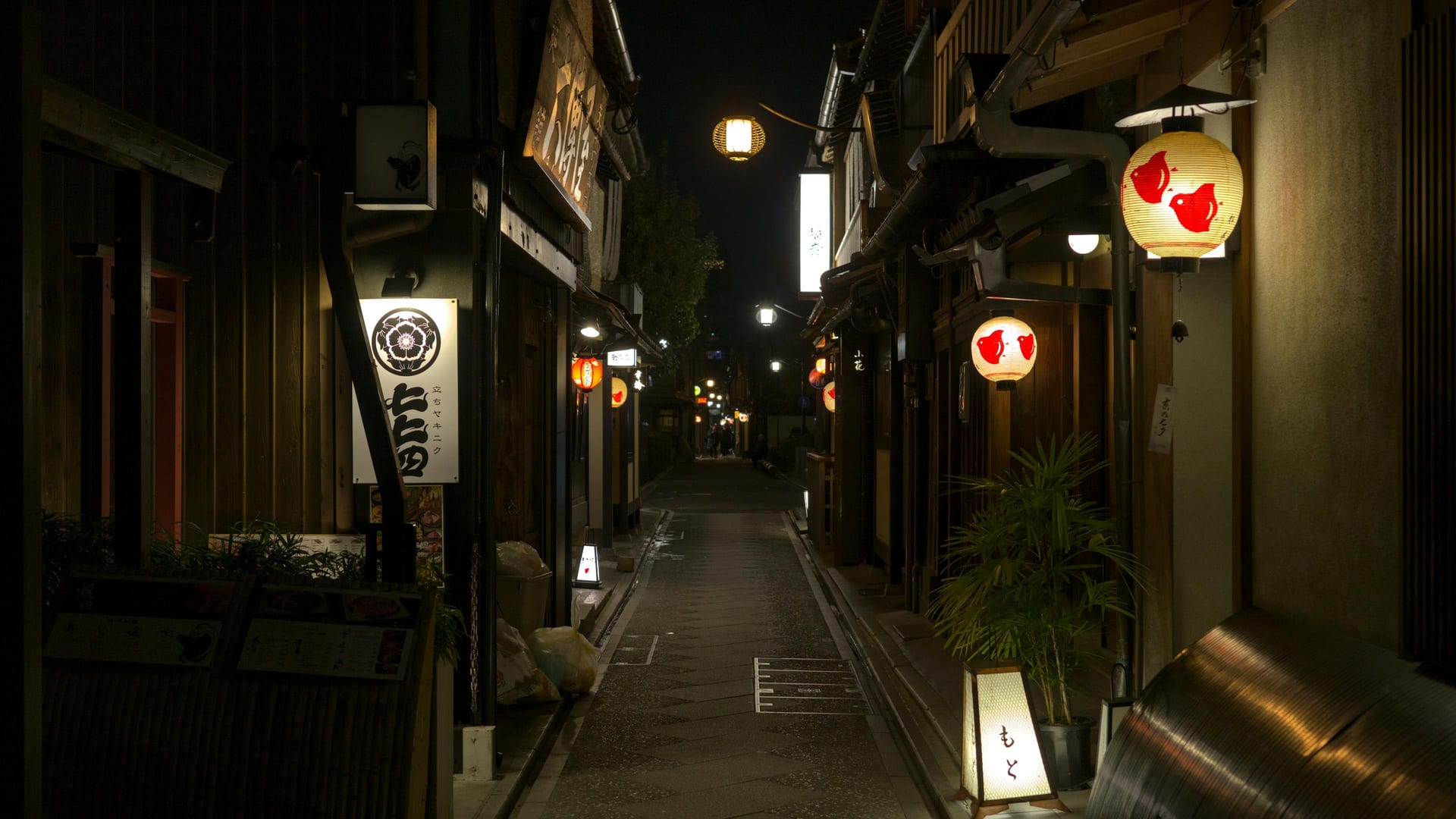
Pontocho Alley
Pontocho is a narrow, lantern-lit street of restaurants, bars and teahouses between Sanjo and Shijo beside the Kamo River, and one of Kyoto's five geisha districts. Its riverside restaurants put out yuka platforms from May 1 to October 15.
Explore →Osaka
View Osaka guide →
Dotonbori
Osaka's most iconic entertainment district, famous for neon lights, canal views, giant 3D signboards, and street food culture.
Explore →
Universal Studios Japan
Osaka's major theme park: Super Nintendo World, The Wizarding World of Harry Potter and headline rides, with separate admission, Express Pass and area-entry systems to plan around.
Explore →
Shinsekai and Tsutenkaku Tower
Retro Osaka atmosphere with nostalgic streets, neon signs, kushikatsu restaurants, and the famous Tsutenkaku Tower.
Explore →
Shinsaibashi Shopping Street
A long covered shopping arcade blending luxury stores, fashion, cafes, and Osaka street culture.
Explore →
Kuromon Ichiba Market
One of Osaka's most famous food markets known for seafood, wagyu beef, sushi, and local snacks.
Explore →
Osaka Bay and Tempozan Harbor Village
A waterfront district with a giant ferris wheel, shopping, bay cruises, and scenic harbor views.
Explore →
Amerikamura
Osaka's streetwear and vintage-clothing district on the west side of Shinsaibashi Station, centered on Triangle Park. A neighborhood of independent shops, cafes, and evening venues, not a single attraction.
Explore →
Hozenji Yokocho
A narrow stone-paved alley of small restaurants and bars beside Hozenji Temple in Namba. A dining street, not a ticketed attraction, and best after dark.
Explore →
Tenjinbashisuji Shopping Street
A roofed shopping arcade of roughly 2.6 kilometers in Osaka's Kita Ward, known for everyday local shops and snack counters. A district, not a ticketed attraction, and easiest to sample near Osaka Tenmangu Shrine.
Explore →Sapporo
View Sapporo guide →
Susukino
Hokkaido's largest entertainment district, packed with ramen shops, izakayas, bars, and neon signs that define Sapporo's nightlife.
Explore →
Nijo Market
A compact, century-old seafood and produce market in downtown Sapporo, steps from Odori Park, known for crab, sea urchin, and seafood breakfast bowls.
Explore →
Tanukikoji Shopping Street
Hokkaido's oldest covered shopping arcade, a 900-meter, seven-block stretch of about 200 shops connecting Odori Park to Susukino, walkable in any weather.
Explore →
Sapporo Central Wholesale Market Curb Market
Sapporo's larger, more local seafood and produce market beside the city's wholesale market, known for crab, sea urchin, and better value than downtown's Nijo Market.
Explore →
Sapporo Factory
A historic shopping and dining complex built into the brick buildings of Japan's first brewery site, centered on a large glass atrium in central Sapporo.
Explore →Hiroshima
View Hiroshima guide →
Yokohama
View Yokohama guide →
Minato Mirai 21
Yokohama's futuristic waterfront district, home to Landmark Tower, the Cosmo Clock Ferris wheel, and a scenic harbor promenade.
Explore →
Yokohama Chinatown
Asia's largest Chinatown, packed with hundreds of restaurants, shops, and ornate ceremonial gates.
Explore →
Yokohama Cosmo World
A waterfront amusement park in Minato Mirai featuring the iconic Cosmo Clock 21 Ferris wheel and a range of rides.
Explore →
Yokohama Hakkeijima Sea Paradise
A free-to-enter island complex in Kanazawa-ku combining a large aquarium with oceanfront thrill rides, led by Surf Coaster Leviathan.
Explore →Kamakura
View Kamakura guide →
Enoshima Island
A small island in Fujisawa, a short Enoden ride from Kamakura, known for Enoshima Shrine, the Sea Candle observation tower, sea caves, and fresh shirasu seafood.
Explore →
Komachi Street
Kamakura's main pedestrian shopping and food street, running from Kamakura Station's east exit toward Tsurugaoka Hachimangu Shrine, lined with roughly 250 independent shops.
Explore →Fukuoka
View Fukuoka guide →
Nakasu Yatai Food Stalls
Fukuoka's famous open-air food stall district along the Nakagawa River, serving Hakata ramen, yakitori, and oden after dark.
Explore →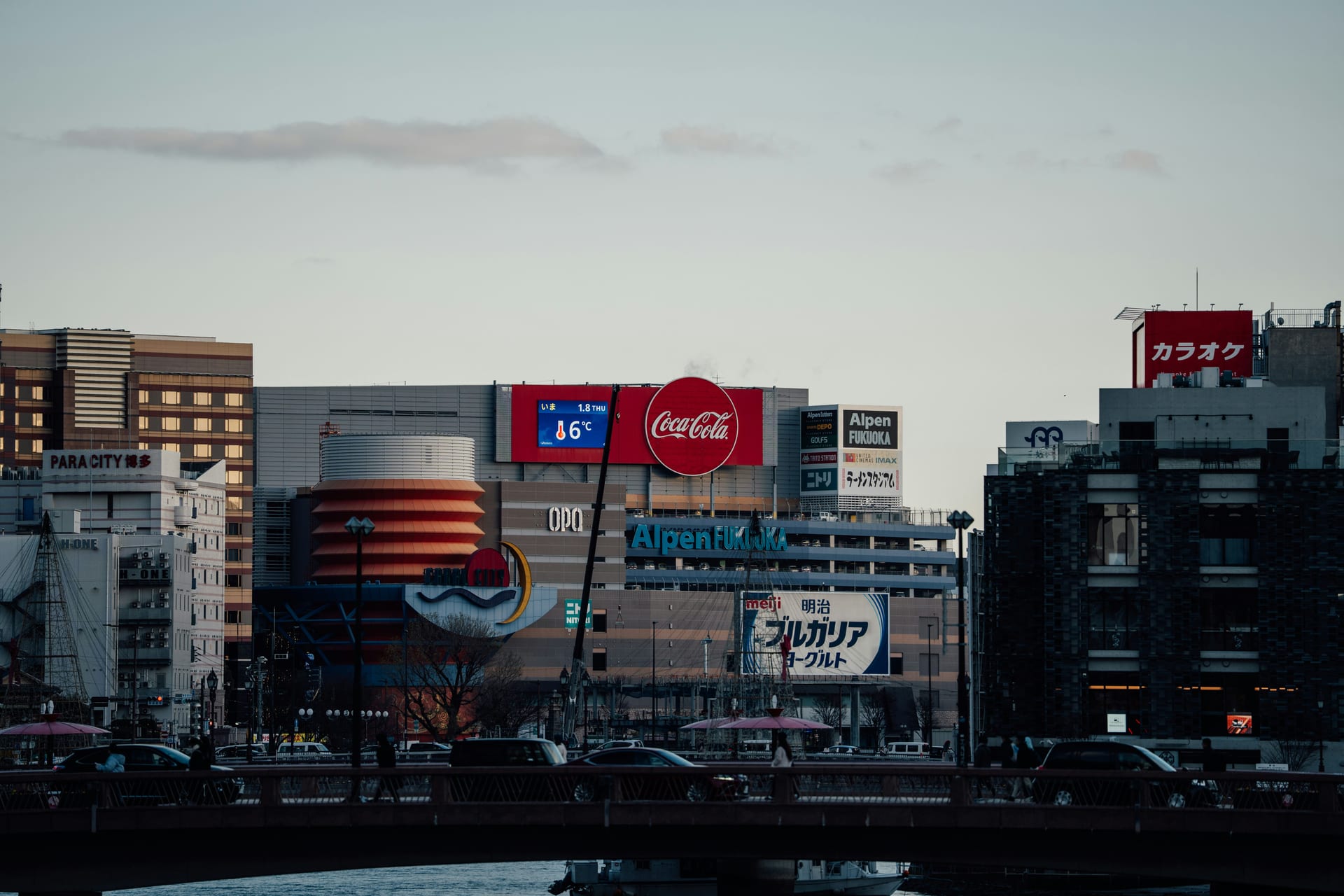
Canal City Hakata
A massive shopping, dining, and entertainment complex built around an indoor canal, with a famous fountain show and theater.
Explore →Mount Fuji
View Mount Fuji guide →
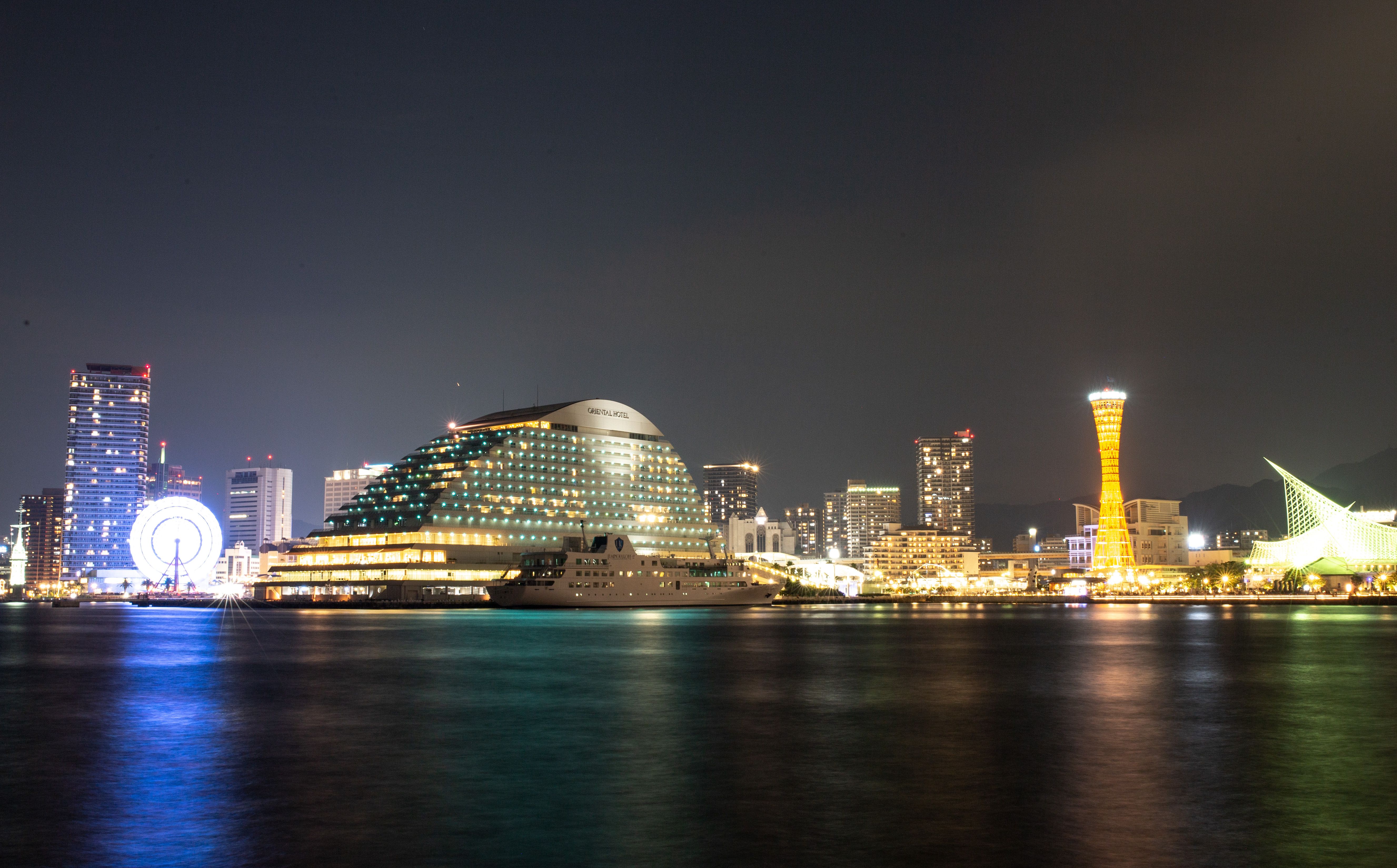
Kobe Harborland & Meriken Park
A waterfront district pairing the Harborland shopping and dining complex with the open harbor plaza of Meriken Park, home to the BE KOBE sign, Kobe Maritime Museum, and Kobe Port Tower.
Explore →
Kobe Chinatown (Nankinmachi)
A compact street district near Motomachi Station and one of Japan's three official Chinatowns, known for red paifang gates, street food stalls, and Chinese New Year festivals.
Explore →Nagoya
View Nagoya guide →
Osu Shopping District
A dense, 1,200-shop covered arcade district built around the 14th-century Osu Kannon Temple, mixing vintage clothing, electronics, anime and manga shops, and street food.
Explore →
LEGOLAND Japan Resort
A LEGO-themed family theme park at Kinjofuto in Nagoya's Minato-ku, with seven zones, roughly 40 rides built from about 17 million LEGO bricks, and a Miniland Japan section recreating famous Japanese landmarks in brick form.
Explore →Kanazawa
View Kanazawa guide →
Higashi Chaya District
Kanazawa's largest and best-preserved geisha district, two cobbled streets of Edo-period wooden teahouses now home to gold-leaf shops, cafes, and two teahouse museums.
Explore →
Omicho Market
Kanazawa's 300-year-old covered market, roughly 180 shops and stalls known locally as the city's kitchen for fresh Kaga vegetables, seafood, and crab.
Explore →Takayama
View Takayama guide →
Miyagawa Morning Market
A free, daily open-air market along the Miyagawa River in central Takayama, with about 60 stalls selling local produce, pickles, crafts, and souvenirs.
Explore →
Takayama Old Town (Sanmachi Suji)
A free, nationally protected Edo-period merchant district in central Takayama, its three preserved streets lined with dark-wood facades, working sake breweries, and craft shops.
Explore →Nagasaki
View Nagasaki guide →
Dutch Slope
A steep stone-paved street through Nagasaki's former Higashiyamate foreign settlement, lined with surviving Western-style houses and free to walk at any hour.
Explore →
Nagasaki Shinchi Chinatown
One of Japan's three major Chinatowns, a compact cross-shaped pedestrian district of Chinese restaurants and shops where champon and sara udon originated.
Explore →Matsumoto
View Matsumoto guide →
Nawate Street
A free, pedestrian-only street along the Metoba River near Matsumoto Castle, known as Frog Street for its verified 1971 Kaeru Daimyojin origin, lined with casual shops and food stalls.
Explore →
Nakamachi Street, Matsumoto
A free former merchant street in Matsumoto lined with kura storehouse buildings and black-and-white namako-kabe walls, rebuilt after an 1888 fire, now home to craft shops, galleries, and cafes. Unlike nearby Nawate Street, it is not pedestrian-only.
Explore →Explore Other Categories
Plan Your Visit
Build these stops into a full itinerary, or browse every destination they belong to.