




14 Days
Best for: First-Time
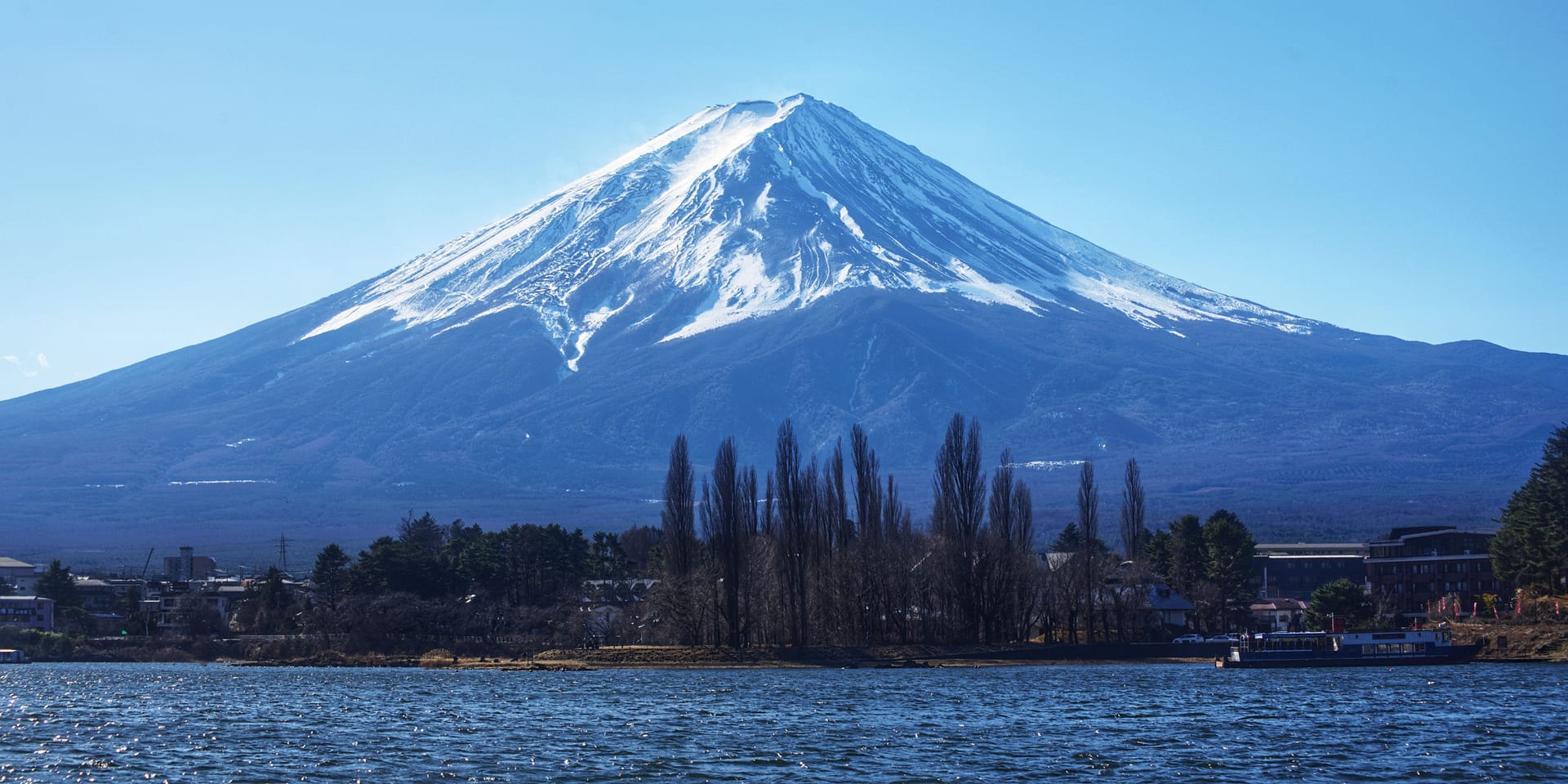
The Classic Japan: 2 Weeks in Tokyo, Kyoto & Osaka
The perfect first-timer route through Japan's greatest cities
Tokyo · Hakone · Kyoto · Osaka
#Mid-Range
From$3,200/person
View Tokyo route →
Tokyo is Japan's capital and the world's most populous metropolitan area, offering a unique combination of ancient temples, cutting-edge technology, world-class food, and seamless public transport. No other city on earth packs neon-lit skyscrapers, renowned food culture, world-class shopping, and centuries of history into a single subway map the way Tokyo does. The city is defined by contrasts, from the historic temples of Asakusa and peaceful Meiji Shrine to the cutting-edge technology, entertainment, and energy of Shibuya, Shinjuku, and Akihabara. Whether you're a first-time visitor seeking iconic landmarks or a returning traveler looking to experience a different side of Japan, Tokyo offers something for every type of traveler. Below you'll find everything you need to plan your Tokyo trip, from top attractions and neighborhoods to timing, transport, and where to stay.
•5 min read
Tokyo's top attractions range from skyline viewpoints and historic temples to neon crossings, traditional markets, gardens, museums, and pop culture districts.
View all Tokyo attractions →
Asakusa / Taito

Harajuku / Shibuya

Shibuya
 Must-See
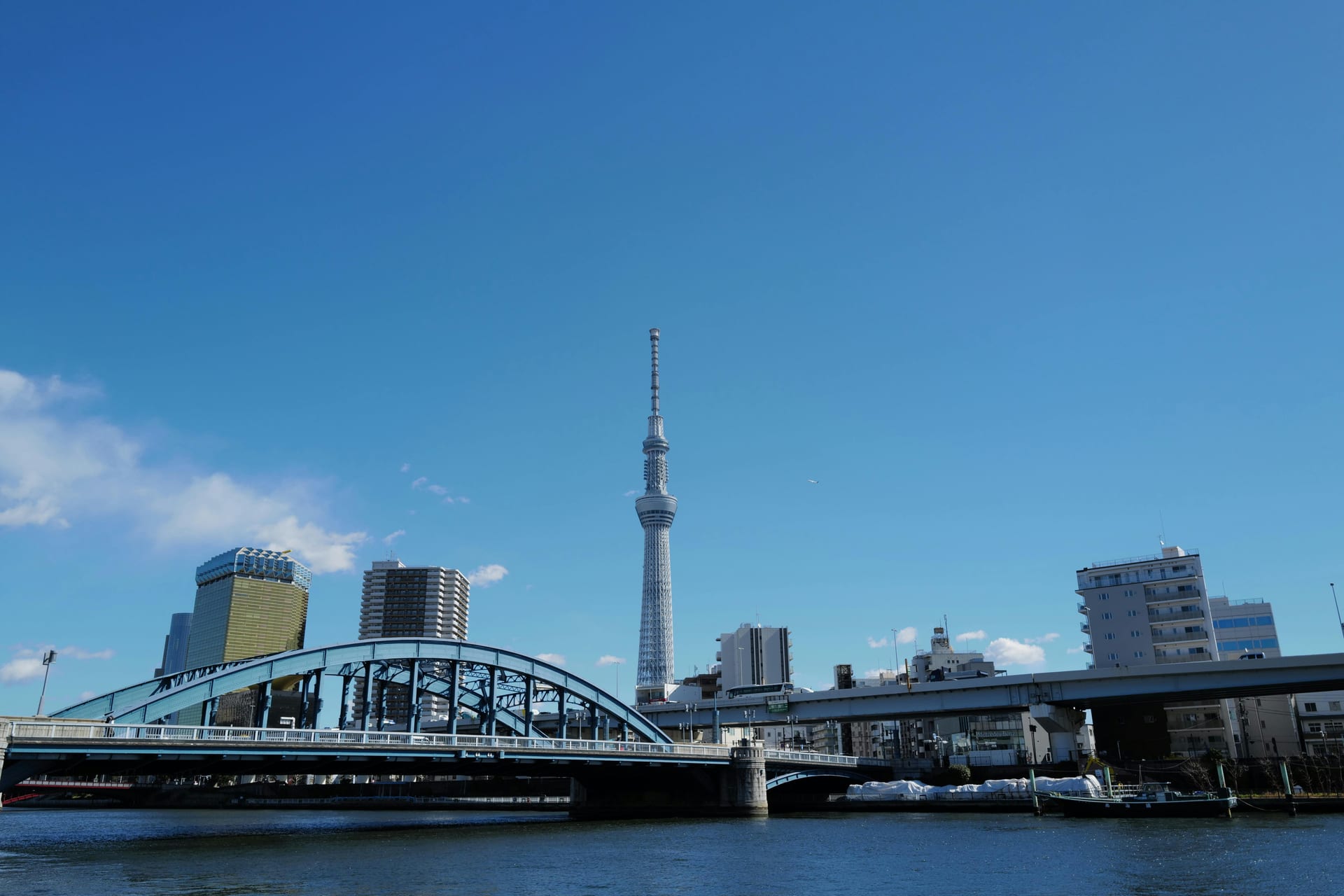
Asakusa / Sumida

Shinjuku

Shinjuku

Shinjuku

Akihabara / Chiyoda

Tsukiji / Chuo

Toshimaen / Nerima

Ueno / Taito

Chiyoda

Ginza / Chuo

Harajuku / Shibuya

Toyosu / Koto

Roppongi / Azabu

Shiba / Minato
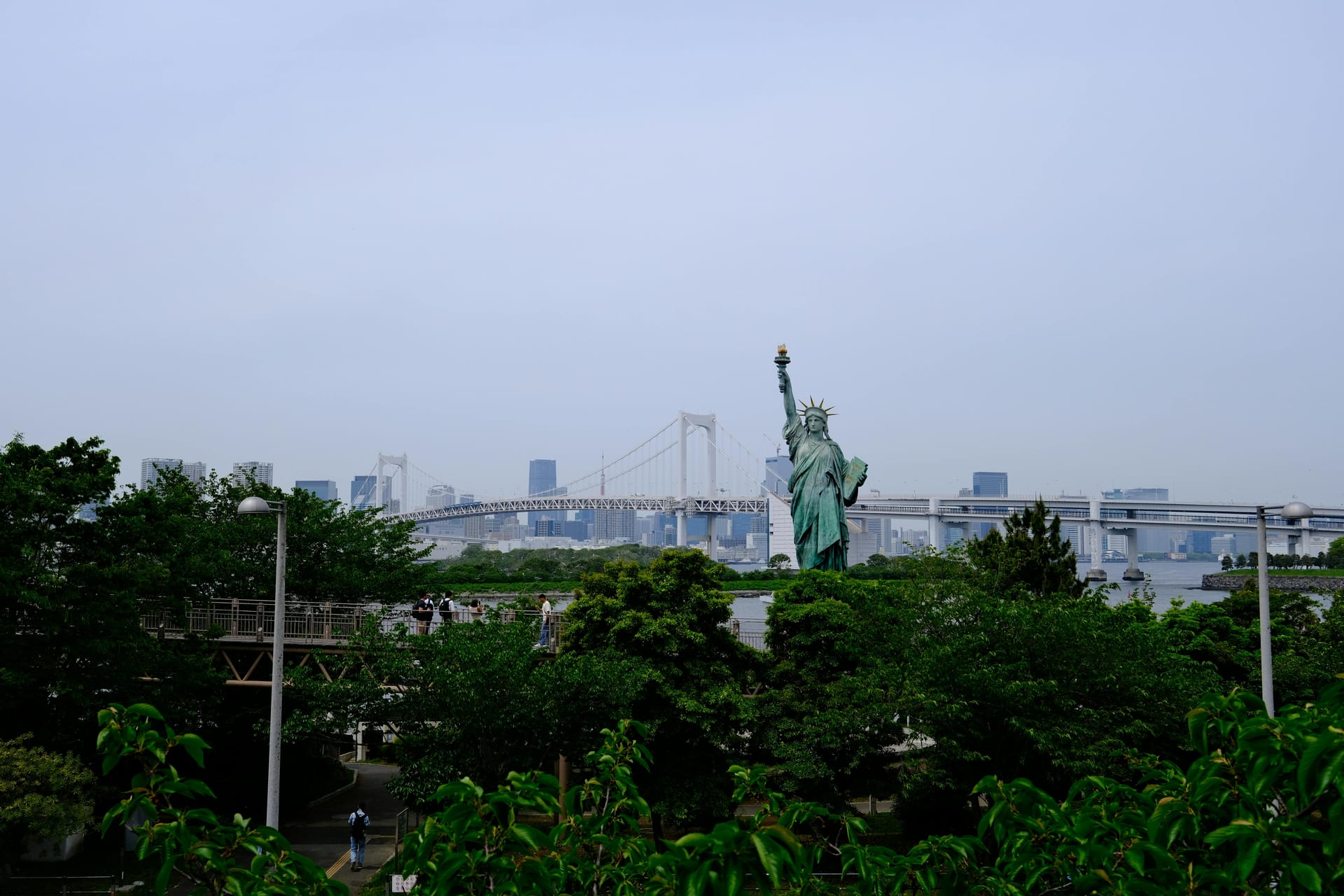
Odaiba / Minato

Urayasu, Chiba

Urayasu, Chiba
Quick Answer
Tokyo is the world's most Michelin-starred city, one of the safest major capitals, and a place where ancient shrines, cutting-edge technology, and world-class food coexist within the same subway map. It suits every travel style and budget.
Tokyo is worth visiting because it offers more variety, depth, and sheer scale of experience than any other city in Japan, combining centuries of cultural heritage with world-leading food, technology, fashion, and entertainment. As the nation's capital, it combines historic temples, traditional neighborhoods, cutting-edge architecture, world-famous cuisine, and vibrant entertainment districts within a single city. Visitors can spend the morning exploring centuries-old landmarks such as Senso-ji Temple or Meiji Shrine and the evening enjoying panoramic skyline views from Tokyo Skytree or Shibuya Sky.
More Michelin-starred restaurants than any city on earth.
Tokyo holds more Michelin stars than any city on earth, with options ranging from local ramen shops, sushi counters, and lively food markets to multi-course omakase experiences. Each district has its own personality, whether it's the fashion and youth culture of Harajuku, the electronics and anime scene of Akihabara, the luxury shopping of Ginza, or the energetic crossings and nightlife of Shibuya and Shinjuku.
Beyond its attractions, Tokyo is remarkably clean, safe, and easy to navigate, making it an excellent destination for first-time visitors to Japan. Seasonal highlights such as cherry blossoms in spring, summer festivals, autumn foliage, and winter illuminations ensure there is always something new to experience. For many travelers, Tokyo serves as both an unforgettable destination and the perfect introduction to Japan.
Quick Answer
From Narita Airport, the Narita Express (N'EX) is the best option: ¥3,070, 50–60 minutes to Tokyo Station, and covered by the JR Pass. From Haneda Airport, the Tokyo Monorail (¥500, 15–20 min) or Keikyu Line (¥330–¥600, 15–25 min) are the fastest and cheapest options.
Tokyo is served by two international airports: Haneda (HND), 20–30 minutes from the city center, and Narita (NRT), 50–90 minutes away. For most travelers, the Narita Express (N'EX) train is the best option from Narita, while the Tokyo Monorail or Keikyu Line serves Haneda. Haneda is generally preferred for convenience, though Narita often offers more international flight options and competitive fares.
Haneda (HND)
Narita (NRT)
50–60 min to Tokyo Station
¥3,070 (~$21 USD)
Direct service to major stations including Tokyo, Shinagawa, Shibuya, Shinjuku, and Yokohama. All seats are reserved and luggage storage is available onboard.
Best for: First-time visitors and JR Pass holders
Recommended
For most first-time visitors flying into Narita, the Narita Express offers the best balance of speed, comfort, and convenience. If you hold a Japan Rail Pass, it becomes an even better value as the entire journey is covered at no additional cost.
This covers airport access only. For subway lines, IC cards, tickets, and rush hour, see the full transportation guide.
Read the full Getting Around Tokyo guide →Quick Answer
The best times to visit Tokyo are spring (March–May) for cherry blossoms and autumn (October–November) for fall foliage and comfortable temperatures. Avoid Golden Week (late April–early May), Obon (mid-August), and New Year (late December–early January) due to peak crowds and higher prices.
The best time to visit Tokyo is spring (March to May) or autumn (October to November), when temperatures are comfortable, skies are clear, and seasonal events such as cherry blossoms and autumn foliage are at their peak.
Spring (March–May) is Tokyo's most popular season. Cherry blossoms typically bloom from late March to early April, transforming parks such as Ueno Park, Shinjuku Gyoen, and Chidorigafuchi into spectacular pink landscapes. Temperatures usually range from 50°F–75°F (10°C–24°C), making it ideal for sightseeing.
Autumn (October–November) is often considered the best overall season. The summer humidity has disappeared, temperatures are pleasant, and colorful autumn foliage fills gardens, temples, and parks across the city. This is an excellent time for walking tours, day trips, and outdoor attractions.
Summer (June–August) can be challenging for many visitors. June brings the rainy season, while July and August are often hot and humid, with temperatures frequently exceeding 86°F (30°C). However, summer is also festival season, with fireworks displays, matsuri festivals, and vibrant nightlife events.
Winter (December–February) is generally mild compared to many North American cities. Temperatures typically range from 35°F–55°F (2°C–13°C), and clear skies make it a good time to visit popular attractions with fewer crowds.
If possible, avoid visiting during Golden Week (late April to early May), Obon holiday (mid-August), and the New Year period (late December to early January). These are among Japan's busiest travel seasons, resulting in crowded attractions, fully booked hotels, and higher accommodation prices.
For most international travelers, late March to early April for cherry blossoms and late October to November for autumn colors offer the best balance of weather, scenery, and sightseeing opportunities.
Quick Answer
Shinjuku is the best base for most first-time visitors, with excellent transport links, wide price range, and central location. Asakusa suits those wanting a traditional atmosphere; Tokyo Station area is best for day-trippers; Ginza is ideal for luxury travelers.
The best areas to stay in Tokyo are Shinjuku, Shibuya, Asakusa, and the Tokyo Station area, each suiting a different travel style and budget.
Best for: First-timers & transport access
Best for: Fashion, pop culture & nightlife
Best for: Day-trippers & luxury stays
Best for: Traditional atmosphere & value
Best for: Luxury travelers
Discover More Around Tokyo
Day-by-day Japan routes that include Tokyo
Best for: First-Time
The perfect first-timer route through Japan's greatest cities
Tokyo · Hakone · Kyoto · Osaka
From$3,200/person
View Tokyo route →
Best for: Couple
A spring route timed to peak sakura season through Tokyo, Nikko, Kyoto & Osaka
From$2,800/person
View Tokyo route →
Best for: Backpacker
Two weeks through Tokyo, Kyoto & Osaka without sacrificing the highlights
From$1,800/person
View Tokyo route →Free Itinerary Builder
Choose Tokyo attractions, organize them by day, and see opening hours, admission fees and your trip pace in one place.
Guides and tools for the parts of a Tokyo trip that take the most planning
Browse curated itineraries that include Tokyo, or build your own with our free planning tools.
Next: Explore all attractions in Tokyo or browse nearby destinations.
Back to All Destinations →