Hiroshima at a Glance
Visiting Hiroshima: A City of Peace, Resilience, and Renewal
Hiroshima is a city that has transformed from the site of one of history's most devastating events into a symbol of peace, resilience, and renewal, home to two UNESCO World Heritage Sites within day-trip distance of each other. Alongside its important historical landmarks, Hiroshima offers scenic waterfronts, vibrant shopping districts, excellent local cuisine, and easy access to natural treasures such as Miyajima Island and the iconic floating torii gate of Itsukushima Shrine. Travelers interested in history, culture, food, and some of western Japan's most memorable landscapes will find plenty to fill an itinerary here. Continue reading to discover the attractions, neighborhoods, and experiences that make Hiroshima an essential stop on any Japan itinerary.
•8 min read
Top Attractions in Hiroshima
The must-see sights, ranked by traveler impact
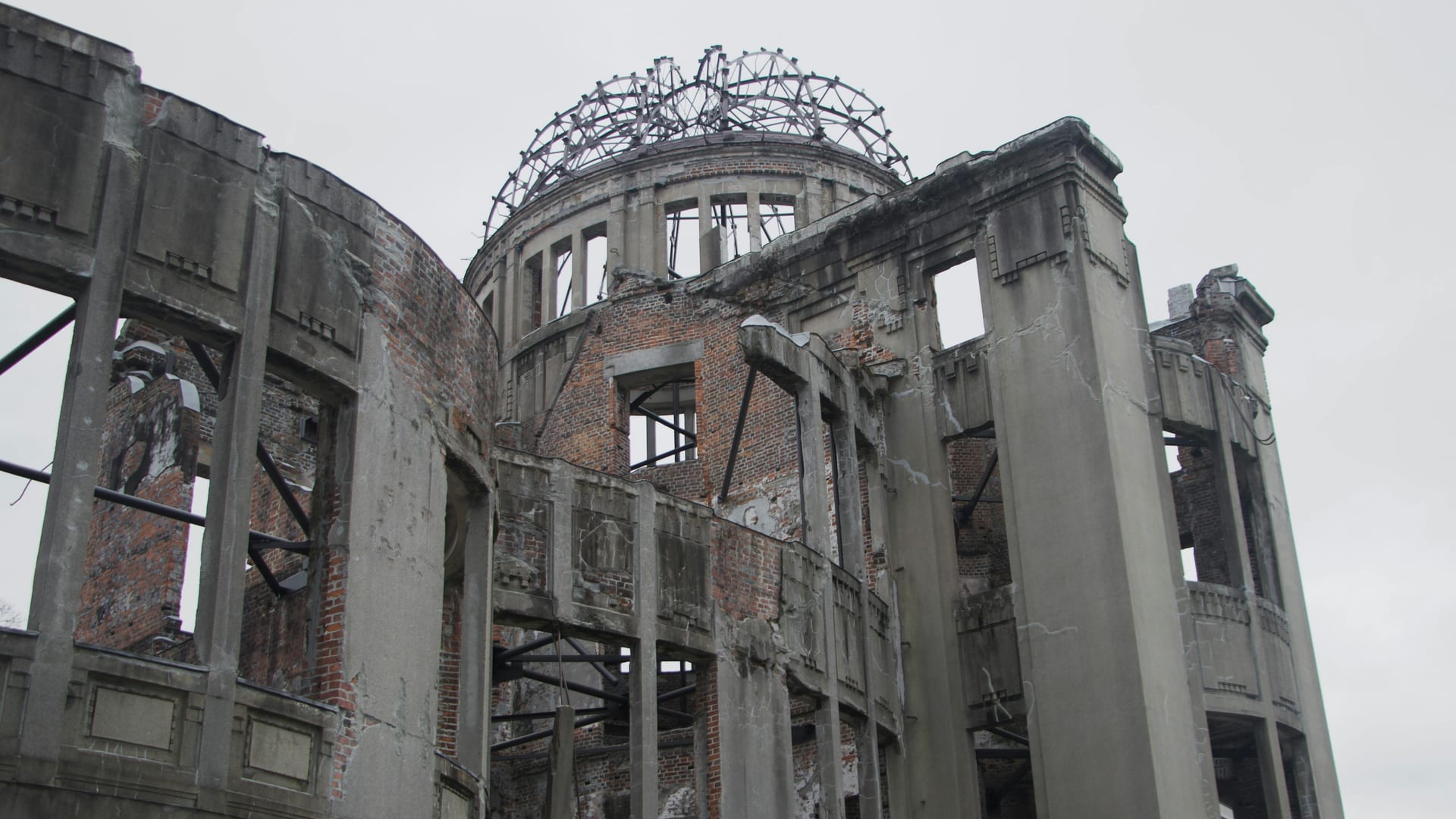
Must-SeeAtomic Bomb Dome
Editor's PickHiroshima Castle

Hiroshima Peace Memorial Park

Miyajima Island

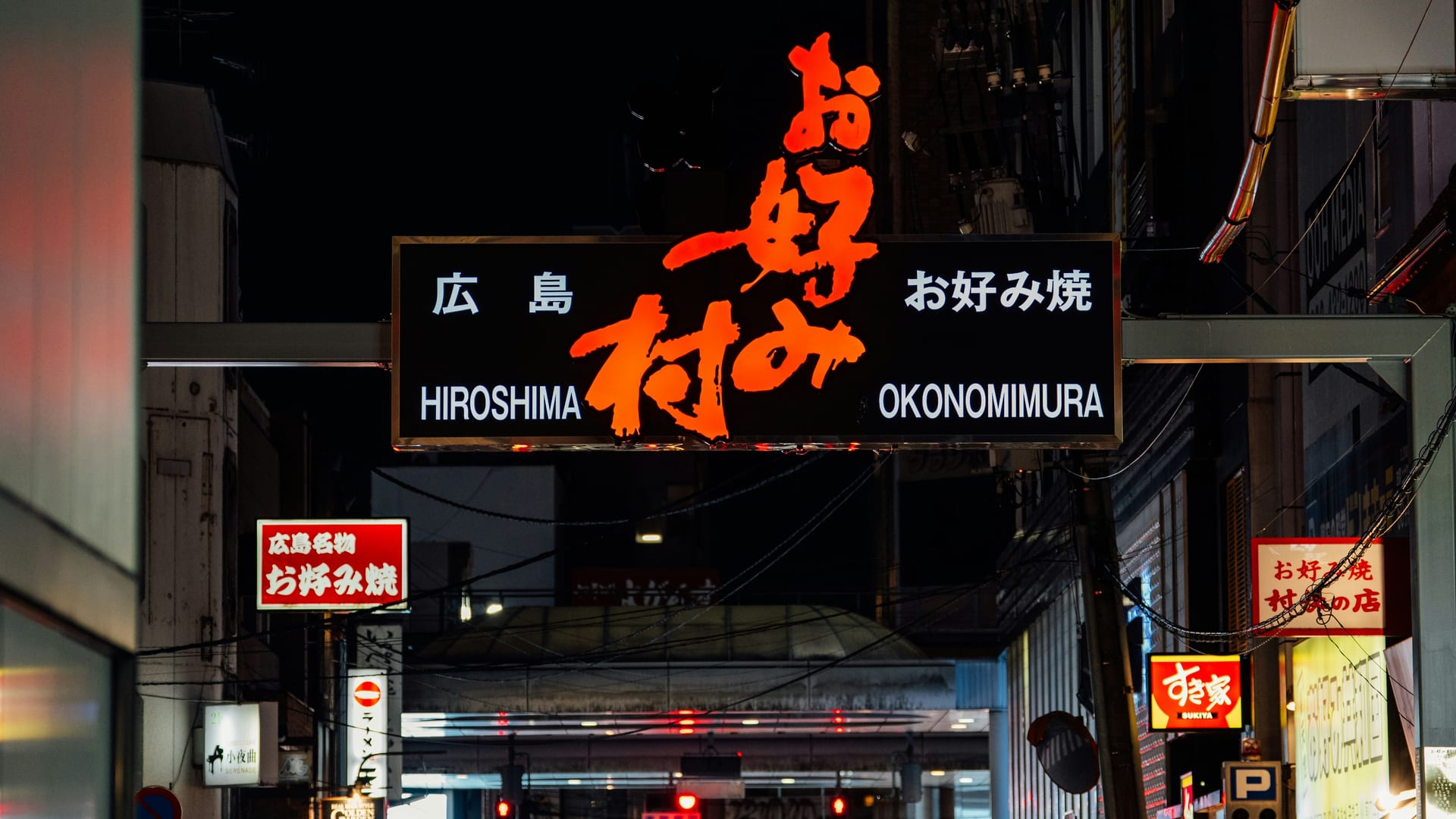
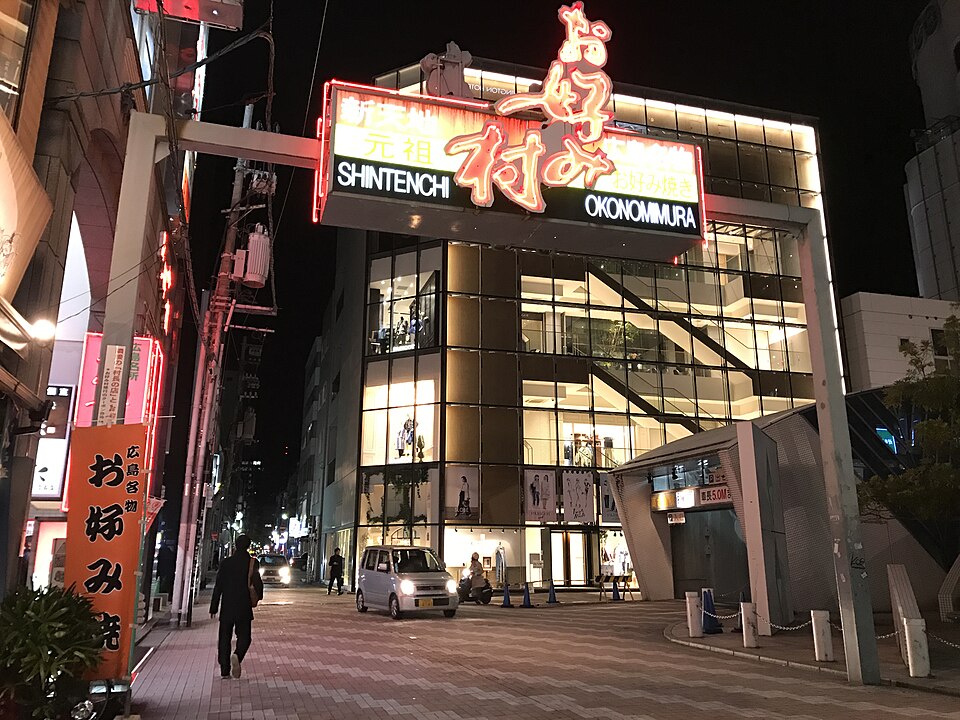
Okonomimura

Shukkeien Garden
Why Visit Hiroshima?
Quick Answer
Hiroshima pairs deeply meaningful history at the Peace Memorial Park with a thriving modern food scene and easy access to Miyajima Island's floating torii gate. It suits travelers interested in history, culture, and scenic day trips from Kyoto or Osaka.
Hiroshima is worth visiting because it offers one of Japan's most powerful and rewarding travel experiences, pairing the historical significance of the Peace Memorial Park with a thriving modern city and easy access to Miyajima Island's UNESCO-listed shrine. While the city is best known internationally as the site of the 1945 atomic bombing, visitors quickly discover a modern, welcoming destination that has rebuilt itself into a thriving cultural and economic center. The Hiroshima Peace Memorial Park and Atomic Bomb Dome provide important historical perspective, making the city a place for reflection as well as exploration.
Beyond its history, Hiroshima is known for its excellent food scene, particularly Hiroshima-style okonomiyaki, fresh oysters, and seafood from the Seto Inland Sea. The city also serves as the gateway to Miyajima Island, home to the UNESCO-listed Itsukushima Shrine and its famous floating torii gate, one of Japan's most recognizable landmarks.
Hiroshima appeals to travelers interested in history, culture, nature, and local cuisine. Compared with larger cities such as Tokyo and Osaka, it offers a more relaxed atmosphere while still providing excellent shopping, dining, and sightseeing opportunities. Its combination of historical significance, scenic beauty, and warm local character makes Hiroshima one of the most memorable destinations in Japan and a worthwhile addition to any itinerary through western Japan.
How to Get to Hiroshima
Quick Answer
The Sanyo Shinkansen is the fastest way to reach Hiroshima: about 1 hour 25 minutes from Osaka or 1 hour 40 minutes from Kyoto, fully JR Pass covered on Hikari/Sakura services. From Hiroshima Station, continue to Miyajima by JR train and ferry, both JR Pass covered.
Hiroshima is located in western Japan and is most often reached by Shinkansen, with the Sanyo line connecting it directly to Tokyo, Kyoto, Osaka, and Fukuoka. Travelers can also fly into Hiroshima Airport (HIJ), about 45–60 minutes from the city center.
| Airport | Distance | Travel Time | Best For |
|---|---|---|---|
| Hiroshima Airport (HIJ) | 50 km (31 miles) | 45–60 minutes | Domestic flights and limited international routes |
| Kansai International Airport (KIX) | 330 km (205 miles) | 2–3 hours | International travelers arriving in Kansai |
| Fukuoka Airport (FUK) | 280 km (174 miles) | 1–2 hours by Shinkansen | Travelers exploring western Japan |
From Hiroshima Airport (HIJ)
Getting to Hiroshima from Kyoto
Getting to Hiroshima from Osaka
Getting to Hiroshima from Fukuoka
Getting to Miyajima Island
Getting to Hiroshima from Tokyo
The Shinkansen is the most popular way to travel between Tokyo and Hiroshima, using the Tokaido and Sanyo Shinkansen lines.
JR Pass Coverage
- Hikari + Sakura combination: Fully covered by the JR Pass
- Nozomi Shinkansen: Requires a separate discounted supplement ticket available only to JR Pass holders, rather than being fully covered
Flights between Tokyo and Hiroshima take approximately 1 hour 30 minutes, but airport transfers often make the Shinkansen more convenient for city-center travel.
Arriving at Hiroshima Station
Hiroshima Station is the city's main transportation hub and offers easy access to:
- •Hiroshima Peace Memorial Park
- •Atomic Bomb Dome
- •Hiroshima Castle
- •Shukkeien Garden
- •Miyajima Island (via JR train and ferry)
- •Hiroshima's streetcar (tram) network, one of the largest still operating in Japan
Recommended
For most visitors, the Shinkansen is the fastest, most comfortable, and most convenient way to reach Hiroshima. Travelers coming from Osaka or Kyoto can arrive in under two hours, making Hiroshima an easy addition to any Japan itinerary. If you hold a Japan Rail Pass, Hiroshima offers excellent value because many of the city's key transportation routes, including the train and ferry to Miyajima, are fully covered.
Best Time to Visit Hiroshima
Quick Answer
Spring (late March–early April) for cherry blossoms and autumn (October–November) for foliage are Hiroshima's best seasons. August 6 brings the moving but crowded Peace Memorial Ceremony; book well ahead if visiting then.
The best time to visit Hiroshima is spring (March to May) for cherry blossoms or autumn (October to November) for comfortable weather and fall foliage, both offering ideal conditions for the city and Miyajima Island. Hiroshima is a rewarding destination throughout the year, offering a mix of historic sites, beautiful gardens, coastal scenery, and easy access to Miyajima Island.
Spring (March–May): Cherry Blossoms and Mild Weather
Spring is one of the most popular times to visit Hiroshima. Cherry blossoms typically bloom from late March to early April, bringing beautiful pink scenery to locations such as Hiroshima Peace Memorial Park, Hiroshima Castle, and Shukkeien Garden.
Temperatures usually range from 50°F–75°F (10°C–24°C), making it ideal for walking tours and day trips to Miyajima Island. Spring offers some of the most pleasant weather of the year, although hotel prices and visitor numbers increase during peak cherry blossom season.
Summer (June–August): Festivals and Memorial Events
Summer in Hiroshima is hot and humid, with temperatures often reaching 85°F–95°F (29°C–35°C). June is part of Japan's rainy season, while July and August bring festivals, fireworks, and cultural events.
The most significant event is the Hiroshima Peace Memorial Ceremony held annually on August 6, commemorating the atomic bombing of Hiroshima. Thousands of visitors gather for memorial services and lantern-floating ceremonies.
Autumn (October–November): Comfortable Weather and Fall Colors
Autumn is often considered the best overall time to visit Hiroshima. Temperatures are comfortable, humidity is low, and colorful foliage appears throughout the city and surrounding mountains.
Popular autumn foliage spots include Miyajima Island, Momijidani Park, Shukkeien Garden, and Mitaki Temple. Clear skies and mild temperatures make autumn perfect for sightseeing and photography.
Winter (December–February): Quiet and Peaceful
Winter is relatively mild compared to many parts of North America, with temperatures generally ranging from 35°F–55°F (2°C–13°C). While snow is uncommon in central Hiroshima, nearby mountain areas occasionally receive light snowfall.
Winter offers fewer tourists, lower hotel prices, and a more peaceful experience at major attractions such as the Atomic Bomb Dome and Miyajima Island.
Times to Avoid
If your travel dates are flexible, consider avoiding Hiroshima during the busiest periods.
Golden Week (Late April to Early May)
Golden Week is one of Japan's busiest holiday periods. Hotels, trains, ferries, and major attractions can become extremely crowded, especially on Miyajima Island.
Peak Cherry Blossom Weekends (Late March to Early April)
Cherry blossom weekends attract large crowds to Hiroshima Castle, Peace Memorial Park, and other popular sakura viewing locations.
Obon Holiday (Mid-August)
Obon is a major domestic travel period in Japan. Transportation and accommodations can become crowded, particularly around Hiroshima and Miyajima.
August 6 Peace Memorial Events
While this is one of the most meaningful times to visit Hiroshima, accommodations often book up well in advance and the city receives a large number of visitors attending memorial ceremonies.
Best Overall Months
For the best combination of weather, scenery, and sightseeing opportunities, visit Hiroshima during:
- Late March to early April for cherry blossoms
- October and November for autumn foliage and comfortable temperatures
- May for pleasant weather after cherry blossom crowds have departed
- December for quieter sightseeing and lower hotel prices
For most first-time visitors, October and November offer the best overall experience, combining beautiful autumn scenery, mild temperatures, and excellent conditions for exploring both Hiroshima City and nearby Miyajima Island.
Where to Stay in Hiroshima
Quick Answer
The Hiroshima Station area is the most convenient base for first-time visitors and day-trippers. Peace Memorial Park area suits sightseeing on foot, Hondori/Hatchobori suits food and nightlife, and an overnight stay on Miyajima Island offers the shrine without daytime crowds.
The best areas to stay in Hiroshima are the Hiroshima Station area, Peace Memorial Park area, Hondori and Hatchobori, and overnight on Miyajima Island, each suiting a different travel style and budget. Hiroshima is compact, easy to navigate, and much less overwhelming than Tokyo or Osaka.
Hiroshima Station Area
Best for: First-timers & JR Pass users
Peace Memorial Park Area
Best for: Sightseeing on foot
Hondori & Hatchobori
Best for: Food & nightlife
Miyajima Island
Best for: A traditional ryokan stay
Frequently Asked Questions
Hiroshima Itineraries
Day-by-day Japan routes that include Hiroshima


Best for: Culture
Japan History & Culture: 12 Days
Imperial Tokyo, temple-dense Kyoto, and the Peace Memorial in Hiroshima
Tokyo · Kyoto · Hiroshima · Osaka
From$2,900/person
View Hiroshima route →
Best for: Repeat Visitor
Off the Beaten Path: 14 Days Beyond the Golden Route
Kanazawa, Takayama, sacred Koyasan, and the art island of Naoshima
From$3,400/person
View Hiroshima route →
Ready to Experience Hiroshima?
Browse curated itineraries that include Hiroshima, or build your own with our free planning tools.
Plan This Trip
Next: Explore all attractions in Hiroshima or browse nearby destinations.
Back to All Destinations →