Osaka Museum of History
ExploreJapanDaily Editorial Team · Last updated: September 14, 2026

Visiting Osaka Museum of History
Osaka Museum of History stands directly across from Osaka Castle, yet it is a completely separate institution from the museum housed inside the castle's own keep. That distinction surprises many first-time visitors, and it is worth stating plainly from the outset: this is the city's dedicated history museum, a purpose-built building near Tanimachi 4-chome Station, not an annex or extension of the castle itself. Travelers who assume the two are the same thing, or who skip one because they have already seen the other, are working from a misunderstanding that this page aims to clear up.
The museum opened on November 3, 2001, as the direct successor to the former Osaka City Museum, which had occupied a 1931 building inside Osaka Castle Park itself, in front of the main keep. That older building still stands today under a different name, MIRAIZA Osaka-jo, now used for dining and shopping inside the castle grounds. When the City Museum closed in March 2001, its collection and role moved to this new, larger, purpose-built facility a short distance away, designed by the architecture firm Cesar Pelli & Associates together with Nihon Sekkei. The building occupies floors seven through ten of a tower that is physically adjoined to the NHK Osaka Broadcasting Center, which was designed by the same architects during the same construction project.
Inside, the museum tells almost 1,400 years of Osaka's history across four floors, moving through the city's past in reverse chronological order as visitors ride to the top and work their way down. The tenth floor recreates the Daigokuden, the great ceremonial hall of the ancient Naniwa Palace that once stood on this very site during the Nara period, rebuilt at full scale with a level of detail rarely seen outside a dedicated archaeological museum. The ninth floor shifts forward to the Edo period, when Osaka earned its reputation as Japan's kitchen and a major trading port, illustrated through detailed scale models and dioramas of the historic castle town. The eighth floor is a hands-on archaeology corner, where visitors can see the tools used in real excavations and, at busier times, museum staff on hand to explain the finds. The seventh floor closes the visit in the Taisho and early Showa eras, with a full-scale reconstruction of a retro Osaka street and household interiors from the early twentieth century.
Beneath the museum, in the basement, sit the actual preserved archaeological remains of the Naniwa Palace itself, including traces of a warehouse, walls, and water supply facilities uncovered during construction. Few museums anywhere in Japan let visitors walk between a full-scale hall reconstruction on one floor and the genuine ruins of that same palace a few floors below, and it is one of the clearest reasons this museum rewards a proper visit rather than a rushed pass-through.
The museum offers two ways to see it. A self-guided Highlight Course focuses on the major reconstructions, scale models, and key visual displays, and can realistically be completed in about an hour. Visitors with more time, or a genuine interest in Osaka's history, tend to follow the fuller Complete Course at their own pace, which commonly takes two to three hours once the archaeology corner and the smaller exhibits on each floor are included. Along the route, several vantage points look out toward Osaka Castle and the surrounding Naniwa Palace Site park, giving the museum one of the better elevated views of the castle available anywhere in the immediate area, without the admission queue of the castle keep itself.
For travelers already planning a stop at Osaka Castle, this museum makes a natural pairing rather than a competing attraction. The castle keep's own exhibits focus tightly on the castle itself and the life of Toyotomi Hideyoshi, told largely through armor, screens, and models tied to that one fortress. Osaka Museum of History instead tells the story of the wider city across many centuries, using immersive, life-size environments rather than object cases. Visiting both on the same day, in either order, gives a genuinely fuller picture of the area than either alone, and the short walk between the two makes combining them easy to plan.
The surrounding neighborhood adds a practical benefit as well. Because the museum is fully indoor and centered on large, walk-through reconstructions rather than fragile objects under glass, it holds up well as a rainy-day option or a break from the heat during an Osaka summer, in a way that a castle grounds visit does not. Families with children tend to respond well to the hands-on archaeology corner and the life-size street scenes, which give younger visitors something more tactile than a typical object-focused museum.
Osaka Museum of History is not trying to out-scale Osaka Castle, and it does not need to. Its value comes from doing something the castle cannot: presenting thirteen centuries of the wider city's story in one place, anchored by the genuine archaeological remains of the palace that once stood exactly here. For travelers willing to give it the time the Complete Course deserves, it is one of the more substantial and least crowded history experiences in central Osaka.
Things to Do at Osaka Museum of History
How to Get to Osaka Museum of History
Osaka Museum of History sits directly beside Osaka Castle Park in central Osaka, right outside Exit 9 of Tanimachi 4-chome Station on the Osaka Metro Tanimachi and Chuo Lines.
- •Nearest station: Tanimachi 4-chome Station (Osaka Metro Tanimachi & Chuo Lines)
- •IC cards (Suica, Pasmo, or ICOCA) are accepted on trains, subways, and buses throughout Japan. Tap in and out at every gate.
- •Avoid traveling during rush hour on weekdays: 7am to 9am and 5pm to 8pm. Trains are significantly more crowded.
- •Google Maps provides accurate real-time transit directions in Osaka. Download offline maps before you arrive.
Map
Best Time to Visit Osaka Museum of History
Best time to visit Osaka Museum of History: Any time during opening hours; a dependable rainy-day or hot-afternoon option. Weekday mornings are generally quieter than weekends and public holidays.
- •Best time to visit: Any time during opening hours; a dependable rainy-day or hot-afternoon option
- •Arriving on a weekday morning avoids the largest crowds. Weekends and public holidays are significantly busier.
- •Spring (late March to early May) and autumn (October to November) are the most popular seasons for visiting Osaka.
- •Golden Week (late April to early May) is the busiest week of the year in Japan. Book accommodation and tickets well in advance.
Entry Fee & Hours
- •Adult admission is ¥600 (~$4 USD); high school and university students pay ¥400 (~$3 USD); group rates for 20 or more are ¥540 and ¥360 respectively.
- •Junior high school age and younger enter free, as do Osaka-resident seniors 65 and older and disability certificate holders (plus one caregiver) with valid identification.
- •Last admission is 30 minutes before closing, at 4:30 PM.
Nearby Attractions
Combine with Osaka Museum of History on the same day
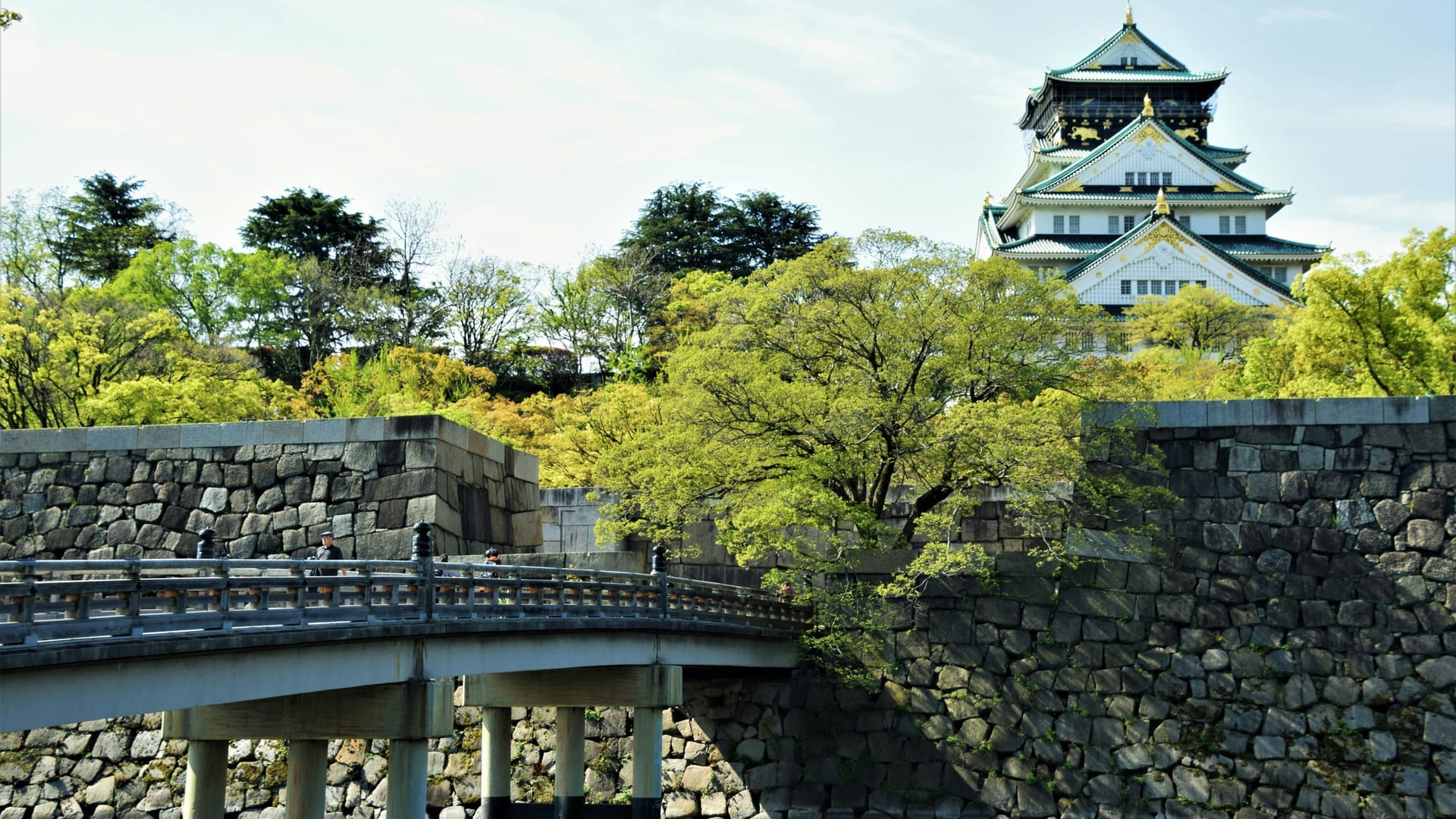
- •Osaka Castle (Adjacent, across Osaka Castle Park): One of Japan's most famous castles, surrounded by massive stone walls, moats, cherry blossoms, and parkland.
Suggested Itinerary
Pair Osaka Museum of History with these nearby stops for a full day in Chuo, Osaka.
Frequently Asked Questions
Planning Your Osaka Trip?
See the full Osaka destination guide or browse Japan itineraries that include this city.
See all Museums across Japan →Explore all attractions in Osaka or browse nearby destinations.
Back to Osaka Guide →