Shinsaibashi Shopping Street
ExploreJapanDaily Editorial Team · Last updated: June 26, 2026

- Area
- Chuo, Osaka
- Best For
- Shopping, Fashion, Street Culture, Cafes
- Nearby
- Dotonbori · Amerikamura
Visiting Shinsaibashi Shopping Street
Shinsaibashi Shopping Street is one of Osaka's most famous commercial districts and one of the best places to experience the city's everyday energy. Stretching through the heart of central Osaka near Dotonbori and Namba, the covered arcade blends fashion, food, department stores, cosmetics shops, cafés, and local street culture into a long pedestrian corridor that remains busy from morning until late evening. For many international travelers, Shinsaibashi becomes more than a shopping destination. It is a place to observe how modern Osaka moves, socializes, and expresses itself through fashion, food, and urban life.
The history of Shinsaibashi reaches back hundreds of years, long before the modern storefronts and illuminated signs that define the district today. The area developed as a merchant quarter during the Edo period when Osaka established itself as one of Japan's major commercial centers. The name Shinsaibashi originally referred to a bridge crossing the nearby Nagahori Canal, and over time the surrounding streets evolved into an important retail district. Although the canal was eventually filled in and the original bridge disappeared, the neighborhood retained its identity as one of Osaka's key shopping areas. That long commercial history still shapes the atmosphere today. Even as global brands and modern department stores have expanded into the district, Shinsaibashi continues to feel rooted in Osaka's culture of trade, street-level commerce, and social interaction.
Walking through Shinsaibashi Shopping Street is a distinctly urban experience. The covered arcade stretches for hundreds of meters beneath a high glass roof that protects visitors from rain and summer heat while creating a bright, constantly active atmosphere. Fashion boutiques sit beside long-established specialty shops. International luxury brands appear alongside small independent retailers selling vintage clothing, Japanese streetwear, cosmetics, sneakers, and local snacks. Music spills from storefronts while café conversations blend into the sound of rolling luggage, shopping bags, and steady pedestrian movement. The district rarely feels silent, yet the atmosphere is less chaotic than many first-time visitors expect. There is a rhythm to the movement that reflects Osaka's practical and highly social character.

One of the reasons Shinsaibashi remains so appealing to travelers is the variety within a relatively compact area. The northern sections closer to upscale department stores feel polished and contemporary, while southern sections leading toward Dotonbori and Amerikamura become younger, louder, and more experimental in style. Side streets branching off the main arcade reveal a different layer of the neighborhood entirely. Small coffee shops, hidden bars, secondhand fashion stores, record shops, and tiny restaurants tucked into narrow alleys create a more intimate atmosphere away from the main pedestrian flow. Travelers who move beyond the major storefronts often discover that the surrounding streets carry as much personality as the arcade itself.
Fashion culture plays a major role in defining the identity of Shinsaibashi. Osaka has long been associated with a more expressive and approachable style compared with Tokyo's trend-driven fashion districts, and that attitude is visible throughout the area. Young locals gather in streetwear shops, vintage stores display carefully curated collections, and cosmetics retailers remain crowded throughout the day. The district also attracts visitors from across Asia and around the world, creating a layered atmosphere where local style and international tourism constantly overlap. Unlike shopping areas built entirely around luxury branding, Shinsaibashi feels broad in appeal. Budget shoppers, fashion enthusiasts, casual travelers, and local residents all move through the same streets with different purposes.
Food and café culture naturally blend into the shopping experience. Rather than separating retail and dining into different zones, Shinsaibashi allows the two to flow together organically. Small takoyaki stands operate beside high-end dessert cafés, while ramen shops, sushi counters, and casual Osaka-style eateries fill nearby side streets. Travelers often move between shopping and dining repeatedly throughout the day without following any strict itinerary. The area rewards wandering. It is common to stop for coffee in a quiet upstairs café, return to the arcade for shopping, then disappear into a narrow side alley for dinner as evening approaches.

The atmosphere changes noticeably depending on the time of day and season. Mornings feel calmer, with shopkeepers preparing storefronts and fewer crowds moving through the arcade. By afternoon, the district becomes more animated as local shoppers, students, tourists, and office workers fill the streets. Evening brings a warmer glow from illuminated signs and restaurant entrances, especially closer to Dotonbori where the energy intensifies after dark. During summer, the covered arcade provides relief from Osaka's humidity, while winter evenings create a more atmospheric setting as lights reflect across polished floors and storefront windows. Seasonal sales and holiday decorations also subtly reshape the appearance of the district throughout the year.
The surrounding neighborhoods add further depth to the experience of visiting Shinsaibashi. Dotonbori lies just to the south with its canal-side nightlife and giant neon signs, while Amerikamura introduces a more alternative and youth-oriented atmosphere filled with street art, independent fashion, and music culture. Nearby Namba connects the district to major transportation hubs and entertainment areas, making Shinsaibashi feel deeply integrated into Osaka's broader urban identity rather than isolated as a standalone attraction. The boundaries between these neighborhoods blur naturally as visitors move through the area on foot.
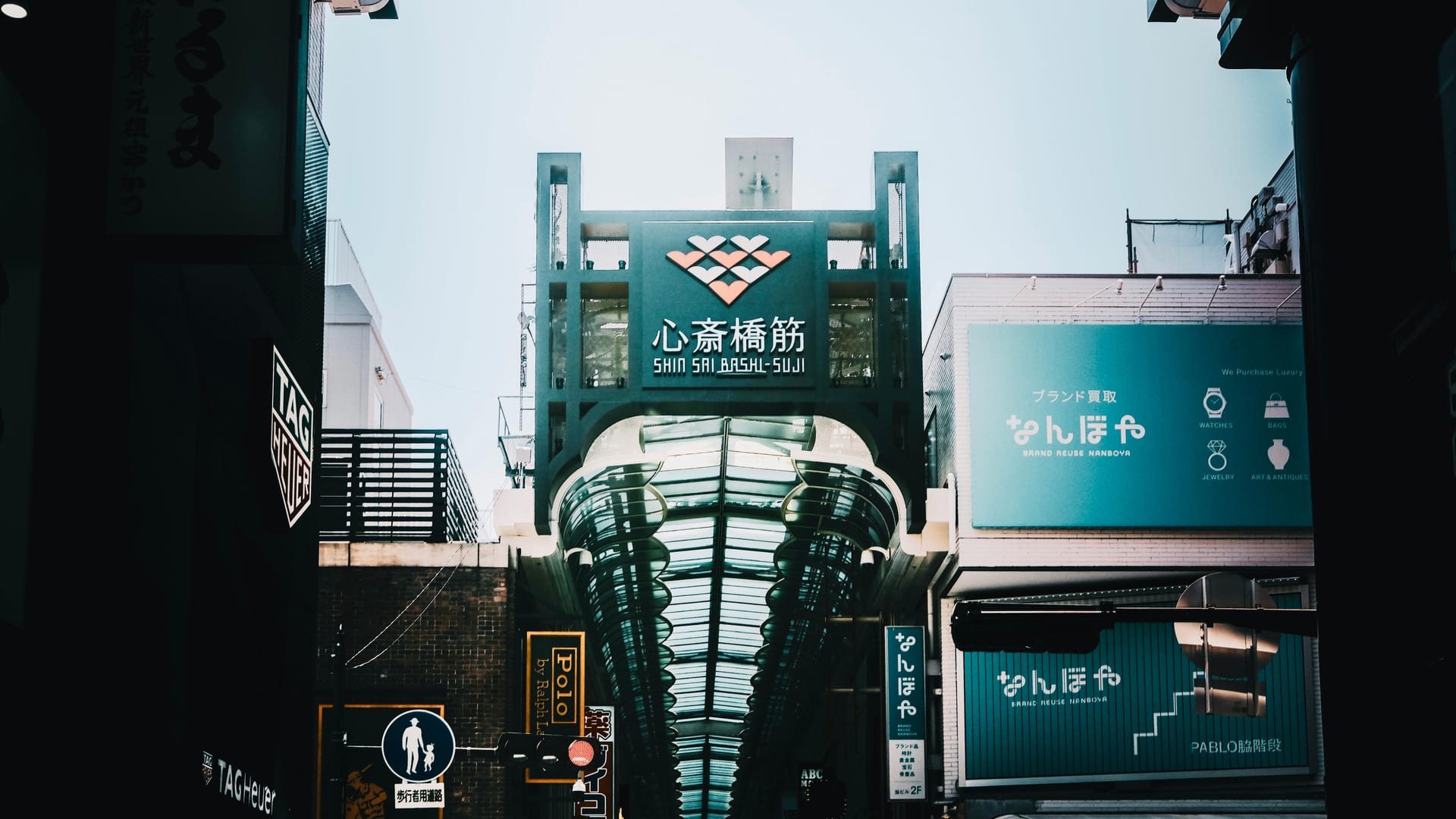
For many travelers visiting Osaka, Shinsaibashi Shopping Street becomes one of the places where the city feels most immediate and human. It is not defined by historical monuments or carefully staged cultural performances. Instead, it reflects everyday urban life in one of Japan's most socially energetic cities. Beneath the bright storefronts and crowded walkways is a district shaped by centuries of commerce, changing fashion trends, local routines, and Osaka's famously approachable personality. Shinsaibashi succeeds not because it feels curated for tourism, but because it continues to function as a living part of the city where shopping, conversation, food, and street culture naturally intersect every day.
Things to Do at Shinsaibashi Shopping Street
How to Get to Shinsaibashi Shopping Street
Shinsaibashi Shopping Street is located in central Osaka between the Namba and Umeda districts. The area is one of Osaka's main shopping and entertainment hubs and is easily accessible by subway and train.
- •Nearest station: Shinsaibashi Station (Osaka Metro Midosuji Line)
- •IC cards (Suica, Pasmo, or ICOCA) are accepted on trains, subways, and buses throughout Japan. Tap in and out at every gate.
- •Avoid traveling during rush hour on weekdays: 7am to 9am and 5pm to 8pm. Trains are significantly more crowded.
- •Google Maps provides accurate real-time transit directions in Osaka. Download offline maps before you arrive.
For IC cards, tickets, and full transit basics for Osaka, see the complete transportation guide.
Getting Around Osaka →Map
Best Time to Visit Shinsaibashi Shopping Street
Best time to visit Shinsaibashi Shopping Street: Weekday afternoons for a quieter experience. Weekday mornings are generally quieter than weekends and public holidays.
- •Best time to visit: Weekday afternoons for a quieter experience
- •Arriving on a weekday morning avoids the largest crowds. Weekends and public holidays are significantly busier.
- •Spring (late March to early May) and autumn (October to November) are the most popular seasons for visiting Osaka.
- •Golden Week (late April to early May) is the busiest week of the year in Japan. Book accommodation and tickets well in advance.
Entry Fee & Hours
- •Shinsaibashi is a free, open-air covered shopping arcade; no admission ticket is required to walk through it.
- •Individual shops and restaurants set their own prices and hours, with most operating roughly between 10:00 AM and 9:00 PM.
Nearby Attractions
Combine with Shinsaibashi Shopping Street on the same day

Dotonbori

Amerikamura

Hozenji Yokocho

Kuromon Ichiba Market

Namba Yasaka Shrine
- •Dotonbori: Osaka's most iconic entertainment district, famous for neon lights, canal views, giant 3D signboards, and street food culture.
- •Amerikamura: Osaka's streetwear and vintage-clothing district on the west side of Shinsaibashi Station, centered on Triangle Park. A neighborhood of independent shops, cafes, and evening venues, not a single attraction.
- •Hozenji Yokocho: A narrow stone-paved alley of small restaurants and bars beside Hozenji Temple in Namba. A dining street, not a ticketed attraction, and best after dark.
- •Kuromon Ichiba Market: One of Osaka's most famous food markets known for seafood, wagyu beef, sushi, and local snacks.
- •Namba Yasaka Shrine: Famous for its giant lion-head stage, one of Osaka's most visually unique and photographed shrines.
Suggested Itinerary
Pair Shinsaibashi Shopping Street with these nearby stops for a full day in Chuo, Osaka.
Frequently Asked Questions
Planning Your Osaka Trip?
See the full Osaka destination guide or browse Japan itineraries that include this city.
See all Shopping & Entertainment across Japan →Explore all attractions in Osaka or browse nearby destinations.
Back to Osaka Guide →