National Bunraku Theatre
ExploreJapanDaily Editorial Team · Last updated: September 15, 2026 · Facts verified: September 15, 2026
Visiting National Bunraku Theatre
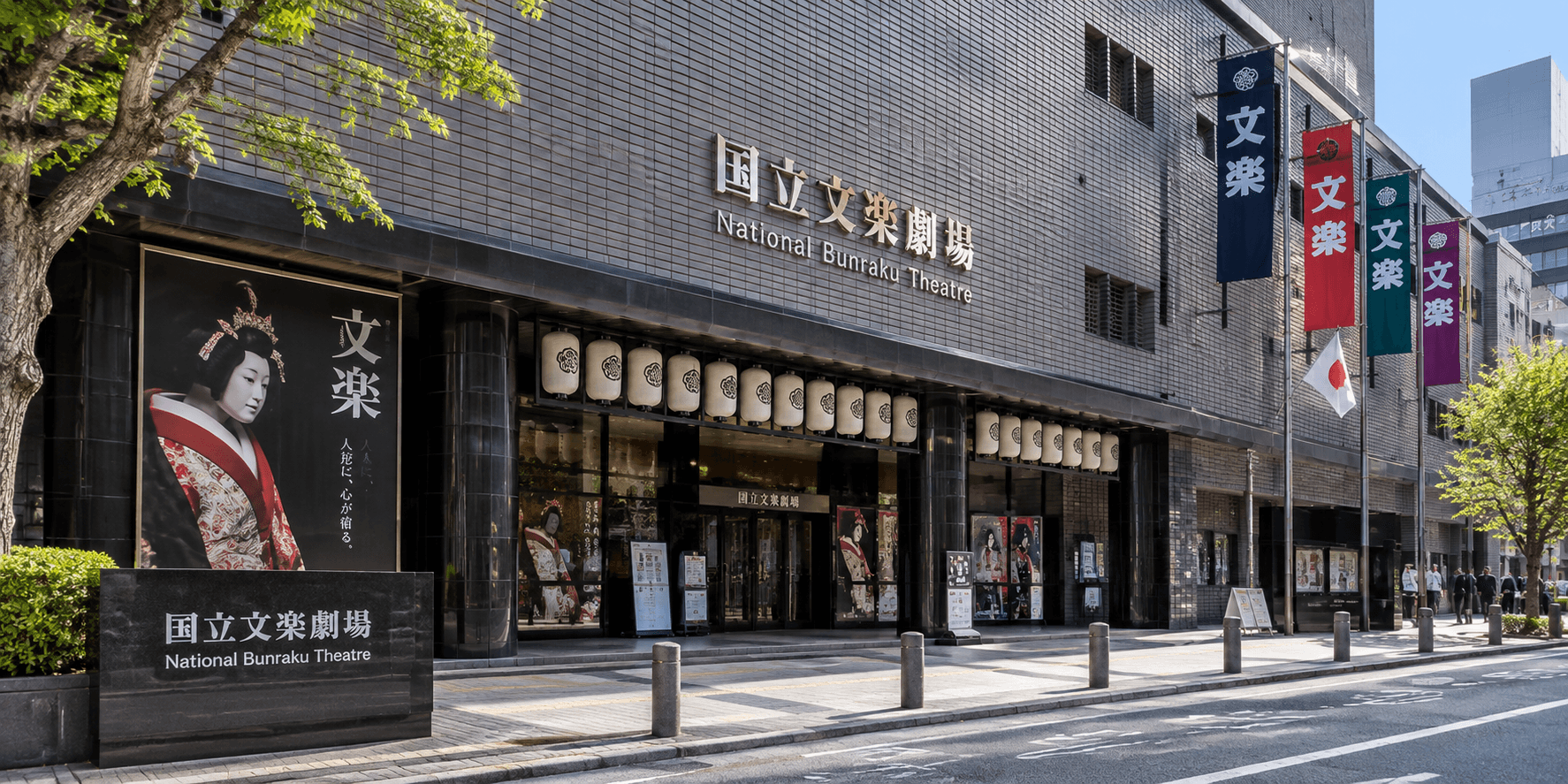
The National Bunraku Theatre is a specific building in Osaka's Nipponbashi district, not a synonym for bunraku itself. Bunraku is the traditional puppet-theatre art form, combining chanted narration, shamisen music, and large puppets each visibly operated by three onstage puppeteers; the theatre is the purpose-built venue, opened in 1984, where it's performed as its national home. The distinction matters because a specific production's schedule, cast, and story change several times a year, while the venue and how it works do not.
The most common hesitation for international visitors is whether bunraku can be enjoyed without speaking Japanese. It largely can: the theatre rents an English audio-guide earphone set that translates the dialogue and narration in real time, and periodically runs an English-subtitled program aimed specifically at first-time overseas visitors. Staff at the ticket counters and information desks also speak English, and brochures are available in several languages.
You don't have to commit to a full ticketed performance to get something out of a visit. A free exhibition room, open during regular box-office hours, displays bunraku-related materials and puppets and can be visited on its own in 15 to 30 minutes, a useful lower-commitment option if a full multi-hour program doesn't fit your schedule or interest level.
Things to Do at National Bunraku Theatre
How to Get to National Bunraku Theatre
The theatre sits in the Nipponbashi district, on the edge of Osaka's Minami (southern) entertainment area.
- •Nearest station: Kintetsu Nipponbashi Station (Osaka Metro Sakaisuji Line and Sennichimae Line), 1-minute walk
- •IC cards (Suica, Pasmo, or ICOCA) are accepted on trains, subways, and buses throughout Japan. Tap in and out at every gate.
- •Avoid traveling during rush hour on weekdays: 7am to 9am and 5pm to 8pm. Trains are significantly more crowded.
- •Google Maps provides accurate real-time transit directions in Osaka. Download offline maps before you arrive.
Map
Best Time to Visit National Bunraku Theatre
Best time to visit National Bunraku Theatre: Check the current performance calendar; bunraku is not staged daily year-round. Weekday mornings are generally quieter than weekends and public holidays.
- •Best time to visit: Check the current performance calendar; bunraku is not staged daily year-round
- •Arriving on a weekday morning avoids the largest crowds. Weekends and public holidays are significantly busier.
- •Spring (late March to early May) and autumn (October to November) are the most popular seasons for visiting Osaka.
- •Golden Week (late April to early May) is the busiest week of the year in Japan. Book accommodation and tickets well in advance.
Entry Fee & Hours
- •Ticket prices vary by production and seating category; confirm current pricing on the official ticketing portal before booking.
- •An English audio-guide earphone rental is available for an additional fee, commonly cited around ¥700 per performance.
- •The exhibition room is free to enter during box-office hours, independent of any ticketed performance.
Nearby Attractions
Combine with National Bunraku Theatre on the same day
Dotonbori
Shinsaibashi Shopping Street
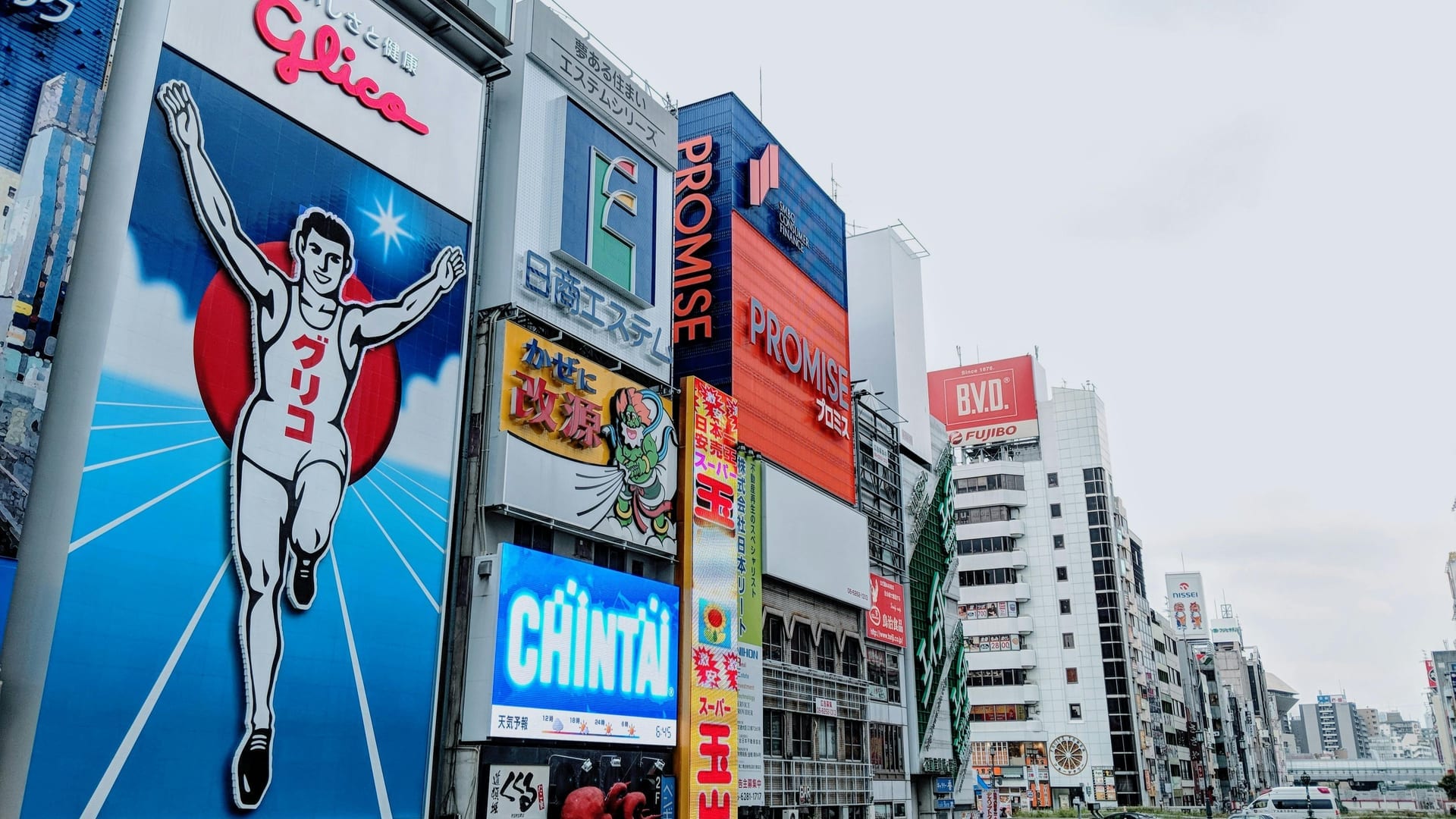
- •Dotonbori (Short ride via Sakaisuji/Sennichimae Line): Osaka's most iconic entertainment district, famous for neon lights, canal views, giant 3D signboards, and street food culture.
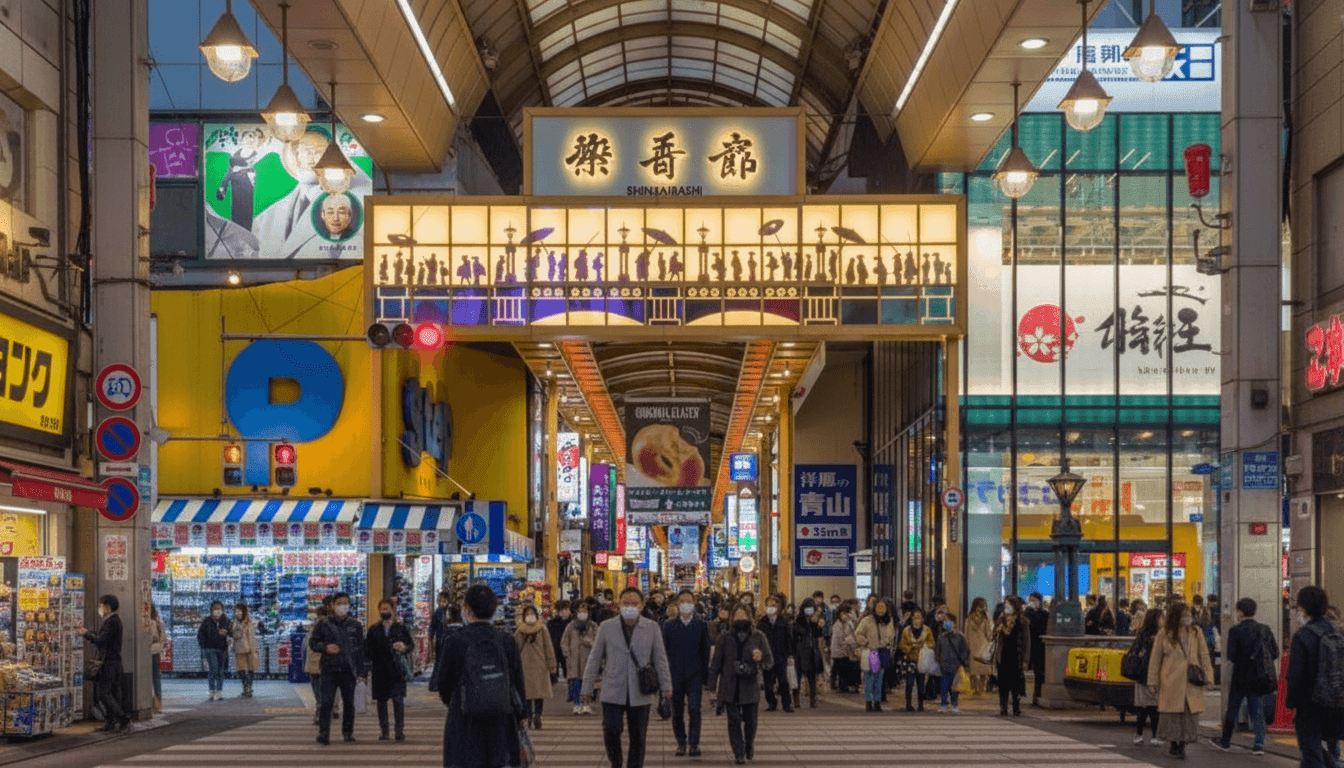
- •Shinsaibashi Shopping Street (Short ride via Sakaisuji/Sennichimae Line): A long covered shopping arcade blending luxury stores, fashion, cafes, and Osaka street culture.
Suggested Itinerary
Pair National Bunraku Theatre with these nearby stops for a full day in Nipponbashi, Osaka.
Frequently Asked Questions
Planning Your Osaka Trip?
See the full Osaka destination guide or browse Japan itineraries that include this city.
Explore all attractions in Osaka or browse nearby destinations.
Back to Osaka Guide →