Shinsekai and Tsutenkaku Tower
ExploreJapanDaily Editorial Team · Last updated: June 26, 2026

- Area
- Naniwa, Osaka
- Best For
- Kushikatsu, Retro Atmosphere, Photography, Local Culture
- Nearby
- Abeno Harukas
Visiting Shinsekai and Tsutenkaku Tower
Shinsekai is one of Osaka's most distinctive neighborhoods, a place where retro storefronts, glowing lanterns, old restaurants, and weathered entertainment streets combine into an atmosphere that feels very different from the polished commercial districts elsewhere in the city. At the center of the area stands Tsutenkaku Tower, the symbolic landmark that rises above the neighborhood with its recognizable steel structure and illuminated observation deck. Together, Shinsekai and Tsutenkaku Tower represent a side of Osaka that feels nostalgic, unfiltered, and deeply connected to the city's working-class identity. For many travelers, visiting the district offers a glimpse into an older urban culture that still survives beneath modern redevelopment.
The origins of Shinsekai date back to the early 20th century, when the area was designed as an ambitious entertainment district inspired by Western cities. Southern sections of the neighborhood were modeled loosely after Coney Island in New York, while northern sections drew influence from Parisian streetscapes. The original Tsutenkaku Tower, built in 1912, became a symbol of modernity during a period when Osaka was rapidly industrializing and expanding. Although the tower was later dismantled during wartime and rebuilt in the 1950s, its identity remained tied to the optimism and energy of early modern Osaka. Today's Tsutenkaku Tower continues to carry that retro character rather than attempting to compete with the sleek skyline towers found elsewhere in Japan.
Walking through Shinsekai feels noticeably different from walking through districts such as Dotonbori or Umeda. The streets are narrower, the buildings lower, and the atmosphere more grounded in everyday Osaka life. Bright vertical signs hang above small restaurants specializing in kushikatsu, the deep-fried skewers closely associated with the neighborhood. Old game arcades, local bars, retro cafes, and small shops sit beside newer tourist-focused businesses, creating a streetscape that feels layered rather than curated. The district can appear rough around the edges in places, but that imperfection is part of its identity. Shinsekai has never tried to present itself as refined or polished. Instead, it reflects Osaka's reputation for directness, humor, affordability, and strong local character.

Tsutenkaku Tower remains the visual anchor of the neighborhood. Rising above the surrounding streets, the tower is visible from multiple directions as visitors move through the area. During the daytime, its steel frame and retro design stand out against the dense urban landscape surrounding it. At night, illuminated signage and changing lights give the tower a nostalgic glow that matches the atmosphere of Shinsekai below. Unlike newer observation towers in Japan that emphasize sleek architecture and futuristic presentation, Tsutenkaku feels intentionally rooted in another era. Even the observation areas retain a more old-fashioned character that aligns with the surrounding neighborhood rather than distancing itself from it.
The experience of exploring Shinsekai is often more atmospheric than itinerary-driven. Travelers tend to move slowly through the district, stopping to look at old restaurant displays, listening to conversations spill onto the sidewalks, or watching cooks prepare kushikatsu behind open counters. The smell of frying batter and sauce drifts through the streets throughout the day, especially during the evening when the neighborhood becomes more animated. While the area attracts international visitors, it still maintains a strong local presence. Office workers stop for drinks after work, older residents gather around small eateries, and groups of friends move between bars and restaurants late into the night. That blend of tourism and everyday life gives Shinsekai a more authentic rhythm than many entertainment districts designed primarily for visitors.
The surrounding area also shapes the character of Shinsekai and Tsutenkaku Tower. Just nearby is Tennoji, one of Osaka's major urban centers filled with department stores, modern hotels, and large commercial developments. The contrast between the two areas is striking. A short walk can take visitors from sleek shopping complexes and modern train stations into streets lined with retro signs and decades-old eateries. Close to the district, attractions such as Tennoji Park and the historic Shitennoji Temple add another layer to the broader neighborhood, blending modern city life with older cultural spaces in a way that feels distinctly Osaka.
Seasonal shifts subtly change the atmosphere of Shinsekai. Summer evenings are especially lively, with open storefronts, crowded restaurant counters, and warm air carrying the sound of conversation through the streets late into the night. During winter, the glow of lanterns and illuminated signs becomes more pronounced against the colder air, giving the neighborhood a cinematic quality after dark. Rainy evenings can be particularly memorable, as reflections from neon lights spread across wet pavement beneath the tower. Unlike cherry blossom destinations or heavily seasonal sightseeing spots, Shinsekai remains more dependent on mood and street life than on natural scenery. Its appeal comes from the consistency of its character throughout the year.
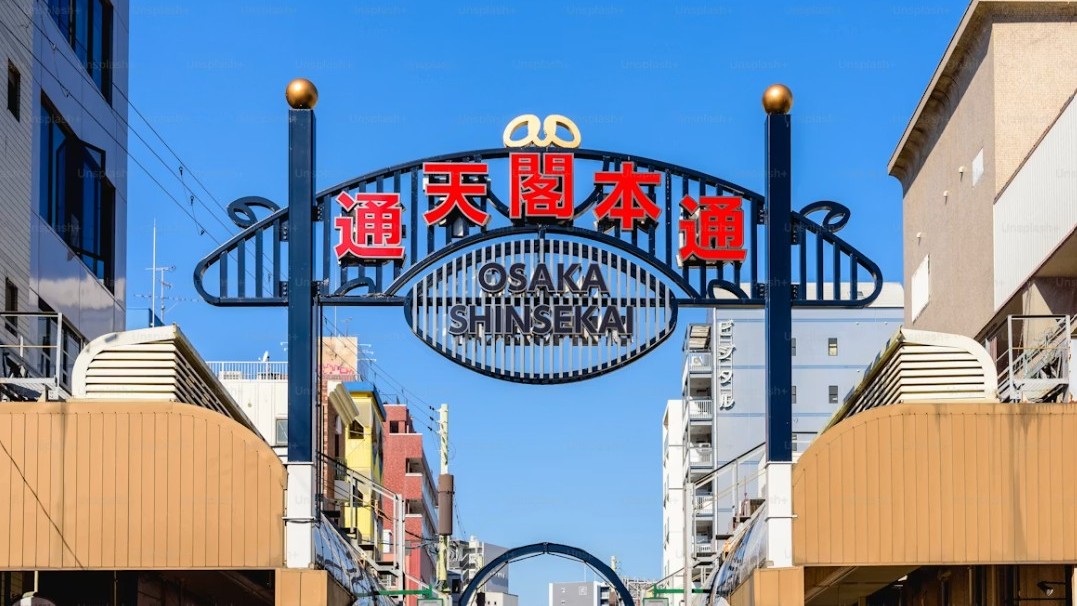
For many travelers visiting Osaka, Shinsekai and Tsutenkaku Tower become places that reveal a different side of Japan beyond temples, shrines, and polished commercial districts. The neighborhood reflects Osaka's long-standing reputation as a city shaped by merchants, workers, entertainment culture, and casual social life. It is noisy in places, slightly chaotic at times, and proudly local in personality. Yet beneath the retro signs and busy kushikatsu restaurants is a district with deep historical roots and a strong sense of continuity. Shinsekai does not feel preserved for tourists alone. It still feels lived in, evolving slowly while holding onto the atmosphere that made it one of Osaka's most recognizable neighborhoods generations ago.
Things to Do at Shinsekai and Tsutenkaku Tower
How to Get to Shinsekai and Tsutenkaku Tower
Shinsekai and Tsutenkaku Tower are located in southern Osaka near the Tennoji and Namba districts. The area is well connected by multiple subway and train lines, making it easy to reach from anywhere in the city.
- •Nearest station: Shin-Imamiya Station (JR Loop Line)
- •IC cards (Suica, Pasmo, or ICOCA) are accepted on trains, subways, and buses throughout Japan. Tap in and out at every gate.
- •Avoid traveling during rush hour on weekdays: 7am to 9am and 5pm to 8pm. Trains are significantly more crowded.
- •Google Maps provides accurate real-time transit directions in Osaka. Download offline maps before you arrive.
For IC cards, tickets, and full transit basics for Osaka, see the complete transportation guide.
Getting Around Osaka →Map
Best Time to Visit Shinsekai and Tsutenkaku Tower
Best time to visit Shinsekai and Tsutenkaku Tower: Evening for the full neon atmosphere. Weekday mornings are generally quieter than weekends and public holidays.
- •Best time to visit: Evening for the full neon atmosphere
- •Arriving on a weekday morning avoids the largest crowds. Weekends and public holidays are significantly busier.
- •Spring (late March to early May) and autumn (October to November) are the most popular seasons for visiting Osaka.
- •Golden Week (late April to early May) is the busiest week of the year in Japan. Book accommodation and tickets well in advance.
Entry Fee & Hours
| Category | Price (JPY) | Approx. (USD) |
|---|---|---|
| Adult (15+) | ¥1,500 | ~$10 |
| Child (5-14) | ¥800 | ~$5 |
Tsutenkaku Tower general observation deck admission only; the surrounding Shinsekai district is free. An additional fee applies for the open-air Tenbo Paradise deck.
- •Shinsekai district itself is free and open at all times; no ticket is needed to walk the streets, shop, or eat at the kushikatsu restaurants.
- •Tsutenkaku Tower, the district's landmark observation tower, charges separate admission with last entry at 9:15 PM (extended outdoor deck last entry 9:35 PM).
- •A timed-entry reservation system applies for the tower; advance online booking is recommended on evenings and weekends.
- •Discounted tower admission is available for visitors with a disability certificate.
Nearby Attractions
Combine with Shinsekai and Tsutenkaku Tower on the same day

- •Abeno Harukas: One of Japan's tallest skyscrapers with an observation deck offering panoramic Osaka views stretching to Nara, Kobe, and Kyoto.
Suggested Itinerary
Pair Shinsekai and Tsutenkaku Tower with these nearby stops for a full day in Naniwa, Osaka.
Frequently Asked Questions
Planning Your Osaka Trip?
See the full Osaka destination guide or browse Japan itineraries that include this city.
See all Shopping & Entertainment across Japan →Explore all attractions in Osaka or browse nearby destinations.
Back to Osaka Guide →