Abeno Harukas
ExploreJapanDaily Editorial Team · Last updated: June 26, 2026

- Area
- Abeno, Osaka
- Best For
- Views, Photography, Architecture, Shopping
Visiting Abeno Harukas
Abeno Harukas rises above southern Osaka with a presence that is difficult to ignore. Standing as one of Japan's tallest skyscrapers, the tower dominates the skyline around Tennoji and reflects a more modern and ambitious side of Osaka's identity. Yet despite its scale, Abeno Harukas does not feel detached from the city beneath it. The building is deeply integrated into everyday urban life, combining offices, department stores, restaurants, galleries, hotels, transportation links, and one of Osaka's most impressive observation decks into a single vertical complex. For many travelers, visiting Abeno Harukas becomes less about simply seeing a tall building and more about experiencing Osaka from a completely different perspective.
Completed in 2014, Abeno Harukas was designed during a period when Osaka was redefining sections of its urban landscape through large-scale redevelopment projects. The name Harukas comes from an old Japanese expression meaning to brighten or to clear up, an idea reflected in the building's emphasis on openness, natural light, and panoramic views. Unlike some skyscrapers that feel purely corporate, Abeno Harukas was built as a multi-purpose urban center intended to remain active throughout the day and evening. Office workers, local shoppers, hotel guests, art visitors, and international travelers all move through the building simultaneously, giving it a more layered atmosphere than a typical observation tower.
The surrounding Tennoji and Abeno districts also shape the experience of visiting the tower. Historically, this part of Osaka developed differently from commercial centers such as Umeda or Namba. While the area has modernized rapidly in recent decades, traces of older Osaka remain visible nearby through local shopping streets, temples, parks, and residential neighborhoods. This contrast becomes especially noticeable when looking down from the upper floors of Abeno Harukas. Dense urban blocks stretch outward beside green spaces like Tennoji Park, while older neighborhoods blend into newer commercial developments. The view reveals how Osaka evolved over time rather than presenting the city as a uniform skyline.

The Harukas 300 Observatory is the building's defining attraction for many visitors. Located high above the city, the observation areas provide sweeping views across Osaka, Osaka Bay, and distant mountain ranges beyond the urban core. During daylight hours, the scale of the city becomes immediately apparent. Rail lines weave through tightly packed neighborhoods while highways, rivers, and commercial districts extend toward the horizon in every direction. Unlike some observation decks where the city feels distant or abstract, the views from Abeno Harukas remain visually detailed enough to follow the texture of Osaka itself. Landmarks such as Osaka Castle, Tsutenkaku Tower, and the bayfront areas can often be identified clearly on bright days.
The atmosphere changes significantly as daylight fades. Sunset is particularly popular because the city slowly transforms beneath the glass walls of the observatory. Warm afternoon light reflects off office towers before fading into layers of illuminated streets and distant neon. After dark, Osaka becomes a dense network of moving trains, glowing signs, apartment windows, and traffic patterns stretching across the landscape. The observatory itself remains relatively calm despite the dramatic scenery outside. Visitors tend to speak quietly, move slowly between windows, and spend long periods simply watching the city below. That contrast between the stillness inside and the movement outside gives the experience much of its emotional impact.
Architecturally, Abeno Harukas feels sleek without becoming cold or overly futuristic. The exterior glass design reflects changing weather and light conditions throughout the day, while interior spaces emphasize openness and clean visual lines. Large windows, minimalist design elements, and carefully controlled lighting create an atmosphere that feels modern but not overwhelming. Travelers interested in architecture often appreciate how the building balances functionality with aesthetic restraint, particularly in comparison with more aggressively designed skyscrapers found in other global cities.

Beyond the observation deck, the building functions as a major lifestyle and cultural center for Osaka residents. The department store occupies multiple levels with everything from luxury fashion to regional food halls, while restaurants and cafés overlook different sections of the city. An art museum inside the complex regularly hosts rotating exhibitions that attract both locals and visitors. This mix of uses gives Abeno Harukas a stronger connection to daily city life than observation-only towers designed purely for tourism. Many people entering the building are not tourists at all, which helps maintain a more natural and less staged atmosphere throughout the complex.
Season and weather also shape the experience considerably. Winter often offers the clearest visibility, allowing distant mountains and bayfront areas to appear sharply defined against cold blue skies. Summer sunsets can feel softer and more atmospheric as humidity settles across the city. Rainy days create an entirely different mood, with low clouds drifting between buildings and reflections forming across glass surfaces throughout the observatory. At night during rainy weather, Osaka's illuminated streets appear diffused beneath the clouds, giving the city a quieter and more cinematic appearance from above.

For international travelers, Abeno Harukas offers more than a panoramic viewpoint over Osaka. It captures the city's evolving identity as a place where historical neighborhoods, modern redevelopment, transportation networks, and everyday life continue to overlap in complex ways. The building represents Osaka's contemporary ambitions while remaining deeply connected to the surrounding districts below. Whether visited during a clear afternoon, a rainy evening, or just before sunset, Abeno Harukas provides one of the clearest opportunities to understand the scale, density, and energy of Osaka as a living modern city rather than simply a collection of tourist attractions.
Things to Do at Abeno Harukas
How to Get to Abeno Harukas
Abeno Harukas is located in Osaka's Tennoji district and is directly connected to major train and subway stations, making it one of the easiest landmarks in Osaka to access by public transportation.
- •Nearest station: Osaka Abenobashi Station (Kintetsu Lines)
- •IC cards (Suica, Pasmo, or ICOCA) are accepted on trains, subways, and buses throughout Japan. Tap in and out at every gate.
- •Avoid traveling during rush hour on weekdays: 7am to 9am and 5pm to 8pm. Trains are significantly more crowded.
- •Google Maps provides accurate real-time transit directions in Osaka. Download offline maps before you arrive.
For IC cards, tickets, and full transit basics for Osaka, see the complete transportation guide.
Getting Around Osaka →Map
Best Time to Visit Abeno Harukas
Best time to visit Abeno Harukas: Clear days for panoramic views; evening for city lights. Weekday mornings are generally quieter than weekends and public holidays.
- •Best time to visit: Clear days for panoramic views; evening for city lights
- •Arriving on a weekday morning avoids the largest crowds. Weekends and public holidays are significantly busier.
- •Spring (late March to early May) and autumn (October to November) are the most popular seasons for visiting Osaka.
- •Golden Week (late April to early May) is the busiest week of the year in Japan. Book accommodation and tickets well in advance.
Entry Fee & Hours
| Category | Price (JPY) | Approx. (USD) |
|---|---|---|
| Adult (18+) | ¥2,000 | ~$13 |
| Middle / High School (12-17) | ¥1,200 | ~$8 |
| Elementary School (6-11) | ¥700 | ~$5 |
| Young Child (4-5) | ¥500 | ~$3 |
| Under 3 | Free | Free |
Same-day observatory admission, floors 58-60.
- •Last admission to the Harukas 300 observatory is 30 minutes before closing (9:30 PM).
- •Only adult tickets can be purchased online in advance; child, senior, and other discounted tickets must be bought at the counter.
- •An optional ~20-minute heliport tour is available at certain times for an extra ¥500.
- •Open year-round with no regular closure days, though hours are subject to change without notice.
Nearby Attractions
Combine with Abeno Harukas on the same day

Shinsekai and Tsutenkaku Tower
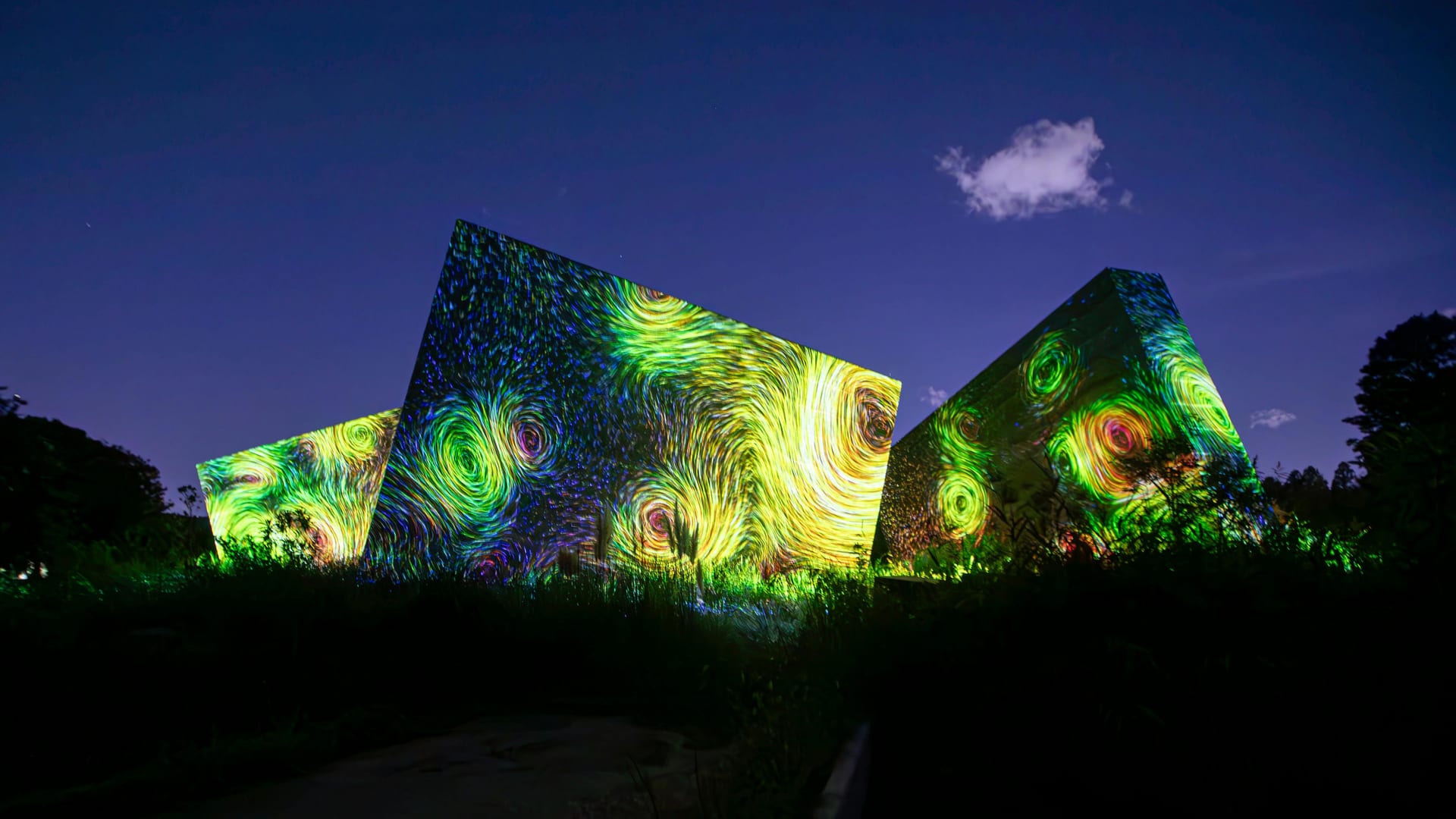
TeamLab Botanical Garden Osaka
- •Shinsekai and Tsutenkaku Tower: Retro Osaka atmosphere with nostalgic streets, neon signs, kushikatsu restaurants, and the famous Tsutenkaku Tower.
- •TeamLab Botanical Garden Osaka (Short ride on the Midosuji Line): An immersive digital art experience combining botanical garden nature with stunning nighttime light installations.
Suggested Itinerary
Pair Abeno Harukas with these nearby stops for a full day in Abeno, Osaka.
Frequently Asked Questions
Planning Your Osaka Trip?
See the full Osaka destination guide or browse Japan itineraries that include this city.
See all Towers & Views across Japan →Explore all attractions in Osaka or browse nearby destinations.
Back to Osaka Guide →