Hokkaido Shrine
ExploreJapanDaily Editorial Team · Last updated: August 31, 2026 · Facts verified: August 31, 2026

- Area
- Maruyama, Sapporo
- Best For
- Culture, Nature, Cherry blossoms, Spiritual sites
Visiting Hokkaido Shrine
Hokkaido Shrine is one of the most important Shinto shrines in northern Japan, offering visitors a peaceful retreat within the heart of Sapporo while providing a meaningful connection to the history, culture, and spiritual traditions of Hokkaido. Nestled within the expansive forests of Maruyama Park, the shrine feels remarkably removed from the modern city that surrounds it. Tall trees, broad gravel pathways, traditional wooden structures, and the gentle sounds of nature create an atmosphere that encourages visitors to slow down and experience a different side of Sapporo beyond its shopping districts, entertainment areas, and urban landmarks.
Established in 1869 during the early years of the Meiji era, Hokkaido Shrine was founded shortly after the Japanese government began actively developing Hokkaido. The shrine was created to honor the deities believed to protect the island and guide its future prosperity. Later, Emperor Meiji was also enshrined here, further increasing the shrine's national significance. While many visitors are drawn initially by its scenic surroundings, Hokkaido Shrine also serves as an important symbol of the region's development and the cultural identity of Japan's northernmost main island.
The approach to the shrine is an experience in itself. Massive torii gates mark the transition from city life into sacred space, while wide pathways lead visitors through dense groves of mature trees. During every season, the landscape presents a different mood. In spring, cherry blossoms and plum blossoms add delicate color to the grounds. Summer brings lush greenery and cool shade beneath the forest canopy. Autumn transforms the surrounding park into a display of red, orange, and gold foliage. Winter covers the shrine in snow, creating a serene scene that many travelers consider one of the most beautiful winter landscapes in Sapporo.

Unlike some of Japan's more heavily visited shrines, Hokkaido Shrine maintains an atmosphere that feels calm and authentic throughout much of the year. Local residents visit regularly to pray for good fortune, celebrate important life milestones, and participate in traditional festivals. Travelers often find that observing these everyday interactions provides valuable insight into the role Shinto practices continue to play in modern Japanese society. Rather than functioning solely as a historical attraction, the shrine remains an active place of worship deeply woven into the community.
Architecturally, Hokkaido Shrine reflects the clean and understated beauty characteristic of Shinto design. The shrine buildings emphasize natural materials, balanced proportions, and harmony with their surroundings. The use of wood, simple decorative elements, and open spaces directs attention toward the spiritual environment rather than elaborate ornamentation. This aesthetic approach creates a feeling of tranquility that many visitors immediately notice upon entering the grounds. Even those with little familiarity with Japanese religious traditions often find the atmosphere welcoming and easy to appreciate.
The shrine's location within Maruyama Park enhances its appeal considerably. The surrounding forest provides a natural sanctuary for wildlife and serves as one of Sapporo's most popular recreational areas. Visitors frequently combine a visit to Hokkaido Shrine with walks through the nearby park, enjoying the changing seasons and natural scenery that define much of Hokkaido's outdoor culture. The close relationship between the shrine and its forested setting reflects an important aspect of Shinto belief, which emphasizes respect for nature and the spiritual presence found within natural landscapes.

For many international travelers, Hokkaido Shrine offers an opportunity to experience a different perspective on Japanese history. While destinations such as Kyoto and Nara are often associated with ancient temples and centuries of imperial history, Hokkaido's story is comparatively recent. The shrine helps explain how the island was incorporated into modern Japan and how cultural traditions were established alongside rapid development. Understanding this context enriches a visit not only to the shrine itself but also to Hokkaido as a whole.
Seasonal festivals and cultural events further contribute to the shrine's importance. Throughout the year, local celebrations bring visitors together to mark significant dates in the Shinto calendar. Traditional ceremonies, seasonal decorations, and community gatherings provide a glimpse into living cultural traditions that have been preserved and adapted over generations. Even on ordinary days, the presence of worshippers offering prayers, purchasing protective charms, or participating in rituals creates a sense of continuity between past and present.
The emotional appeal of Hokkaido Shrine often comes from its balance of accessibility and serenity. It is neither an isolated mountain sanctuary nor an overly commercialized attraction. Instead, it occupies a unique space where visitors can appreciate nature, architecture, spirituality, and local culture within a single setting. The experience is less about checking off a famous landmark and more about spending time in an environment that encourages observation, reflection, and appreciation of the surrounding landscape.
For travelers exploring Sapporo and Hokkaido, Hokkaido Shrine serves as both a cultural landmark and a peaceful escape. Its historical significance, forested surroundings, seasonal beauty, and active role in local life make it one of the region's most meaningful destinations. Whether visited during cherry blossom season, beneath the colors of autumn, or amid the quiet snowfall of winter, Hokkaido Shrine offers a memorable introduction to the spiritual traditions and natural beauty that continue to shape life in northern Japan.
Things to Do at Hokkaido Shrine
How to Get to Hokkaido Shrine
Hokkaido Shrine is located in western Sapporo within Maruyama Park and is easily accessible by public transportation.
- •Nearest station: Maruyamakoen Station (Tozai Line)
- •IC cards (Suica, Pasmo, or ICOCA) are accepted on trains, subways, and buses throughout Japan. Tap in and out at every gate.
- •Avoid traveling during rush hour on weekdays: 7am to 9am and 5pm to 8pm. Trains are significantly more crowded.
- •Google Maps provides accurate real-time transit directions in Sapporo. Download offline maps before you arrive.
Map
Best Time to Visit Hokkaido Shrine
Best time to visit Hokkaido Shrine: Spring for cherry blossoms; New Year for hatsumode. Weekday mornings are generally quieter than weekends and public holidays.
- •Best time to visit: Spring for cherry blossoms; New Year for hatsumode
- •Arriving on a weekday morning avoids the largest crowds. Weekends and public holidays are significantly busier.
- •Spring (late March to early May) and autumn (October to November) are the most popular seasons for visiting Sapporo.
- •Golden Week (late April to early May) is the busiest week of the year in Japan. Book accommodation and tickets well in advance.
Entry Fee & Hours
- •The main approach and shrine grounds use wide gravel and paved paths suitable for wheelchairs and strollers, though the shrine sits on gently sloped, forested terrain within Maruyama Park. All shrine buildings are at ground level, so no elevators are needed.
Nearby Attractions
Combine with Hokkaido Shrine on the same day

Maruyama Park

Sapporo Maruyama Zoo

Okurayama Ski Jump Stadium
Mount Moiwa
- •Maruyama Park (Approx. 1 minute walk): Sapporo's most popular free public park for cherry blossom viewing, home to Hokkaido Shrine, Maruyama Zoo, and a hiking trail up Mount Maruyama.
- •Sapporo Maruyama Zoo (Approx. 10 minutes walk): A municipal zoo within Maruyama Park in Chuo-ku, Sapporo, the oldest zoo in Hokkaido, adjacent to Hokkaido Shrine.
- •Okurayama Ski Jump Stadium (Approx. 10 minutes by taxi): An active 1972 Winter Olympics ski jump venue in Chuo-ku, Sapporo, with a chairlift to a 307-meter summit viewpoint, adjacent to the Sapporo Olympic Museum.
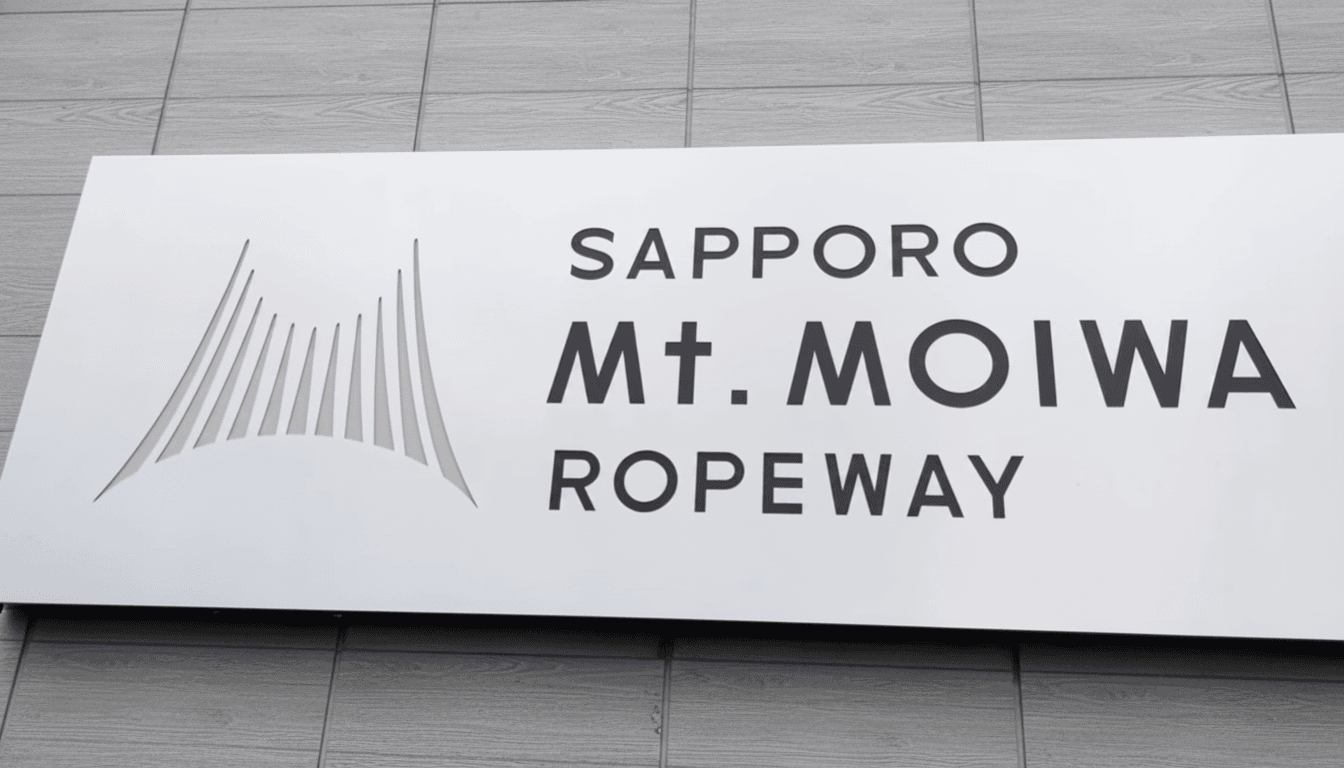
- •Mount Moiwa (Approx. 15 minutes by taxi): A 531-meter mountain overlooking Sapporo, reached by ropeway and cable car for one of Japan's top three night views.
Suggested Itinerary
Pair Hokkaido Shrine with these nearby stops for a full day in Maruyama, Sapporo.
Frequently Asked Questions
Planning Your Sapporo Trip?
See the full Sapporo destination guide or browse Japan itineraries that include this city.
See all Temples & Shrines across Japan →Explore all attractions in Sapporo or browse nearby destinations.
Back to Sapporo Guide →