Ginza
ExploreJapanDaily Editorial Team · Last updated: June 26, 2026

- Area
- Ginza / Chuo
- Best For
- Shopping, Dining, Architecture, Luxury
Visiting Ginza
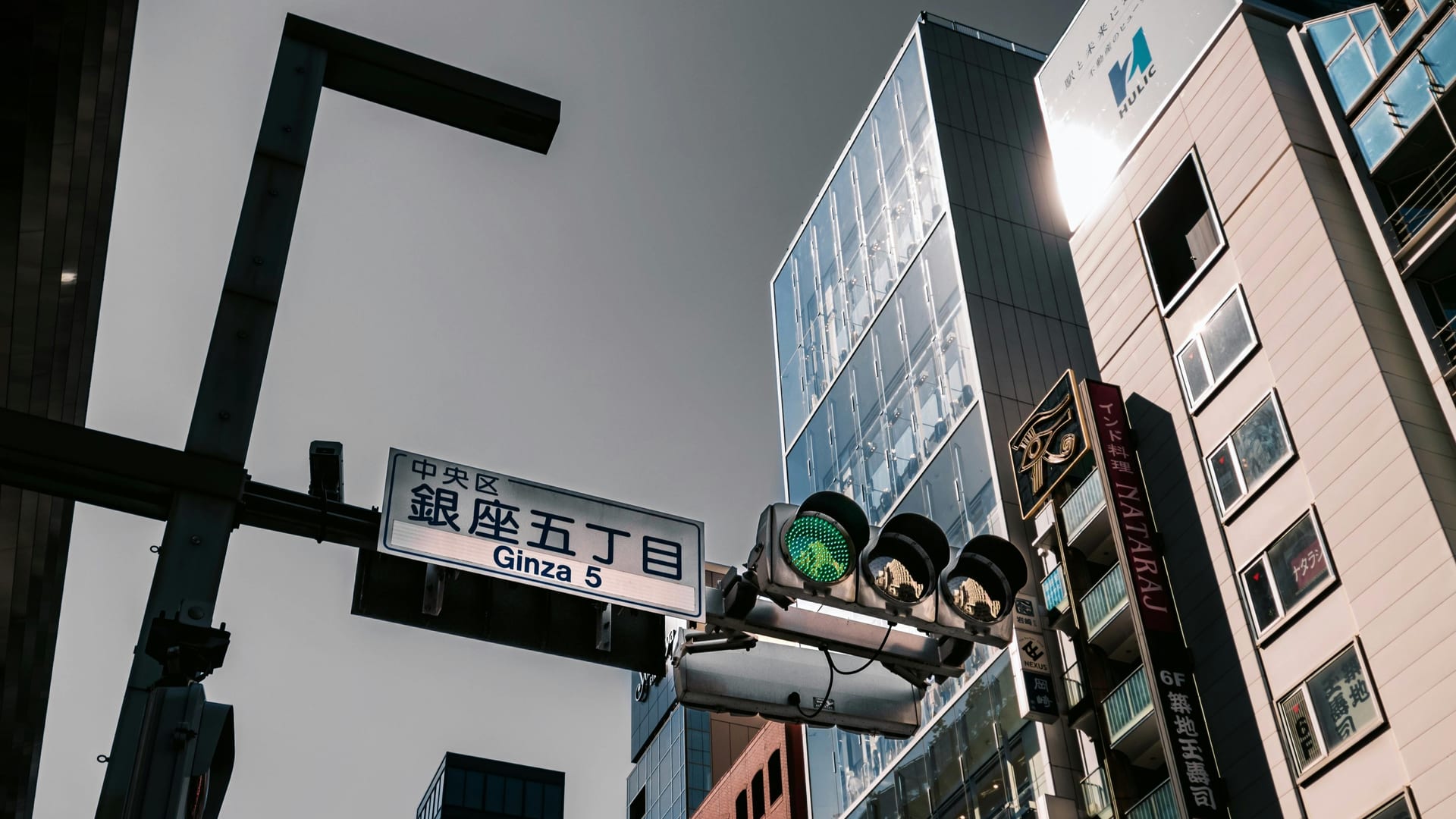
Ginza is Tokyo's most refined and prestigious shopping district, known for its luxury boutiques, elegant department stores, fine dining, art galleries, and polished city atmosphere. Located in central Tokyo near the Imperial Palace and Tokyo Station, Ginza blends modern sophistication with deep cultural history, creating one of the city's most iconic and internationally recognized neighborhoods.
For many visitors, Ginza represents Tokyo at its most elegant.
Wide boulevards lined with designer flagship stores, carefully maintained streets, upscale cafés, and architecturally striking buildings create an atmosphere that feels noticeably different from the fast-moving energy of places like Shibuya or Shinjuku. The district moves at a slower and more polished pace, where shopping, dining, and simply walking the streets become part of the experience itself.
Ginza's reputation as Tokyo's luxury center dates back more than a century.
After a major fire during the Meiji era, the neighborhood was rebuilt with Western-style brick architecture and modern city planning, helping transform it into one of Japan's first modern commercial districts. Today, Ginza remains one of the country's most expensive and prestigious areas, attracting both international visitors and affluent Tokyo residents.
The heart of the district is Chuo-dori, Ginza's main boulevard.

Here, visitors find flagship stores from nearly every major luxury brand in the world, including Chanel, Louis Vuitton, Cartier, Dior, Hermès, Prada, Bulgari, and Tiffany. Many of the buildings themselves are architectural landmarks designed by internationally recognized architects, turning a simple walk through Ginza into an experience focused as much on design and architecture as shopping.
Alongside the international luxury brands, Ginza's historic Japanese department stores remain central to the district's identity.
Mitsukoshi Ginza and Matsuya Ginza have served Tokyo shoppers for generations and continue to offer a distinctly Japanese retail experience. Their beautifully arranged food halls, premium gift selections, cosmetics floors, and attentive customer service make them destinations even for travelers who are not focused on luxury shopping.
Ginza is also one of Tokyo's best neighborhoods for dining.
The district contains an extraordinary range of restaurants, from Michelin-starred sushi counters and high-end kaiseki restaurants to refined cafés, cocktail bars, and elegant dessert shops. Many visitors come to Ginza specifically for sushi experiences and fine dining that reflect Tokyo's reputation as one of the world's great food cities.
One of Ginza's most recognizable cultural landmarks is the Kabukiza Theatre.
The traditional tiled roof and historic design stand in striking contrast to the surrounding modern towers. Kabuki performances continue to be held here regularly, and visitors can purchase single-act tickets for shorter performances without committing to an entire multi-hour production.
Beyond shopping and dining, Ginza has a strong connection to art, design, and craftsmanship.
Small galleries, luxury stationery stores, curated bookstores, and specialty shops are scattered throughout the district. Itoya, Ginza's famous multi-story stationery store, has become a favorite stop for international visitors looking for Japanese paper goods, notebooks, pens, art supplies, and beautifully designed gifts.
Ginza changes character noticeably between day and night.

During the daytime, the district feels bright, elegant, and business-oriented. In the evening, illuminated storefronts, rooftop bars, fine dining restaurants, and glowing architectural facades create a more cinematic and upscale atmosphere across the neighborhood.
Sunday afternoons are especially enjoyable because sections of Chuo-dori close to vehicle traffic and transform into a pedestrian-only promenade known as Hokoten. Visitors can walk freely down the center of the boulevard while appreciating Ginza's architecture and slower-paced atmosphere without traffic passing beside them.
For first-time travelers to Tokyo, Ginza offers a sophisticated side of the city that balances beautifully with Tokyo's more energetic entertainment districts. The combination of luxury shopping, architecture, food, culture, and refined atmosphere makes Ginza one of the capital's most rewarding neighborhoods to explore, even for visitors with no intention of making major purchases.
Things to Do at Ginza
How to Get to Ginza
Ginza is located in central Tokyo between Tokyo Station, the Imperial Palace area, and Tsukiji, making it one of the easiest districts in the city to reach by train or subway. Because of its central location and excellent transportation connections, Ginza is often included in the same itinerary as nearby areas like Marunouchi, Tokyo Station, Tsukiji Outer Market, and the Imperial Palace.
The district is highly walkable and easy to navigate once visitors arrive.
- •Nearest station: Ginza Station, Tokyo Metro Ginza, Marunouchi, and Hibiya Lines
- •IC cards (Suica, Pasmo, or ICOCA) are accepted on trains, subways, and buses throughout Japan. Tap in and out at every gate.
- •Avoid traveling during rush hour on weekdays: 7am to 9am and 5pm to 8pm. Trains are significantly more crowded.
- •Google Maps provides accurate real-time transit directions in Tokyo. Download offline maps before you arrive.
For IC cards, tickets, and full transit basics for Tokyo, see the complete transportation guide.
See the Getting Around Tokyo guide →Map
Best Time to Visit Ginza
Best time to visit Ginza: Sunday afternoons when Chuo-dori closes to traffic for the Hokoten pedestrian mall. Weekday mornings are generally quieter than weekends and public holidays.
- •Best time to visit: Sunday afternoons when Chuo-dori closes to traffic for the Hokoten pedestrian mall
- •Arriving on a weekday morning avoids the largest crowds. Weekends and public holidays are significantly busier.
- •Spring (late March to early May) and autumn (October to November) are the most popular seasons for visiting Tokyo.
- •Golden Week (late April to early May) is the busiest week of the year in Japan. Book accommodation and tickets well in advance.
Entry Fee for Ginza
- •Ginza's main thoroughfare, Chuo-dori, closes to vehicle traffic and becomes a pedestrian-only zone (Hokoten) on Sunday afternoons.
- •Sidewalks throughout Ginza are wide, flat, and have curb cuts, and most department stores and flagship shops have elevators.
Nearby Attractions
Combine with Ginza on the same day

Tsukiji Outer Market

Tokyo Station and Marunouchi District

Imperial Palace East Gardens

Hamarikyu Gardens

Tokyo Tower

Kabukiza Theatre
- •Tsukiji Outer Market (Around 10–15 minutes walk): Tsukiji Outer Market is Tokyo's most famous food market, where hundreds of vendors sell fresh seafood, sushi, street snacks, and kitchen tools. It is a paradise for food lovers visiting Tokyo.
- •Tokyo Station and Marunouchi District (Around 10–15 minutes walk): Tokyo Station is one of Japan's busiest and most architecturally impressive railway hubs, surrounded by the elegant Marunouchi business district with historic brick buildings, luxury hotels, and high-end shopping arcades.
- •Imperial Palace East Gardens (Around 15–20 minutes walk): The Imperial Palace is the residence of Japan's Imperial Family, set on extensive grounds in the heart of Tokyo. The surrounding East Gardens and moat are open to the public and make for a beautiful stroll.
- •Hamarikyu Gardens (Around 15–20 minutes walk or 10–15 minutes by train): Hamarikyu Gardens is a nationally designated Special Historic Site in Chuo, Tokyo, built around Shioiri-no-ike, the only seawater tidal pond among Tokyo's Edo-period gardens. It has an island tea house serving matcha, two preserved Edo-period duck hunting grounds, and a 300-year pine and peony garden, with adult admission at just ¥300.
- •Tokyo Tower (Around 20–30 minutes by train): Tokyo Tower is an iconic 333-meter orange-and-white lattice tower that has symbolized Tokyo since 1958. It offers observation decks with views over the city and Tokyo Bay.
- •Kabukiza Theatre (Within Ginza itself, no travel required): Kabukiza Theatre is Japan's principal kabuki theatre, located in Ginza and operated by Shochiku. Visitors can attend a full multi-hour performance or buy same-day, non-reservable single-act tickets to see one scene at a lower cost and time commitment. Current English support is a paid tablet captioning service; the earlier earphone guide was discontinued in 2015.
Suggested Itinerary
Pair Ginza with these nearby stops for a full day in Ginza / Chuo.
Frequently Asked Questions
Planning Your Tokyo Trip?
See the full Tokyo destination guide or browse Japan itineraries that include this city.
See all Shopping & Entertainment across Japan →Explore all attractions in Tokyo or browse nearby destinations.
Back to Tokyo Guide →