Gotokuji Temple
ExploreJapanDaily Editorial Team · Last updated: August 24, 2026 · Facts verified: August 24, 2026

- Area
- Gotokuji / Setagaya
- Best For
- Culture, Photography, History
- Nearby
- Shimokitazawa
Visiting Gotokuji Temple
Gotokuji Temple is a free-to-enter Soto Zen Buddhist temple in Setagaya, part of the Tokyo travel region, and historically the official family temple of the Ii clan, the daimyo family that ruled Hikone Domain and produced Ii Naosuke, one of the most consequential figures in the final years of the Tokugawa shogunate. Today the temple is far better known for something else entirely: rows of small white maneki-neko (beckoning cat) figurines surrounding its Shofuku-den hall, a sight that has made Gotokuji one of Tokyo's most photographed "lucky cat" destinations. This page covers both sides honestly: the temple's documented Ii-clan history and Soto Zen significance, and the popular maneki-neko legend, framed as the folklore it actually is.
The temple's documented history begins in 1480, when it was founded as Kotokuin by Kira Masatada, the lord of Setagaya Castle, in memory of his aunt. It converted from Rinzai to Soto Zen in 1584, according to Japanese-language historical sources; this earlier period isn't confirmed by the temple's own English-language site and should be read with slightly more caution than what follows. In 1633, once Setagaya came under Hikone Domain and the ruling Ii clan, the temple was designated the Ii family's official bodaiji, or family temple, in the Edo area, and in 1659 it was renamed Gotokuji, honoring the posthumous Buddhist name of Ii Naotaka, the 2nd lord of Hikone Domain.
Gotokuji's cemetery holds the graves of successive Ii clan lords, including Ii Naosuke, the 13th head of the clan and Tairo (Great Elder) of the Tokugawa shogunate, who signed the 1858 Harris Treaty opening Japan to the West and was assassinated in 1860 in the Sakuradamon Incident. The cemetery was designated a National Historic Site in 2008 and, unusually for a daimyo family burial ground, remains open to visitors.
The maneki-neko connection is a different kind of fact: temple-transmitted legend, not independently verified history. The most common version tells of Ii Naotaka, caught in a thunderstorm, following a cat that beckoned him through the temple gate moments before lightning struck where he'd been standing; grateful, he became the temple's patron. Gotokuji isn't the only claimant either. Imado Shrine and Jishoin Temple both make their own competing "birthplace of the maneki-neko" claims, and no single source settles which is correct.
The Shofuku-den figurine display, described as holding over 1,000 figurines with some estimates running into the thousands, is where most visitors actually spend their time: buying a figurine, making a wish, and either leaving it at the temple or taking it home once the wish is granted. Since May 2024, the temple has asked visitors not to write directly on purchased figurines. The grounds themselves are free to enter; only the figurines cost money, approximately ¥500-¥7,000 depending on size.
Gotokuji sits well outside Tokyo's central tourist corridor, so getting here means a genuine, dedicated trip via the Tokyu Setagaya or Odakyu Odawara Lines rather than an easy add-on to a typical sightseeing route; the Getting Around Tokyo guide covers the wider transit conventions this trip relies on. It pairs naturally with a visit to nearby Shimokitazawa, reachable via the Odakyu Line, for travelers who want to turn a temple visit into a fuller half-day out in Setagaya.
Things to Do at Gotokuji Temple
How to Get to Gotokuji Temple
Gotokuji Temple sits in a residential part of Setagaya, well outside Tokyo's central tourist corridor, with two genuinely different station options depending on where you're coming from; the Getting Around Tokyo guide covers the wider transit conventions behind both routes.
- •Nearest station: Miyanosaka Station, Tokyu Setagaya Line (about 3-5 minutes' walk); Gotokuji Station, Odakyu Odawara Line (about 10-15 minutes' walk) as a secondary option
- •IC cards (Suica, Pasmo, or ICOCA) are accepted on trains, subways, and buses throughout Japan. Tap in and out at every gate.
- •Avoid traveling during rush hour on weekdays: 7am to 9am and 5pm to 8pm. Trains are significantly more crowded.
- •Google Maps provides accurate real-time transit directions in Tokyo. Download offline maps before you arrive.
For IC cards, tickets, and full transit basics for Tokyo, see the complete transportation guide.
See the Getting Around Tokyo guide →Map
Best Time to Visit Gotokuji Temple
Best time to visit Gotokuji Temple: Early morning, roughly 7:00-9:00 AM, or a weekday for the quietest visit and the best chance at a full figurine selection before the shop closes; spring for cherry blossoms and azaleas, late autumn for maple foliage. Weekday mornings are generally quieter than weekends and public holidays.
- •Best time to visit: Early morning, roughly 7:00-9:00 AM, or a weekday for the quietest visit and the best chance at a full figurine selection before the shop closes; spring for cherry blossoms and azaleas, late autumn for maple foliage
- •Arriving on a weekday morning avoids the largest crowds. Weekends and public holidays are significantly busier.
- •Spring (late March to early May) and autumn (October to November) are the most popular seasons for visiting Tokyo.
- •Golden Week (late April to early May) is the busiest week of the year in Japan. Book accommodation and tickets well in advance.
Entry Fee & Hours
- •Grounds closing time is inconsistently reported across sources, most commonly 5:00 PM but occasionally 6:00 PM; the temple's own official English site does not state hours at all, so treat 5:00 PM as the better-corroborated figure rather than a single confirmed number.
- •The maneki-neko figurine count is disputed and grows continuously with visitor donations; treat "over 1,000" as a floor rather than an exact figure, since some estimates run into the thousands.
- •The temple's pre-Ii-clan founding detail (the 1480 founding and 1584 Soto Zen conversion) is documented only in Japanese-language historical sources and hasn't been confirmed by the temple's own English-language site.
- •Accessibility notes (flat grounds with some cobblestone sections, a multipurpose restroom) come from independent third-party accounts, not an official temple statement.
Nearby Attractions
Combine with Gotokuji Temple on the same day
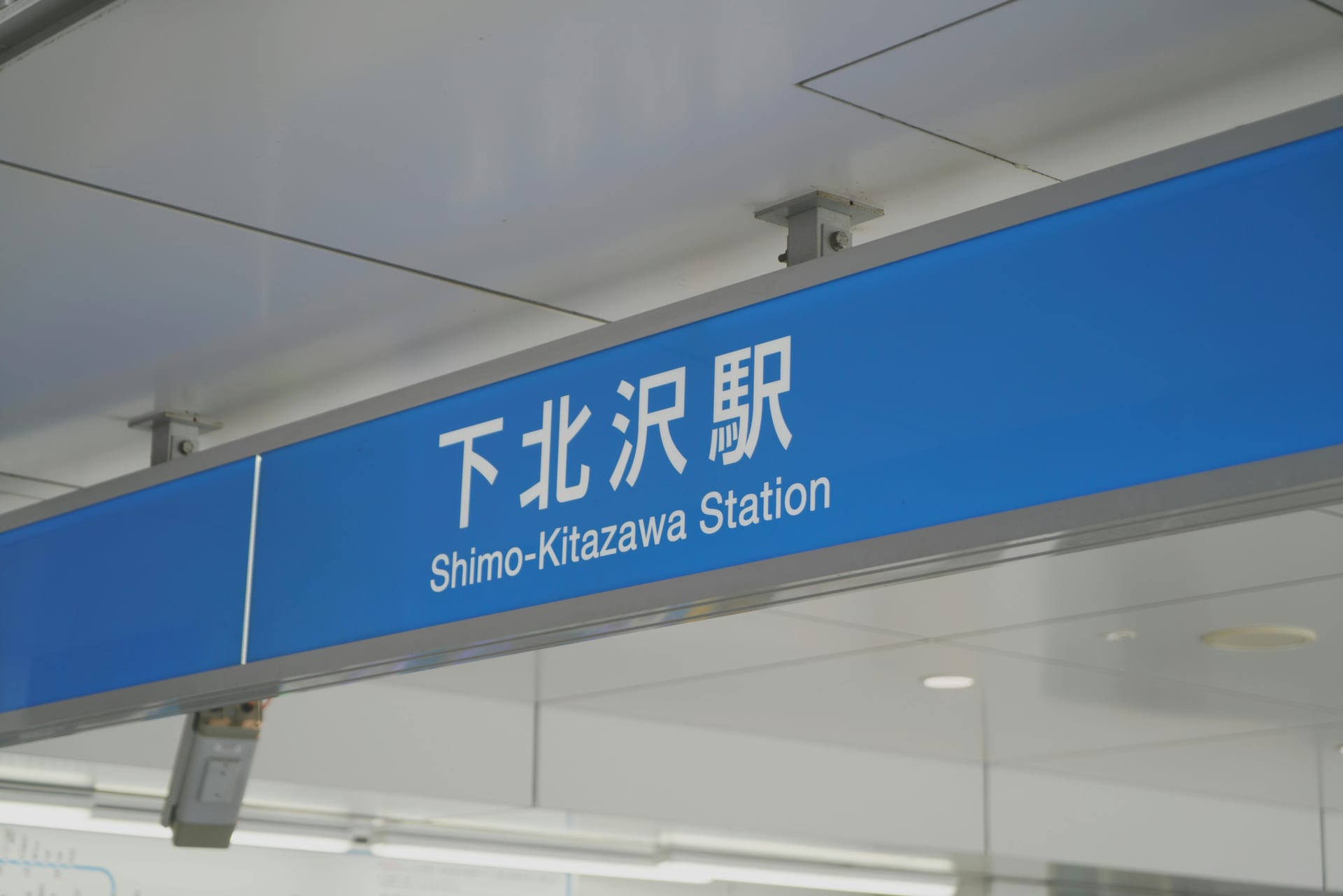
- •Shimokitazawa (Around 10-15 minutes by train (Gotokuji to Shimokitazawa, Odakyu Line)): Shimokitazawa is Tokyo's most beloved bohemian neighborhood, packed with vintage clothing stores, independent cafes, live music venues, and intimate theater spaces in a maze of pedestrian lanes that has resisted the city's commercial tide.
Suggested Itinerary
Pair Gotokuji Temple with these nearby stops for a full day in Gotokuji / Setagaya.
Frequently Asked Questions
Planning Your Tokyo Trip?
See the full Tokyo destination guide or browse Japan itineraries that include this city.
See all Temples & Shrines across Japan →Explore all attractions in Tokyo or browse nearby destinations.
Back to Tokyo Guide →