Shimokitazawa
ExploreJapanDaily Editorial Team · Last updated: June 26, 2026
- Area
- Setagaya
- Best For
- Shopping, Indie Culture, Music, Food
Visiting Shimokitazawa
Shimokitazawa is Tokyo's creative heart, a neighborhood known for vintage fashion, independent cafés, live music venues, bookstores, record shops, and an atmosphere that feels dramatically different from the city's larger commercial districts. Located in western Tokyo within Setagaya ward, Shimokitazawa has long been associated with artists, musicians, students, designers, and creative communities who helped shape its relaxed and independent identity over several decades.
For travelers looking to experience a more local, alternative, and artistic side of Tokyo, Shimokitazawa offers one of the city's most rewarding neighborhoods to explore.
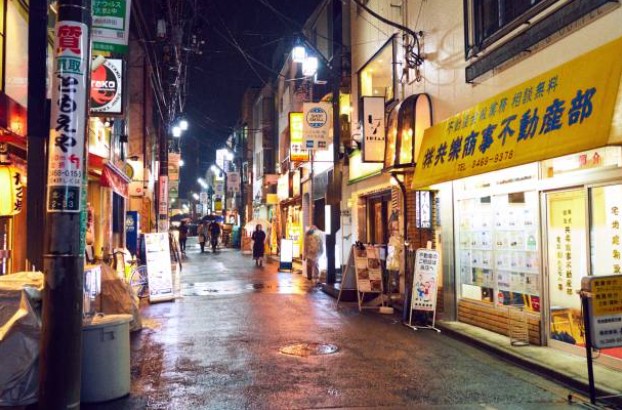
Unlike areas such as Shibuya or Ginza, Shimokitazawa feels intentionally slower and less polished. Narrow pedestrian streets, small alleyways, low-rise buildings, handwritten signs, and independent storefronts create an atmosphere that feels personal rather than corporate. The neighborhood is designed less around sightseeing landmarks and more around wandering, discovery, and atmosphere.
The area is especially famous for vintage clothing.
Dozens of secondhand stores are spread throughout the neighborhood selling Japanese streetwear, imported American vintage clothing, denim, military jackets, designer fashion, retro sneakers, and unique accessories. Some stores focus on affordable everyday fashion, while others specialize in carefully curated vintage collections sought after by serious fashion enthusiasts.
Shimokitazawa has become one of Tokyo's most important neighborhoods for vintage shopping culture.

Music is equally central to the district's identity.
Small live houses, underground music venues, basement bars, and intimate performance spaces are scattered throughout the neighborhood. Since the 1980s, Shimokitazawa has served as one of Tokyo's major centers for independent music, alternative bands, and emerging artists. Many venues host performances almost every night, creating a neighborhood atmosphere deeply connected to local creative culture.
Even visitors unfamiliar with Japanese music often enjoy the intimate energy of these small venues.
Coffee culture also plays a major role in Shimokitazawa's appeal.
Independent cafés fill the side streets with carefully designed interiors, specialty coffee, vintage furniture, handmade desserts, vinyl music, and quiet spaces that encourage visitors to slow down. Many cafés feel highly personal and reflect the tastes and personalities of the people running them.
Spending an afternoon café-hopping through the neighborhood has become one of the most popular ways to experience Shimokitazawa.

The neighborhood also attracts visitors interested in books, art, film, and design culture.
Small bookstores, theaters, galleries, vinyl shops, handmade craft stores, and independent boutiques appear throughout the district, often hidden above staircases or inside narrow side alleys. Much of Shimokitazawa's charm comes from these unexpected discoveries rather than major tourist attractions.
Compared to Tokyo's larger entertainment districts, Shimokitazawa feels notably more relaxed.
The atmosphere becomes especially pleasant during late afternoons and evenings when cafés fill with locals, record shops begin playing music into the streets, and small bars and live houses gradually come alive. The neighborhood feels social and creative without becoming overwhelming.
Weekend afternoons are usually the busiest periods, particularly for vintage shopping and café culture. At the same time, mornings remain relatively calm and are ideal for slower exploration before crowds arrive.
What makes Shimokitazawa particularly appealing for international travelers is how naturally local the area still feels despite growing popularity. Many visitors come here specifically to experience everyday creative Tokyo life outside the city's larger commercial sightseeing districts.
Rather than focusing on major landmarks or scheduled attractions, Shimokitazawa rewards curiosity, slow walking, spontaneous discoveries, and conversations with shop owners and café staff.
For travelers seeking Tokyo's independent creative culture rather than just its major tourist icons, Shimokitazawa remains one of the city's most authentic and memorable neighborhoods to explore.
Things to Do at Shimokitazawa
How to Get to Shimokitazawa
Shimokitazawa is located in western Tokyo within Setagaya ward and is easily accessible from major neighborhoods like Shibuya and Shinjuku. Despite its relaxed atmosphere and small-scale streets, the neighborhood is very well connected by train and has become one of Tokyo's most popular districts for vintage shopping, café culture, and independent music.
Because the area is compact and highly walkable, most visitors explore Shimokitazawa entirely on foot after arriving.
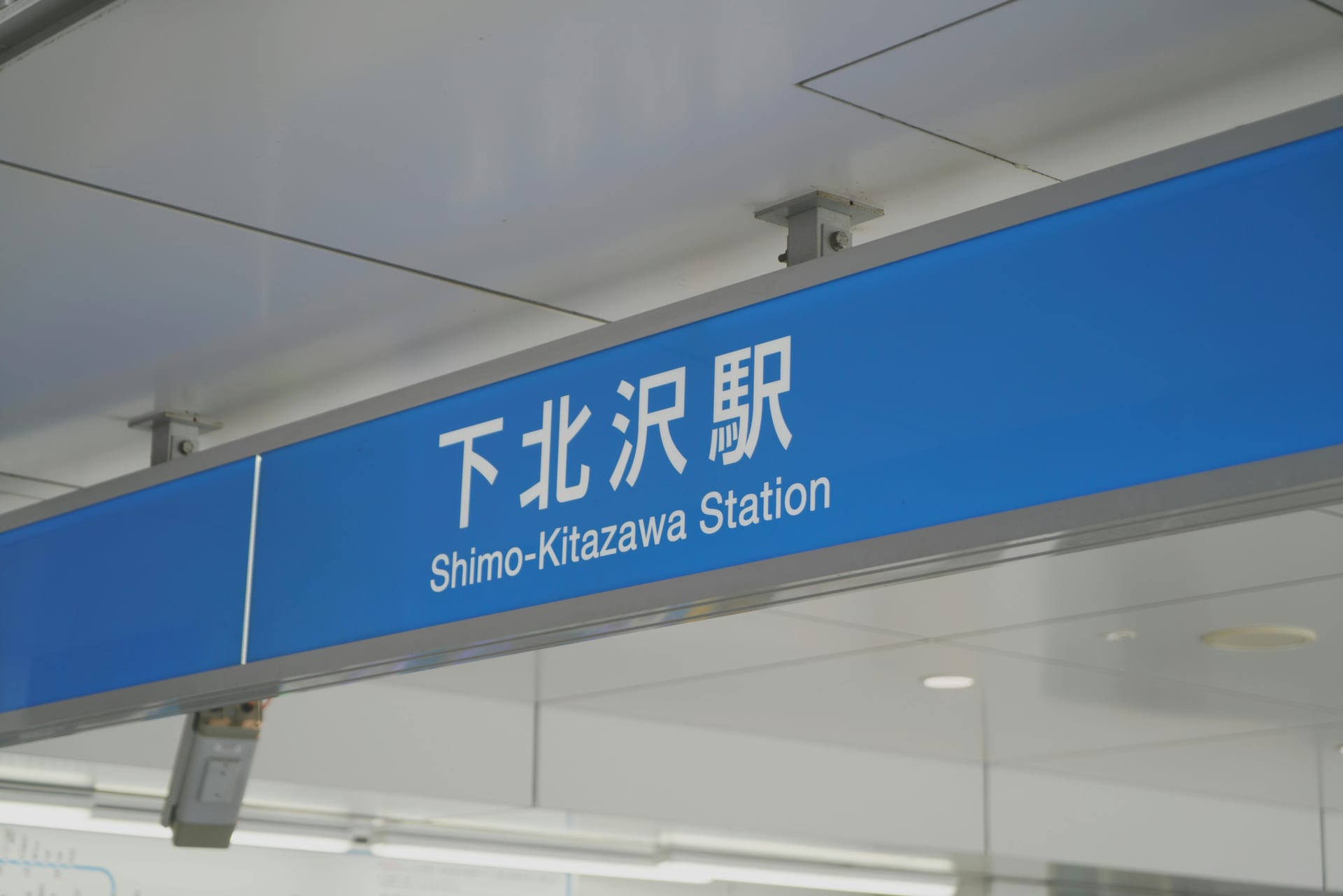
- •Nearest station: Shimokitazawa Station, Odakyu Line / Keio Inokashira Line (central to the neighborhood)
- •IC cards (Suica, Pasmo, or ICOCA) are accepted on trains, subways, and buses throughout Japan. Tap in and out at every gate.
- •Avoid traveling during rush hour on weekdays: 7am to 9am and 5pm to 8pm. Trains are significantly more crowded.
- •Google Maps provides accurate real-time transit directions in Tokyo. Download offline maps before you arrive.
For IC cards, tickets, and full transit basics for Tokyo, see the complete transportation guide.
See the Getting Around Tokyo guide →Map
Best Time to Visit Shimokitazawa
Best time to visit Shimokitazawa: Weekend afternoons for markets and a lively street atmosphere. Weekday mornings are generally quieter than weekends and public holidays.
- •Best time to visit: Weekend afternoons for markets and a lively street atmosphere
- •Arriving on a weekday morning avoids the largest crowds. Weekends and public holidays are significantly busier.
- •Spring (late March to early May) and autumn (October to November) are the most popular seasons for visiting Tokyo.
- •Golden Week (late April to early May) is the busiest week of the year in Japan. Book accommodation and tickets well in advance.
Entry Fee for Shimokitazawa
- •The streets around Shimokitazawa are narrow, sometimes uneven, and hilly in places, with few lowered curbs; many small shops, cafes, and live music venues have a step at the entrance or are located in basements without elevator access.
- •Wheelchair and stroller users should plan routes carefully; the covered shopping arcade near the station is the flattest and most manageable area.
Nearby Attractions
Combine with Shimokitazawa on the same day

Shibuya Crossing

Harajuku and Takeshita Street

Yoyogi Park

Meiji Shrine

Meguro River

Gotokuji Temple
- •Shibuya Crossing (Around 10–15 minutes by train): Shibuya Crossing is the world's busiest pedestrian intersection, where up to 3,000 people cross simultaneously from all directions. It is one of Tokyo's most iconic and energetic sights.
- •Harajuku and Takeshita Street (Around 20–30 minutes by train): Harajuku is Tokyo's center of youth fashion and pop culture, with pedestrian Takeshita Street packed with quirky boutiques, crepe stands, and kawaii culture. It is the birthplace of some of Japan's most iconic fashion trends.
- •Yoyogi Park (Around 20–25 minutes by train): Yoyogi Park is a free, always-open public metropolitan park in Shibuya, directly beside Meiji Shrine but separately managed, with wide lawns, a dog run, a cycling center, cherry blossoms in spring, and a lively weekend gathering culture of street performers. The 2025 BE STAGE redevelopment added a free skateboard plaza and a small dining zone.
- •Meiji Shrine (Around 25–30 minutes by train): Meiji Shrine is a serene Shinto shrine dedicated to Emperor Meiji, set within a 700-acre forested sanctuary in the heart of Tokyo. It offers a peaceful escape from the city bustle.
- •Meguro River (Around 15-20 minutes by train (Keio Inokashira Line to Shibuya, transfer to Tokyu Toyoko Line)): The Meguro River is one of Tokyo's most photographed cherry blossom spots, where roughly 800 sakura trees form a low pink canopy over the water for about 3.8km through Nakameguro. It is free to walk at any time of year, with a lively spring festival and evening illumination during the roughly two-week bloom window.
- •Gotokuji Temple (Around 10-15 minutes by train (Shimokitazawa to Gotokuji, Odakyu Line)): Gotokuji Temple is a free-to-enter Soto Zen Buddhist temple in Setagaya, historically the Ii clan's family temple and home to Ii Naosuke's grave, a National Historic Site. It's popularly known as a birthplace claimant of the maneki-neko legend, whose rows of small white cat figurines at Shofuku-den are its best-known sight, though the legend itself is folklore rather than documented history. The grounds are free; figurines are purchased separately.
Suggested Itinerary
Pair Shimokitazawa with these nearby stops for a full day in Setagaya.
Frequently Asked Questions
Planning Your Tokyo Trip?
See the full Tokyo destination guide or browse Japan itineraries that include this city.
See all Shopping & Entertainment across Japan →Explore all attractions in Tokyo or browse nearby destinations.
Back to Tokyo Guide →