Kichijoji
ExploreJapanDaily Editorial Team · Last updated: August 28, 2026 · Facts verified: August 28, 2026

- Area
- Kichijoji / Musashino
- Best For
- Shopping, Cafes & Food, Local Atmosphere
Visiting Kichijoji
Kichijoji is one of Tokyo's most talked-about neighborhoods, not for a single landmark but for the whole package: a large city park at its doorstep, three distinct shopping streets, a dense cluster of cafes and small bars, and a reputation among Tokyo residents themselves as one of the best places in the city to actually live.
It is worth settling one point of geography immediately, since it trips up a lot of first-time visitors.
Kichijoji sits within Musashino City, a separate municipality from central Tokyo's 23 special wards, not Mitaka. The Ghibli Museum, which many visitors associate closely with Kichijoji, is actually across the municipal border in neighboring Mitaka City, reachable on foot through Inokashira Park. The two places are close enough to combine into one day, but they are not the same municipality, and this page covers Kichijoji itself.
Kichijoji's reputation as a place to live is not just local pride or marketing copy.
Daito Trust Construction's 'Ii Heya Net' livability ranking placed Kichijoji first in Greater Tokyo for an eighth consecutive year in its 2026 survey, and it has appeared at or near the top of nearly every major 'best place to live in Tokyo' ranking for over a decade. Other surveys tell a slightly different story: a 2025 SUUMO ranking and a 2026 Recruit-affiliated ranking both placed Kichijoji third, behind Yokohama and Omiya, for broadly the same period. The exact rank varies by survey, but the underlying pattern does not: Kichijoji shows up at or near the very top of almost every list.
The reasons cited are consistent across the different surveys: a large park within walking distance of the station, a dense concentration of shopping and dining without a long commute to reach it, a generally safe, family-friendly reputation, and a train ride into central Tokyo short enough to make daily commuting genuinely practical.
None of that is really about being a tourist destination, though. Travelers respond to a related but different question: does a neighborhood known for being livable also make for a good visit.
The answer for Kichijoji is yes, largely for the same underlying reasons residents value it. The park, the shopping streets, and the food and cafe culture that make it pleasant to live in are exactly what make it pleasant to spend an afternoon in as a visitor.
The neighborhood's atmosphere sits somewhere between Tokyo's biggest commercial districts and its quietest residential streets.
Kichijoji is busier and more retail-dense than a purely residential area, but it never feels like Shibuya or Shinjuku's scale of crowds and neon. Weekday mornings and early afternoons are noticeably calmer than weekends, when local families and day-tripping Tokyoites alike fill the shopping streets and the park.
Kichijoji Station itself sits on both the JR Chuo/Sobu Line and the Keio Inokashira Line, which puts the neighborhood within a short, direct ride of Shinjuku, Shibuya, and Tokyo Station, close enough for a half-day visit without an early start.
Things to Do at Kichijoji
How to Get to Kichijoji
Kichijoji sits in Musashino City, western Tokyo, and is one of the best-connected neighborhoods outside the 23 special wards, served directly by both the JR Chuo/Sobu Line and the Keio Inokashira Line.
Because Kichijoji Station sits at the center of the neighborhood, with Sun Road, Daiyagai, and the entrance to Inokashira Park all within a few minutes' walk of its exits, most visitors explore the entire area on foot after arriving.
- •Nearest station: Kichijoji Station, JR Chuo/Sobu Line and Keio Inokashira Line
- •IC cards (Suica, Pasmo, or ICOCA) are accepted on trains, subways, and buses throughout Japan. Tap in and out at every gate.
- •Avoid traveling during rush hour on weekdays: 7am to 9am and 5pm to 8pm. Trains are significantly more crowded.
- •Google Maps provides accurate real-time transit directions in Tokyo. Download offline maps before you arrive.
For IC cards, tickets, and full transit basics for Tokyo, see the complete transportation guide.
See the Getting Around Tokyo guide →Map
Best Time to Visit Kichijoji
Best time to visit Kichijoji: Weekdays for a calmer visit; the neighborhood has no single peak season, though nearby Inokashira Park draws heavier weekend crowds during cherry blossom season. Weekday mornings are generally quieter than weekends and public holidays.
- •Best time to visit: Weekdays for a calmer visit; the neighborhood has no single peak season, though nearby Inokashira Park draws heavier weekend crowds during cherry blossom season
- •Arriving on a weekday morning avoids the largest crowds. Weekends and public holidays are significantly busier.
- •Spring (late March to early May) and autumn (October to November) are the most popular seasons for visiting Tokyo.
- •Golden Week (late April to early May) is the busiest week of the year in Japan. Book accommodation and tickets well in advance.
Entry Fee for Kichijoji
- •Sun Road and Daiyagai are both covered, mostly flat, and stroller/wheelchair-friendly; the covered arcades are the easiest, most step-free areas to navigate.
- •Harmonica Yokocho's alleys are narrow, sometimes uneven, and many of its tiny bars have a step at the entrance or no space for a wheelchair or stroller to enter; it is better suited to browsing than full accessibility.
- •Train fares quoted in this guide were current as of this page's factVerificationDate; JR East and Keio periodically revise fares, so confirm current pricing on the operator's site before a trip.
Nearby Attractions
Combine with Kichijoji on the same day

Inokashira Park

Ghibli Museum
Shimokitazawa
- •Inokashira Park (Directly adjacent, a few minutes on foot): Inokashira Park is a free, always-open public park in western Tokyo, spanning Musashino and Mitaka around a spring-fed central pond. It has rowboat, cycle boat, and swan boat rentals, a small zoo, roughly 500 cherry trees, and sits a five-minute walk from Kichijoji Station, directly beside the Ghibli Museum.
- •Ghibli Museum (Around 15-20 minutes walk through Inokashira Park): The Ghibli Museum in Mitaka is a Studio Ghibli-themed museum designed by Hayao Miyazaki, known for its maze-like layout, exclusive short films, and strict advance-reservation-only ticketing. It sits at the edge of Inokashira Park, west of central Tokyo.
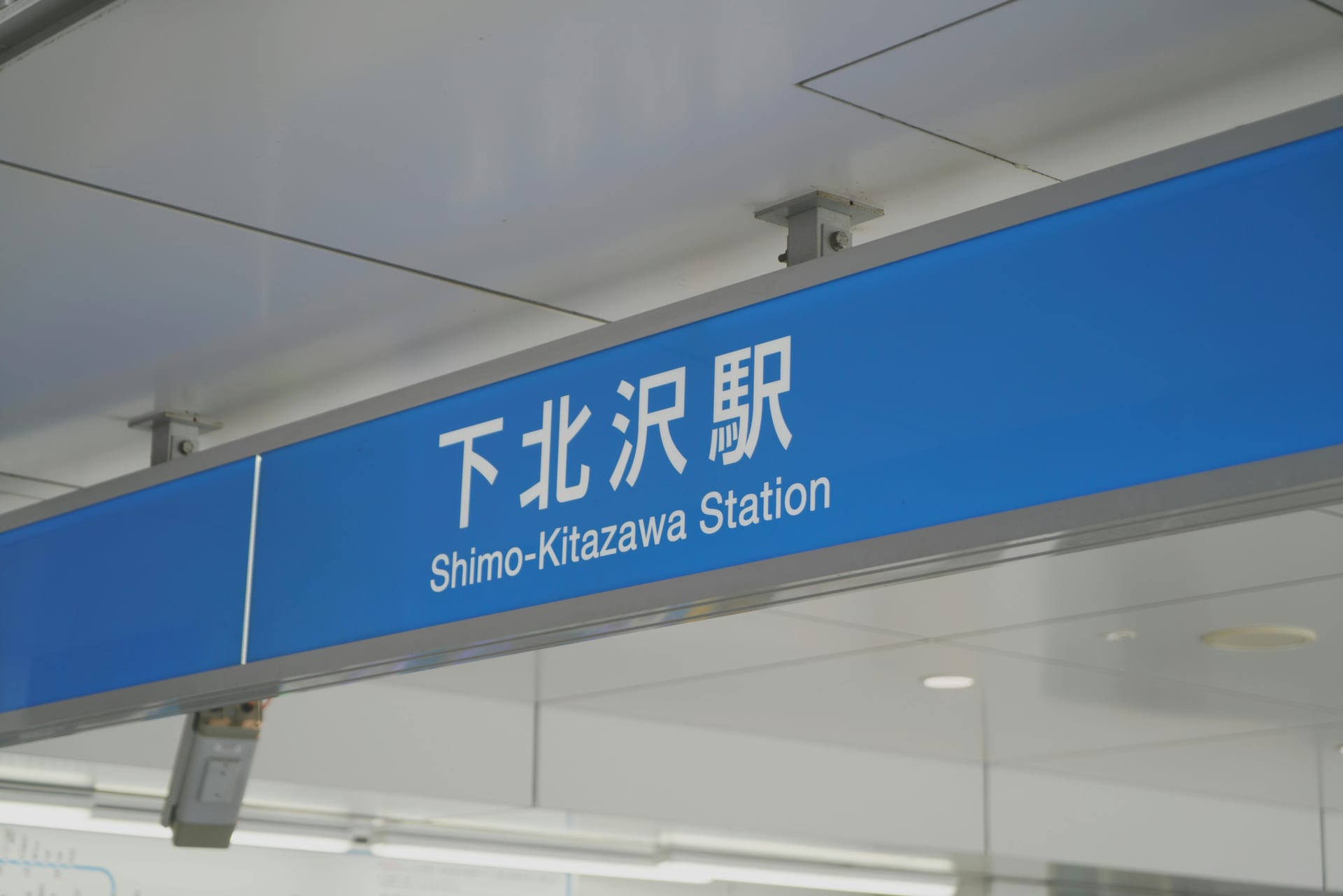
- •Shimokitazawa (Around 15-20 minutes by train (Keio Inokashira Line, direct)): Shimokitazawa is Tokyo's most beloved bohemian neighborhood, packed with vintage clothing stores, independent cafes, live music venues, and intimate theater spaces in a maze of pedestrian lanes that has resisted the city's commercial tide.
Suggested Itinerary
Pair Kichijoji with these nearby stops for a full day in Kichijoji / Musashino.
Frequently Asked Questions
Planning Your Tokyo Trip?
See the full Tokyo destination guide or browse Japan itineraries that include this city.
See all Shopping & Entertainment across Japan →Explore all attractions in Tokyo or browse nearby destinations.
Back to Tokyo Guide →