Omotesando
ExploreJapanDaily Editorial Team · Last updated: August 24, 2026 · Facts verified: August 24, 2026

- Area
- Harajuku / Minato
- Best For
- Shopping, Architecture, Photography
Visiting Omotesando
Omotesando is a free, tree-lined boulevard running from the entrance of Meiji Shrine toward Aoyama-dori, part of the Tokyo travel region. Its name literally means "front approach," because the street was built in the Taisho era (1912-1926) as the formal, ceremonial approach to Meiji Shrine, dedicated to Emperor Meiji and Empress Shoken. That origin still shapes the street today: it runs wide, straight, and tree-lined precisely because it was designed as a dignified processional route, not a shopping street.
Over the following century, Omotesando grew into something its Taisho-era planners never anticipated: one of the world's most internationally documented "architectural showcase streets," where flagship stores designed by celebrated architects sit within a short walk of one another. GO TOKYO, the official Tokyo tourism site, calls it "Tokyo's answer to the Champs-Elysees," a framing echoed by nearly every source that covers the boulevard.
It's easy to confuse Omotesando with its next-door neighbor, Harajuku and Takeshita Street, and the two are often visited back to back. But they are genuinely different places with genuinely different visitor experiences. Takeshita Street is loud, narrow, youth-fashion-driven, and consistently crowded. Omotesando is wide, calm, and architecture-forward, built around upscale flagship stores rather than crepe stands and pop culture. Think of Omotesando as Harajuku's more polished, more grown-up counterpart rather than a sub-stop of the same neighborhood; see Omotesando vs. Harajuku below for a direct comparison.
The boulevard's most photographed anchor, Omotesando Hills, only dates to 2005. Before that, the same site held the Dojunkai Aoyama Apartments, a 1927 post-earthquake housing complex that had itself become a landmark. When Tadao Ando redeveloped the site for Mori Building, he deliberately preserved the earlier buildings' scale and one section of their facade rather than erasing the site's history entirely, a design choice explored further below.
One more fact worth knowing before visiting: Omotesando genuinely spans two different wards. See Where Is Omotesando (Shibuya or Minato?) below for exactly where the boundary falls and why it matters.
Things to Do at Omotesando
How to Get to Omotesando
Omotesando runs between two natural access points rather than a single station, so which stop to use depends on which end of the boulevard you're heading to first.
- •Nearest station: Omotesando Station, Tokyo Metro Ginza, Chiyoda, and Hanzomon Lines (Aoyama-dori end); Meiji-jingumae Station, Tokyo Metro Chiyoda and Fukutoshin Lines, and Harajuku Station, JR Yamanote Line (Jingumae/Meiji Shrine end)
- •IC cards (Suica, Pasmo, or ICOCA) are accepted on trains, subways, and buses throughout Japan. Tap in and out at every gate.
- •Avoid traveling during rush hour on weekdays: 7am to 9am and 5pm to 8pm. Trains are significantly more crowded.
- •Google Maps provides accurate real-time transit directions in Tokyo. Download offline maps before you arrive.
For IC cards, tickets, and full transit basics for Tokyo, see the complete transportation guide.
See the Getting Around Tokyo guide →Map
Best Time to Visit Omotesando
Best time to visit Omotesando: Weekday mornings for a quiet, architecture-focused walk; the winter illumination season (early to late December) for the boulevard's most photographed evening atmosphere. Weekday mornings are generally quieter than weekends and public holidays.
- •Best time to visit: Weekday mornings for a quiet, architecture-focused walk; the winter illumination season (early to late December) for the boulevard's most photographed evening atmosphere
- •Arriving on a weekday morning avoids the largest crowds. Weekends and public holidays are significantly busier.
- •Spring (late March to early May) and autumn (October to November) are the most popular seasons for visiting Tokyo.
- •Golden Week (late April to early May) is the busiest week of the year in Japan. Book accommodation and tickets well in advance.
Entry Fee & Hours
- •Omotesando is an open public street with no gate hours or entrance fee; only purchases made inside individual stores are priced separately.
- •Accessibility: sidewalks run wide and generally smooth the length of the boulevard, with one long, gradual incline; Omote-sando Station's platforms are wheelchair accessible, per Tokyo Metro's own accessibility notes. No single official accessibility statement covers the street itself, so treat this as general guidance rather than one confirmed rule.
- •Photography of the street and its architecture is welcome from public sidewalks; some stores restrict interior photography as a matter of general courtesy rather than one posted policy. The Omotesando Hills atrium's spiral ramp and the winter illumination are the two most consistently recommended photography subjects.
- •Most stores close by 20:00-21:00, so there isn't much nightlife on the boulevard itself outside the winter illumination season. If visiting in December, check that year's current illumination dates rather than assuming they repeat exactly from a previous year.
Nearby Attractions
Combine with Omotesando on the same day

Meiji Shrine

Harajuku and Takeshita Street
Shibuya Sky
- •Meiji Shrine (Around 5-10 minutes walk): Meiji Shrine is a serene Shinto shrine dedicated to Emperor Meiji, set within a 700-acre forested sanctuary in the heart of Tokyo. It offers a peaceful escape from the city bustle.
- •Harajuku and Takeshita Street (Around 5-10 minutes walk): Harajuku is Tokyo's center of youth fashion and pop culture, with pedestrian Takeshita Street packed with quirky boutiques, crepe stands, and kawaii culture. It is the birthplace of some of Japan's most iconic fashion trends.
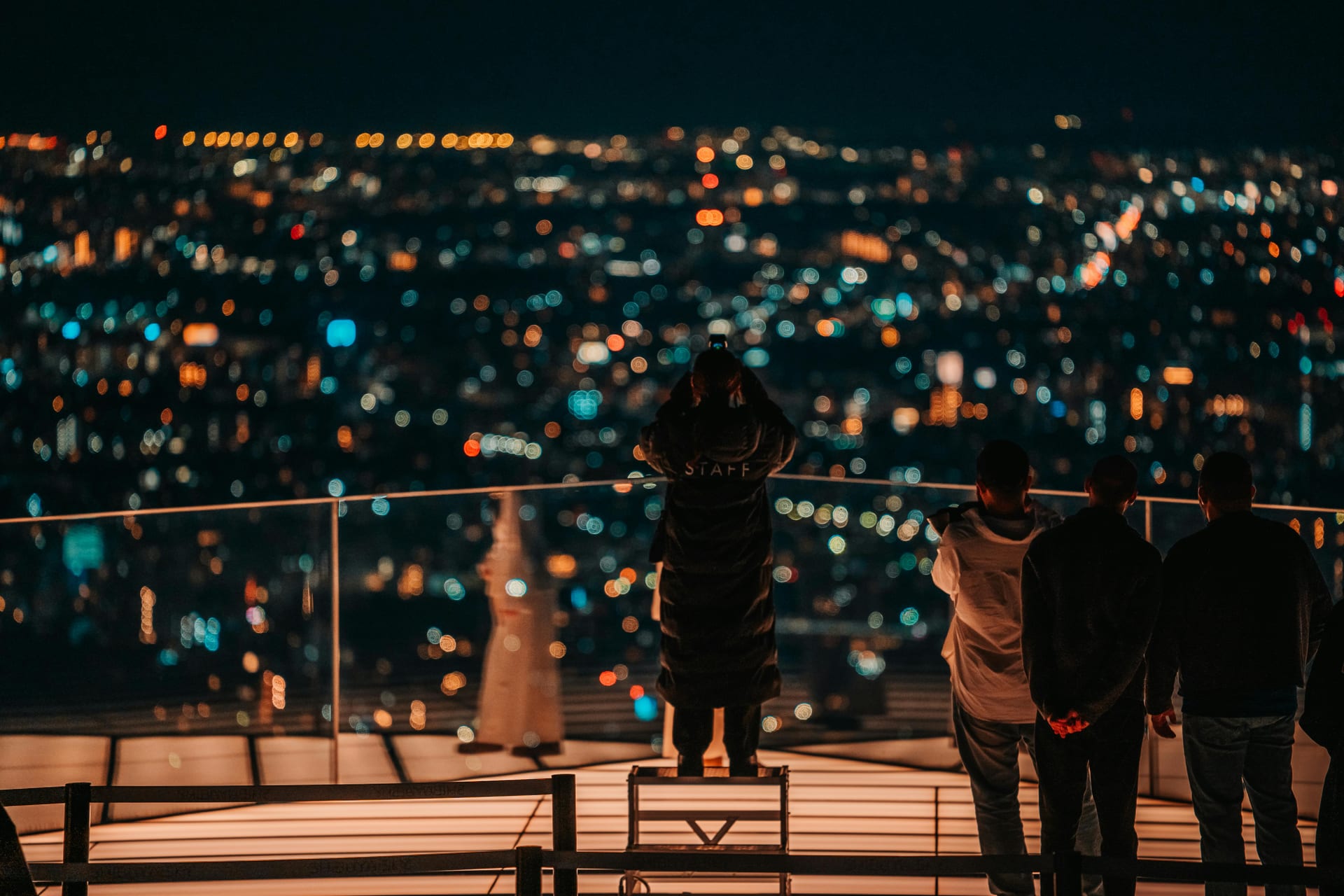
- •Shibuya Sky (Around 15-20 minutes walk or 5-10 minutes by train): Shibuya Sky is an open-air observation rooftop on the 46th floor of Shibuya Scramble Square, offering unobstructed 360-degree views over Shibuya Crossing, Mount Fuji, and the full Tokyo skyline.
Suggested Itinerary
Pair Omotesando with these nearby stops for a full day in Harajuku / Minato.
Frequently Asked Questions
Planning Your Tokyo Trip?
See the full Tokyo destination guide or browse Japan itineraries that include this city.
See all Shopping & Entertainment across Japan →Explore all attractions in Tokyo or browse nearby destinations.
Back to Tokyo Guide →