Meiji Shrine
ExploreJapanDaily Editorial Team · Last updated: June 26, 2026

- Area
- Harajuku / Shibuya
- Best For
- Culture, Nature, Photography, Peaceful Walks
Visiting Meiji Shrine
Meiji Shrine is one of Tokyo's most peaceful and spiritually significant places, offering a completely different atmosphere from the surrounding neighborhoods of Harajuku and Shibuya. Dedicated to Emperor Meiji and Empress Shoken, the shrine was established in 1920 to honor the imperial couple who guided Japan through the dramatic transformation from an isolated feudal nation into a modern world power during the Meiji era.
Today, Meiji Shrine remains one of Japan's most important Shinto sites and welcomes millions of visitors every year who come to experience its history, forested surroundings, cultural traditions, and quiet atmosphere in the middle of one of the busiest cities on earth.
What makes Meiji Shrine so memorable is not simply the shrine buildings themselves, but the feeling of entering an entirely different world within Tokyo.
The moment visitors pass beneath the massive wooden torii gate at the entrance, the noise of the city begins to disappear. Towering trees line the wide gravel pathways while sunlight filters softly through the forest canopy above. Despite being located beside some of Tokyo's busiest shopping streets, the shrine grounds feel calm, spacious, and deeply removed from the pace of the surrounding city.

The walk toward the main shrine is one of the most important parts of the experience.
The long forested paths create a gradual transition from modern Tokyo into a quieter and more reflective environment. Many visitors naturally slow their pace here, taking in the sound of footsteps on gravel, distant birds, and the peaceful atmosphere that surrounds the shrine grounds. The contrast feels especially striking for travelers arriving directly from nearby Harajuku's crowded fashion streets and neon-filled intersections.

At the center of the complex stands the main shrine building, constructed in a traditional Shinto architectural style using Japanese cypress wood and copper roofing. Visitors gather respectfully in front of the main hall to bow, clap their hands in prayer, and make offerings following traditional Shinto customs. Nearby areas allow visitors to purchase omamori lucky charms, write wishes on wooden ema plaques, or draw omikuji fortune slips for guidance and good fortune.

Beyond the main shrine area, Meiji Jingu Gyoen, the inner garden, offers an even quieter experience hidden deeper within the forest grounds. The garden includes walking paths, seasonal flowers, a traditional tea house, and the famous iris garden that blooms beautifully during early summer. Compared to the main pathways near the shrine entrance, the garden feels more secluded and peaceful, making it especially popular with visitors looking to escape the crowds of central Tokyo.
One of the most remarkable things about Meiji Shrine is how effectively it creates a sense of calm despite its location in the center of the city. Even during busy travel seasons, the massive forest surrounding the shrine absorbs much of the noise and movement, allowing visitors to experience moments of genuine quiet that are surprisingly rare in Tokyo.
The atmosphere also changes beautifully throughout the year.
Spring brings fresh greenery and soft sunlight through the forest paths. Summer creates deep green landscapes and shaded walking areas that feel cooler than the surrounding city streets. Autumn colors transform sections of the grounds into rich gold and red tones, while winter mornings often feel crisp, peaceful, and almost meditative.
During New Year celebrations, Meiji Shrine becomes one of the most visited religious sites in the world. Millions of people visit during Japan's traditional hatsumode, the first shrine visit of the new year, turning the usually peaceful pathways into an extraordinary cultural gathering filled with food stalls, prayers, and celebration.
For first-time travelers to Japan, Meiji Shrine offers something many Tokyo attractions cannot: a chance to slow down completely. The combination of towering forest paths, traditional architecture, spiritual customs, and quiet atmosphere creates an experience that feels deeply connected to both Japanese history and modern Tokyo life at the same time.
Things to Do at Meiji Shrine
How to Get to Meiji Shrine
Meiji Shrine is located in the Shibuya district of Tokyo beside Harajuku and Yoyogi Park, making it one of the easiest major cultural attractions in the city to access by train. Despite being surrounded by some of Tokyo's busiest neighborhoods, the shrine itself feels remarkably peaceful once you enter the forested grounds.
The shrine is directly connected to both Harajuku Station and Meiji-jingumae Station, allowing visitors to reach the entrance within just a few minutes on foot. For many travelers, visiting Meiji Shrine becomes an easy addition to a day exploring Harajuku, Omotesando, or Shibuya.
- •Nearest station: Harajuku Station, JR Yamanote Line (2-minute walk), or Meiji-Jingumae Station, Tokyo Metro Chiyoda Line
- •IC cards (Suica, Pasmo, or ICOCA) are accepted on trains, subways, and buses throughout Japan. Tap in and out at every gate.
- •Avoid traveling during rush hour on weekdays: 7am to 9am and 5pm to 8pm. Trains are significantly more crowded.
- •Google Maps provides accurate real-time transit directions in Tokyo. Download offline maps before you arrive.
For IC cards, tickets, and full transit basics for Tokyo, see the complete transportation guide.
See the Getting Around Tokyo guide →Map
Best Time to Visit Meiji Shrine
Best time to visit Meiji Shrine: Early morning on weekdays, or New Year's Day for hatsumode. Weekday mornings are generally quieter than weekends and public holidays.
- •Best time to visit: Early morning on weekdays, or New Year's Day for hatsumode
- •Arriving on a weekday morning avoids the largest crowds. Weekends and public holidays are significantly busier.
- •Spring (late March to early May) and autumn (October to November) are the most popular seasons for visiting Tokyo.
- •Golden Week (late April to early May) is the busiest week of the year in Japan. Book accommodation and tickets well in advance.
Entry Fee for Meiji Shrine
- •The shrine grounds are free to enter and open daily from sunrise to sunset. The Inner Garden (Meiji Jingu Gyoen) charges a separate ¥500 (~$3) admission and is open 9:00 AM to 4:30 PM from March to October, and 9:00 AM to 4:00 PM from November to February.
- •A paved, step-free route runs alongside the gravel main approach for wheelchair users, and the main prayer hall has a ramp for wheelchair access.
- •One wheelchair-accessible restroom is available near the main prayer area.
Nearby Attractions
Combine with Meiji Shrine on the same day

Yoyogi Park

Harajuku and Takeshita Street

Omotesando

Shibuya Crossing
Shibuya Sky
- •Yoyogi Park (Directly beside Meiji Shrine): Yoyogi Park is a free, always-open public metropolitan park in Shibuya, directly beside Meiji Shrine but separately managed, with wide lawns, a dog run, a cycling center, cherry blossoms in spring, and a lively weekend gathering culture of street performers. The 2025 BE STAGE redevelopment added a free skateboard plaza and a small dining zone.
- •Harajuku and Takeshita Street (Around 5 minutes walk): Harajuku is Tokyo's center of youth fashion and pop culture, with pedestrian Takeshita Street packed with quirky boutiques, crepe stands, and kawaii culture. It is the birthplace of some of Japan's most iconic fashion trends.
- •Omotesando (Around 10 minutes walk): Omotesando is a free, tree-lined boulevard in Tokyo's Harajuku and Aoyama area, originally built as the formal approach to Meiji Shrine. Known internationally as an architectural showcase street, it's lined with flagship buildings by Tadao Ando, SANAA, and Toyo Ito alongside luxury stores like Dior, Tod's, and Prada, and it spans both Shibuya-ku and Minato-ku.
- •Shibuya Crossing (Around 15–20 minutes walk or a few minutes by train): Shibuya Crossing is the world's busiest pedestrian intersection, where up to 3,000 people cross simultaneously from all directions. It is one of Tokyo's most iconic and energetic sights.
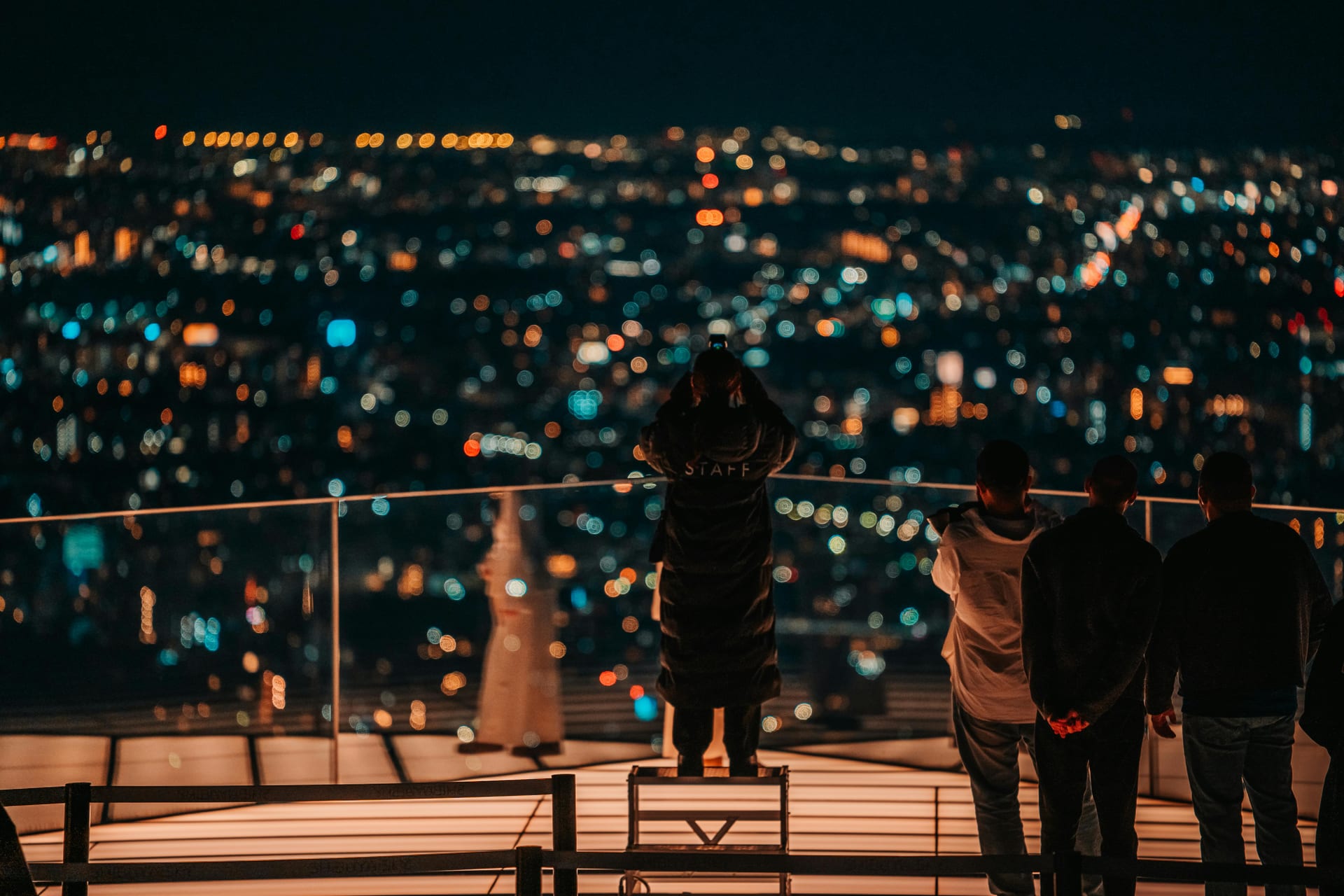
- •Shibuya Sky (Around 10–15 minutes away): Shibuya Sky is an open-air observation rooftop on the 46th floor of Shibuya Scramble Square, offering unobstructed 360-degree views over Shibuya Crossing, Mount Fuji, and the full Tokyo skyline.
Suggested Itinerary
Pair Meiji Shrine with these nearby stops for a full day in Harajuku / Shibuya.
Frequently Asked Questions
Planning Your Tokyo Trip?
See the full Tokyo destination guide or browse Japan itineraries that include this city.
See all Temples & Shrines across Japan →Explore all attractions in Tokyo or browse nearby destinations.
Back to Tokyo Guide →