Shibuya Crossing
ExploreJapanDaily Editorial Team · Last updated: June 26, 2026

- Area
- Shibuya
- Best For
- Photography, City Life, First-Time Visitors
Visiting Shibuya Crossing
Shibuya Crossing is one of the most recognizable places in Tokyo and easily one of the most famous pedestrian intersections in the world. Located directly outside Shibuya Station's Hachiko Exit, the crossing has become a symbol of modern Tokyo, where massive crowds move through the intersection in every direction at once beneath towering digital screens and glowing city lights.
At first glance, the scene feels almost chaotic.
Then the lights change.
Hundreds, sometimes thousands, of people begin crossing simultaneously from every corner with surprising order and rhythm. Despite the size of the crowd, the movement feels smooth, fast, and strangely synchronized. For many first-time visitors to Japan, stepping into the crossing is one of those unforgettable Tokyo moments that instantly makes the city feel larger, louder, and more alive than expected.

Just beside the crossing stands one of Tokyo's most beloved landmarks, the Hachiko Statue. The bronze statue honors Hachiko, the loyal Akita dog who waited every day at Shibuya Station for his owner, even for years after his owner passed away. The story became famous throughout Japan and turned Hachiko into a national symbol of loyalty and devotion. Today, the statue is one of the most popular meeting points in Tokyo and one of the most photographed spots in Shibuya. Visitors often stop here before entering the crossing itself, making it an essential part of the Shibuya experience.
What makes Shibuya Crossing special is not only the crossing itself, but the atmosphere surrounding it. Giant video screens flash advertisements across nearby buildings while music, train announcements, conversations, and traffic sounds blend together into the background energy of the district. During the evening, the neon lights reflecting off the streets create the futuristic city atmosphere many travelers imagine before visiting Tokyo for the first time.

Experiencing the crossing from street level is something nearly every visitor should try at least once. Standing at the edge waiting for the signal to change, then moving together with the crowd through the center of the intersection, feels surprisingly exciting even though it is such a simple experience. There is a unique sense of energy here that photographs and videos rarely capture properly.
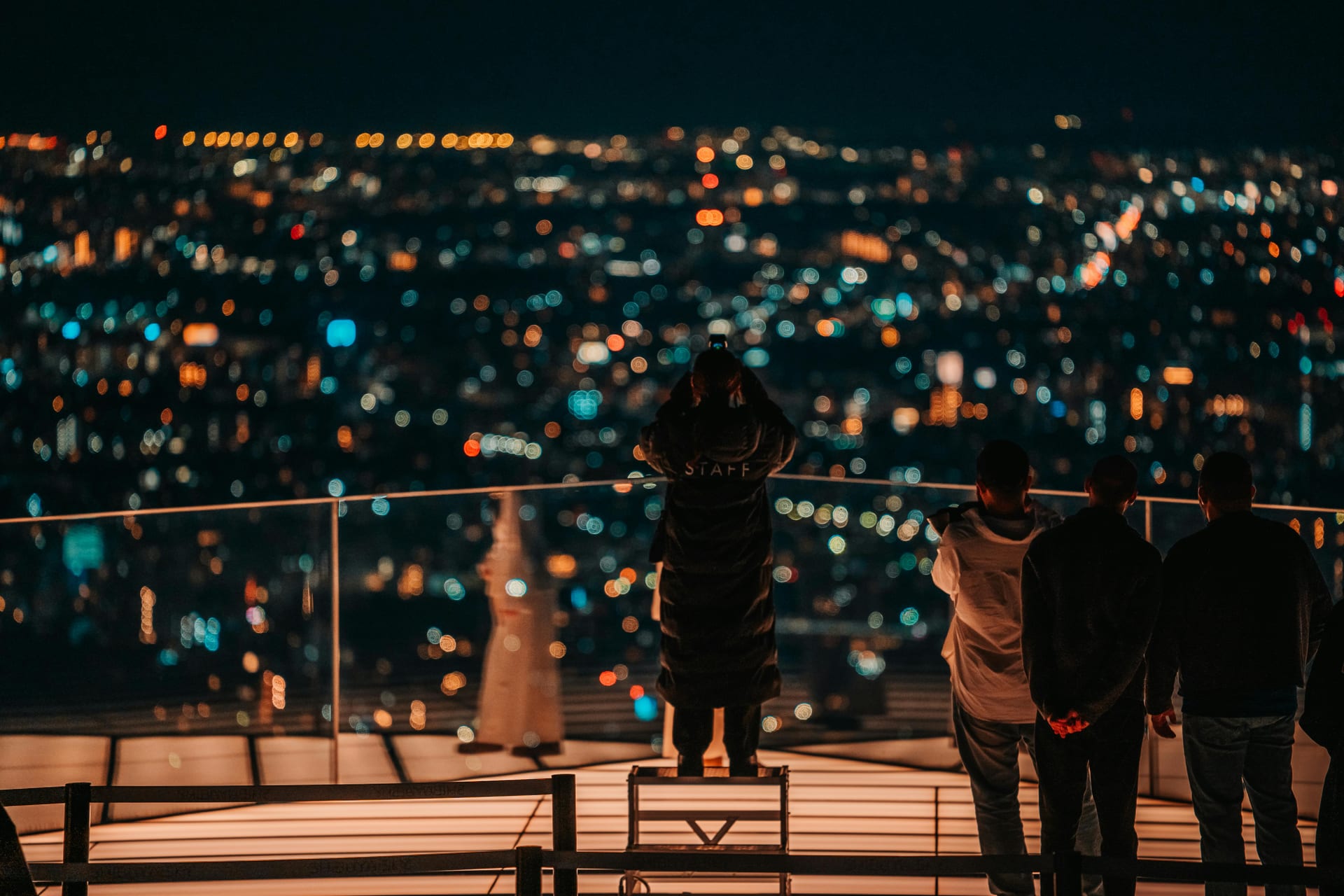
For travelers who prefer to watch the movement from above, several nearby viewpoints offer incredible perspectives of the intersection. The Starbucks overlooking the crossing has become famous worldwide for its elevated view through the large front windows, especially during busy evenings. Higher above the district, Shibuya Sky provides a panoramic observation deck where visitors can see not only the crossing itself but also the massive scale of Tokyo spreading far beyond the neighborhood.

The surrounding Shibuya district adds even more depth to the experience. Major shopping complexes like Shibuya Scramble Square, Shibuya 109, and Hikarie attract visitors throughout the day, while the smaller side streets reveal hidden ramen shops, cafes, izakayas, music venues, and fashion boutiques tucked between the larger buildings. Walking away from the main crossing for just a few minutes often leads to quieter alleys that feel completely different from the busy intersection outside the station.
Shibuya is also one of Tokyo's best neighborhoods for experiencing modern Japanese youth culture and street fashion. The area constantly evolves with new trends, pop-up stores, seasonal events, and nightlife spots, giving the district a fast-moving atmosphere that feels energetic at almost any hour of the day.
For first-time travelers to Tokyo, Shibuya Crossing often becomes more than just a photo stop. It represents the energy, movement, and modern identity of the city itself. Standing beneath the glowing screens while waves of people move through the intersection around you is one of those classic Tokyo experiences that stays memorable long after the trip is over.
Things to Do at Shibuya Crossing
How to Get to Shibuya Crossing
Shibuya Crossing is located directly outside Shibuya Station in the heart of western Tokyo and is one of the easiest major attractions in the city to reach by train. As one of Tokyo's busiest transportation hubs, Shibuya Station connects multiple JR lines, Tokyo Metro subway lines, and private railway routes, making the area highly accessible from almost anywhere in the city.
The crossing itself sits immediately outside the famous Hachiko Exit of Shibuya Station. Once you leave the station, the giant video screens, crowds, and flashing advertisements make it impossible to miss.
For many first-time visitors to Tokyo, arriving in Shibuya feels like stepping directly into the futuristic city scenes they imagined before traveling to Japan.
- •Nearest station: Shibuya Station, JR Yamanote Line / Tokyo Metro Ginza, Hanzomon, and Fukutoshin Lines
- •IC cards (Suica, Pasmo, or ICOCA) are accepted on trains, subways, and buses throughout Japan. Tap in and out at every gate.
- •Avoid traveling during rush hour on weekdays: 7am to 9am and 5pm to 8pm. Trains are significantly more crowded.
- •Google Maps provides accurate real-time transit directions in Tokyo. Download offline maps before you arrive.
For IC cards, tickets, and full transit basics for Tokyo, see the complete transportation guide.
See the Getting Around Tokyo guide →Map
Best Time to Visit Shibuya Crossing
Best time to visit Shibuya Crossing: Evenings on weekdays, or weekend nights for maximum crowds. Weekday mornings are generally quieter than weekends and public holidays.
- •Best time to visit: Evenings on weekdays, or weekend nights for maximum crowds
- •Arriving on a weekday morning avoids the largest crowds. Weekends and public holidays are significantly busier.
- •Spring (late March to early May) and autumn (October to November) are the most popular seasons for visiting Tokyo.
- •Golden Week (late April to early May) is the busiest week of the year in Japan. Book accommodation and tickets well in advance.
Entry Fee for Shibuya Crossing
- •Shibuya Crossing has no entrance, ticket, or barrier of any kind. It is a public street intersection that is open and crossable 24 hours a day.
- •The crossing has wide, flat, curb-cut sidewalks on all sides, making it accessible for wheelchairs and strollers. The main accessibility challenge is crowd density during peak hours rather than the terrain itself.
Nearby Attractions
Combine with Shibuya Crossing on the same day

Hachiko Statue
Shibuya Sky
Shibuya Scramble Square

Shibuya 109
Miyashita Park
- •Hachiko Statue (Directly beside Shibuya Crossing): The Hachiko Statue is a free, 24-hour bronze memorial outside Shibuya Station's Hachiko Exit, honoring Hachiko, the Akita dog who kept waiting for his deceased owner. The current statue dates to 1948, replacing the original 1934 statue lost to a WWII metal drive. It sits directly beside Shibuya Crossing, and most visitors spend 10-20 minutes here.
- •Shibuya Sky (Inside Shibuya Scramble Square, directly above Shibuya Station): Shibuya Sky is an open-air observation rooftop on the 46th floor of Shibuya Scramble Square, offering unobstructed 360-degree views over Shibuya Crossing, Mount Fuji, and the full Tokyo skyline.
- •Shibuya Scramble Square (Connected to Shibuya Station): One of Tokyo's newest shopping and dining complexes featuring restaurants, cafes, fashion stores, souvenir shopping, and direct access to Shibuya Sky.
- •Shibuya 109 (Around 3–5 minutes walk from Shibuya Crossing): A famous fashion and shopping landmark known for Japanese street fashion, youth culture, cosmetics, accessories, and trendy clothing stores.
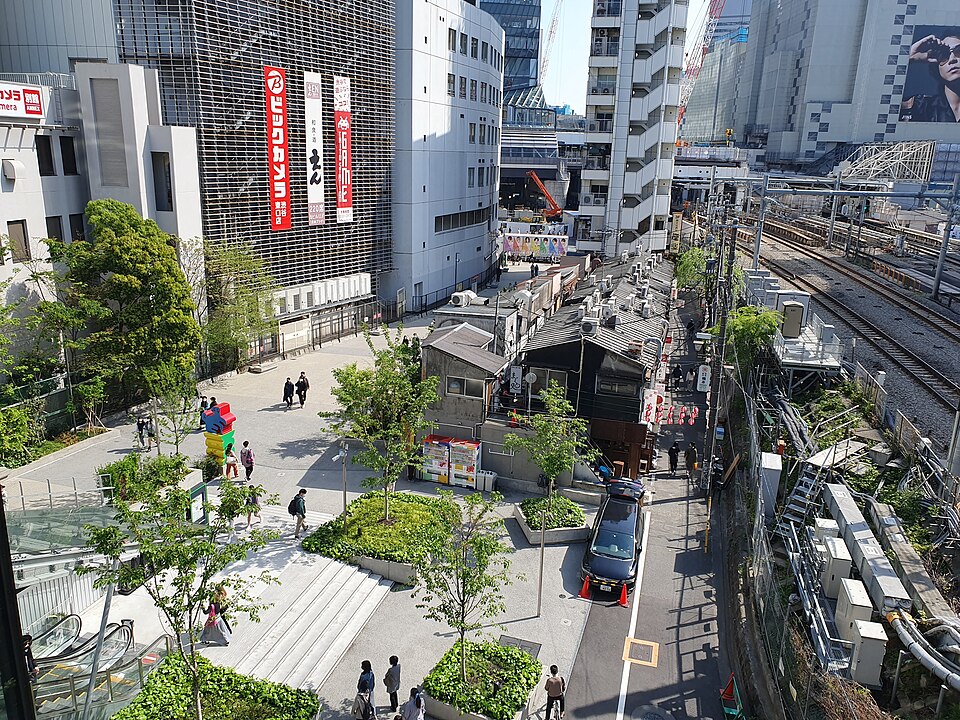
- •Miyashita Park (Around 5–8 minutes walk from Shibuya Crossing): A modern urban complex combining shopping, restaurants, cafes, rooftop green spaces, and one of the trendiest atmospheres in Shibuya.
Suggested Itinerary
Pair Shibuya Crossing with these nearby stops for a full day in Shibuya.
Frequently Asked Questions
Planning Your Tokyo Trip?
See the full Tokyo destination guide or browse Japan itineraries that include this city.
See all Shopping & Entertainment across Japan →Explore all attractions in Tokyo or browse nearby destinations.
Back to Tokyo Guide →