Kobe Harborland & Meriken Park
ExploreJapanDaily Editorial Team · Last updated: July 7, 2026
- Area
- Chuo-ku, Kobe
- Best For
- Shopping, Family activities, Harbor views, Photography
Visiting Kobe Harborland & Meriken Park
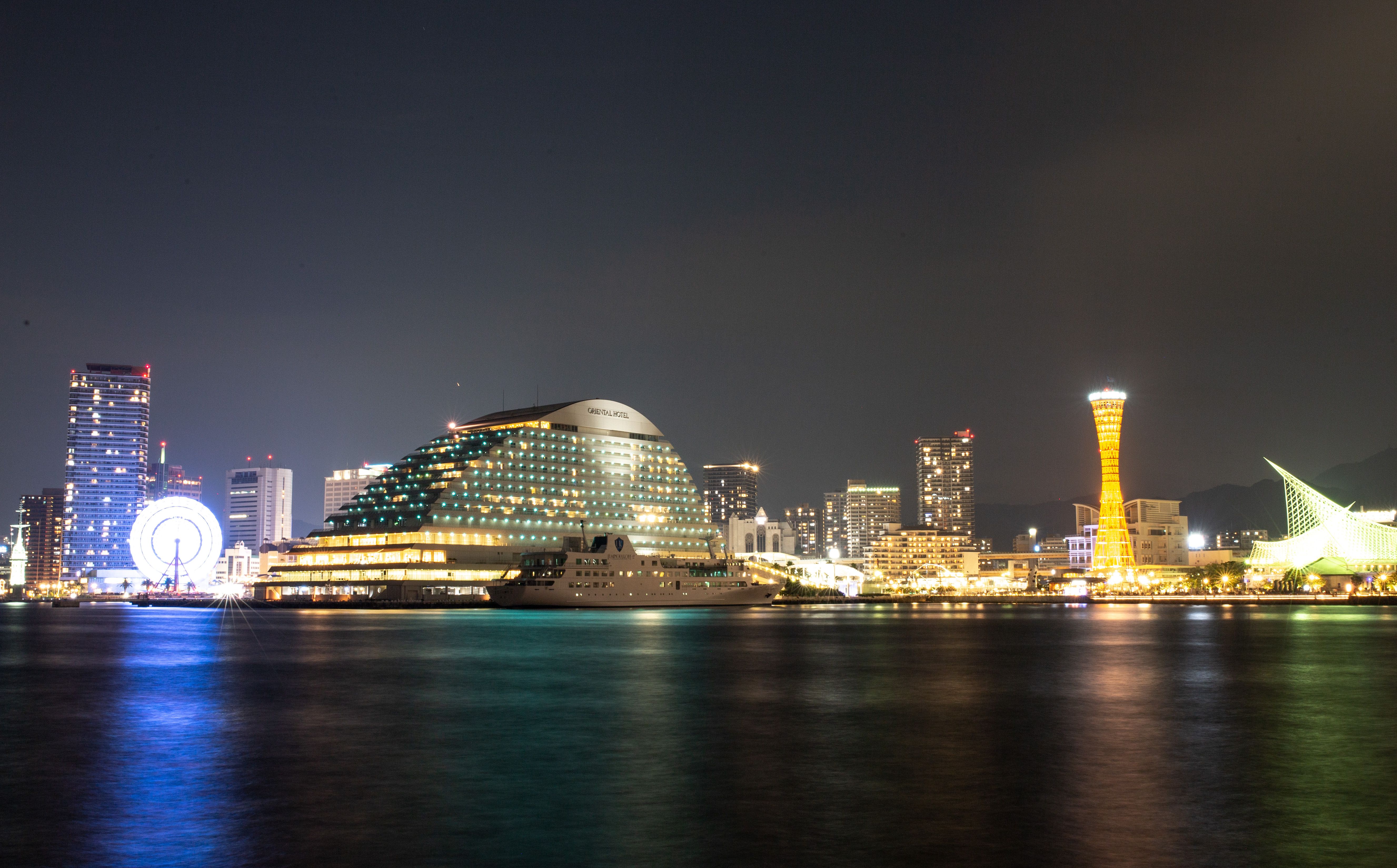
Kobe Harborland and Meriken Park together form the waterfront core of central Kobe, two connected districts along the Port of Kobe that give visitors shopping, dining, harbor views, and open public space within a short walk of each other. Harborland is the commercial half, built around the Umie shopping mall, the Mosaic waterfront promenade, and the red-brick Renga Soko warehouses. Meriken Park, a five to ten minute walk to the east along the water, is the open harbor plaza where the Kobe Port Tower, the Kobe Maritime Museum, and the BE KOBE sign stand. Because the two areas sit side by side along the same stretch of reclaimed shoreline, most visitors treat them as a single stop, combining lunch or shopping in Harborland with a walk through Meriken Park's lawns and harbor views. Both areas are free to enter and an easy walk from JR Kobe Station, making the district a natural fit for families, couples, and travelers passing through Kobe on a day trip from Osaka or Kyoto.
Both districts sit on land shaped by Kobe's growth as a port city. Harborland occupies the site of the former Minatogawa freight yard, a Japanese National Railways facility that was cleared in 1982 after decades of use; the shopping and entertainment complex that replaced it opened in 1992. Meriken Park has an older name and history. It takes its name from the Meiji-era Japanese pronunciation of American, since the district hosted the American consulate after Kobe was opened as one of Japan's first treaty ports in 1868, alongside other foreign consulates and trading houses that gave the city its long-standing international character. The park's modern layout was substantially rebuilt after the Great Hanshin-Awaji earthquake struck the region in January 1995, an event that badly damaged Kobe's port facilities. A section of the quake-damaged pier was deliberately left in place, tilted and broken, as a small memorial within the park rather than being repaired or removed.
Visitors arriving today find two distinct moods within a few minutes' walk of each other. Harborland centers on Umie, a mall divided into the waterfront Mosaic section, plus North Mall and South Mall further inland, together holding roughly 230 shops and restaurants. Nearby, Gaslight Street runs through the district lined with old-style lamps that switch on in the evening, and the Renga Soko brick warehouses, remnants of the area's dockyard past, now hold restaurants and event space. Meriken Park, by contrast, is mostly open lawn and paved plaza facing the harbor. Its main features are the BE KOBE sign, a large white monument that has become one of the most photographed spots in the city since it was installed in 2017; the Kobe Maritime Museum, with its distinctive white sail-shaped roof and the attached Kawasaki Good Times World exhibit; and the Kobe Port Tower rising directly behind them.
The contrast between the two areas is part of what makes the combined district work as a destination. Harborland's architecture is dense and commercial, built up around covered walkways, glass storefronts, and a Ferris wheel that turns slowly above the Mosaic mall. Meriken Park opens that view back up, with wide lawns running to the water's edge and unobstructed sightlines across the harbor to passing ferries, cargo ships, and the Rokko mountain range rising behind the city. Walking from one district into the other, the shift from enclosed retail space to open harbor air is immediate, and it's a large part of why the combined area photographs so well at golden hour, when the low sun catches both the glass of Harborland and the red steel of the Port Tower across the park.
The waterfront changes noticeably with the seasons. Summer brings warm, humid evenings that suit the outdoor spaces in Meriken Park, and in early August the Kobe Minato Matsuri festival fills the harbor with fireworks visible from the park's lawns and from vantage points around Harborland. Winter is milder than much of Japan and brings seasonal illuminations along Gaslight Street and around Umie, with the Port Tower and BE KOBE sign both lit at night year-round. Spring and autumn offer the most comfortable walking weather for covering both districts on foot. Rain is the main seasonal drawback, since Meriken Park's appeal depends heavily on being outdoors, while Harborland's covered malls remain a reliable fallback on wet days.
The deeper story behind the waterfront is tied to Kobe's identity as a port. After 1868, Kobe grew quickly as one of the country's main gateways for foreign trade, and the harbor became central to the city's economy and self-image in a way that persisted through the twentieth century. The 1995 earthquake was a severe interruption to that story, heavily damaging port infrastructure and forcing years of rebuilding. The small memorial section of broken pier preserved inside Meriken Park is a deliberately understated reminder of that event, set against a park that was otherwise rebuilt as a bright, modern public space. It's easy to walk past without noticing it, but it adds a layer of historical weight to what is, day to day, a cheerful waterfront leisure district.
Within Kobe's broader layout, the Harborland and Meriken Park area functions as the city's waterfront counterpart to inland districts like Kitano, with its preserved foreign merchant houses, and Nankinmachi, the city's Chinatown. Where those districts tell the story of Kobe's foreign residents on land, the harbor district tells the maritime half of the same story, the ships, trade, and consulates that made Kobe an international city in the first place. Kobe's geography, squeezed into a narrow strip between the Rokko mountains and the sea, means the harbor is never far from anywhere in the city center, but Meriken Park is the one place built specifically to let visitors stand at the water's edge and take in that relationship in full.
Taken together, Harborland and Meriken Park offer one of the more complete half-day outings in Kobe: free entry, a wide mix of shopping and dining, a genuine landmark in the BE KOBE sign, a maritime museum for those interested in the port's history, and open harbor views that are hard to find elsewhere in the city center. It works equally well as a lunch stop, a family afternoon, or an evening walk before dinner, and it pairs naturally with a visit to the Kobe Port Tower next door. For most visitors to Kobe, whether staying overnight or passing through on a day trip from Osaka or Kyoto, this waterfront stretch is where the city's identity as a port comes across most directly.
Things to Do at Kobe Harborland & Meriken Park
How to Get to Kobe Harborland & Meriken Park
Kobe Harborland and Meriken Park sit at the southern edge of central Kobe, within easy reach of the city's main train stations and a short bus or taxi ride from Sannomiya.
- •Nearest station: JR Kobe Station / Harborland Station (3-5 minute walk); Motomachi Station or Minatomotomachi Station for Meriken Park (8-10 minute walk)
- •IC cards (Suica, Pasmo, or ICOCA) are accepted on trains, subways, and buses throughout Japan. Tap in and out at every gate.
- •Avoid traveling during rush hour on weekdays: 7am to 9am and 5pm to 8pm. Trains are significantly more crowded.
- •Google Maps provides accurate real-time transit directions in Kobe. Download offline maps before you arrive.
Map
Best Time to Visit Kobe Harborland & Meriken Park
Best time to visit Kobe Harborland & Meriken Park: Late afternoon into evening, to catch sunset over the harbor and the lit-up waterfront at night. Weekday mornings are generally quieter than weekends and public holidays.
- •Best time to visit: Late afternoon into evening, to catch sunset over the harbor and the lit-up waterfront at night
- •Arriving on a weekday morning avoids the largest crowds. Weekends and public holidays are significantly busier.
- •Spring (late March to early May) and autumn (October to November) are the most popular seasons for visiting Kobe.
- •Golden Week (late April to early May) is the busiest week of the year in Japan. Book accommodation and tickets well in advance.
Mild walking weather across both districts, with cherry blossoms along nearby waterfront green space making Meriken Park's lawns a pleasant spot to combine sightseeing with a stroll.
Warm, humid evenings suit Meriken Park's open lawns after sunset, and in early August the Kobe Minato Matsuri fireworks light up the harbor, visible from the park and from vantage points around Harborland.
Comfortable temperatures make this one of the best times to walk the full waterfront path between Harborland and Meriken Park, with clearer air improving harbor and skyline views.
Milder than much of Japan, with seasonal illuminations along Gaslight Street and around Umie; the Port Tower and BE KOBE sign stay lit nightly, making the waterfront a good evening destination even in the cooler months.
Entry Fee & Hours
| Category | Price (JPY) | Approx. (USD) |
|---|---|---|
| Harborland & Meriken Park (general access) | Free | Free |
| Category | Price (JPY) | Approx. (USD) |
|---|---|---|
| Kobe Maritime Museum & Kawasaki Good Times World (adult) | ¥900 | ~$6 |
| Kobe Anpanman Children's Museum & Mall (age 1+, flat rate) | approx. ¥2,000-2,500 | ~$14-17 |
| Umie Mosaic Big Ferris Wheel | ¥800 | ~$5.50 |
Harborland and Meriken Park are free, open-access public areas. The fees below apply only to specific attractions located inside the district.
- •The district itself, including the BE KOBE sign, park lawns, and shopping arcades, never requires a ticket; you only pay if you enter a specific museum, ride, or attraction.
- •Both Harborland and Meriken Park are flat, stroller and wheelchair friendly, with paved paths throughout.
Nearby Attractions
Combine with Kobe Harborland & Meriken Park on the same day

Kobe Port Tower

Kobe Maritime Museum

Kobe Anpanman Children's Museum & Mall
Motomachi Shopping Arcade
Distance: Approx. 10 minutes walk- •Kobe Port Tower (Within Meriken Park, a few minutes' walk): Kobe's red steel lattice landmark tower in Meriken Park, reopened in April 2024 after a major renovation that added a rooftop open-air deck, a revolving cafe, and new digital art exhibits.
- •Kobe Maritime Museum (Within Meriken Park): Kobe's port-history museum in Meriken Park, housed under a distinctive white sail-shaped roof beside Kobe Port Tower, with a single ticket that also covers the attached Kawasaki Good Times World.
- •Kobe Anpanman Children's Museum & Mall (Approx. 5 minutes walk within Harborland): A two-floor Harborland attraction built around the Anpanman characters: a paid, ticketed children's museum on the second floor and a free shopping mall on the ground floor.
- •Motomachi Shopping Arcade (Approx. 10 minutes walk): A long covered shopping street running through central Kobe, connecting toward Kobe Chinatown and the old foreign settlement district.
Suggested Itinerary
Pair Kobe Harborland & Meriken Park with these nearby stops for a full day in Chuo-ku, Kobe.
Frequently Asked Questions
Planning Your Kobe Trip?
See the full Kobe destination guide or browse Japan itineraries that include this city.
See all Shopping & Entertainment across Japan →Explore all attractions in Kobe or browse nearby destinations.
Back to Kobe Guide →