Kurama and Kibune
ExploreJapanDaily Editorial Team · Last updated: September 28, 2026
Kurama and Kibune are two valleys in the mountains north of Kyoto, joined by a trail over Mt. Kurama through the grounds of Kurama-dera. The temple charges ¥500 to enter and its main hall is open 9:00 a.m. to 4:15 p.m. By the temple's own times, the walk from Kurama Station to Kifune Shrine takes about 80 minutes before stops; allow a full day with lunch in Kibune.

- Area
- Northern Kyoto
- Best For
- Hiking, Temples, Riverside Dining, Hot Springs, Day Trip
Visiting Kurama and Kibune
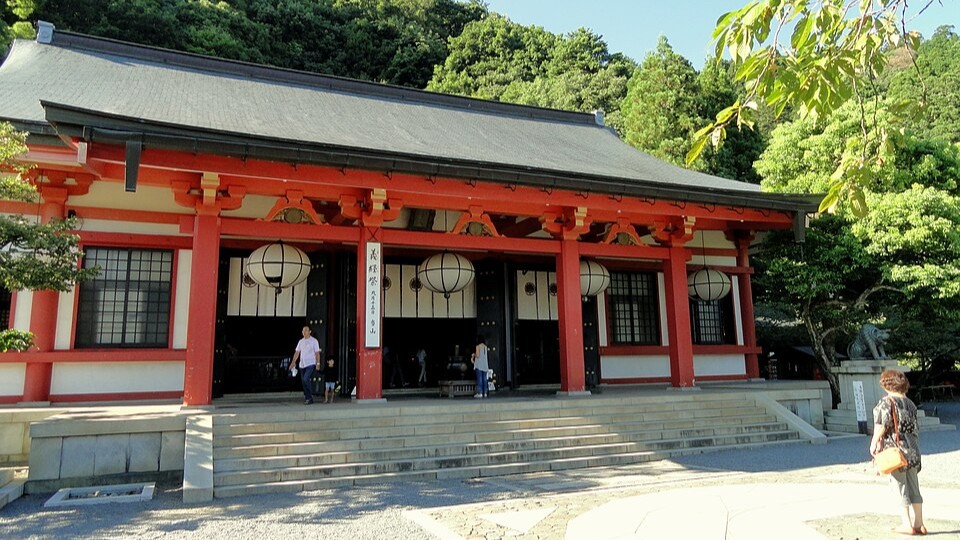
Kurama and Kibune lie about 30 minutes north of central Kyoto on the Eizan Railway, in neighboring valleys divided by Mt. Kurama. The classic day starts at Kurama Station, climbs through Kurama-dera to the main hall, continues over the ridge through the forest past the Maoden hall, and comes down at the west gate beside the Kibune river, a few minutes from Kifune Shrine.
Kurama-dera dates its founding to 770, when a disciple of the monk Ganjin built a hut for the guardian Bishamonten on the mountain. Minamoto no Yoshitsune, known as a boy as Ushiwakamaru, is said to have lived here and to have learned swordsmanship from the tengu of Sojo-ga-dani, the valley the trail passes through. Since 1949 the temple has been the head of its own school, Kurama Kokyo, and it treats the whole mountain as sacred: paths are left unpaved, and fallen trees are left where they lie.
Kibune, on the far side, is a single road along the river with inns and restaurants and Kifune Shrine, the head shrine of the god of water. From May 1 to September 30 its restaurants serve meals on kawadoko, platforms built just above the river. This page covers the hike and the day; the shrine page covers Kifune itself.
The walk from Kurama to Kibune
Short answer
By Kurama-dera's own times, about 80 minutes of walking from Kurama Station to Kifune Shrine, most of it on the climb to the main hall and the forest trail beyond.
3 minutes
Kurama Station to the Niomon gate
Pay the ¥500 entry at the gate. The cable car station is just inside.
5 minutes
Yuki Shrine
The shrine of the Kurama Fire Festival, on the path up.
20 minutes up the Tsuzura-ori
Main hall (Honden Kondo)
Or the cable car and a 10-minute walk. Stone tigers guard the courtyard.
30 minutes
Maoden
Through the Kinone-michi root path and Sojo-ga-dani, the valley of the tengu legend.
20 minutes down
West gate and Kifune Shrine
Down to the west gate on the Kibune road; the shrine is a few minutes up the valley.
30 minutes, or the bus
Kibuneguchi Station
Walk 2 km down the valley road, or take Kyoto Bus 33.
Opening times that shape the day
Short answer
Plan around the main hall's 4:15 p.m. close and the last cable car down at 4:25 p.m.
- Main hall
- 9:00 a.m. to 4:15 p.m.
- Cable car
- Every 20 minutes, 8:40 a.m. (first up) to 4:25 p.m. (last down); closed some mornings each month for maintenance.
- Reihoden museum
- 9:00 a.m. to 4:00 p.m.; closed Tuesdays and from December 12 to the end of February.
- Kifune Shrine
- 6:00 a.m. to 8:00 p.m. from May to November; to 6:00 p.m. from December to April.
- October 22
- Kurama Fire Festival from the evening; the valley road is closed to cars from 3:00 p.m.
Kawadoko and the onsen
Short answer
Kibune's river restaurants serve on kawadoko platforms from May 1 to September 30; Kurama Onsen is open all year from 10:00 a.m. to 9:00 p.m.
Kawadoko in Kibune
- May 1 to September 30 (2026); each restaurant sets its own dates
- Platforms built just above the Kibune river
- Book directly with the restaurant, especially on weekends
- Best at the end of the hike, before the walk down to Kibuneguchi
Kurama Onsen
- Day spa 10:00 a.m. to 9:00 p.m.; no booking needed
- Outdoor sulfur bath, indoor baths and a sauna
- 10 minutes on foot or a free shuttle from Kurama Station
- Fits before the hike, or on a Kurama-only visit
Fitting Kurama and Kibune into a Kyoto trip
Short answer
The hike takes most of a day from central Kyoto. Leave the far side of the city for another day.
At the end of the trail
Kifune Shrine
The water fortune and the three shrines: see the Kifune Shrine guide.
Half a day
Kurama only
Kurama-dera by cable car and Kurama Onsen, back from Kurama Station.
Better on another day
Arashiyama or Fushimi Inari
Both are at the far side of the city; each needs its own half day.
Things to do in Kurama and Kibune
How to Get to Kurama and Kibune
Both valleys are on the Eizan Railway's Kurama Line, which starts at Demachiyanagi. Hike from Kurama to Kibune, then take the train back from Kibuneguchi.
- •Hike from Kurama to Kibune: the cable car helps only on the Kurama side, and you finish near lunch and the river.
- •The main hall closes at 4:15 p.m. and the last cable car down leaves at 4:25 p.m.
- •The JR Pass does not cover the Eizan Railway or Kyoto Bus.
Map
Best Time to Visit Kurama and Kibune
Best time to visit Kurama and Kibune: a dry day, leaving central Kyoto in the morning so you reach the main hall well before it closes at 4:15 p.m.. Weekday mornings are generally quieter than weekends and public holidays.
- •Start from Kurama by late morning so you reach the main hall well before 4:15 p.m.
- •The cable car stops for maintenance on some mornings each month; the temple lists the dates.
- •Kibune's kawadoko season is May 1 to September 30. On October 22 the Kurama Fire Festival closes the valley road to cars from 3:00 p.m.
Kawadoko dining on platforms above the Kibune river (2026 dates; set by each restaurant).
Kurama Fire Festival at Yuki Shrine in the evening; valley road closed to cars from 3:00 p.m.
The Reihoden museum is closed.
Entry Fee & Hours
| Category | Price (JPY) | Approx. (USD) |
|---|---|---|
| Entry (aizan-hi), per person | ¥500 | ~$3.3 |
| Reihoden museum | ¥200 | ~$1.3 |
| Category | Price (JPY) | Approx. (USD) |
|---|---|---|
| Adult | ¥200 | ~$1.3 |
| Elementary school age and under | ¥100 | ~$0.7 |
- •Pets may come on the mountain but not on the cable car or into the halls. The trail over the mountain is an unpaved forest path with steps and roots, not suitable for wheelchairs.
- •Kurama-dera has no car park, and Kifune Shrine's few spaces are kept for diners on summer weekends. Take the train.
Nearby Attractions
Places to pair with the Kurama and Kibune day

Kifune Shrine

Kyoto Imperial Palace

Gion District
- •Kifune Shrine (At the Kibune end of the trail): Kifune Shrine enshrines the god of water and is the head shrine of about two thousand water-god shrines across Japan. It has three parts along the Kibune river: the main shrine, the Yui no Yashiro and the Okumiya, where it was founded.
- •Kyoto Imperial Palace (Back in the city, west of Demachiyanagi): The Kyoto Imperial Palace (Kyoto Gosho) was the emperor's residence from 1331 until 1869; the present buildings date from 1855. It stands in Kyoto Gyoen park in the center of the city and is managed by the Imperial Household Agency, which opens it free to walk-in visitors.
- •Gion District (Keihan line from Demachiyanagi): Gion is the historic geiko district of Kyoto, east of the Kamo River around Hanamikoji-dori and the Shirakawa canal, next to Yasaka Shrine. Its streets of wooden teahouses are free to walk, while the private lanes off Hanamikoji are signposted no entry for sightseers.
Two ways to spend a day in Kurama and Kibune
Both start at Demachiyanagi on the Eizan Railway.
The hike, Kurama to Kibune
A full day.
Morning
Eizan Railway to Kurama; Niomon gate and the climb to the main hall.
Midday
Over the mountain past the Maoden to the Kibune west gate.
Afternoon
Lunch in Kibune (kawadoko from May to September), Kifune Shrine, then the bus or walk to Kibuneguchi.
Kurama without the hike
Half a day.
Morning
Eizan Railway to Kurama; cable car to near the main hall.
Late morning
Main hall and the Reihoden museum (closed Tuesdays and in winter).
Afternoon
Kurama Onsen, then back from Kurama Station.
Frequently Asked Questions
References
View references
Kurama-dera
Kurama Onsen
City of Kyoto Tourism Association
Planning Your Kyoto Trip?
See the full Kyoto destination guide or browse Japan itineraries that include this city.
See all Nature & Scenic Spots across Japan →Explore all attractions in Kyoto or browse nearby destinations.
Back to Kyoto Guide →