Noritake Garden
By Andrew Liyan · Last updated: September 1, 2026 · Facts verified: September 1, 2026

- Area
- Nagoya Station / Meieki
- Best For
- Ceramics & Craft, Free Garden, Families, Design
Visiting Noritake Garden
Noritake Garden, known in Japanese as Noritake no Mori, is a free public garden and shopping and dining complex built on the same Nishi-ku, Nagoya grounds where the ceramics and tableware maker Noritake has operated since the early 20th century. The English name Noritake Garden and the Japanese Noritake no Mori refer to the same single site, not two separate attractions, a point of confusion that trips up more than a few first-time visitors researching the area. Anyone visiting can walk the grounds, browse the on-site shop, or eat at one of the two restaurants without paying an admission fee of any kind.
What does require a ticket is the paid, combined-admission Craft Center and Museum, two connected facilities inside the garden's red-brick former factory buildings. A single ticket covers both: ¥500 for adults, ¥300 for visitors 65 and older, and free for anyone of high school age or younger. This free-garden-plus-paid-facilities structure is the single most important thing to understand before visiting, since several general overviews of the site blur the line between the free grounds and the paid experiences inside them.
The Craft Center is also where some competing sources overstate what's actually on offer, describing a factory tour in language that can suggest a scheduled, guided walk through active manufacturing. That's not quite what happens today. The first floor is a self-guided walk past the working production floor, where visitors can watch the clay-to-molding stages of bone china production at their own pace, and the second floor hosts live hand-painting and decoration demonstrations, where artisans hand-paint patterns onto porcelain pieces in view of visitors. Both are included in the Craft Center and Museum ticket. Visitors who want to do more than watch can book the separate, additional-fee China Painting Experience workshop and paint and keep a piece of their own.
Upstairs, the Noritake Museum houses the company's Old Noritake collection, historic tableware produced from the Meiji era through the early Showa era, alongside a themed special exhibition that rotates periodically. Because that special exhibition changes, don't expect any specific exhibition described in older reviews or blog posts to still be running; the permanent Old Noritake collection is the more dependable draw.
Noritake began in 1904 under the name Nippon Toki Ltd., at this same headquarters site in Nishi-ku, and the company has operated continuously from the location ever since. Noritake Garden itself opened to the public on October 5, 2001, on roughly 34,000 square meters of the company's own grounds, an opening the official source describes as commemorating the company's 100th anniversary. Visitors doing the math may notice that 1904 plus 100 years would land on 2004, not 2001; the company's own materials don't reconcile the discrepancy, so it's reported here as stated rather than corrected.
Beyond the Craft Center and Museum, the garden's red-brick buildings, remnants of the site's working-factory past, house Restaurant Kiln and Cafe Grand Vert, and a small Nitto Shrine sits on the grounds, often mentioned by visitors as the site's one distinctly Japanese landmark outside the museum walls. An unrelated, separately operated shopping mall, Aeon Mall Nagoya Noritake Garden, opened immediately next door in 2021 and shares part of the name but not the ownership or operation of the garden itself.
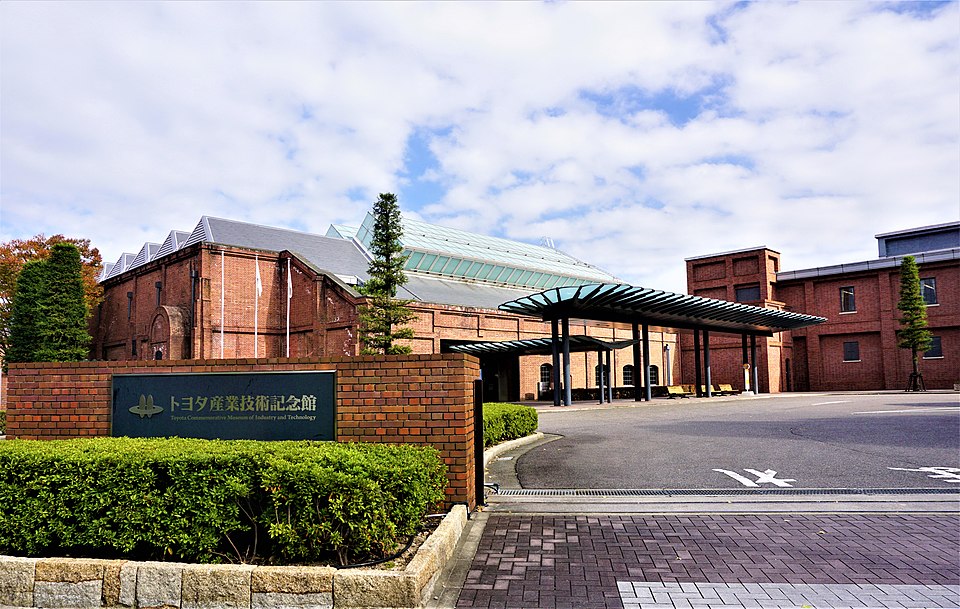
Noritake Garden sits in the same Noritake Shinmachi neighborhood as the Toyota Commemorative Museum of Industry and Technology, an easy roughly 10-minute walk away, and pairing the two makes for a genuine half-day of manufacturing-heritage sightseeing rather than a loose thematic connection. Where Noritake Garden covers ceramics and tableware, the Toyota museum covers textile machinery and the earliest history of Toyota's automobile business; several independent tour operators already sell guided day tours that combine both stops.
Is it worth visiting? For any traveler with even a passing interest in ceramics, design, or craft, yes, and the free garden alone is worth a stop for anyone walking through the Nagoya Station area with a spare hour. For a general sightseer short on time and without that interest, the paid Craft Center and Museum is a more optional add rather than an essential Nagoya stop, and it's worth weighing against other priorities on a tight itinerary.
Things to Do at Noritake Garden
Walk the Free Garden Grounds
The lush garden and its red-brick former factory architecture are open to anyone at no cost, making this the site's most accessible draw for a relaxing stop near Nagoya Station.
Watch Bone China Being Made on the Craft Center's 1st Floor
A self-guided walkway lets visitors watch the working production floor at their own pace, following the clay-to-molding stages of bone china production without needing to join a scheduled tour.
See Live Hand-Painting Demonstrations on the 2nd Floor
Artisans hand-paint decorative patterns onto porcelain pieces in view of visitors, a live demonstration format included in the same Craft Center and Museum ticket, not a separate booking.
Try the China Painting Experience Workshop
For a separate, additional fee, visitors can book a hands-on workshop to hand-paint and keep their own piece of porcelain, a step beyond watching the Craft Center's demonstrations.
Browse the Noritake Museum's Old Noritake Collection
The permanent collection traces historic Noritake tableware from the Meiji era through the early Showa era, the Museum's most dependable draw regardless of which special exhibition is currently showing.
Catch the Museum's Rotating Special Exhibition
A themed special exhibition rotates periodically alongside the permanent collection; check current listings before visiting rather than expecting a specific exhibition from an older review or post.
Visit the Small Nitto Shrine
A small on-site shrine, often noted by visitors as the garden's one distinctly Japanese landmark outside the museum buildings, sits within the grounds.
Eat at Restaurant Kiln or Cafe Grand Vert
Both dining venues occupy the garden's red-brick former factory buildings; Restaurant Kiln's dinner service is reservation-only, so plan ahead if visiting in the evening.
Shop On Site or at the Adjacent Aeon Mall
The on-site shop sells Noritake tableware and gifts, and the separate, unrelated Aeon Mall Nagoya Noritake Garden, which opened next door in 2021, offers additional shopping immediately adjacent.
How to Get to Noritake Garden
Noritake Garden sits in Nishi-ku, a short walk north of Nagoya Station, in the same Noritake Shinmachi area as the Toyota Commemorative Museum of Industry and Technology.
From Nagoya Station
Walk north from Nagoya Station for approximately 15 minutes to reach the garden's main entrance. The Meguru sightseeing loop bus also stops nearby, a ride of about 12 minutes for roughly ¥210 per trip.
By Subway (Kamejima Station)
Take the Nagoya Municipal Subway Higashiyama Line to Kamejima Station and exit via Exit 2; the garden entrance is about a 5-minute walk from there.
From the Toyota Commemorative Museum of Industry and Technology
The two sites sit in the same Noritake Shinmachi neighborhood, and walking between them takes roughly 10 minutes, making it easy to combine both into one half-day visit.
Best Time of Day to Visit
Arriving on a weekday, ideally in the morning, gives the quietest experience; reviewers note the site draws noticeably larger crowds on weekends and holidays.
Best Time to Visit Noritake Garden
Weekday mornings for the smallest crowds; reviewers note weekends and holidays draw noticeably larger crowds.
Mild temperatures make this a comfortable season to combine the free garden with a Craft Center or Museum visit; no specific cherry blossom draw is documented here, unlike some other Nagoya sites.
Hot, humid conditions make the outdoor garden less comfortable at midday; the indoor Craft Center and Museum offer air-conditioned relief, so consider saving those for the warmest hours.
Comfortable temperatures and generally smaller crowds make autumn a pleasant season for an unhurried walk through the garden grounds.
Cool, clear days suit a shorter visit focused on the indoor Craft Center and Museum; confirm hours around the New Year holiday period, when the site may adjust its schedule.
Entry Fee & Hours
| Category | Price (JPY) | Approx. (USD) |
|---|---|---|
| Garden, shop, and dining areas | Free | Free |
| Category | Price (JPY) | Approx. (USD) |
|---|---|---|
| Adult / general | ¥500 | ~$3.50 |
| Senior (65+) | ¥300 | ~$2 |
| High school age and under | Free | Free |
| Disability certificate holder + one companion | Free | Free |
- •Shop, gallery, restaurant, and cafe hours carry minor variance across sources; check current hours before visiting, especially if planning a meal at Restaurant Kiln, which takes dinner reservations only.
- •The separate, additional-fee China Painting Experience workshop lets visitors hand-paint and keep their own piece of porcelain; this is not included in the ¥500/¥300 combined Craft Center and Museum ticket.
- •Wheelchair accessible facilities, per Visit Nagoya (nagoya-info.jp); this was not independently confirmed on the official Noritake site during research.
Nearby Attractions
Combine with Noritake Garden on the same day
Frequently Asked Questions
Planning Your Nagoya Trip?
See the full Nagoya destination guide or browse Japan itineraries that include this city.
See all Nature & Scenic Spots across Japan →