
Nagoya at a Glance
- region
- Chubu (Aichi Prefecture)
- best For
- Nagoya Castle, Atsuta Jingu, hitsumabushi and miso katsu, Toyota and railway museums
- best Time
- Spring (March-April) and autumn (October-November) for mild weather and cherry blossoms or foliage
- suggested Stay
- 1-2 days
- main Station
- Nagoya Station (Shinkansen, JR, Meitetsu, Kintetsu, and subway hub)
- nearby Destinations
- Kyoto, Osaka, Nara, Kobe
Visiting Nagoya: Japan's Fourth-Largest City and Manufacturing Capital
Nagoya is Japan's fourth-largest city and the capital of Aichi Prefecture, sitting on the Tokaido Shinkansen line roughly midway between Tokyo and Kyoto or Osaka. It rarely tops a first-time visitor's itinerary the way Tokyo or Kyoto does, and that's part of its appeal: a reconstructed castle with a meticulously restored palace, one of Japan's most historically significant Shinto shrines, a shopping district that mixes vintage fashion with a fourteenth-century temple, and two museums that trace the industrial lineage from automatic looms to automobiles and record-setting maglev trains. Add a distinct local food culture built around hitsumabushi grilled eel and miso-based dishes found nowhere else in Japan at this scale, and Nagoya makes a strong case as a stopover or a full destination on its own, not just a transfer point between Kansai and Kanto.
•9 min read
Top Attractions in Nagoya
The must-see sights, ranked by traveler impact
View all Nagoya attractions →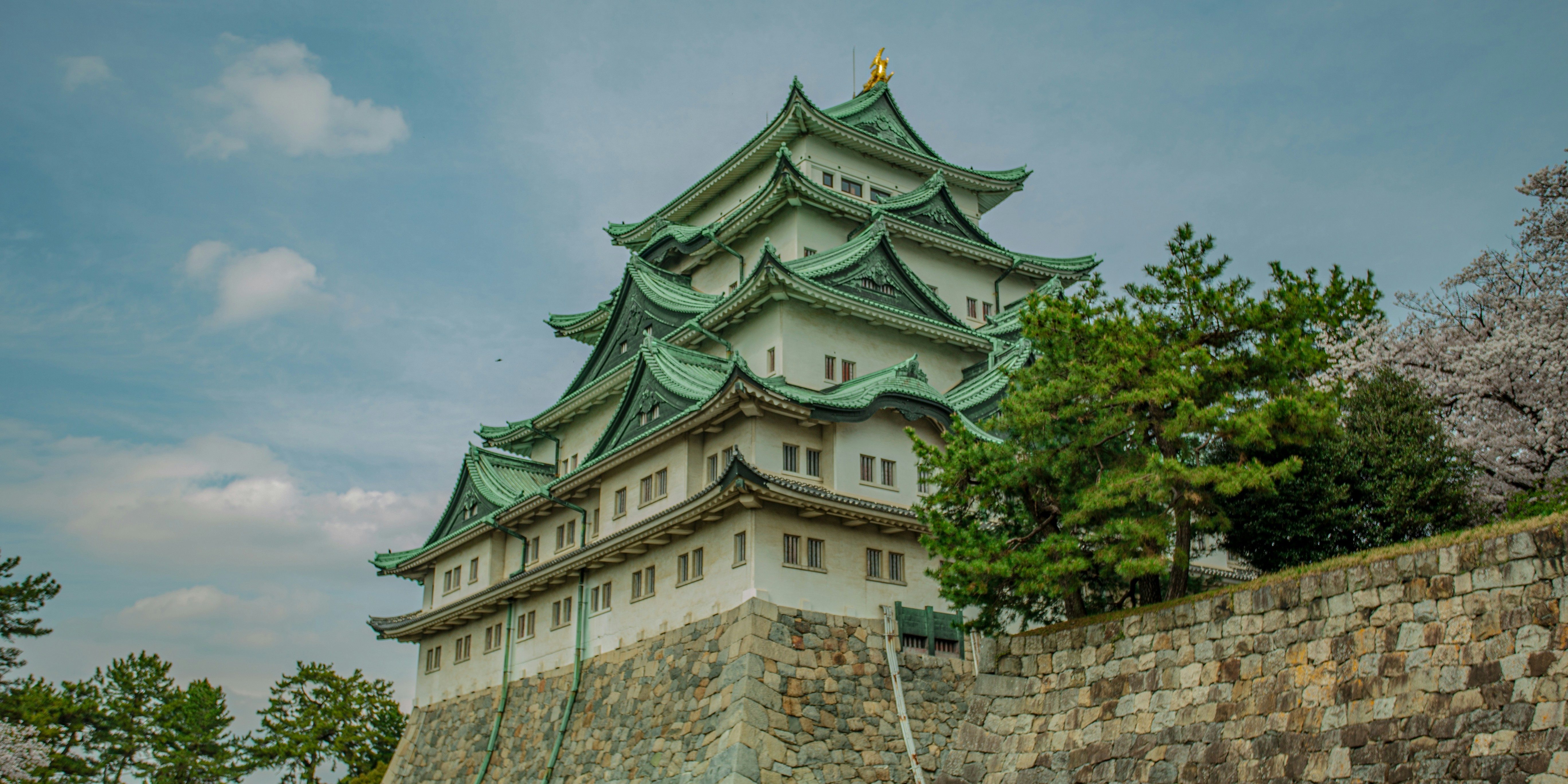 Must-See
Nagoya Castle / Meijo
Nagoya Castle
- Entry
- ¥500 adults
- Best time
- Weekday mornings
- Time needed
- 1.5 to 3 hours

Atsuta / Southern Nagoya
Atsuta Jingu
- Entry
- Shrine grounds are free to enter. Treasure Hall: ¥300 adults
- Best time
- Early morning on a weekday
- Time needed
- 45 minutes to 1.5 hours

Sakae / Fushimi
Nagoya City Science Museum
- Entry
- ¥800 adults
- Best time
- Weekday mornings outside school holidays
- Time needed
- 2 to 4 hours

Kinjofuto / Port
Port of Nagoya Public Aquarium
- Entry
- ¥2,030 adults
- Best time
- Weekday mornings shortly after opening
- Time needed
- 3 to 4 hours

Osu / Kanayama
Osu Shopping District
- Entry
- Free to enter the district and Osu Kannon Temple grounds. Individual shop purchases and optional temple donations only
- Best time
- Weekday afternoons
- Time needed
- 1.5 to 3 hours

Kinjofuto / Port
SCMAGLEV and Railway Park
- Entry
- ¥1,200 adults
- Best time
- Weekday mornings shortly after the 10:00 AM opening
- Time needed
- 2 to 3 hours

Kinjofuto / Port
LEGOLAND Japan Resort
- Entry
- From ¥4,900 adult / ¥3,700 child
- Best time
- Weekdays
- Time needed
- A full day

Higashiyama / Eastern Nagoya
Higashiyama Zoo and Botanical Gardens
- Entry
- ¥500 adults
- Best time
- Weekday mornings
- Time needed
- Half a day
Nagoya Station / Meieki
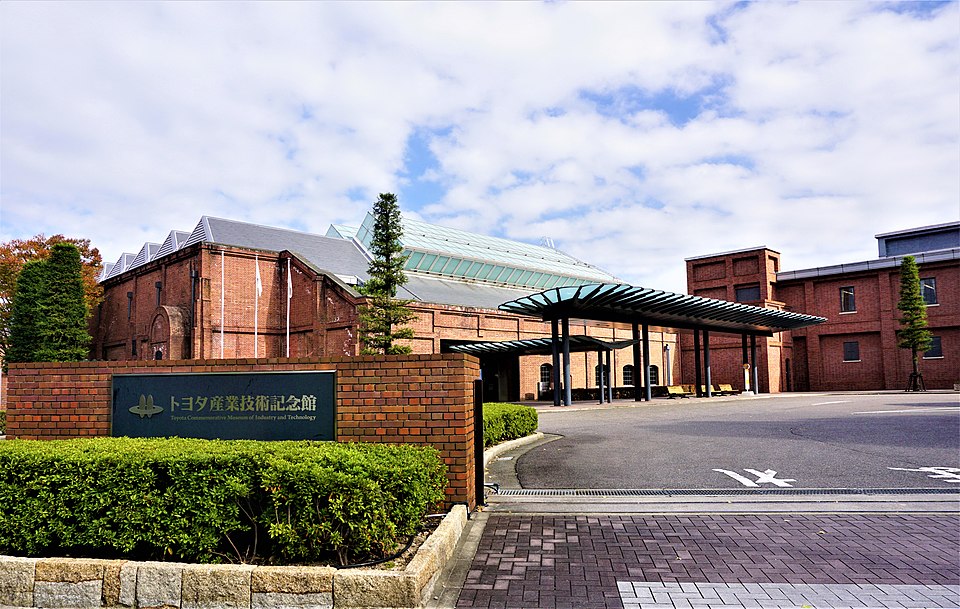
Toyota Commemorative Museum of Industry and Technology
- Entry
- ¥1,000 adults
- Best time
- Weekday mornings shortly after the 9:30 AM opening
- Time needed
- 2 to 3 hours to see both the Textile Machinery Hall and Automobile Pavilion at a comfortable pace

Tokugawa / Eastern Nagoya
Tokugawa Art Museum
- Entry
- ¥2,000 adults
- Best time
- Weekday mornings
- Time needed
- 60 to 90 minutes

Sakae / Fushimi
Oasis 21
- Entry
- Free for all public areas
- Best time
- After dark
- Time needed
- 30 to 90 minutes

Sakae / Fushimi
Chubu Electric Power MIRAI TOWER
- Entry
- ¥1,300 adults
- Best time
- Sunset and after dark
- Time needed
- 45 to 90 minutes
Why Visit Nagoya?
Quick Answer
Nagoya pairs a major reconstructed castle and one of Japan's most historically important Shinto shrines with a distinct local food culture and manufacturing heritage sites tracing Toyota's origins, all within a city that's far less crowded than Tokyo, Kyoto, or Osaka.
Nagoya is worth visiting because it combines substantial historical and cultural sites with a manufacturing heritage found nowhere else in Japan, all within a city that's easy to navigate and rarely feels overcrowded compared to Tokyo, Kyoto, or Osaka.
History and religion anchor the city's identity. Nagoya Castle, built for the Tokugawa family in 1612, remains one of Japan's most recognizable castles, and while its concrete keep has been closed since 2018 pending a wooden reconstruction, the meticulously restored Hommaru Palace inside the grounds is widely considered the more historically significant experience. A short subway ride away, Atsuta Jingu ranks as Japan's second most prestigious Shinto shrine after Ise, traditionally said to house the sacred Kusanagi sword, one of the three Imperial Regalia of Japan, within a forest of camphor trees over a thousand years old.
Food is one of Nagoya's most distinctive draws. Hitsumabushi, grilled eel served over rice and eaten three different ways across a single meal, originated here, alongside miso katsu (breaded pork cutlet with a rich red miso sauce), tebasaki fried chicken wings, and ogura toast, a local breakfast pairing of buttered toast with sweet red bean paste. None of these dishes are hard to find elsewhere in Japan, but nowhere are they treated as quite so central to local identity as in Nagoya.
The city's manufacturing heritage sets it apart from Japan's other major destinations. Toyota traces its roots directly to a Nagoya textile factory, now the Toyota Commemorative Museum of Industry and Technology, where visitors can watch live demonstrations of the automatic looms that led to the company's founding principles. On the opposite side of the city, the SCMAGLEV and Railway Park displays a genuine world-record-setting maglev test car alongside 39 retired trains spanning from steam locomotives to modern Shinkansen, run by Central Japan Railway Company.
For shopping and street life, Osu delivers a genuinely different experience from Nagoya's more polished Sakae downtown district: some 1,200 shops packed into covered arcades around a fourteenth-century Buddhist temple, mixing vintage clothing, anime and manga shops, and street food stalls into one of the more eclectic shopping neighborhoods in central Japan.
Nagoya's location on the Tokaido Shinkansen also makes it one of the most convenient cities in Japan to reach and to use as a base, roughly 1 hour 40 minutes from Tokyo and under an hour from Osaka or Kyoto by Nozomi train, which means a Nagoya stopover adds relatively little transit time to a broader Japan itinerary while adding a genuinely different city experience.
How to Get to Nagoya
Quick Answer
Nagoya is about 50 minutes from Osaka and 35 minutes from Kyoto by Nozomi Shinkansen, and about 1 hour 40 minutes from Tokyo. Chubu Centrair International Airport connects to Nagoya Station in under 30 minutes via the Meitetsu mu-SKY Limited Express.
Nagoya sits on the Tokaido Shinkansen line between Tokyo and Osaka, making it one of the easiest major Japanese cities to reach by train, alongside its own international airport for direct arrivals.
Chubu Centrair International Airport (NGO)
- Travel time
- 28-35 minutes to Nagoya Station
- Distance
- Approx. 35 km (22 miles) south of central Nagoya, on an artificial island in Ise Bay
- Best for
- Most international visitors flying directly into the Chubu region
Tokyo (Narita/Haneda) via Shinkansen
- Travel time
- Approx. 1 hour 40 minutes from Tokyo Station on the Nozomi Shinkansen, plus airport transfer time
- Distance
- Approx. 350 km (218 miles)
- Best for
- Travelers arriving via Tokyo and continuing to Nagoya by train
Getting from Chubu Centrair International Airport (NGO) to Nagoya
Getting to Nagoya from Tokyo
Getting to Nagoya from Osaka
Getting to Nagoya from Kyoto
Arriving at Nagoya Station
Nagoya Station is one of the largest train stations in the world by floor area, serving JR, Meitetsu, Kintetsu, and the Nagoya Municipal Subway under one roof, with the JR Central Towers and Midland Square skyscrapers rising directly above it. From here, you can easily reach:
- •Nagoya Castle (via subway)
- •Sakae shopping and entertainment district
- •Osu Shopping District (via subway)
- •Atsuta Jingu (via Meitetsu or JR)
- •SCMAGLEV and Railway Park (via the Aonami Line)
- •Toyota Commemorative Museum of Industry and Technology (via Meitetsu)
- •Chubu Centrair International Airport (via Meitetsu)
Recommended
For most international visitors, the easiest route is a Shinkansen stopover on the way between Tokyo and Kyoto or Osaka, since Nagoya sits directly on that line with no detour required. Travelers flying directly into the Chubu region should use Chubu Centrair International Airport and the Meitetsu mu-SKY Limited Express into Nagoya Station.
Best Time to Visit Nagoya
Quick Answer
Spring (March-April) and autumn (October-November) are Nagoya's most comfortable seasons for sightseeing. The city's inland location gives it hotter, more humid summers and colder winters than coastal cities like Kobe or Yokohama.
The best time to visit Nagoya is spring (March-April) or autumn (October-November), when mild temperatures make walking between the castle, shrine, and shopping districts most comfortable. Nagoya's inland location gives it hotter summers and colder winters than coastal cities like Kobe or Yokohama.
Spring (March-May): Cherry Blossoms and Mild Weather
Spring is one of the most popular seasons to visit Nagoya. Cherry blossoms typically bloom from late March to early April, with Nagoya Castle's moat, lined with roughly 1,000 cherry trees, among the best viewing spots in the city.
Popular cherry blossom locations include:
- Nagoya Castle moat and grounds
- Yamazaki River (a popular local hanami spot)
- Tsuruma Park
Temperatures generally range from 48°F-70°F (9°C-21°C), making spring ideal for walking between the castle, Osu, and Atsuta Jingu.
Summer (June-August): Hot, Humid, and One of Japan's Warmest Cities
Summer in Nagoya is notably hot and humid, and the city is regularly among the warmest in Japan during heatwave periods. June marks the rainy season, while July and August bring the year's highest temperatures and humidity.
Temperatures often range from 75°F-95°F (24°C-35°C), with heat index values that can feel considerably higher.
Summer visitors should plan outdoor sightseeing, especially at Nagoya Castle and Atsuta Jingu, for the morning or early evening, and take advantage of Osu's covered arcades and the city's air-conditioned museums during the hottest part of the day.
Autumn (September-November): Best Overall Season
Many travelers consider autumn the most comfortable time to visit Nagoya. Humidity drops through October, and foliage around Nagoya Castle's Ninomaru Garden and Atsuta Jingu's forest turns shades of red and gold by mid-to-late November.
Temperatures generally range from 52°F-75°F (11°C-24°C).
Autumn combines pleasant weather with noticeably fewer crowds than the spring cherry blossom season.
Winter (December-February): Cold, Dry, and Fewer Crowds
Nagoya's winters are colder than Japan's Pacific coastal cities, with occasional light snow, though nothing close to the snowfall seen in Hokkaido or the Japan Sea coast.
Temperatures typically range from 33°F-48°F (1°C-9°C).
Winter highlights include:
- Fewer tourists at Nagoya Castle and Atsuta Jingu
- Clear, dry skies well suited to photography
- Hatsumode crowds at Atsuta Jingu in the first days of January, one of the largest in the Chubu region
Times to Avoid
Golden Week (Late April to Early May)
Golden Week is one of Japan's busiest holiday periods nationwide. Trains, hotels, and popular attractions become significantly more crowded.
Obon Holiday (Mid-August)
This major domestic travel period brings increased tourism and higher hotel prices, compounding Nagoya's already intense summer heat.
Rainy Season (Mid-June to Mid-July)
Nagoya receives frequent rainfall during Japan's rainy season, which can make walking between outdoor sights like the castle grounds and Atsuta Jingu's forest paths less comfortable.
Best Overall Months
For the best combination of weather and sightseeing conditions, visit Nagoya during:
- Late March to early April for cherry blossoms
- October and November for comfortable temperatures and clear conditions
- Early May (after Golden Week) for pleasant weather and thinner crowds
When Should First-Time Visitors Go?
For most first-time visitors, October and November offer the best overall experience, with comfortable temperatures, low humidity, and clear conditions for exploring Nagoya Castle, Atsuta Jingu, and Osu on foot. Spring is a close second for travelers hoping to combine cherry blossoms with a Nagoya stopover on a broader Tokyo-Kyoto itinerary.
Where to Stay in Nagoya
Quick Answer
The Nagoya Station area is the best base for most first-time visitors, with the city's main Shinkansen and airport connections. Sakae suits nightlife and shopping, Osu suits budget and food-focused travelers, and Fushimi suits quieter, value-focused stays.
The best areas to stay in Nagoya are Nagoya Station (Meieki), Sakae, Osu, and Fushimi, each suiting a different travel style. Nagoya's compact, subway-connected layout means most neighborhoods are within 15-20 minutes of each other.
Nagoya Station (Meieki)
from $40/nightBest for: Shinkansen & airport access
Sakae
from $40/nightBest for: Nightlife & shopping
Osu
from $35/nightBest for: Budget travel & street food
Fushimi
from $35/nightBest for: Quiet, central value
Popular Day Trips from Nagoya
Discover More Around Nagoya


Frequently Asked Questions
Free Itinerary Builder
Build Your Own Nagoya Itinerary
Choose Nagoya attractions, organize them by day, and see opening hours, admission fees and your trip pace in one place.
Plan This Trip
Guides and tools for the parts of a Nagoya trip that take the most planning
Ready to Experience Nagoya?
Browse curated Japan itineraries, or build your own with our free planning tools.
Next: Explore all attractions in Nagoya or browse nearby destinations.
Back to All Destinations →