Toyota Commemorative Museum of Industry and Technology
ExploreJapanDaily Editorial Team · Last updated: July 9, 2026 · Facts verified: September 1, 2026
- Area
- Nagoya Station / Meieki
- Best For
- Museums, Technology, History, Families
Visiting Toyota Commemorative Museum of Industry and Technology
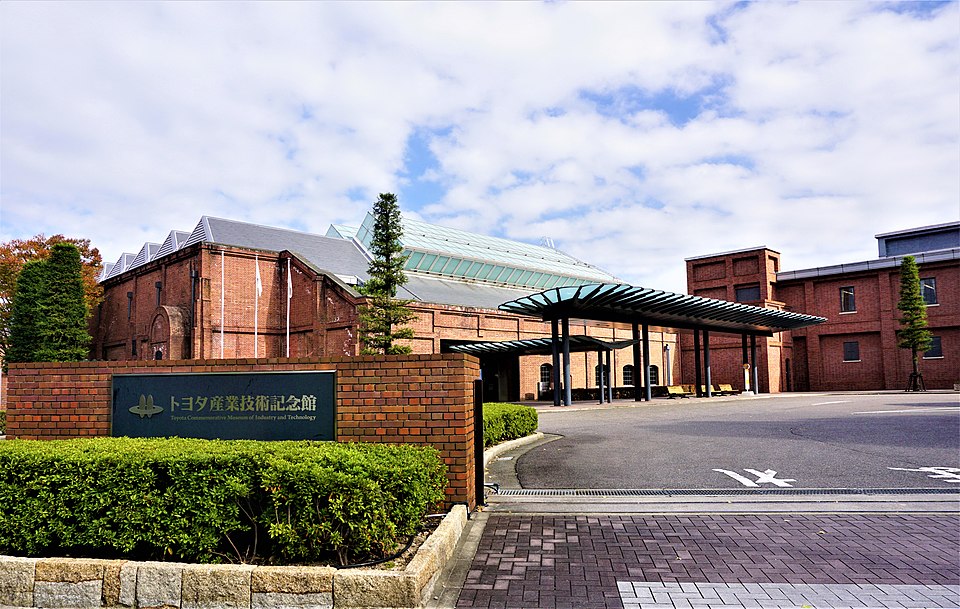
The Toyota Commemorative Museum of Industry and Technology opened in 1994 inside a converted red-brick factory building in Nishi-ku, Nagoya, in Aichi Prefecture, that once housed Toyoda Spinning and Weaving, the textile company founded by Sakichi Toyoda that predates the automobile manufacturer bearing a similar name by decades. The museum's premise is that Toyota's automotive success cannot be understood in isolation from its origins in industrial textile machinery, and the site is built around telling that fuller history in one continuous narrative rather than treating cars as the whole story.
Sakichi Toyoda, the museum's central historical figure, invented a series of increasingly automated looms in the late 19th and early 20th centuries, culminating in the Toyoda Automatic Loom, patented in 1924 and notable for a mechanism that stopped the machine automatically the instant a thread broke, preventing defective cloth from being produced unsupervised. That principle, often referred to within Toyota as jidoka (automation with a human touch), became a foundational concept in what later evolved into the Toyota Production System, the manufacturing philosophy that influenced lean production methods worldwide well beyond the automotive industry.
The museum's Textile Machinery Hall houses dozens of working looms spanning from hand-operated 18th-century designs through Sakichi Toyoda's automatic models, and unlike many industrial museums, most of the machines here are not static display pieces; staff run live demonstrations throughout the day, powering up historic looms so visitors can see and hear the actual weaving process rather than reading a description of it. The building itself, with its exposed wooden roof trusses and brick construction, remains largely as it was during the site's working textile factory era, adding to the sense of visiting a functioning historical space rather than a purpose-built exhibition hall.

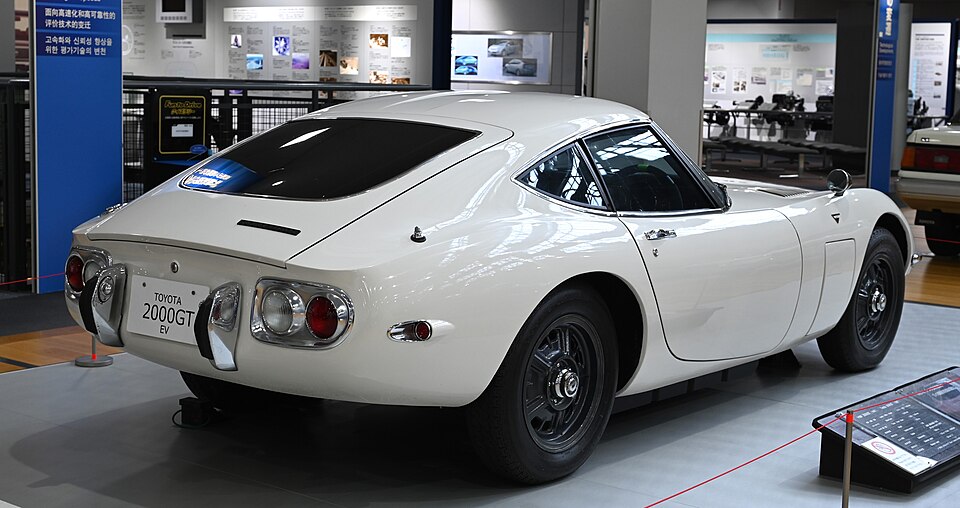
The Automobile Pavilion, in a separate adjoining building, picks up the story from the 1930s, when the Toyoda family used profits and patents from the loom business to fund entry into automobile manufacturing, eventually spinning off Toyota Motor Corporation as an independent company in 1937. Exhibits here include early prototype and production vehicles, engine cutaways, and detailed displays on the mechanics of automobile manufacturing, again frequently supplemented by working demonstrations of stamping, welding, and machining processes rather than only finished-product displays.
A recurring theme throughout the museum is the direct technical lineage between textile automation and automobile manufacturing: the same instinct toward precision machinery, automatic defect detection, and continuous process improvement that Sakichi Toyoda applied to looms was carried forward by his son Kiichiro Toyoda into the very different but conceptually related challenge of mass-producing cars. Museum panels and English-language guides make this connection explicit, which distinguishes the site from more conventional automobile museums that begin their story with the first car rather than the industrial systems that made it possible.
Beyond the two main halls, the museum includes hands-on technology exhibits covering robotics, materials science, and manufacturing principles aimed at a general audience, including school groups, and a dedicated children's technology area with simplified interactive displays. This broader technology focus reflects the museum's full name, which pairs "industry" with "technology" rather than positioning itself purely as a corporate car museum, and it draws a noticeably wider range of visitors than automotive enthusiasts alone.
The museum sits adjacent to Noritake Garden, a public green space built on the former grounds of Noritade's ceramics works, giving visitors a natural, low-key extension to a museum visit if time allows; the two sites share a broadly similar Meiji-and-Taisho-era industrial heritage character despite being unrelated companies. This part of Nishi-ku, sometimes marketed locally as part of Nagoya's Monozukuri (manufacturing) heritage trail, reflects the city's identity as one of Japan's most significant industrial and manufacturing centers well beyond Toyota alone.
For visitors specifically interested in Toyota's modern vehicle lineup rather than its industrial origins, note that this museum is distinct from the separate Toyota Automobile Museum in nearby Nagakute, which focuses more on the broader history of the automobile as an object and includes a wider international vehicle collection; a combined ticket covering both museums is available for visitors planning to see each. Within central Nagoya itself, though, the Commemorative Museum's working-machinery focus and converted-factory setting make it one of the more distinctive industrial heritage sites in the country.
Things to Do at Toyota Commemorative Museum of Industry and Technology
How to Get to Toyota Commemorative Museum of Industry and Technology
The museum sits in Nishi-ku, west of central Nagoya, in a converted factory complex a short walk from its own dedicated station.
- •Nearest station: Sako Station (Meitetsu Nagoya Main Line), approx. 3-minute walk
- •IC cards (Suica, Pasmo, or ICOCA) are accepted on trains, subways, and buses throughout Japan. Tap in and out at every gate.
- •Avoid traveling during rush hour on weekdays: 7am to 9am and 5pm to 8pm. Trains are significantly more crowded.
- •Google Maps provides accurate real-time transit directions in Nagoya. Download offline maps before you arrive.
Map
Best Time to Visit Toyota Commemorative Museum of Industry and Technology
Best time to visit Toyota Commemorative Museum of Industry and Technology: Weekday mornings shortly after the 9:30 AM opening, before school groups arrive later in the day. Weekday mornings are generally quieter than weekends and public holidays.
- •Best time to visit: Weekday mornings shortly after the 9:30 AM opening, before school groups arrive later in the day
- •Arriving on a weekday morning avoids the largest crowds. Weekends and public holidays are significantly busier.
- •Spring (late March to early May) and autumn (October to November) are the most popular seasons for visiting Nagoya.
- •Golden Week (late April to early May) is the busiest week of the year in Japan. Book accommodation and tickets well in advance.
Entry Fee & Hours
| Category | Price (JPY) | Approx. (USD) |
|---|---|---|
| Adult (18+) | ¥1,000 | ~$7 |
| Age 65 and up | ¥600 | ~$4 |
| University student | ¥500 | ~$3.50 |
| Junior / senior high school student | ¥300 | ~$2 |
| Elementary school student | ¥200 | ~$1.50 |
| Preschool child / disability certificate holder (plus one companion) | Free | Free |
| Category | Price (JPY) | Approx. (USD) |
|---|---|---|
| This museum + Toyota Automobile Museum (Nagakute) | ¥1,800 | ~$12 |
- •This museum is separate from the Toyota Automobile Museum in Nagakute, which focuses on the broader history of the automobile with a wider international collection; a combined ticket covering both is available.
- •Live loom and manufacturing demonstrations run on a schedule throughout the day rather than continuously; check the daily schedule posted at the entrance to catch a specific demonstration.
- •The museum is step-free at the entrance, with indoor and outdoor slopes and an elevator connecting the Textile Machinery Hall and Automobile Pavilion; wheelchairs and strollers are not permitted on the escalator, so use the elevator or slopes instead. Multiple accessible restrooms are on-site, and a limited number of wheelchairs and strollers can be borrowed at reception.
Nearby Attractions
Combine with Toyota Commemorative Museum of Industry and Technology on the same day

SCMAGLEV and Railway Park
Nagoya Castle

Noritake Garden

Toyota Automobile Museum
- •SCMAGLEV and Railway Park (Approx. 9 km, about 30-35 minutes via a Nagoya Station transfer): JR Central's railway museum at Kinjofuto Pier, displaying 39 retired train cars from steam locomotives to the record-breaking L0 series maglev, alongside train-driving simulators.
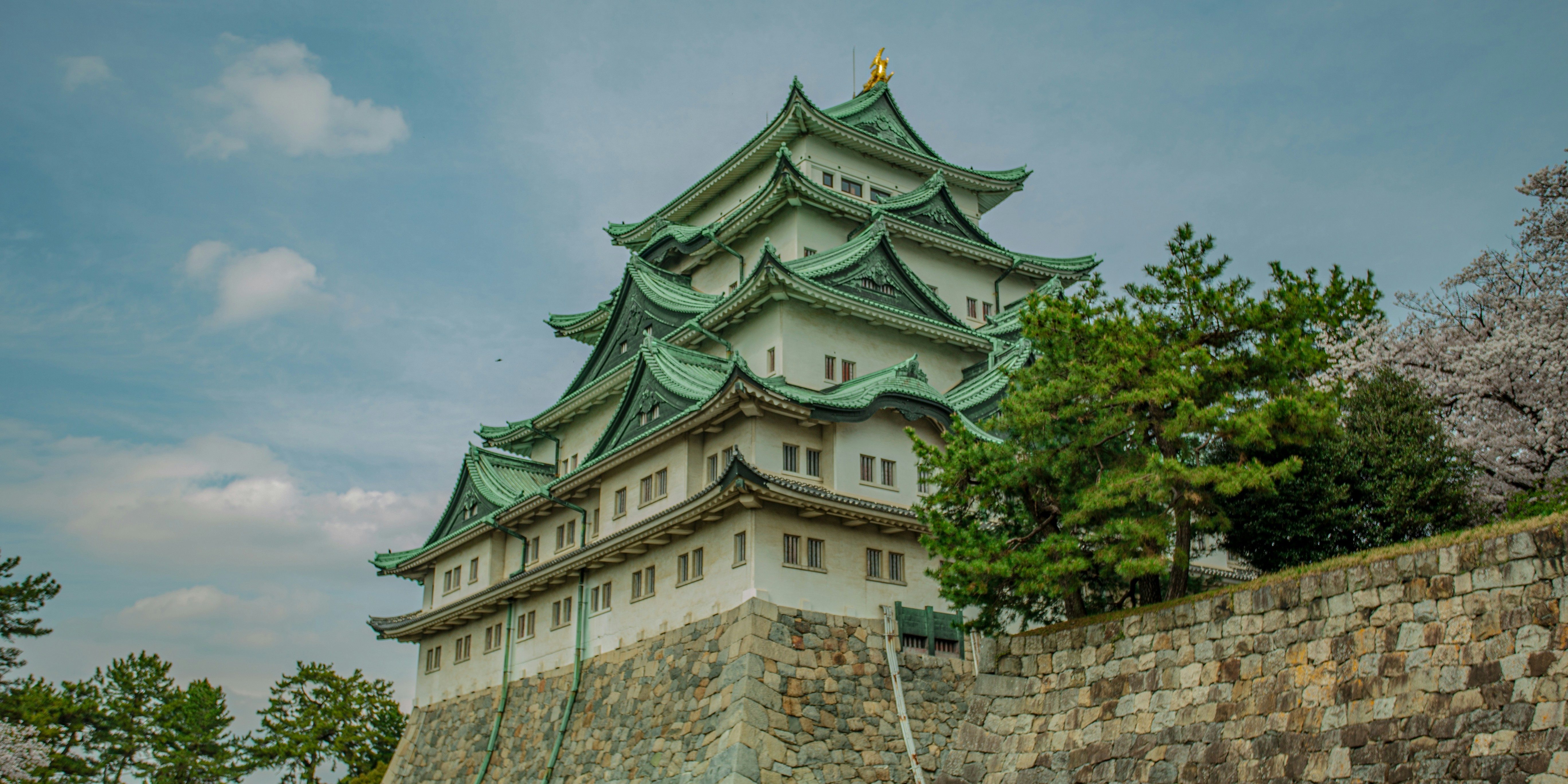
- •Nagoya Castle (Approx. 4 km, about 25-30 minutes via transfer): The reconstructed castle built for the Tokugawa family in 1610-1612, known today for its gilded shachihoko roof ornaments and the meticulously restored Hommaru Palace.
- •Noritake Garden (Approx. 800 m, about 10 minutes on foot): A free public garden and shopping and dining complex built on ceramics maker Noritake's own Nagoya headquarters grounds, with a paid Craft Center and Museum where visitors can watch bone china being produced and hand-painted.
- •Toyota Automobile Museum (Different municipality; linked by a combined ticket, not a walkable distance): An international automobile history museum in Nagakute City, east of Nagoya, distinct from the Toyota Commemorative Museum of Industry and Technology in central Nagoya.
Suggested Itinerary
Pair Toyota Commemorative Museum of Industry and Technology with these nearby stops for a full day in Nagoya Station / Meieki.
Frequently Asked Questions
Planning Your Nagoya Trip?
See the full Nagoya destination guide or browse Japan itineraries that include this city.
See all Museums across Japan →Explore all attractions in Nagoya or browse nearby destinations.
Back to Nagoya Guide →