TeamLab Botanical Garden Osaka
ExploreJapanDaily Editorial Team · Last updated: June 26, 2026
- Area
- Higashisumiyoshi, Osaka
- Best For
- Digital Art, Night Photography, Couples, Unique Experiences
Visiting TeamLab Botanical Garden Osaka
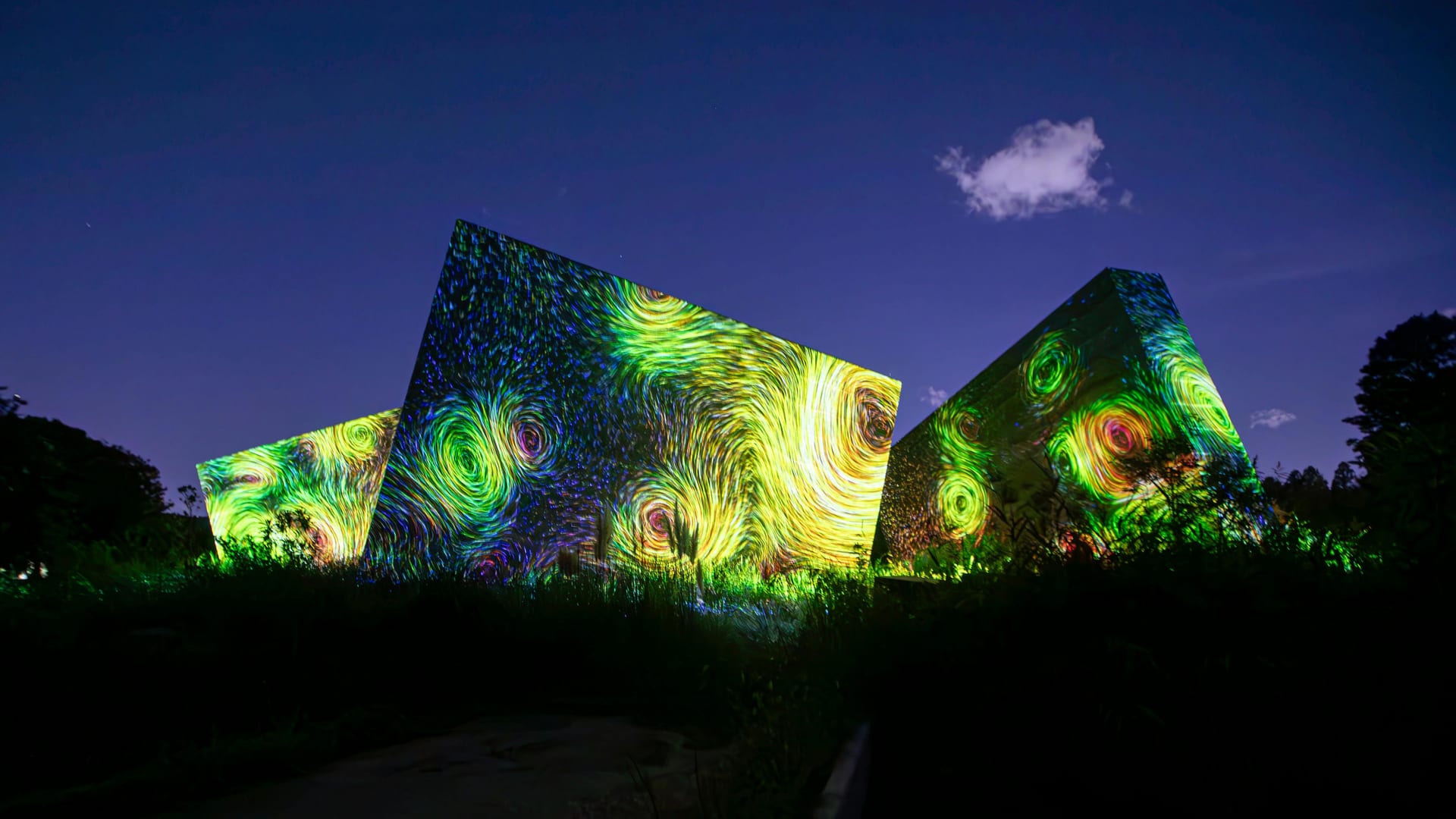
teamLab Botanical Garden Osaka offers one of the most unusual nighttime experiences in the city, transforming a traditional botanical garden into an immersive digital art environment shaped by light, sound, movement, and nature itself. Located inside Nagai Botanical Garden in southern Osaka, the exhibition blends technology with the existing landscape rather than placing digital installations inside a conventional gallery space. Trees, ponds, pathways, and open lawns become part of the artwork after sunset, creating an atmosphere that feels both futuristic and deeply connected to the natural surroundings. For many travelers, visiting teamLab Botanical Garden Osaka feels less like attending an exhibition and more like walking through a living landscape that constantly changes in response to movement and season.
Unlike indoor digital museums where projection walls and enclosed rooms dominate the experience, teamLab Botanical Garden Osaka depends heavily on the outdoor environment. The artworks interact directly with wind, water, darkness, vegetation, and the physical presence of visitors moving through the garden. Lights shift as people approach, installations respond to touch and motion, and certain displays evolve gradually throughout the evening. Because the exhibition exists within an active botanical garden, no two visits feel exactly the same. Weather, temperature, seasonal plants, and crowd movement subtly reshape the atmosphere night after night.
The experience begins quietly. As daylight fades, the botanical garden transitions from an ordinary urban green space into a landscape defined by darkness and carefully controlled illumination. Paths that appear simple during the day become immersive corridors of floating light and shadow after sunset. Trees glow softly against the night sky while reflections move across ponds and open water. Unlike many large-scale light attractions designed around spectacle alone, the installations here encourage slower observation. Visitors naturally lower their voices, pause longer between exhibits, and spend time watching subtle changes unfold within the landscape.

One of the defining qualities of teamLab Botanical Garden Osaka is the way it blurs the boundary between artwork and environment. Large glowing spheres drift across open lawns and react when touched, changing color and triggering movement throughout the surrounding space. Forested sections contain shifting patterns of light that move between branches and pathways, while reflective water surfaces mirror illuminated installations in constantly changing ways. The artworks do not feel isolated from the garden itself. Instead, they appear woven into the natural terrain, making the surrounding trees, wind, darkness, and water equally important parts of the experience.
The botanical setting also creates a very different emotional atmosphere compared with Osaka's urban entertainment districts. While areas such as Dotonbori or Namba overwhelm visitors with sound, signage, and constant movement, teamLab Botanical Garden Osaka feels intentionally restrained. The darkness of the garden softens visual distractions, and the absence of dense city noise allows smaller sensory details to become more noticeable. Footsteps on gravel, insects in the summer air, wind moving through trees, and reflections shifting across ponds all become part of the overall environment. That balance between technology and quiet natural space is one of the reasons the exhibition leaves such a strong impression on many visitors.
Seasonal changes are especially important here because the botanical garden itself continues evolving throughout the year. Summer creates a humid and immersive atmosphere where illuminated plants and water surfaces feel dense and alive after dark. Autumn introduces cooler air and changing foliage that subtly alter the color and texture of the environment. Winter visits often feel calmer and more minimal, with colder air sharpening the contrast between darkness and light installations. Spring brings softer greenery and blooming plants that reshape portions of the exhibition naturally without major structural changes. Because the installations interact directly with living landscapes, the garden never feels entirely static.

The surrounding Nagai area contributes to the experience as well. Compared with Osaka's central commercial districts, this part of the city feels more residential and spacious. Nagai Park itself is one of Osaka's major public green spaces, containing athletic facilities, walking paths, open lawns, and local gathering areas used daily by residents. Visiting the exhibition in the evening often means passing through a quieter side of Osaka that many international travelers do not experience during shorter city itineraries. That transition from ordinary park space into immersive digital art feels gradual rather than abrupt, which helps preserve the exhibition's calm atmosphere.
Photographs from teamLab Botanical Garden Osaka are widely shared online, but the experience in person feels more atmospheric and emotionally grounded than images alone usually suggest. The installations are visually striking, yet the strongest impression often comes from the feeling of moving slowly through darkness while the environment responds subtly around you. The exhibition avoids the heavily commercial energy sometimes associated with immersive digital attractions. Instead, it creates a rhythm that feels contemplative and almost meditative at times, especially during quieter evenings when visitor numbers are lower.
For international travelers visiting Osaka, teamLab Botanical Garden Osaka offers a different way of experiencing Japanese contemporary art and urban nature. It reflects a broader Japanese interest in seasonality, impermanence, and the relationship between people and environment while using advanced digital technology as the medium rather than the focus itself. The exhibition succeeds because it does not attempt to overpower the landscape. Instead, it works with darkness, weather, water, and living plants to create something that feels temporary and constantly changing. In a city known for food districts, nightlife, and modern skylines, teamLab Botanical Garden Osaka provides one of Osaka's most quietly immersive nighttime experiences.
Things to Do at TeamLab Botanical Garden Osaka
How to Get to TeamLab Botanical Garden Osaka
teamLab Botanical Garden Osaka is located inside Nagai Botanical Garden in southern Osaka near Nagai Park. The attraction is easily accessible by subway and JR train from central Osaka.
- •Nearest station: Nagai Station (Osaka Metro Midosuji Line and JR Hanwa Line), about a 10-minute walk through Nagai Park
- •IC cards (Suica, Pasmo, or ICOCA) are accepted on trains, subways, and buses throughout Japan. Tap in and out at every gate.
- •Avoid traveling during rush hour on weekdays: 7am to 9am and 5pm to 8pm. Trains are significantly more crowded.
- •Google Maps provides accurate real-time transit directions in Osaka. Download offline maps before you arrive.
For IC cards, tickets, and full transit basics for Osaka, see the complete transportation guide.
Getting Around Osaka →Map
Best Time to Visit TeamLab Botanical Garden Osaka
Best time to visit TeamLab Botanical Garden Osaka: Evening for the full nighttime light installation experience. Weekday mornings are generally quieter than weekends and public holidays.
- •Best time to visit: Evening for the full nighttime light installation experience
- •Arriving on a weekday morning avoids the largest crowds. Weekends and public holidays are significantly busier.
- •Spring (late March to early May) and autumn (October to November) are the most popular seasons for visiting Osaka.
- •Golden Week (late April to early May) is the busiest week of the year in Japan. Book accommodation and tickets well in advance.
Nemophila flower installations light up the garden grounds underfoot.
Humidity-responsive installations such as the Pillars that Dance with the Wind are featured.
Entry Fee & Hours
| Category | Price (JPY) | Approx. (USD) |
|---|---|---|
| Adult (High School and Above) | from ¥1,800 | ~$12 |
| Child (Elementary / Junior High) | from ¥500 | ~$3 |
| Disability Discount (+1 Companion) | from ¥900 | ~$6 |
| Preschool | Free | Free |
Advance online pricing, which is cheaper than same-day on-site pricing; prices may vary by date.
- •Closed on the 2nd and 4th Monday of every month.
- •Tickets are sold online only through the official website (credit card required); on-site purchase is limited and costs more.
- •Advance online tickets are cheaper than same-day tickets purchased at the venue.
- •Online tickets can have their date and time changed up to 3 times (until 9:00 PM on the visit day); tickets bought through third-party resellers cannot be changed.
- •Opening time shifts seasonally (earlier in winter, later in summer); check the official site for the exact opening time on your visit date.
Nearby Attractions
Combine with TeamLab Botanical Garden Osaka on the same day

Sumiyoshi Taisha Shrine

Abeno Harukas
- •Sumiyoshi Taisha Shrine: One of Japan's oldest shrines with distinctive architecture and the famous Sorihashi arched bridge.
- •Abeno Harukas: One of Japan's tallest skyscrapers with an observation deck offering panoramic Osaka views stretching to Nara, Kobe, and Kyoto.
Suggested Itinerary
Pair TeamLab Botanical Garden Osaka with these nearby stops for a full day in Higashisumiyoshi, Osaka.
Frequently Asked Questions
Planning Your Osaka Trip?
See the full Osaka destination guide or browse Japan itineraries that include this city.
See all Museums across Japan →Explore all attractions in Osaka or browse nearby destinations.
Back to Osaka Guide →