Akihabara Electric Town
ExploreJapanDaily Editorial Team · Last updated: June 26, 2026

- Area
- Akihabara / Chiyoda
- Best For
- Pop Culture, Shopping, Gaming, Anime Fans
Visiting Akihabara Electric Town
Akihabara, often called simply "Akiba" by locals, is one of Tokyo's most unique and instantly recognizable districts. Originally known for its electronics markets after World War II, the neighborhood has evolved into the global center of anime, manga, gaming, collectibles, and Japanese pop culture. Today, Akihabara attracts millions of visitors every year ranging from serious collectors and technology enthusiasts to casual travelers curious about one of Tokyo's most energetic and unusual neighborhoods.
For many first-time visitors to Japan, Akihabara feels unlike anywhere else in the city.
Bright anime billboards cover towering buildings while giant screens flash advertisements above crowded sidewalks filled with gaming stores, capsule toy shops, arcades, electronics retailers, manga bookstores, themed cafes, and collectors searching for rare items hidden inside multi-story shops. The atmosphere is loud, colorful, and nonstop from morning until late evening.
The heart of the district runs along Chuo-dori, Akihabara's main street lined with massive electronics stores and anime-focused shopping complexes. Yodobashi Akiba is one of the largest electronics stores in Japan and attracts both tourists and locals searching for cameras, gaming consoles, computers, headphones, gadgets, and the latest Japanese technology. Nearby specialty shops focus on everything from vintage electronics and retro audio equipment to hobby tools and collectible figures.

While Akihabara still maintains its electronics roots, the district is now most famous for anime, manga, and gaming culture.
Multi-level stores like Animate, Radio Kaikan, and Mandarake contain floor after floor of manga, anime merchandise, figurines, trading cards, cosplay supplies, model kits, and limited-edition collectibles. Fans of specific anime series or game franchises often spend hours exploring the district searching for rare items, exclusive merchandise, or secondhand collectibles unavailable outside Japan.
Retro gaming is another major part of the Akihabara experience. Small gaming stores packed with classic consoles, cartridges, arcade machines, and rare Japanese titles attract visitors from around the world. Many travelers describe finding childhood games or rare imports in Akihabara as one of the highlights of their Tokyo trip.

The district is also famous for its arcades.
Massive multi-story gaming centers fill entire buildings with claw machines, rhythm games, racing simulators, fighting games, and classic Japanese arcade experiences. Even travelers who are not serious gamers often find themselves spending far longer here than expected simply because of the atmosphere and variety of games available.
One of Akihabara's most well-known cultural experiences is visiting a maid cafe. In these themed cafes, staff dressed in maid costumes greet guests in a playful and theatrical style while serving decorated food, themed drinks, and short performances. While the concept may seem unusual to some first-time visitors, maid cafes have become a well-known part of Akihabara culture and offer travelers a chance to experience one of Japan's more unique entertainment traditions.
Akihabara is also one of Tokyo's best neighborhoods for secondhand shopping. Stores like Mandarake, Book-Off, Surugaya, and smaller independent shops sell used manga, games, figures, anime goods, and collectibles at prices often far lower than retail stores. Many collectors specifically visit Akihabara hoping to discover older rare items no longer sold elsewhere.

Even travelers without a strong interest in anime or gaming often find Akihabara fascinating simply because of the atmosphere. The density of niche stores, collector culture, gaming arcades, themed cafes, and specialty retailers creates a side of Tokyo that feels highly specific and completely different from neighborhoods like Shibuya, Ginza, or Asakusa.
At night, the district becomes even more vibrant as neon signs illuminate the streets and arcade buildings glow across the skyline. Walking through Akihabara after dark, surrounded by anime music, flashing lights, giant advertisements, and crowded gaming centers, feels like stepping directly into one of Tokyo's futuristic pop culture worlds.
For visitors wanting to experience modern Japanese entertainment culture, Akihabara remains one of the most iconic and unforgettable districts anywhere in Tokyo.
Things to Do at Akihabara Electric Town
How to Get to Akihabara Electric Town
Akihabara Electric Town is located in central Tokyo between Ueno and Tokyo Station and is one of the easiest districts in the city to reach by train. The neighborhood is centered around Akihabara Station, a major transportation hub connected to several JR lines, Tokyo Metro subway lines, and the Tsukuba Express route.
For many first-time travelers to Japan, arriving in Akihabara feels like stepping directly into Tokyo's anime, gaming, and electronics culture. The moment visitors exit the station, giant anime billboards, glowing arcade buildings, and multi-story electronics stores immediately dominate the streets around them.
- •Nearest station: Akihabara Station, JR Yamanote Line / JR Sobu Line / Tokyo Metro Hibiya Line
- •IC cards (Suica, Pasmo, or ICOCA) are accepted on trains, subways, and buses throughout Japan. Tap in and out at every gate.
- •Avoid traveling during rush hour on weekdays: 7am to 9am and 5pm to 8pm. Trains are significantly more crowded.
- •Google Maps provides accurate real-time transit directions in Tokyo. Download offline maps before you arrive.
For IC cards, tickets, and full transit basics for Tokyo, see the complete transportation guide.
See the Getting Around Tokyo guide →Map
Best Time to Visit Akihabara Electric Town
Best time to visit Akihabara Electric Town: Weekday afternoons for smaller crowds, or weekend evenings for the full lively atmosphere. Weekday mornings are generally quieter than weekends and public holidays.
- •Best time to visit: Weekday afternoons for smaller crowds, or weekend evenings for the full lively atmosphere
- •Arriving on a weekday morning avoids the largest crowds. Weekends and public holidays are significantly busier.
- •Spring (late March to early May) and autumn (October to November) are the most popular seasons for visiting Tokyo.
- •Golden Week (late April to early May) is the busiest week of the year in Japan. Book accommodation and tickets well in advance.
Entry Fee for Akihabara Electric Town
- •Most of Akihabara's main streets have smooth curb cuts and wide, flat sidewalks, and many electronics stores have ramps or elevators between floors.
- •Chuo-dori, the main street, closes to vehicle traffic and becomes a pedestrian-only zone on Sunday afternoons, making it easier to navigate.
Nearby Attractions
Combine with Akihabara Electric Town on the same day
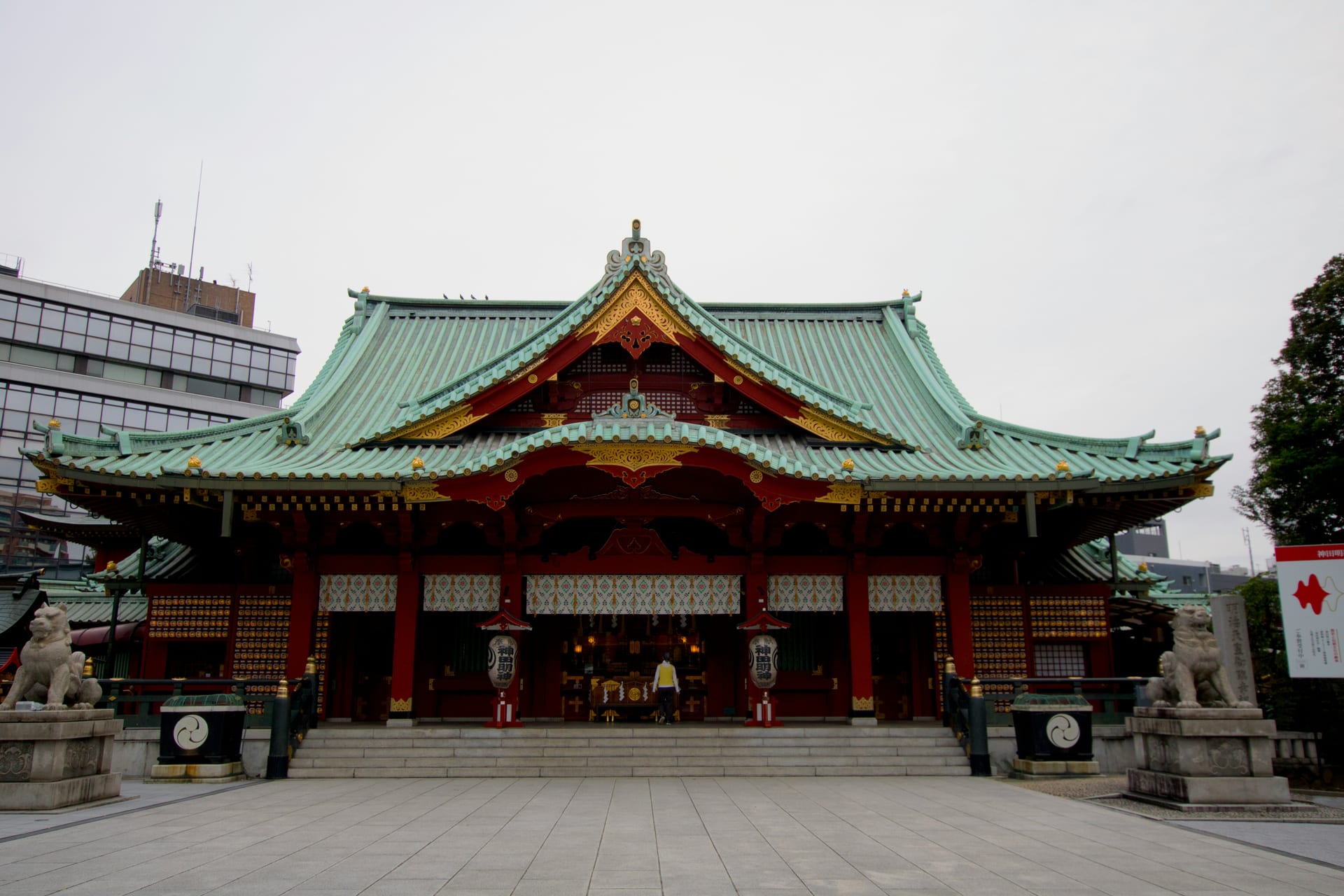
Kanda Myojin Shrine

Ueno Park

Ameya-Yokocho (Ameyoko Market)

Tokyo Character Street

Senso-ji Temple

Nakano Broadway
- •Kanda Myojin Shrine (Around 10 minutes walk): A historic shrine located near Akihabara that blends traditional Japanese culture with modern anime and gaming culture. The shrine frequently hosts anime collaborations, gaming-themed events, and seasonal festivals, making it especially popular with Akihabara visitors.
- •Ueno Park (Around 5 minutes by train): Ueno Park is Tokyo's largest and most famous public park, home to world-class museums, a zoo, Shinobazu Pond, and some of Tokyo's best cherry blossom viewing. It is a cultural hub in the city.
- •Ameya-Yokocho (Ameyoko Market) (Around 5–10 minutes by train): A lively open-air market street near Ueno filled with street food, snacks, fashion stores, cosmetics, seafood shops, and discount shopping. The busy atmosphere feels very different from Akihabara's anime-focused streets.
- •Tokyo Character Street (Around 10 minutes by train): Tokyo Character Street is a free, ticket-free shopping street inside Tokyo Station's Ichibangai underground mall, home to more than 30 official character shops including Pokemon Store Tokyo Station, Donguri Kyowakoku, and JUMP SHOP. It's an easy stop for anime and character fans passing through Tokyo Station.
- •Senso-ji Temple (Around 10–15 minutes by train): Senso-ji is Tokyo's oldest and most visited temple, dating to 645 AD, with the famous Kaminarimon gate and Nakamise shopping street leading to the main hall. It is the spiritual heart of Asakusa.
- •Nakano Broadway (Around 25 minutes by direct train (JR Chuo-Sobu Line, no transfer)): Nakano Broadway is a shopping building in Nakano, western Tokyo, open since 1966 and best known as the home of Mandarake's secondhand manga, anime, and collectibles shops. Free to enter and browse across four shopping floors, it's widely considered a calmer, generally cheaper alternative or complement to Akihabara.
Suggested Itinerary
Pair Akihabara Electric Town with these nearby stops for a full day in Akihabara / Chiyoda.
Frequently Asked Questions
Planning Your Tokyo Trip?
See the full Tokyo destination guide or browse Japan itineraries that include this city.
See all Shopping & Entertainment across Japan →Explore all attractions in Tokyo or browse nearby destinations.
Back to Tokyo Guide →