Senso-ji Temple
ExploreJapanDaily Editorial Team · Last updated: June 26, 2026

- Area
- Asakusa / Taito
- Best For
- Culture, Photography, History, First-Time Visitors
Visiting Senso-ji Temple
Senso-ji Temple is one of Tokyo's most important cultural landmarks and easily one of the most memorable places to visit in Japan for first-time travelers. Located in the historic Asakusa district, the temple has stood at the heart of Tokyo for nearly 1,400 years and continues to attract millions of visitors every year who come to experience its history, atmosphere, food, festivals, and spiritual traditions.
Unlike many modern areas of Tokyo filled with skyscrapers and neon lights, Asakusa offers a glimpse into an older side of the city that still feels deeply connected to traditional Japan.
The experience begins long before reaching the main temple hall.
Most visitors first arrive at the famous Kaminarimon Gate, one of the most photographed landmarks in the country. The enormous red lantern hanging beneath the gate instantly captures attention, while the giant guardian statues standing on either side create a dramatic entrance into the temple grounds. Even travelers who have seen photos countless times are often surprised by how impressive the gate feels in person.

Beyond the gate stretches Nakamise-dori, a lively shopping street leading directly toward the temple. The narrow walkway is lined with traditional stalls and small family-run shops selling Japanese snacks, souvenirs, folding fans, yukata, crafts, sweets, and street food. The atmosphere feels energetic and welcoming, especially during weekends when the area fills with both locals and international visitors.

Many travelers stop along the way to try freshly made melonpan, crispy rice crackers, or small traditional cakes while slowly making their way toward the temple itself.
As the massive main hall comes into view, the atmosphere shifts again.
Smoke from large incense burners drifts through the air while visitors gather to pray, make offerings, draw omikuji fortune slips, and take part in traditions that have existed here for centuries. Despite the crowds, Senso-ji still feels like an active spiritual center rather than simply a tourist attraction. The combination of prayer, history, movement, and incense creates an atmosphere unlike anywhere else in Tokyo.

Inside the broader temple complex, visitors will also find the beautiful five-story pagoda rising above the surrounding rooftops, smaller shrines hidden throughout the grounds, and Asakusa Shrine located beside the main hall. Exploring beyond the central pathway often reveals quieter corners where the pace slows noticeably compared to the busy shopping streets outside.
The surrounding Asakusa neighborhood adds even more character to the experience. Traditional restaurants, old-style cafes, rickshaw drivers, lantern-lit side streets, and local bars help preserve the feeling of old Tokyo in a way few other districts still manage today. Walking through the area during the evening, especially after many daytime crowds leave, creates a completely different and much calmer atmosphere.
Senso-ji also changes dramatically depending on the time of day and season.
Early mornings feel peaceful and almost meditative as incense smoke rises through the quiet temple grounds before larger crowds arrive. During the evening, the illuminated pagoda, gates, and temple buildings glow beautifully against the night sky. Spring cherry blossom season brings soft pink colors around the surrounding streets, while major festivals like Sanja Matsuri transform the entire district into one of Tokyo's most exciting cultural celebrations.
For many travelers visiting Japan for the first time, Senso-ji becomes more than just a temple visit. It offers a rare chance to experience the traditional heart of Tokyo while still standing inside one of the world's largest modern cities. The blend of history, spirituality, food, shopping, and atmosphere makes it one of the most rewarding places to explore in the capital.
Things to Do at Senso-ji Temple
How to Get to Senso-ji Temple
Senso-ji Temple is located in the historic Asakusa district in eastern Tokyo and is one of the easiest traditional attractions in the city to reach by public transportation. The temple sits within walking distance of Asakusa Station, a major transportation hub served by multiple subway and railway lines connecting directly to many of Tokyo's most popular neighborhoods.
For first-time visitors to Japan, Asakusa often feels very different from modern districts like Shibuya or Shinjuku. The atmosphere becomes noticeably calmer and more traditional as you approach the temple area, with lantern-lined streets, small local shops, and historic architecture gradually replacing the skyscrapers of central Tokyo.
- •Nearest station: Asakusa Station, Tokyo Metro Ginza Line / Toei Asakusa Line / Tobu Skytree Line
- •IC cards (Suica, Pasmo, or ICOCA) are accepted on trains, subways, and buses throughout Japan. Tap in and out at every gate.
- •Avoid traveling during rush hour on weekdays: 7am to 9am and 5pm to 8pm. Trains are significantly more crowded.
- •Google Maps provides accurate real-time transit directions in Tokyo. Download offline maps before you arrive.
For IC cards, tickets, and full transit basics for Tokyo, see the complete transportation guide.
See the Getting Around Tokyo guide →Map
Best Time to Visit Senso-ji Temple
Best time to visit Senso-ji Temple: Early morning before crowds, or evenings when the gate is illuminated. Weekday mornings are generally quieter than weekends and public holidays.
- •Best time to visit: Early morning before crowds, or evenings when the gate is illuminated
- •Arriving on a weekday morning avoids the largest crowds. Weekends and public holidays are significantly busier.
- •Spring (late March to early May) and autumn (October to November) are the most popular seasons for visiting Tokyo.
- •Golden Week (late April to early May) is the busiest week of the year in Japan. Book accommodation and tickets well in advance.
Entry Fee for Senso-ji Temple
- •Main Hall opens at 6:00 AM (6:30 AM from October through March) and closes at 5:00 PM; the outer temple grounds and Kaminarimon Gate remain open 24 hours.
- •The path through Nakamise-dori to the Main Hall is flat and step-free, with an elevator on the left side of the Main Hall and a low ramp beside the offering box for wheelchair users.
- •Wheelchair-accessible restrooms are available near Hozomon Gate, and wheelchair rentals are offered at the Asakusa Culture and Tourism Center.
- •Entry to the temple grounds and Main Hall is free; donations are optional.
Nearby Attractions
Combine with Senso-ji Temple on the same day

Nakamise Shopping Street
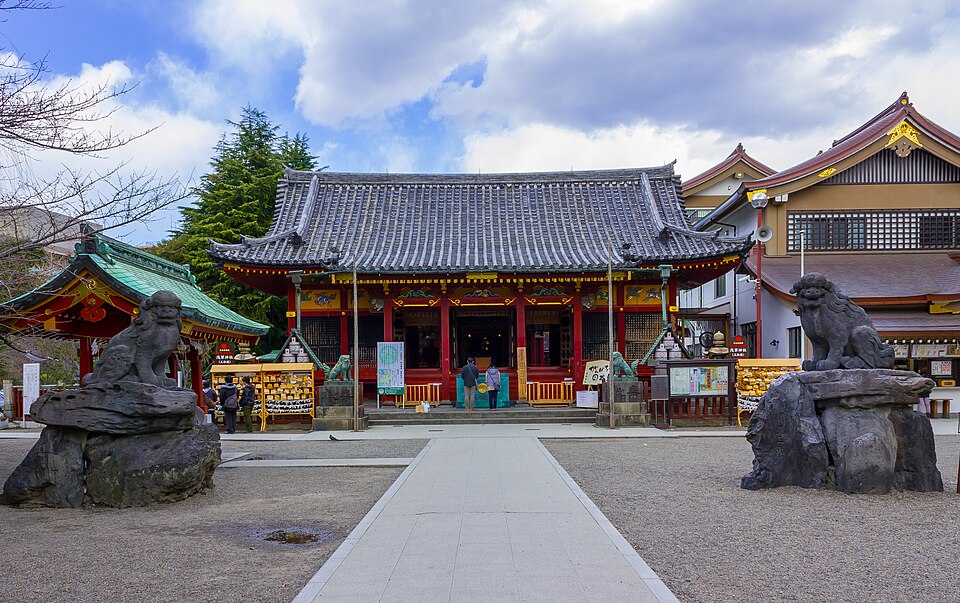
Asakusa Shrine
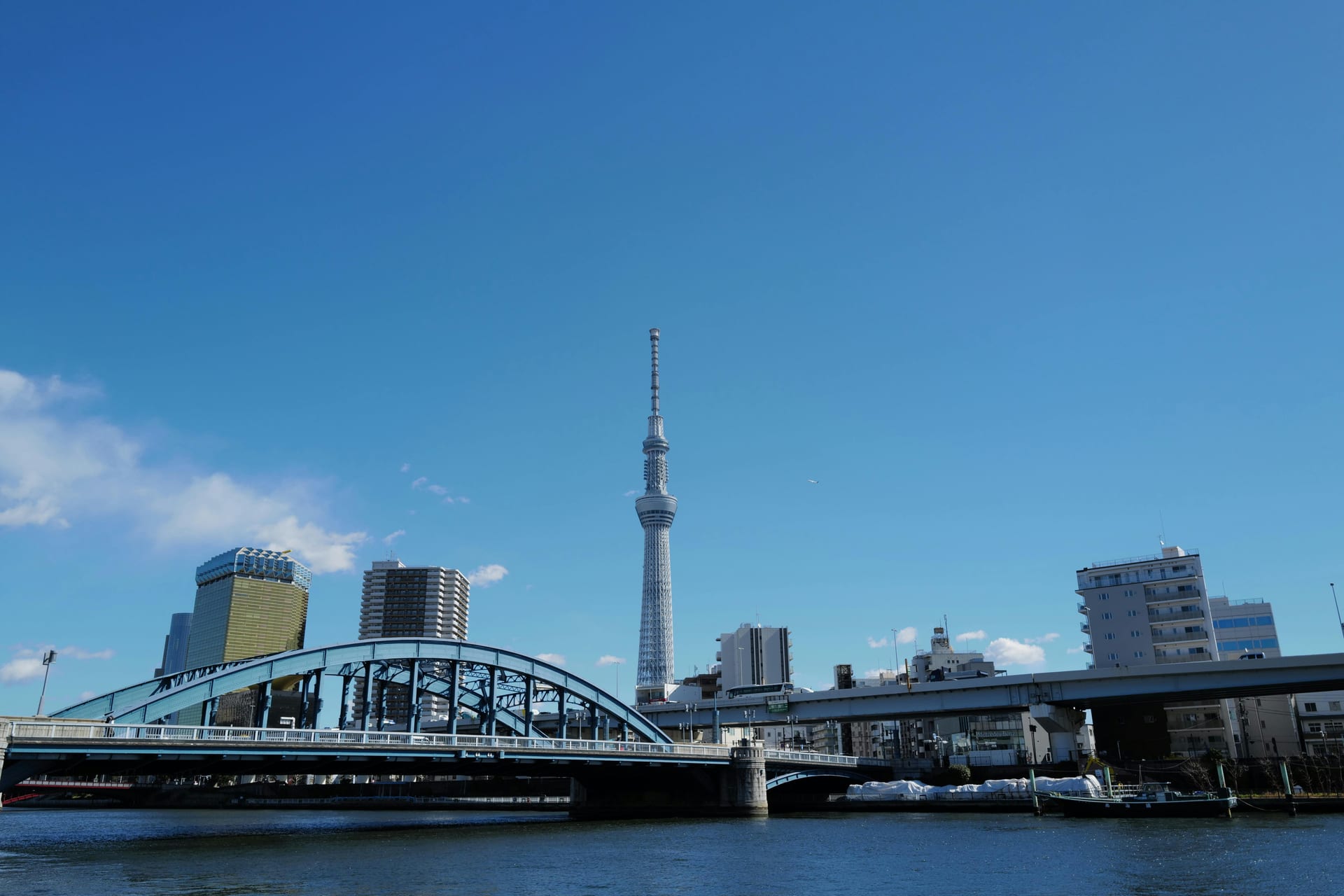
Tokyo Skytree

Sumida Park
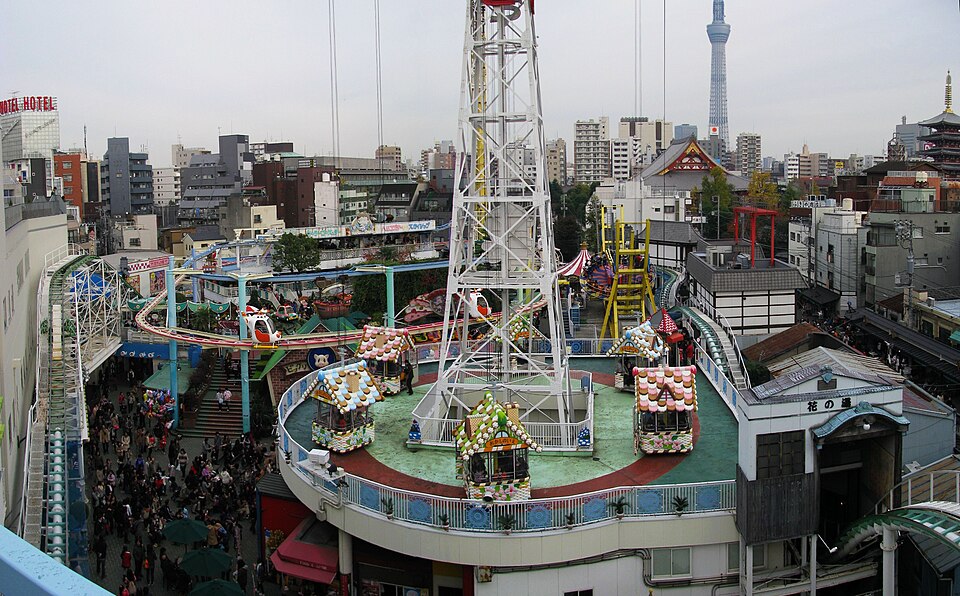
Hanayashiki Amusement Park
- •Nakamise Shopping Street (Directly connected to Senso-ji Temple): Nakamise Shopping Street is a 250-meter pedestrian shopping street of about 89 shops connecting Kaminarimon Gate to Senso-ji Temple's Hozomon Gate in Asakusa. It's a distinct destination from Senso-ji itself, free to walk, selling traditional snacks, souvenirs, and crafts on hours that vary shop by shop.
- •Asakusa Shrine (Inside the Senso-ji Temple complex): A peaceful Shinto shrine beside the main temple hall, closely connected to the Sanja Matsuri festival.
- •Tokyo Skytree (Around 20–25 minutes walk or a few minutes by train): Tokyo Skytree is the tallest structure in Japan at 634 meters, offering panoramic views of the city from its observation decks. It is a must-visit landmark in eastern Tokyo.
- •Sumida Park (Around 5–10 minutes walk from the temple): Sumida Park is a free riverside park on both banks of the Sumida River near Asakusa: a Taito-ku side on the west bank, near Senso-ji, and a Sumida-ku side on the east bank, near Tokyo Skytree. It's one of Tokyo's most historic cherry blossom spots and a year-round Skytree photo viewpoint.
- •Hanayashiki Amusement Park (Around 5 minutes walk from the temple): Japan's oldest amusement park sits just behind Senso-ji Temple, offering a nostalgic retro atmosphere with old-school rides and colorful attractions.
Suggested Itinerary
Pair Senso-ji Temple with these nearby stops for a full day in Asakusa / Taito.
Frequently Asked Questions
Planning Your Tokyo Trip?
See the full Tokyo destination guide or browse Japan itineraries that include this city.
See all Temples & Shrines across Japan →Explore all attractions in Tokyo or browse nearby destinations.
Back to Tokyo Guide →