Yanaka
ExploreJapanDaily Editorial Team · Last updated: June 26, 2026

- Area
- Yanaka / Taito
- Best For
- History, Culture, Photography, Peaceful Walks
- Nearby
- Ueno Park · Nezu Shrine
Visiting Yanaka
Yanaka is one of the few neighborhoods in Tokyo where visitors can still experience the atmosphere of old Tokyo largely intact. Located in the city's eastern districts near Ueno, Yanaka survived much of the destruction caused by the Great Kanto Earthquake and World War II, allowing the neighborhood to preserve its traditional streets, wooden houses, temples, local shops, and slower residential character in a way that has become increasingly rare in modern Tokyo.
For travelers searching for a quieter and more traditional side of the city, Yanaka offers one of Tokyo's most rewarding walking experiences.
Unlike districts dominated by skyscrapers, giant shopping centers, and neon signs, Yanaka feels deeply human in scale. Narrow alleys, low-rise wooden buildings, small gardens, temple entrances, bicycles leaning against walls, and local residents moving through everyday routines create an atmosphere that feels far removed from the intensity of Shibuya or Shinjuku.
The neighborhood is often described as part of Tokyo's historic "shitamachi" culture, referring to the older working-class districts that once defined much of the city.
At the center of the area is Yanaka Ginza, a traditional shopping street lined with small food stalls, family-run businesses, bakeries, cafés, grocery stores, craft shops, and local restaurants. Rather than feeling designed for tourism, the street still functions as a genuine neighborhood marketplace where local residents shop daily.

This authenticity is part of what makes Yanaka so appealing.
Street food is another highlight of the area. Visitors often stop for freshly grilled skewers, croquettes, rice crackers, mochi sweets, and small snacks while walking slowly through the neighborhood. Compared to Tokyo's larger commercial food districts, the atmosphere here feels quieter, more personal, and less rushed.
Temples and shrines appear throughout the district.
Yanaka contains one of the highest concentrations of temples in Tokyo, many hidden quietly along residential side streets. The calm atmosphere around these smaller temple grounds contributes strongly to the neighborhood's historic feeling and creates endless opportunities for peaceful exploration and photography.
Yanaka Cemetery is one of the neighborhood's most distinctive landmarks.
Far more than simply a cemetery, the broad tree-lined paths create one of Tokyo's most peaceful walking environments. During cherry blossom season, the central avenue becomes especially beautiful as sakura trees arch above the quiet pathways. The cemetery also contains the graves of historically important Japanese figures including members of the Tokugawa family.

The artistic and creative community has also shaped Yanaka's identity.
Small galleries, ceramic studios, craft workshops, bookstores, and independent cafés are scattered throughout the area. Many artists and craftspeople have chosen to work here because of the neighborhood's preserved atmosphere and slower pace of life.
Nearby Nezu Shrine adds another major historical attraction to the experience.
Known for its tunnel of vermillion torii gates and seasonal azalea gardens, the shrine provides one of Tokyo's most atmospheric traditional shrine experiences without the overwhelming crowds found at some larger tourist sites.
Yanaka is best explored slowly and without a strict itinerary.
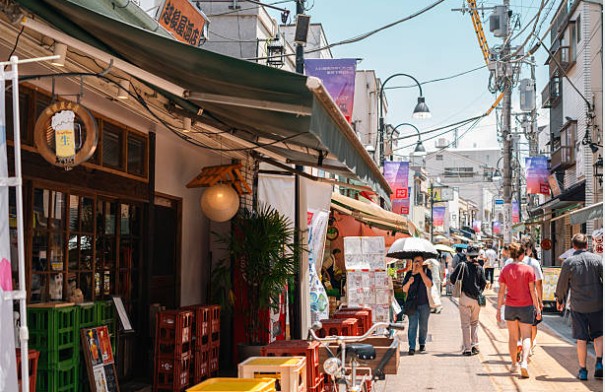
The neighborhood rewards wandering through side streets, stopping inside small shops, sitting in cafés, and discovering hidden corners rather than rushing between famous landmarks. Many visitors combine Yanaka with nearby Ueno Park, Nezu Shrine, or the Tokyo National Museum for a full day exploring Tokyo's more traditional eastern districts.
For travelers interested in old Tokyo atmosphere, local neighborhood culture, traditional streets, and quieter experiences beyond the city's major tourist centers, Yanaka remains one of Tokyo's most authentic and memorable districts to explore.
Things to Do at Yanaka
How to Get to Yanaka
Yanaka is located in Tokyo's northeastern districts near Ueno and Nippori and is easily accessible by train from most major parts of the city. Despite its traditional atmosphere and quiet residential character, the neighborhood sits surprisingly close to central Tokyo and can easily be combined with nearby attractions such as Ueno Park, Nezu Shrine, and the Tokyo National Museum.
Because Yanaka is best explored slowly on foot, many visitors spend several hours wandering through the neighborhood after arriving.
- •Nearest station: Nippori Station, JR Yamanote Line (5-minute walk to Yanaka Ginza shopping street)
- •IC cards (Suica, Pasmo, or ICOCA) are accepted on trains, subways, and buses throughout Japan. Tap in and out at every gate.
- •Avoid traveling during rush hour on weekdays: 7am to 9am and 5pm to 8pm. Trains are significantly more crowded.
- •Google Maps provides accurate real-time transit directions in Tokyo. Download offline maps before you arrive.
For IC cards, tickets, and full transit basics for Tokyo, see the complete transportation guide.
See the Getting Around Tokyo guide →Map
Best Time to Visit Yanaka
Best time to visit Yanaka: Weekday mornings for quiet streets and a local atmosphere. Weekday mornings are generally quieter than weekends and public holidays.
- •Best time to visit: Weekday mornings for quiet streets and a local atmosphere
- •Arriving on a weekday morning avoids the largest crowds. Weekends and public holidays are significantly busier.
- •Spring (late March to early May) and autumn (October to November) are the most popular seasons for visiting Tokyo.
- •Golden Week (late April to early May) is the busiest week of the year in Japan. Book accommodation and tickets well in advance.
The paths through Yanaka Cemetery are lined with cherry trees, making it a quieter alternative to Ueno Park for sakura viewing.
Entry Fee for Yanaka
- •Yanaka Ginza shopping street is mostly flat and step-free with no entrance steps at most shops, though the lanes can be narrow and cramped at busy times.
- •Approaching from Sendagi Station is flatter than from Nippori Station, which requires going up and back down a hill.
Nearby Attractions
Combine with Yanaka on the same day

Ueno Park

Nezu Shrine

Tokyo National Museum

Ameya-Yokocho (Ameyoko Market)

Senso-ji Temple
- •Ueno Park (Around 15–20 minutes walk): Ueno Park is Tokyo's largest and most famous public park, home to world-class museums, a zoo, Shinobazu Pond, and some of Tokyo's best cherry blossom viewing. It is a cultural hub in the city.
- •Nezu Shrine (Around 10–15 minutes walk): Nezu Shrine is a free Shinto shrine in Bunkyo, Tokyo, founded by legend around 1,900 years ago and rebuilt at its present site in 1705-1706. It is known for a vermillion torii gate tunnel leading to Otome Inari Shrine and a spring azalea garden that hosts the Bunkyo Azalea Festival, and it offers a genuinely quieter alternative to Meiji Shrine or Senso-ji most of the year.
- •Tokyo National Museum (Around 15–20 minutes walk): Tokyo National Museum, Japan's oldest and largest museum, holds around 110,000 items of Japanese art, antiquities, and archaeology across multiple buildings in Ueno Park. First-time visitors should start at the Honkan, the main Japanese Gallery.
- •Ameya-Yokocho (Ameyoko Market) (Around 20–25 minutes walk or 10–15 minutes by train): Ameya-Yokocho is a lively outdoor market street running beneath the Yamanote Line tracks in Ueno, packed with food stalls, discount shops, and a vibrant street market atmosphere.
- •Senso-ji Temple (Around 20–30 minutes by train): Senso-ji is Tokyo's oldest and most visited temple, dating to 645 AD, with the famous Kaminarimon gate and Nakamise shopping street leading to the main hall. It is the spiritual heart of Asakusa.
Suggested Itinerary
Pair Yanaka with these nearby stops for a full day in Yanaka / Taito.
Frequently Asked Questions
Planning Your Tokyo Trip?
See the full Tokyo destination guide or browse Japan itineraries that include this city.
See all Shopping & Entertainment across Japan →Explore all attractions in Tokyo or browse nearby destinations.
Back to Tokyo Guide →