Hakone Open Air Museum
ExploreJapanDaily Editorial Team · Last updated: June 28, 2026
- Area
- Ninotaira
- Best For
- Art, Nature, Photography, Families
Visiting Hakone Open Air Museum
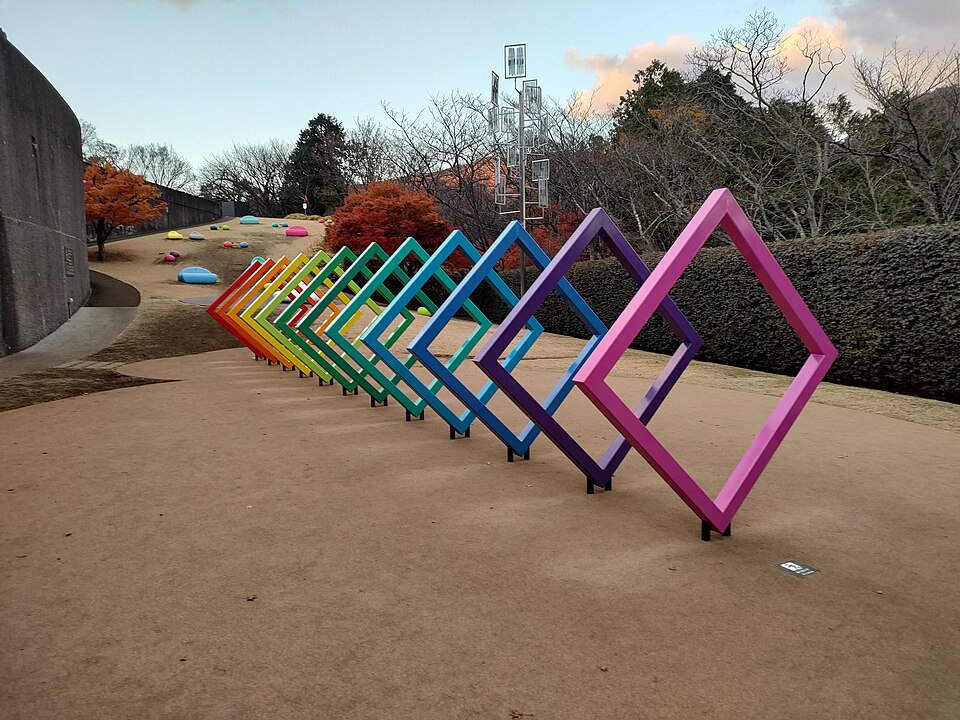
The Hakone Open-Air Museum is one of Japan's most distinctive cultural attractions, a place where world-class art and natural scenery come together in a way that feels both innovative and deeply connected to its surroundings. Set among the mountains of Hakone, this expansive outdoor museum transforms the traditional gallery experience by placing large-scale sculptures, installations, and artistic spaces within landscaped gardens, rolling lawns, and dramatic mountain views. For many visitors, it becomes one of the highlights of a Hakone itinerary, offering an experience that feels refreshing, interactive, and unlike any conventional art museum.
Opened in 1969 as Japan's first open-air museum, the Hakone Open-Air Museum was created with a simple but ambitious vision: to make art accessible within a natural environment rather than confining it to enclosed exhibition halls. More than five decades later, that vision continues to define the visitor experience. The museum invites guests to engage with art through movement, exploration, and observation. Sculptures appear against mountain backdrops, pathways wind through carefully maintained gardens, and changing weather conditions subtly alter how each artwork is perceived throughout the day.
One of the most striking aspects of the museum is its setting. Hakone is already known for its volcanic landscapes, forests, hot springs, and views of Mount Fuji, and the museum takes full advantage of this environment. Rather than competing with nature, the artwork is positioned to complement it. A sculpture viewed on a bright summer afternoon may feel entirely different when seen beneath autumn foliage or surrounded by mist drifting through the mountains. The landscape becomes part of the exhibition itself, creating a constantly evolving relationship between art and environment.

Walking through the museum feels less like visiting a gallery and more like exploring a carefully curated park where creativity appears around every corner. Large lawns provide space for monumental sculptures by internationally renowned artists, while smaller pathways reveal more intimate works tucked among trees and gardens. Visitors can spend time studying individual pieces or simply enjoy the experience of moving through an outdoor environment where art emerges naturally within the landscape. This balance makes the museum appealing to both dedicated art enthusiasts and travelers who may not typically prioritize museum visits.
The collection itself reflects a broad range of artistic styles, materials, and perspectives. Modern and contemporary sculptures dominate much of the outdoor space, showcasing works by Japanese and international artists whose creations interact directly with their surroundings. Stone, metal, glass, and other materials respond differently to changing light and weather conditions, ensuring that the museum rarely looks exactly the same twice. This dynamic quality encourages visitors to slow down and observe details that might otherwise be overlooked in a more traditional exhibition setting.
Among the museum's most celebrated attractions is its Picasso collection, housed within a dedicated indoor gallery. The collection includes paintings, ceramics, sculptures, drawings, and other works that provide insight into the remarkable range of Pablo Picasso's creative output. While the outdoor sculptures often receive much of the attention, the Picasso Pavilion adds another dimension to the experience, connecting global artistic history with the museum's broader mission of cultural engagement. The combination of indoor and outdoor exhibitions allows visitors to move between different artistic environments while maintaining a sense of continuity throughout the site.
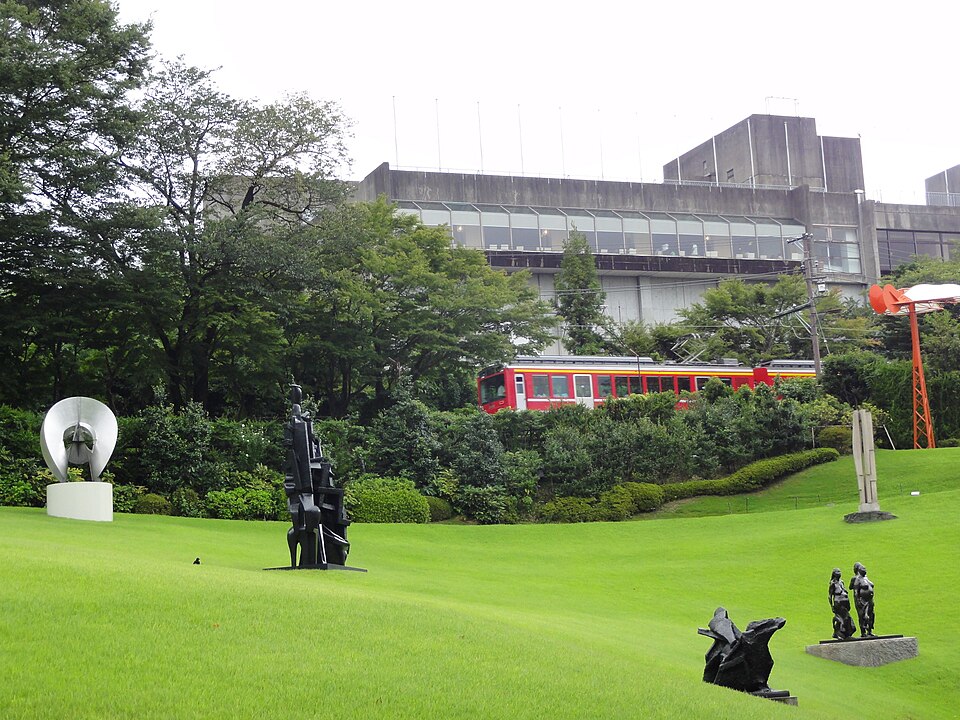
The museum is also notable for its interactive approach to art. Unlike institutions where visitors are encouraged to observe from a distance, several installations invite participation and exploration. Families traveling with children often find the museum particularly rewarding because it encourages curiosity and movement rather than passive viewing. Interactive artworks, playful structures, and open spaces make the experience engaging across different age groups and backgrounds. This accessibility has helped establish the Hakone Open-Air Museum as one of Japan's most popular cultural destinations.
Seasonal changes contribute significantly to the museum's character. Spring introduces fresh greenery and colorful blooms that soften the surrounding landscape. Summer highlights the contrast between vibrant lawns and dramatic sculptures under clear skies. Autumn transforms the grounds with rich shades of red, orange, and gold, creating some of the most photogenic scenes of the year. Winter brings a quieter atmosphere, where crisp mountain air and clearer views emphasize the shapes and forms of the artwork against a simpler natural backdrop. Each season offers a distinct perspective, encouraging repeat visits and rewarding those who experience the museum at different times of the year.
Beyond its artistic significance, the Hakone Open-Air Museum reflects a broader aspect of Japanese culture: the appreciation of harmony between human creativity and the natural world. Japanese gardens, architecture, and traditional arts have long emphasized the importance of integrating design with surrounding landscapes. The museum interprets this idea through a contemporary lens, creating a space where modern sculpture and mountain scenery enhance one another rather than compete for attention. The result feels uniquely suited to Hakone and contributes to the museum's enduring appeal.
For international travelers visiting Japan, the Hakone Open-Air Museum offers something that complements the country's temples, shrines, historic districts, and traditional cultural sites. It provides an opportunity to engage with modern artistic expression while remaining deeply connected to the natural beauty that defines the Hakone region. The museum's combination of outdoor exploration, mountain scenery, renowned artworks, and innovative design creates an experience that appeals to a wide range of interests.
What makes the Hakone Open-Air Museum particularly memorable is its ability to leave visitors feeling both inspired and relaxed. The spacious grounds, fresh mountain air, changing scenery, and thoughtfully positioned artworks create an atmosphere that encourages reflection without feeling formal or intimidating. Whether arriving with a deep interest in art or simply seeking a unique experience in Hakone, visitors often leave with a renewed appreciation for how creativity can transform a landscape. In a region celebrated for its natural beauty, the Hakone Open-Air Museum stands as a remarkable example of how art and nature can exist in perfect conversation.
Things to Do at Hakone Open Air Museum
How to Get to Hakone Open Air Museum
The Hakone Open-Air Museum is located in the Miyanoshita area of Hakone and is one of the easiest attractions in Hakone to access by public transportation.
- •Nearest station: Chokoku-no-Mori Station (Hakone Tozan Railway)
- •IC cards (Suica, Pasmo, or ICOCA) are accepted on trains, subways, and buses throughout Japan. Tap in and out at every gate.
- •Avoid traveling during rush hour on weekdays: 7am to 9am and 5pm to 8pm. Trains are significantly more crowded.
- •Google Maps provides accurate real-time transit directions in Hakone. Download offline maps before you arrive.
Map
Best Time to Visit Hakone Open Air Museum
Best time to visit Hakone Open Air Museum: Weekdays; autumn for coloured mountain backdrop. Weekday mornings are generally quieter than weekends and public holidays.
- •Best time to visit: Weekdays; autumn for coloured mountain backdrop
- •Arriving on a weekday morning avoids the largest crowds. Weekends and public holidays are significantly busier.
- •Spring (late March to early May) and autumn (October to November) are the most popular seasons for visiting Hakone.
- •Golden Week (late April to early May) is the busiest week of the year in Japan. Book accommodation and tickets well in advance.
Entry Fee & Hours
| Category | Price (JPY) | Approx. (USD) |
|---|---|---|
| Adult | ¥2,000 | ~$13 |
| University / High School Student | ¥1,600 | ~$11 |
| Elementary / Junior High Student | ¥800 | ~$5 |
Prices reflect current admission per the museum's official website. USD amounts are approximate and change with the exchange rate.
- •Tickets can be purchased online in advance or at the entrance gate on the day of your visit.
- •Most outdoor pathways are paved and gently sloped, making the sculpture garden accessible for wheelchairs and strollers, though some smaller garden paths use loose gravel.
- •The on-site foot bath (ashiyu) requires removing footwear and is not designed for wheelchair access.
Nearby Attractions
Combine with Hakone Open Air Museum on the same day
Hakone Gora Park
Nearby AttractionHakone Museum of Art
Nearby AttractionHakone Ropeway
Nearby Attraction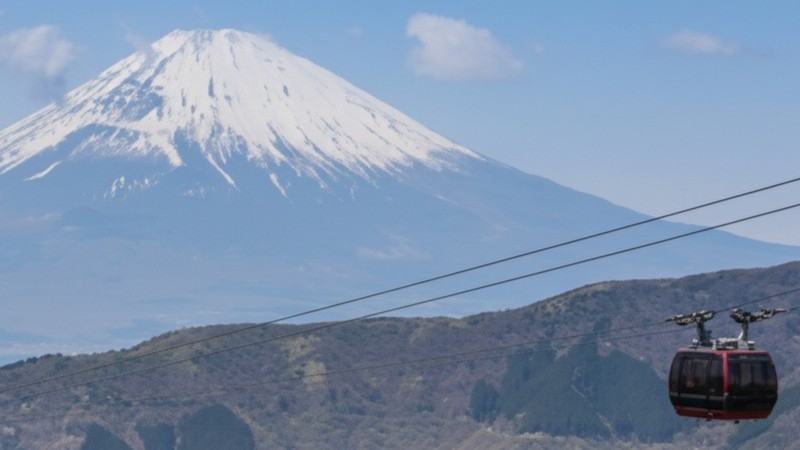
Owakudani

Lake Ashi (Ashinoko)
- •Hakone Gora Park: Located a short distance from the museum, Gora Park is a beautiful French-style landscaped garden featuring fountains, seasonal flowers, greenhouses, and scenic mountain views.
- •Hakone Museum of Art: One of Hakone's most respected museums, it is known for its collection of Japanese ceramics and its stunning moss garden, which is especially beautiful during autumn.
- •Hakone Ropeway: The Hakone Ropeway offers spectacular aerial views of Hakone's mountains, Owakudani Valley, Lake Ashi, and Mount Fuji on clear days.
- •Owakudani: An active volcanic valley at 1,044 meters with dramatic steam vents, sulfur springs, and the famous black eggs hard-boiled in volcanic water.
- •Lake Ashi (Ashinoko): A scenic volcanic crater lake offering iconic Mt Fuji reflections, the famous floating torii gate of Hakone Shrine, and beautiful lakeside views.
Suggested Itinerary
Pair Hakone Open Air Museum with these nearby stops for a full day in Ninotaira.
Frequently Asked Questions
Planning Your Hakone Trip?
See the full Hakone destination guide or browse Japan itineraries that include this city.
See all Museums across Japan →Explore all attractions in Hakone or browse nearby destinations.
Back to Hakone Guide →