
14 Days
Best for: First-Time
The Classic Japan: 2 Weeks in Tokyo, Kyoto & Osaka
The perfect first-timer route through Japan's greatest cities
Tokyo · Hakone · Kyoto · Osaka
#Mid-Range
From$3,200/person
View Hakone route →
Hakone is Japan's most famous mountain retreat, known for its hot springs, scenic landscapes, and some of the country's best views of Mount Fuji, all within a short trip from Tokyo. While the region is celebrated for its traditional ryokan inns, volcanic valleys, and peaceful lakeside scenery, it also features modern art museums, sightseeing cruises, and ropeways that showcase the area's dramatic natural beauty. Hakone suits travelers looking to slow down, unwind in a hot spring, and take in views that few places in Japan can match. Continue reading to discover the top attractions, viewpoints, and experiences that make Hakone one of Japan's most popular getaway destinations.
•8 min read
The must-see sights, ranked by traveler impact
View all Hakone attractions →
Moto-Hakone
 Editor's Pick
Ninotaira
Owakudani

Hakone-Yumoto

Moto-Hakone

Moto-Hakone

Odawara
Quick Answer
Hakone combines Japan's most accessible Mount Fuji views with traditional onsen ryokan, volcanic landscapes, and outdoor art museums, all within 90 minutes of Tokyo. It suits couples, first-time visitors wanting an onsen experience, and Mount Fuji photographers.
Hakone is worth visiting because it combines Japan's best accessible Mount Fuji views with traditional hot spring ryokan, volcanic landscapes, and world-class outdoor art museums, all within a short trip from Tokyo. Instead of focusing on a single landmark, the region combines mountain railways, ropeways, sightseeing boats, lakeside viewpoints, and winding forest roads into a destination designed to be explored from multiple perspectives.
Many travelers come for the iconic views of Mount Fuji, but Hakone offers much more than postcard scenery. The area sits within the Fuji-Hakone-Izu National Park and is known for volcanic landscapes, steaming vents in Owakudani, peaceful cedar forests, and natural hot spring resorts that have attracted visitors for centuries. The combination of dramatic terrain and traditional hospitality creates a distinctly different atmosphere from Japan's major cities.
Hakone is also one of the country's leading cultural retreats. World-class museums such as the Hakone Open-Air Museum and the Pola Museum of Art bring contemporary art into striking natural settings, adding another layer to the visitor experience.
Whether you are looking to soak in an onsen, photograph Mount Fuji, enjoy scenic transportation, or simply spend a slower day surrounded by nature, Hakone provides a refreshing change of pace and remains one of Japan's most memorable destinations.
Quick Answer
From Tokyo, the Odakyu Romancecar runs direct from Shinjuku to Hakone-Yumoto in about 85–90 minutes with no transfers. JR Pass holders can take the Shinkansen to Odawara (about 35 minutes) and transfer to a local Hakone Tozan train or bus.
Hakone is located in Kanagawa Prefecture, about 80 kilometers (50 miles) southwest of Tokyo, and has no airport of its own — most visitors reach it from Tokyo via the direct Odakyu Romancecar (about 85–90 minutes) or by Shinkansen to Odawara with a short local transfer.
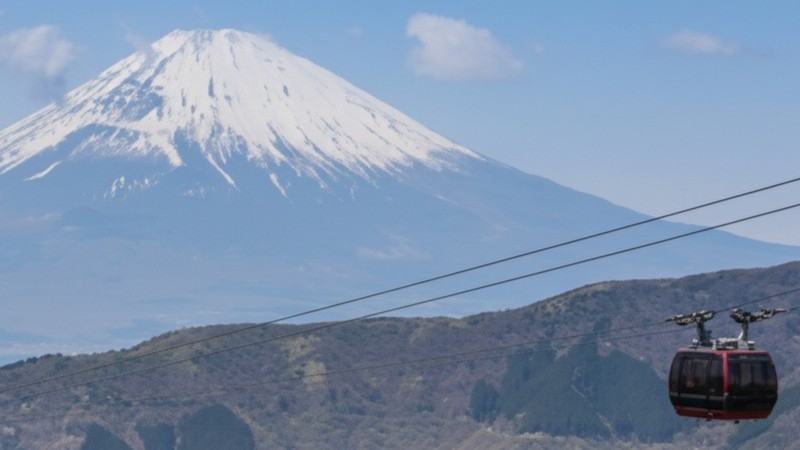
Once in Hakone, an extensive network of trains, buses, cable cars, ropeways, and sightseeing boats makes it easy to travel between major attractions, including Lake Ashi, Owakudani, Gora, and the Hakone Open-Air Museum.
Recommended
For most travelers coming from Tokyo, the Odakyu Romancecar is the easiest and most comfortable way to reach Hakone, with no transfers required. JR Pass holders, or those combining Hakone with Kyoto and Osaka, should take the Hikari or Kodama Shinkansen to Odawara and transfer onward. Once in Hakone, the Hakone Freepass offers unlimited travel on most local transportation, including trains, buses, the ropeway, and the Lake Ashi sightseeing boat.
Quick Answer
Autumn (October–November) offers Hakone's best foliage and generally clear Mount Fuji views. Winter (December–February) has the clearest air and best Fuji visibility overall, though temperatures are cold. Avoid Golden Week and Obon for lighter crowds.
The best time to visit Hakone is autumn (October–November) for fall foliage and clear Mount Fuji views, or winter (December–February) when cold, dry air gives the clearest Fuji visibility of the year. Hakone is one of Japan's most popular mountain resort destinations, famous for its hot springs, Lake Ashi cruises, volcanic landscapes, and spectacular views of Mount Fuji.
Spring is one of the most beautiful times to visit Hakone. Cherry blossoms bloom from late March through early April, adding color to parks, lakesides, and temple grounds throughout the region.
Temperatures generally range from 45°F–70°F (7°C–21°C), making it comfortable for outdoor activities such as riding the Hakone Ropeway, cruising Lake Ashi, and exploring Hakone Open-Air Museum.
Spring also offers some of the year's best chances to see Mount Fuji clearly, particularly in the morning.
Summer transforms Hakone into a lush green mountain retreat. Temperatures are typically cooler than Tokyo, making it a popular escape from the city's heat.
June is part of Japan's rainy season, while July and August bring warm weather and vibrant greenery. Hydrangeas bloom throughout the area, especially along the Hakone Tozan Railway.
Temperatures usually range from 65°F–85°F (18°C–29°C).
Many travelers consider autumn the best overall time to visit Hakone. The mountains surrounding Lake Ashi turn brilliant shades of red, orange, and yellow, creating some of the region's most spectacular scenery.
Popular foliage viewing locations include:
Temperatures are comfortable, skies are often clear, and Mount Fuji visibility is generally excellent.
Winter is often overlooked, but it offers the clearest views of Mount Fuji. Cold, dry air creates excellent visibility, making it the best season for photography.
Temperatures typically range from 30°F–50°F (-1°C–10°C). While snowfall is uncommon in central Hakone, nearby mountains may occasionally receive snow, creating beautiful scenery around the hot spring resorts.
Winter is also one of the best times to enjoy Hakone's famous onsen while looking out toward Mount Fuji.
Golden Week is one of Japan's busiest holiday periods. Roads, trains, ropeways, and sightseeing boats can become extremely crowded, and hotel prices rise significantly.
Hakone's autumn colors attract large numbers of domestic and international visitors. Expect longer waits for the Ropeway, sightseeing cruises, and popular viewpoints.
Obon is a major domestic travel season. Accommodation prices rise, transportation becomes crowded, and many attractions experience longer lines.
While Hakone remains beautiful during the rainy season, cloudy conditions can limit views of Mount Fuji and reduce visibility at higher elevations.
For the best balance of weather, scenery, and sightseeing opportunities, visit Hakone during:
For most first-time visitors, November offers the best overall experience, combining colorful autumn scenery, comfortable temperatures, excellent Mount Fuji visibility, and ideal conditions for exploring Hakone's lakes, mountains, and hot springs.
Quick Answer
Gora offers the best overall balance of sightseeing access, hot springs, and ryokan options. Hakone-Yumoto suits first-time visitors and short stays, the Lake Ashi area is best for Mount Fuji views, and Sengokuhara suits travelers wanting a quieter nature retreat.
The best areas to stay in Hakone are Hakone-Yumoto, Gora, the Lake Ashi area, and Sengokuhara, each suiting a different travel style and budget. Unlike Tokyo, Kyoto, or Osaka, Hakone is not a single city center but a collection of mountain villages, hot spring towns, lakeside resorts, and sightseeing areas spread throughout a national park.
Best for: First-timers & short stays
Best for: Sightseeing & luxury ryokan
Best for: Mount Fuji views & couples
Best for: Nature & quiet retreats
Easy day trips or next stops from Hakone
Mount Fuji views • Lake scenery • Shrines and pilgrimage history • Photography

Nagoya Castle and Hommaru Palace • Atsuta Jingu and the Kusanagi sword tradition • Hitsumabushi and miso katsu • Toyota and railway industrial heritage • A convenient Shinkansen stopover between Tokyo and Kyoto/Osaka

Kenroku-en Garden, one of Japan's three great gardens • Kanazawa Castle and its reconstructed turrets • Higashi Chaya District's preserved geisha quarter and gold leaf craft • Omicho Market's 300-year-old seafood stalls • The 21st Century Museum of Contemporary Art
Day-by-day Japan routes that include Hakone
Best for: First-Time
The perfect first-timer route through Japan's greatest cities
Tokyo · Hakone · Kyoto · Osaka
From$3,200/person
View Hakone route →

Best for: Nature
Tokyo, Nikko, Kyoto, and Hakone chasing peak fall color
From$2,400/person
View Hakone route →Free Itinerary Builder
Choose Hakone attractions, organize them by day, and see opening hours, admission fees and your trip pace in one place.
Guides and tools for the parts of a Hakone trip that take the most planning
Browse curated itineraries that include Hakone, or build your own with our free planning tools.
Next: Explore all attractions in Hakone or browse nearby destinations.
Back to All Destinations →