Lake Ashi (Ashinoko)
ExploreJapanDaily Editorial Team · Last updated: June 28, 2026

- Area
- Moto-Hakone
- Best For
- Photography, Mt Fuji views, Couples, Nature
Visiting Lake Ashi (Ashinoko)
Lake Ashi, known locally as Ashinoko, is one of the most iconic landscapes in the Hakone region and among the most photographed destinations in Japan. Formed thousands of years ago within the caldera of Mount Hakone following a volcanic eruption, the lake stretches across a landscape of forested hills, mountain ridges, hot spring towns, and historic routes that have shaped the region for centuries. For many travelers, Lake Ashi represents the image they imagine when thinking about Hakone: calm waters reflecting distant mountains, traditional sightseeing boats crossing the lake, and, on clear days, the unmistakable silhouette of Mount Fuji rising beyond the horizon.
The appeal of Lake Ashi extends far beyond its scenic beauty. The lake occupies a unique position where nature, history, and culture intersect. Situated along the old Tokaido route that once connected Kyoto and Edo, present-day Tokyo, the area has welcomed travelers for hundreds of years. Merchants, samurai, pilgrims, and government officials all passed through this mountainous region during Japan's feudal era. Even today, there is a sense that Lake Ashi remains a gateway between landscapes and time periods, where traces of historical Japan continue to coexist with contemporary tourism and daily life.
One of the defining characteristics of Lake Ashi is its atmosphere. Unlike urban waterfronts or heavily developed resort lakes, Ashinoko feels remarkably balanced between human activity and natural surroundings. Forested slopes descend toward the shoreline, and much of the lake remains framed by greenery rather than dense construction. The water itself often appears calm and reflective, particularly during the morning hours when mist occasionally drifts across the surface. On certain days, the surrounding mountains seem to emerge gradually from the fog, creating scenes that feel almost painterly in their composition.

Mount Fuji plays an important role in the identity of Lake Ashi. While the mountain is not always visible due to weather conditions, clear skies can reveal one of the most celebrated views in Japan. The combination of the lake in the foreground, wooded hills along the shoreline, and Mount Fuji rising in the distance creates a landscape that has inspired artists, photographers, and travelers for generations. The relationship between these natural features is central to the lake's reputation and contributes significantly to its enduring popularity among domestic and international visitors alike.
The shoreline itself offers a variety of experiences, from quiet forest paths and lakeside viewpoints to cultural landmarks that deepen the connection between the lake and the surrounding region. One of the most recognizable sights is the vermilion torii gate of Hakone Shrine standing near the water's edge. Appearing against the backdrop of the lake and mountains, the gate has become one of Hakone's defining images. The surrounding cedar forests and shrine grounds reinforce the spiritual character of the landscape, reminding visitors that this area has long been regarded as a place where nature and religious traditions are closely intertwined.
Seasonal changes transform Lake Ashi throughout the year. Spring introduces fresh greenery and flowering trees that brighten the shoreline after winter. Summer brings lush forests and longer daylight hours, creating ideal conditions for exploring the lake and surrounding mountains. Autumn is particularly admired, as forests surrounding the lake turn shades of red, orange, and gold, adding dramatic color to the landscape. Winter offers perhaps the clearest opportunities to view Mount Fuji, with crisp air and reduced humidity often improving visibility. Each season presents a different interpretation of the same landscape, ensuring that repeat visits rarely feel identical.

The lake's volcanic origins remain an important part of its identity. Hakone itself sits within an active volcanic region, and the surrounding mountains, geothermal activity, and hot spring culture are direct results of the geological forces that created Lake Ashi thousands of years ago. Although the lake appears tranquil today, its existence is tied to powerful natural processes that continue to shape the region. This connection between dramatic geological history and present-day beauty adds another layer of fascination for visitors interested in Japan's natural landscapes.
One of the most appealing aspects of Lake Ashi is its ability to provide a sense of escape while remaining closely connected to major urban centers. Travelers often arrive from Tokyo and find themselves surrounded by mountains, forests, and open water within a relatively short period of time. The contrast between the intensity of Japan's largest city and the calm atmosphere of the lake enhances the experience significantly. Visitors frequently describe Lake Ashi as a place where the pace naturally slows, encouraging longer walks, quiet observation, and a deeper appreciation of the surrounding environment.
The broader Hakone area contributes significantly to the appeal of Lake Ashi. Traditional ryokan inns, hot spring culture, art museums, mountain railways, and scenic viewpoints create a destination that feels rich and varied without losing its sense of cohesion. The lake often serves as the visual and emotional center of this experience, connecting many of the region's most notable attractions through its presence. Whether viewed from a hillside, a lakeside path, or the deck of a boat crossing the water, Lake Ashi consistently provides a strong sense of place that defines Hakone itself.
For international travelers exploring Japan beyond Tokyo and Kyoto, Lake Ashi offers one of the country's most memorable combinations of natural beauty, cultural significance, and historical depth. It is a landscape shaped by volcanic activity, enriched by centuries of travel and tradition, and framed by one of the world's most recognizable mountains. More importantly, it remains a place where visitors can experience a quieter side of Japan, one defined by water, forests, changing seasons, and the enduring relationship between people and the natural world. The result is a destination that feels timeless, welcoming, and unmistakably Japanese.
Things to Do at Lake Ashi (Ashinoko)
How to Get to Lake Ashi (Ashinoko)
Lake Ashi is located in Hakone, Kanagawa Prefecture, and is easily accessible from Tokyo using trains, buses, ropeways, and sightseeing transportation.
- •Nearest station: Hakone-Machi Pier (ferry from Togendai)
- •IC cards (Suica, Pasmo, or ICOCA) are accepted on trains, subways, and buses throughout Japan. Tap in and out at every gate.
- •Avoid traveling during rush hour on weekdays: 7am to 9am and 5pm to 8pm. Trains are significantly more crowded.
- •Google Maps provides accurate real-time transit directions in Hakone. Download offline maps before you arrive.
Map
Best Time to Visit Lake Ashi (Ashinoko)
Best time to visit Lake Ashi (Ashinoko): Clear mornings in autumn and winter for Mt Fuji views. Weekday mornings are generally quieter than weekends and public holidays.
- •Best time to visit: Clear mornings in autumn and winter for Mt Fuji views
- •Arriving on a weekday morning avoids the largest crowds. Weekends and public holidays are significantly busier.
- •Spring (late March to early May) and autumn (October to November) are the most popular seasons for visiting Hakone.
- •Golden Week (late April to early May) is the busiest week of the year in Japan. Book accommodation and tickets well in advance.
Cherry trees bloom along parts of the Moto-Hakone shoreline, adding color to lakeside walking paths.
Forested hills surrounding the lake turn red, orange, and gold, with cruise boats offering some of the best vantage points.
Cold, dry air produces the clearest long-distance visibility of Mount Fuji across the lake.
Entry Fee & Hours
- •Lake Ashi itself has no entrance, gate, or ticket of any kind; the shoreline paths, piers, and lakeside torii gate viewpoint near Moto-Hakone are free to access at any time.
- •The Moto-Hakone and Hakone-machi pier areas are flat and paved, making them accessible for wheelchairs and strollers, though some forest viewpoints and the shrine's stone stairway involve uneven terrain and steps.
- •Sightseeing cruise boats that cross the lake charge a separate fare unless covered by the Hakone Free Pass; see the Lake Ashi Sightseeing Cruise guide for ticket details.
Nearby Attractions
Combine with Lake Ashi (Ashinoko) on the same day

Hakone Shrine
Hakone Ropeway
Nearby Attraction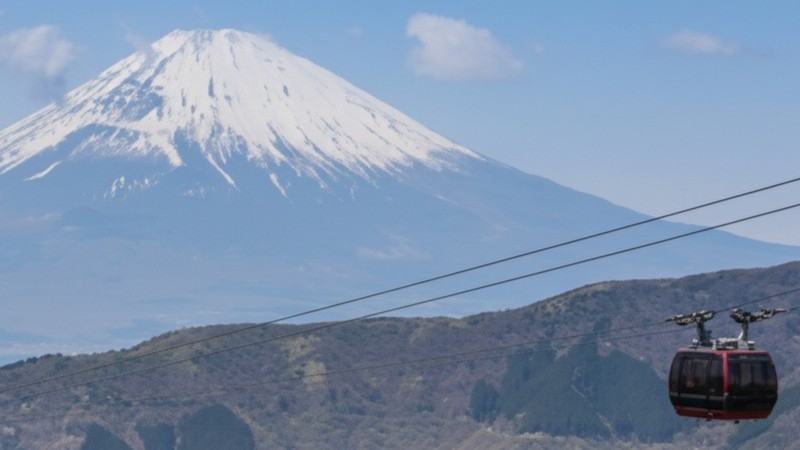
Owakudani
Hakone Checkpoint
Nearby AttractionNarukawa Art Museum
Nearby Attraction- •Hakone Shrine: A historic Shinto shrine set within ancient cedar forest on the shores of Lake Ashi, famous for its iconic torii gate that appears to float on the water.
- •Hakone Ropeway: The Hakone Ropeway offers spectacular aerial views of Lake Ashi, Owakudani Valley, Mount Fuji, and the surrounding mountains, making it one of the region's most popular attractions.
- •Owakudani: An active volcanic valley at 1,044 meters with dramatic steam vents, sulfur springs, and the famous black eggs hard-boiled in volcanic water.
- •Hakone Checkpoint: A reconstructed Edo-period checkpoint that once controlled travel along the historic Tokaido Road between Kyoto and Edo (Tokyo).
- •Narukawa Art Museum: Known for its collection of traditional Japanese paintings, the museum also offers one of the finest panoramic viewpoints overlooking Lake Ashi and Mount Fuji.
Suggested Itinerary
Pair Lake Ashi (Ashinoko) with these nearby stops for a full day in Moto-Hakone.
Frequently Asked Questions
Planning Your Hakone Trip?
See the full Hakone destination guide or browse Japan itineraries that include this city.
See all Nature & Scenic Spots across Japan →Explore all attractions in Hakone or browse nearby destinations.
Back to Hakone Guide →