Owakudani
ExploreJapanDaily Editorial Team · Last updated: June 28, 2026
- Area
- Owakudani
- Best For
- Views, Volcanic scenery, Unique food experiences
Visiting Owakudani
Owakudani is one of the most dramatic natural attractions in the Hakone region, a landscape where visitors can witness the powerful geological forces that continue to shape Japan today. Located within the volcanic mountains of Hakone, this active geothermal valley offers a striking contrast to the calm lakes, forests, and traditional hot spring towns found elsewhere in the area. Steam rises from the earth, sulfur vents release clouds of vapor into the air, and rugged slopes reveal the volcanic origins of the surrounding landscape. For many travelers, Owakudani provides a rare opportunity to experience an active volcanic environment while enjoying some of the most memorable views in central Japan.
The valley was formed approximately 3,000 years ago during the last major eruption of Mount Hakone. Although the volcanic activity seen today is far less dramatic than the forces that created the region, Owakudani remains an active geothermal zone where steam vents, hot springs, and sulfur deposits continue to shape the terrain. The result is a landscape that feels distinctly different from many of Japan's other scenic destinations. Rather than lush gardens or ancient temples, visitors encounter a rugged environment marked by exposed rock, mineral-rich earth, and the constant presence of geothermal activity.
One of the first things travelers notice upon arriving at Owakudani is the atmosphere itself. The scent of sulfur drifts through the air, reminding visitors that the earth beneath their feet remains geologically active. White plumes of steam emerge from vents scattered across the mountainside, creating an ever-changing scene as clouds move across the valley and sunlight shifts throughout the day. The landscape often feels dynamic, almost alive, as if the mountain is continuously revealing evidence of the natural processes occurring below the surface.

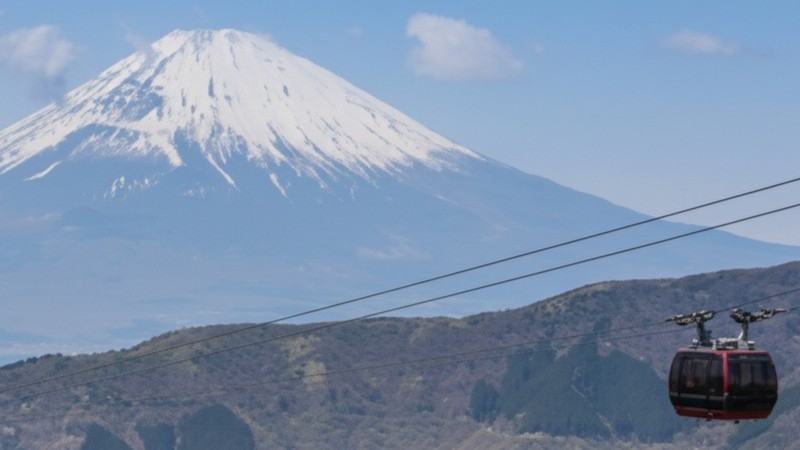
Beyond its geological significance, Owakudani is also celebrated for its exceptional views. On clear days, visitors can look across the surrounding mountains toward Lake Ashi and, perhaps most famously, Mount Fuji. The sight of Japan's highest peak rising beyond the volcanic valley creates one of the most recognizable panoramas in the Hakone region. The contrast between the rugged geothermal landscape in the foreground and the symmetrical beauty of Mount Fuji in the distance is particularly striking. Weather conditions vary throughout the year, but when visibility is good, the view often becomes one of the highlights of a visit to Hakone.
The experience of Owakudani is not defined solely by scenery. The valley has developed a unique cultural identity connected to its geothermal environment. Local traditions, folklore, and regional specialties have emerged around the area's volcanic activity. The most famous example is the black egg, known as kuro tamago, which is cooked in naturally heated sulfur springs. The dark shell results from a chemical reaction between the volcanic water and the egg's surface. Over time, this unusual local specialty has become one of the symbols most closely associated with Owakudani and Hakone itself.
What makes Owakudani particularly interesting is how it reveals a side of Japan that many international visitors do not initially expect. Japan is often associated with temples, gardens, historic districts, and modern cities, yet it is also one of the most geologically active countries in the world. Volcanoes, earthquakes, hot springs, and geothermal landscapes have shaped Japanese culture, settlement patterns, and daily life for centuries. Owakudani provides a visible and accessible example of these natural forces, helping visitors better understand the relationship between Japan's landscapes and its history.

The character of the valley changes throughout the seasons. Spring brings fresh greenery to the surrounding mountains while the geothermal activity continues unchanged, creating a fascinating contrast between new growth and volcanic terrain. Summer often introduces dramatic cloud formations that move quickly across the mountains, adding depth and movement to the landscape. Autumn colors appear on the surrounding hillsides, softening the stark appearance of the valley with shades of red, orange, and gold. Winter can be especially rewarding for photographers and sightseers, as clear, cold air often improves visibility and increases the chances of seeing Mount Fuji.
The broader setting within Hakone National Park further enhances the experience. Owakudani is surrounded by forests, mountain ridges, lakes, and hot spring communities that collectively define the region's identity. While some visitors are initially drawn to the area because of its volcanic activity, many leave with a deeper appreciation for the diversity of landscapes that coexist within a relatively compact region. The valley serves as a reminder that Hakone is not simply a destination for relaxation and sightseeing but also a place where powerful natural forces remain part of everyday life.
Despite its rugged appearance, Owakudani is remarkably accessible and welcoming to travelers. Observation areas and viewpoints allow visitors to appreciate the geothermal activity safely while learning about the geological history of the region. Informational displays and interpretive materials help explain how the landscape was formed and why it continues to evolve. This combination of education, scenery, and firsthand observation makes the valley appealing to a wide range of travelers, from casual sightseers to those with a particular interest in nature, science, or geology.
For international visitors exploring Hakone, Owakudani offers an experience unlike almost anywhere else in Japan. It combines volcanic landscapes, geothermal activity, panoramic mountain views, and cultural traditions within a setting that feels both dramatic and authentic. More importantly, it provides a powerful reminder of the natural forces that continue to shape the Japanese archipelago. Standing among rising steam vents while looking toward Mount Fuji in the distance, visitors gain a deeper appreciation for the landscapes that have influenced Japanese life for thousands of years. It is this combination of raw geology, natural beauty, and cultural significance that makes Owakudani one of Hakone's most distinctive and memorable destinations.
Things to Do at Owakudani
How to Get to Owakudani
Owakudani is located in central Hakone and is most easily reached via the Hakone Ropeway.
- •Nearest station: Owakudani Station (Hakone Ropeway)
- •IC cards (Suica, Pasmo, or ICOCA) are accepted on trains, subways, and buses throughout Japan. Tap in and out at every gate.
- •Avoid traveling during rush hour on weekdays: 7am to 9am and 5pm to 8pm. Trains are significantly more crowded.
- •Google Maps provides accurate real-time transit directions in Hakone. Download offline maps before you arrive.
Map
Best Time to Visit Owakudani
Best time to visit Owakudani: Clear days for ropeway views of Mt Fuji. Weekday mornings are generally quieter than weekends and public holidays.
- •Best time to visit: Clear days for ropeway views of Mt Fuji
- •Arriving on a weekday morning avoids the largest crowds. Weekends and public holidays are significantly busier.
- •Spring (late March to early May) and autumn (October to November) are the most popular seasons for visiting Hakone.
- •Golden Week (late April to early May) is the busiest week of the year in Japan. Book accommodation and tickets well in advance.
Entry Fee & Hours
| Category | Price (JPY) | Approx. (USD) |
|---|---|---|
| Adult, One-Way | ¥2,000 | ~$13 |
| Adult, Round-Trip | ¥3,000 | ~$20 |
| Child, One-Way | ¥700 | ~$5 |
| Child, Round-Trip | ¥1,000 | ~$7 |
Hakone Ropeway fares shown are for the full Sounzan-Togendai line via Owakudani; fares for shorter individual sections are lower at the counter. Covered by the Hakone Free Pass. USD amounts are approximate and change with the exchange rate.
- •Owakudani's observation areas and shops are free to enter once you reach the station; the Hakone Ropeway fare to get there is charged separately unless covered by the Hakone Free Pass.
- •The main observation deck and shop areas around Owakudani Station are paved and accessible by wheelchair and stroller, though some closer viewpoints toward the steam vents involve stairs and uneven volcanic terrain.
- •Access to walking trails closer to the active vents is occasionally restricted depending on volcanic gas readings and weather conditions.
Nearby Attractions
Combine with Owakudani on the same day
Hakone Ropeway
Nearby Attraction
Lake Ashi (Ashinoko)

Hakone Shrine
Hakone Open Air Museum
Gora Park
Nearby Attraction- •Hakone Ropeway: The Hakone Ropeway connects Owakudani with Sounzan and Lake Ashi, offering spectacular aerial views of volcanic landscapes, Mount Fuji, and the surrounding mountains.
- •Lake Ashi (Ashinoko): A scenic volcanic crater lake offering iconic Mt Fuji reflections, the famous floating torii gate of Hakone Shrine, and beautiful lakeside views.
- •Hakone Shrine: A historic Shinto shrine set within ancient cedar forest on the shores of Lake Ashi, famous for its iconic torii gate that appears to float on the water.
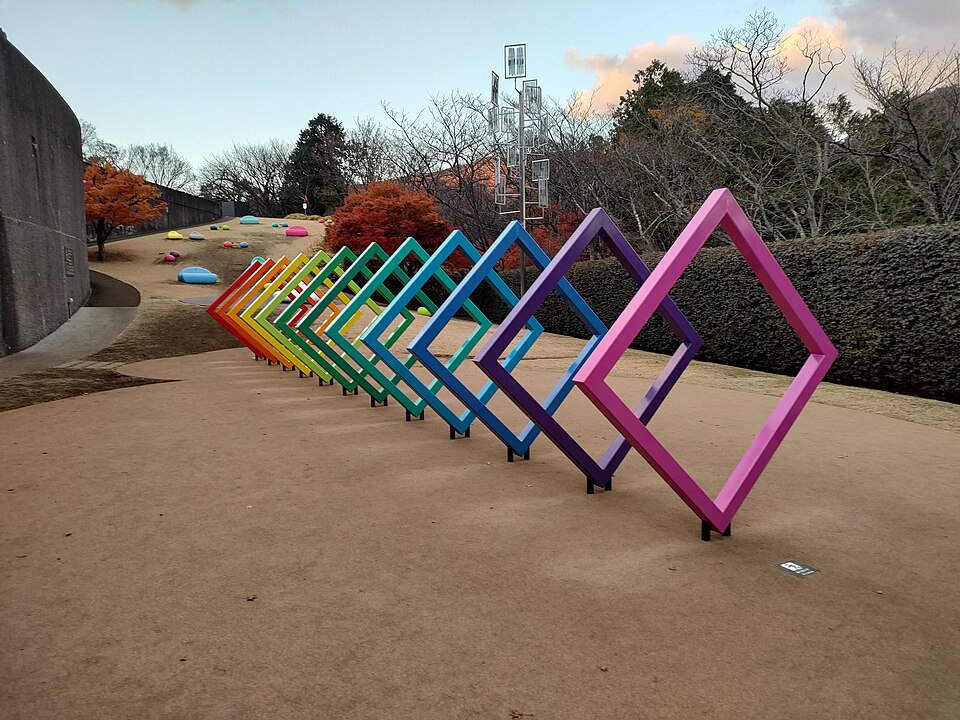
- •Hakone Open Air Museum: Japan's first open-air art museum, featuring over 120 sculptures set across a beautiful mountain landscape, with a Picasso gallery and foot onsen.
- •Gora Park: A beautiful French-style landscaped garden featuring fountains, seasonal flowers, greenhouses, and scenic views of the surrounding Hakone mountains.
Suggested Itinerary
Pair Owakudani with these nearby stops for a full day in Owakudani.
Frequently Asked Questions
Planning Your Hakone Trip?
See the full Hakone destination guide or browse Japan itineraries that include this city.
See all Nature & Scenic Spots across Japan →Explore all attractions in Hakone or browse nearby destinations.
Back to Hakone Guide →