Earthquake Memorial Museum
ExploreJapanDaily Editorial Team · Last updated: July 7, 2026

- Area
- HAT Kobe, Chuo-ku, Kobe
- Best For
- History, Museums, Education
Visiting Earthquake Memorial Museum
The Earthquake Memorial Museum in Kobe is the visitor-facing name for the Disaster Reduction and Human Renovation Institution, officially titled The Great Hanshin-Awaji Earthquake Memorial Disaster Reduction and Human Renovation Institution. Opened in April 2002 at HAT Kobe, a waterfront redevelopment district east of central Kobe, the institution was built by Hyogo Prefecture as both a memorial and a research and education center. Its purpose is direct: to record what happened on January 17, 1995, to honor the people who died, and to pass on practical lessons in disaster preparedness to visitors who may one day face an earthquake themselves. It is one of the most complete public accounts of a modern Japanese natural disaster, built with input from survivors, city planners, and disaster researchers rather than assembled as a simple tourist attraction.

At 5:46 AM on January 17, 1995, an earthquake measuring 6.9 on the moment magnitude scale struck the Akashi Strait area near Awaji Island, just south of Kobe. The shaking reached the maximum reading of 7 on the Japanese shindo intensity scale in parts of Kobe and neighboring cities. Because the epicenter was so close to a dense urban area and the quake struck before dawn while most residents were still at home, the damage was severe and immediate. Around 105,000 buildings were completely destroyed and many more were damaged, fires broke out across the city, and elevated highways and rail lines collapsed. The Great Hanshin-Awaji Earthquake, as it is officially known in Japan, killed 6,434 people and injured more than 40,000, making it the deadliest earthquake to strike Japan since the 1923 Great Kanto Earthquake.
The museum's exhibits begin with the event itself. The 1.17 Theater uses large-screen footage and a re-created streetscape to convey the scale and suddenness of the earthquake, drawing on real news footage, photographs, and accounts from that morning. From there, a walkthrough gallery titled Streets Just After the Earthquake recreates a damaged Kobe neighborhood at full scale, with a tilted utility pole, cracked pavement, and collapsed storefronts standing in for what rescue workers and residents encountered in the hours after the quake. It is a sobering, physically immersive introduction rather than a distant historical summary, and it sets the tone for the more detailed exhibits that follow on the upper floors.
The Great Earthquake Hall and Memories Corner hold the museum's core historical collection: photographs, salvaged personal belongings, damaged household items, and documentation of the rescue and firefighting response, much of it donated by survivors and their families. The Storytellers' Corner is built around recorded and, at scheduled times, live testimony from people who lived through the earthquake, known in Japanese as kataribe. These first-person accounts, delivered without dramatization, are widely regarded by visitors as the most affecting part of the museum, since they replace statistics with individual memory.
The Reconstruction Corner shifts the focus from the disaster to what came after: the temporary housing, the volunteer response that mobilized an unprecedented number of ordinary citizens, and the two decades of rebuilding that followed, including the redevelopment of HAT Kobe itself as part of that recovery. This section is where the museum's dual identity as both memorial and disaster-preparedness institute becomes clearest, since it treats Kobe's recovery as a case study with lessons for how cities plan, evacuate, and rebuild after a major disaster rather than simply a happy ending.
Beyond the historical exhibits, the museum's newer East Wing houses the Disaster Reduction and Reduction Workshop, the Gallery of Disaster Prevention for the Future, and interactive exhibits such as the Geo & Sky Hall and Hazard VR Port, which use models, simulations, and hands-on displays to explain earthquake science and household preparedness in general terms, not limited to the 1995 event. This practical, forward-looking material is a deliberate part of the institution's mission and is one reason it functions as a research and training center for disaster-response professionals as well as a public museum.
For a free, outdoor complement to this museum, the preserved section of the earthquake-damaged pier within Meriken Park, known as the Earthquake Memorial Park, is a separate site closer to central Kobe. That outdoor memorial preserves a stretch of cracked and tilted pier as physical evidence of the shaking, while the Disaster Reduction and Human Renovation Institution at HAT Kobe is the fuller indoor museum experience, with far more depth on the human and historical side of the event. Visitors with limited time in Kobe often see the Meriken Park section as part of a harborfront walk and treat this museum as a separate, dedicated stop.
Because HAT Kobe sits a short train or bus ride from the Sannomiya and Motomachi areas where most of Kobe's other sights cluster, the museum works best as a half-day addition to a Kobe itinerary rather than a stop squeezed between other attractions. Pairing it with the nearby Hyogo Prefectural Museum of Art, or visiting on the way to or from Nada Station, makes efficient use of the trip out. For visitors interested in modern Japanese history, disaster science, or simply understanding how a major Japanese city rebuilt itself after catastrophe, it is a serious and well-presented museum that treats its subject with the gravity it deserves, and it remains one of the most informative places in Japan to learn how the country has shaped its approach to earthquake preparedness since 1995.
Things to Do at Earthquake Memorial Museum
How to Get to Earthquake Memorial Museum
The museum sits at HAT Kobe, a waterfront district east of Sannomiya, and is most easily reached by train to Iwaya Station followed by a short walk.
- •Nearest station: Iwaya Station, Hanshin Main Line (10-minute walk)
- •IC cards (Suica, Pasmo, or ICOCA) are accepted on trains, subways, and buses throughout Japan. Tap in and out at every gate.
- •Avoid traveling during rush hour on weekdays: 7am to 9am and 5pm to 8pm. Trains are significantly more crowded.
- •Google Maps provides accurate real-time transit directions in Kobe. Download offline maps before you arrive.
Map
Best Time to Visit Earthquake Memorial Museum
Best time to visit Earthquake Memorial Museum: Weekday mornings, right at opening, to move through the exhibits at your own pace. Weekday mornings are generally quieter than weekends and public holidays.
- •Best time to visit: Weekday mornings, right at opening, to move through the exhibits at your own pace
- •Arriving on a weekday morning avoids the largest crowds. Weekends and public holidays are significantly busier.
- •Spring (late March to early May) and autumn (October to November) are the most popular seasons for visiting Kobe.
- •Golden Week (late April to early May) is the busiest week of the year in Japan. Book accommodation and tickets well in advance.
Entry Fee & Hours
| Category | Price (JPY) | Approx. (USD) |
|---|---|---|
| Adult | ¥650 | ~$4.50 |
| University Student | ¥450 | ~$3 |
| Senior (70+) | ¥300 | ~$2 |
| Person with Disability | ¥150 | ~$1 |
| High School Age and Younger | Free | Free |
| Category | Price (JPY) | Approx. (USD) |
|---|---|---|
| Adult | ¥300 | ~$2 |
| University Student | ¥200 | ~$1.50 |
| Senior (70+) | ¥150 | ~$1 |
| High School Age and Younger | Free | Free |
Prices cover the full museum (West Wing and East Wing) unless noted. Group rates apply to parties of 20 or more.
- •Admission is free for everyone on the 17th of each month, marking the date of the earthquake; if the 17th falls on a closure day, free admission moves to the 18th instead.
- •Group discount rates (roughly 20-25% off) apply to parties of 20 or more visitors.
- •The East Wing-only ticket covers the disaster-prevention workshop and interactive exhibits but not the core 1.17 Theater and historical galleries in the West Wing.
Nearby Attractions
Combine with Earthquake Memorial Museum on the same day
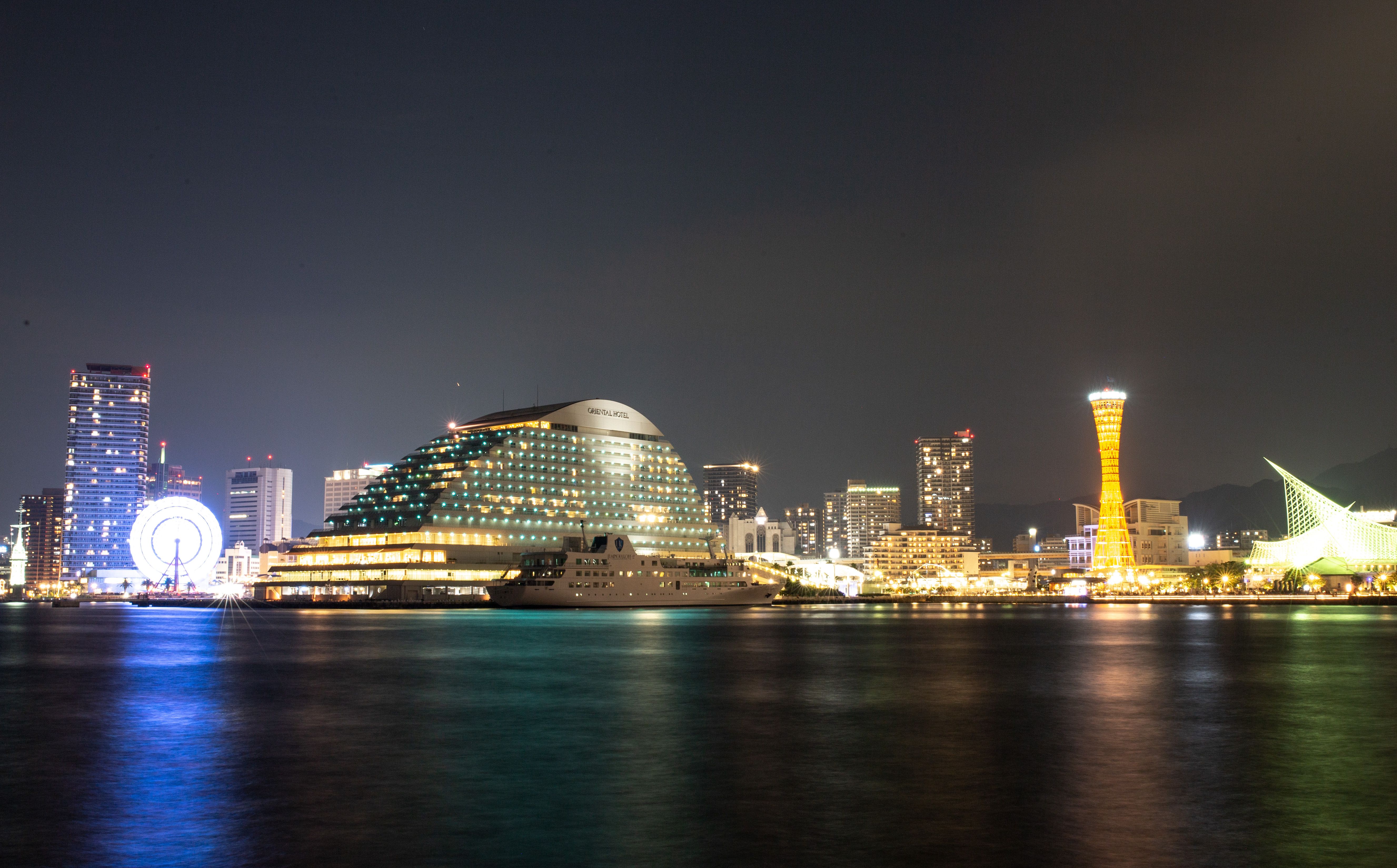
Kobe Harborland & Meriken Park

Hyogo Prefectural Museum of Art
- •Kobe Harborland & Meriken Park (Approx. 20-25 minutes by bus or a longer walk along the waterfront): A waterfront district pairing the Harborland shopping and dining complex with the open harbor plaza of Meriken Park, home to the BE KOBE sign, Kobe Maritime Museum, and Kobe Port Tower.
- •Hyogo Prefectural Museum of Art (Approx. 5-8 minutes walk): Hyogo Prefecture's flagship art museum at HAT Kobe, designed by Tadao Ando and opened in 2002 as a symbol of the city's recovery from the 1995 earthquake.
Suggested Itinerary
Pair Earthquake Memorial Museum with these nearby stops for a full day in HAT Kobe, Chuo-ku, Kobe.
Frequently Asked Questions
Planning Your Kobe Trip?
See the full Kobe destination guide or browse Japan itineraries that include this city.
See all Museums across Japan →Explore all attractions in Kobe or browse nearby destinations.
Back to Kobe Guide →