Oishi Park
ExploreJapanDaily Editorial Team · Last updated: October 9, 2026 · Facts verified: October 9, 2026
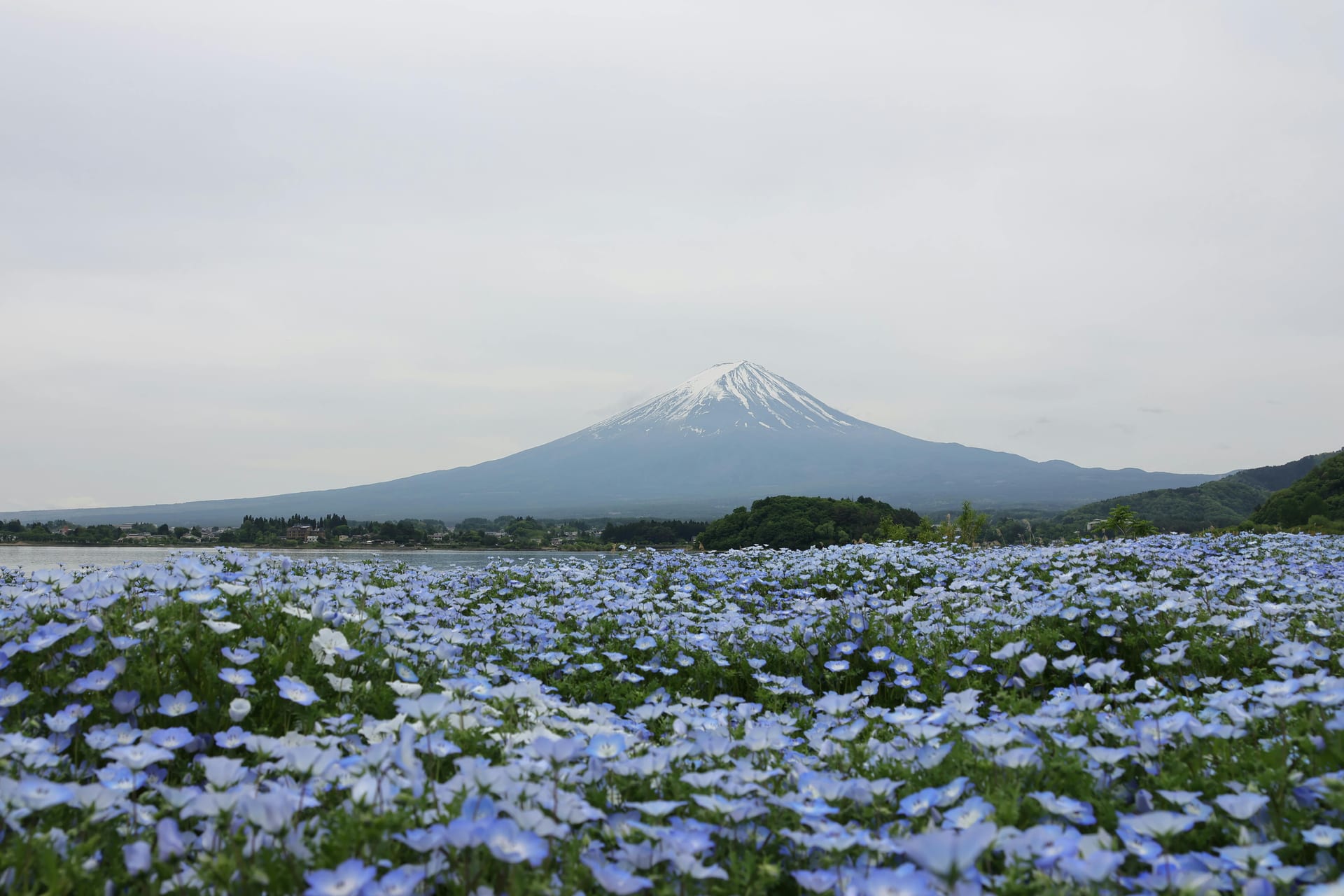
Oishi Park (大石公園) is a free lakeside park on the north shore of Lake Kawaguchiko, looking south across the water to Mount Fuji. Its 350-meter flower walk is planted with more than 90 kinds of flowers through the year. The best-known display is lavender, which flowers from about mid-June into mid-July, with the Kawaguchiko Herb Festival from late June to mid-July; the kochia turns red in autumn. The retro sightseeing bus from Kawaguchiko Station takes about 30 minutes.

- Area
- Fujikawaguchiko
- Best Time
- About mid-June to mid-July for lavender; autumn for red kochia; clear mornings for Mount Fuji
- Best For
- Mount Fuji views, Flowers, Photography, Easy stop
What Oishi Park is for
Oishi Park is the north shore's main viewpoint: flowers in front, the lake in the middle and Mount Fuji behind. That is the whole idea, and it works best when the mountain is out, so time the visit around clear weather as much as around the flower calendar.

Lavender usually flowers from about mid-June into mid-July, shifting with each year's weather; Yamanashi's official tourism site places the Herb Festival and the lavender peak from late June to mid-July. In autumn the rounded kochia bushes turn red. The rest of the year the flower walk changes with the season, and the park building, the Kawaguchiko Natural Living Center, has a shop.
Getting to Kawaguchiko, the cruise and the ropeway are covered in the Lake Kawaguchiko guide; this page covers the park itself.
What to do at Oishi Park
How to Get to Oishi Park
Oishi Park is on the north shore of Lake Kawaguchiko, across the lake from Kawaguchiko Station.
- •The retro bus from Kawaguchiko Station takes about 30 minutes; a taxi takes about 15.
- •Parking is limited to about 40 cars, so arrive early in lavender season.
- •Go in the morning for the best chance of a clear Mount Fuji.
Map
Best Time to Visit Oishi Park
Best time to visit Oishi Park: About mid-June to mid-July for lavender; autumn for red kochia; clear mornings for Mount Fuji. Weekday mornings are generally quieter than weekends and public holidays.
- •Lavender flowers from about mid-June to mid-July, with the Herb Festival from late June to mid-July.
- •The rainy season overlaps the lavender, so Mount Fuji is often hidden then; a clear morning is worth waiting for.
- •Kochia turns red in autumn, when the air is clearer than in summer.
The Herb Festival runs from late June to mid-July. Bloom timing shifts with the weather, so check the current year before planning a trip around it.
The kochia bushes turn from green to red; exact timing varies by year.
Fewer flowers, but the clearest air for Mount Fuji across the lake.
Entry Fee & Hours
- •The park and the flower walk are free.
- •The parking lot holds about 40 cars and 7 buses and fills on clear weekends in flower season.
- •Lavender bloom and festival dates vary each year; check the current year before planning around them.
Nearby Attractions
Combine with Oishi Park on the same day

Lake Kawaguchiko

Chureito Pagoda

Mt. Fuji Panoramic Ropeway
- •Lake Kawaguchiko (About 30 minutes by retro bus to the station): The Fuji Five Lakes base most visitors use, with free shoreline views of Mount Fuji, a sightseeing cruise and easy train and bus links to Tokyo.
- •Chureito Pagoda (Bus to Kawaguchiko Station, then four stops by train): A five-story memorial pagoda on the hillside above Fujiyoshida, 398 steps up, framed against Mount Fuji from its viewing deck.
- •Mt. Fuji Panoramic Ropeway (Retro bus to Kawaguchiko Station, then about 15 minutes on foot): A three-minute ropeway from Lake Kawaguchiko up Mount Tenjo to a deck facing Mount Fuji, with a fare rise from 1 November 2026 and a December inspection closure.
Oishi Park in a lake day
Oishi Park works best first thing, before cloud builds over the mountain.
North shore morning
Morning
Retro bus from Kawaguchiko Station to Oishi Park for the flower walk and the view
Late morning
Back toward the east shore of Lake Kawaguchiko for the cruise or the ropeway
Afternoon
Fujikyuko Line to Shimoyoshida for Chureito Pagoda
Frequently Asked Questions
References
View references
Yamanashi Tourism Organization
Planning Your Mount Fuji Trip?
See the full Mount Fuji destination guide or browse Japan itineraries that include this city.
See all Nature & Scenic Spots across Japan →Explore all attractions in Mount Fuji or browse nearby destinations.
Back to Mount Fuji Guide →