Yakushiji Temple
ExploreJapanDaily Editorial Team · Last updated: June 29, 2026 · Facts verified: September 10, 2026
- Area
- Nishino-kyo, Nara
- Best For
- Ancient architecture, History, UNESCO heritage, Off the beaten path
Visiting Yakushiji Temple
Yakushiji Temple is one of Japan's most important Buddhist sites and one of the finest surviving examples of classical Japanese temple architecture. Located in western Nara, away from the busier areas surrounding Nara Park, the temple offers a quieter and more contemplative experience while preserving a profound connection to the origins of Japanese Buddhism. As part of the UNESCO World Heritage-listed Historic Monuments of Ancient Nara, Yakushiji stands not only as a place of worship but also as a remarkable testament to the artistic, religious, and cultural achievements that shaped Japan during its earliest centuries as a unified nation.
The temple was originally founded in the late 7th century by Emperor Tenmu, who commissioned it as a prayer for the recovery of his wife, the future Empress Jito. When the capital later moved to Nara, Yakushiji was relocated and expanded, becoming one of the most influential Buddhist institutions in the country. Dedicated to Yakushi Nyorai, the Buddha of Healing, the temple has long been associated with prayers for health, recovery, and spiritual well-being. More than thirteen centuries later, those traditions remain alive, giving the site a sense of continuity that connects modern visitors with generations of worshippers who came before them.
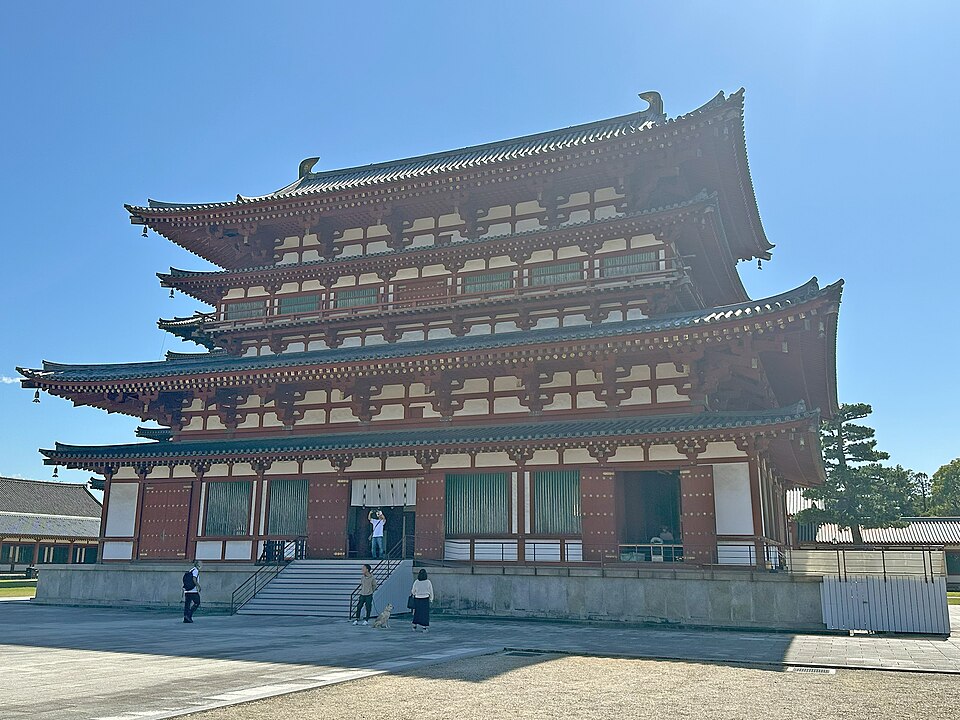
One of the first impressions visitors often have of Yakushiji Temple is the balance and symmetry of its layout. Unlike some temple complexes that evolved organically over centuries, Yakushiji reflects the carefully planned design principles of ancient Buddhist architecture. Broad courtyards, elegant corridors, and open spaces create a sense of harmony that feels both orderly and welcoming. The layout encourages visitors to move slowly through the grounds, taking time to appreciate the relationships between buildings, gardens, and the surrounding sky rather than focusing on a single landmark alone.
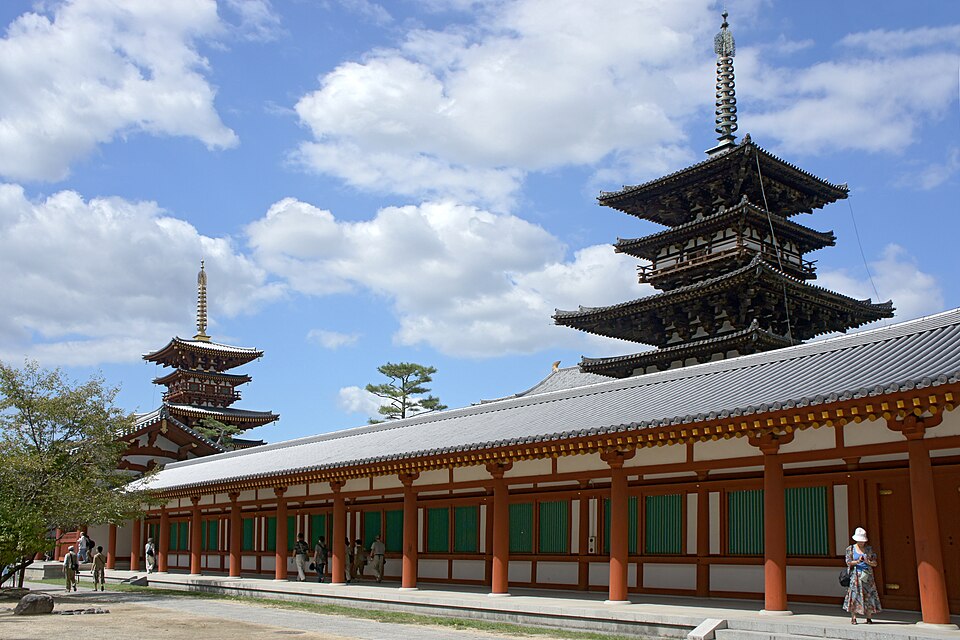
The temple is particularly famous for its pagodas, which are among the most admired architectural structures in Japan. The East Pagoda, dating back to the 8th century, is the only original building that survived from the temple's early period and is widely regarded as one of the finest examples of Buddhist architecture in the country. Its graceful silhouette appears almost weightless despite its substantial size, with layered roofs creating an elegant visual rhythm that has inspired artists, architects, and historians for generations. The structure is often described as one of the most beautiful pagodas in Japan, not because of elaborate decoration, but because of its extraordinary proportions and refined simplicity.
The atmosphere within Yakushiji Temple differs noticeably from some of Nara's more heavily visited attractions. While visitors certainly come here from around the world, the grounds often feel more spacious and less crowded than the city's most famous temple precincts. The quieter environment allows for a deeper appreciation of the architecture and religious significance of the site. Sounds carry differently here. The distant ringing of a bell, the movement of wind through trees, and the footsteps of visitors crossing open courtyards become more noticeable, contributing to an atmosphere of calm reflection.
The temple's spiritual significance remains central to the visitor experience. Yakushiji is not simply a historical monument preserved for tourism. It continues to function as an active religious institution where Buddhist ceremonies, prayers, and educational activities take place throughout the year. Monks continue to maintain the traditions associated with the temple, and visitors may occasionally encounter chanting, ritual practices, or special events connected to the Buddhist calendar. These living traditions give the site an authenticity that extends beyond its architectural beauty and historical importance.
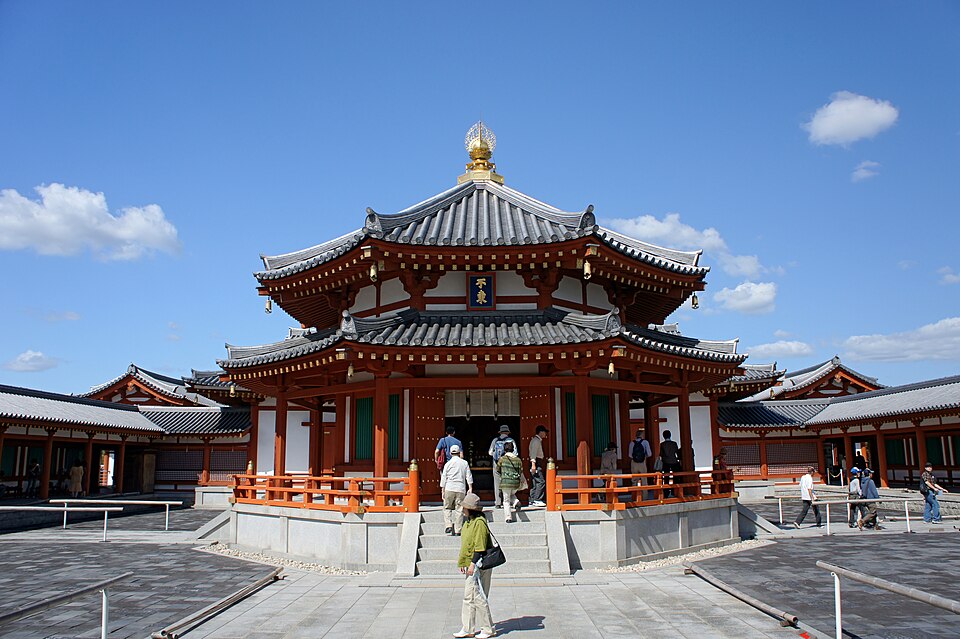
Seasonal changes subtly transform the character of Yakushiji Temple throughout the year. Spring introduces fresh greenery and flowering trees that soften the architectural lines of the buildings. Summer brings vibrant foliage and long daylight hours that highlight the temple's spacious courtyards and elegant structures. Autumn adds warm colors to the surrounding landscape, creating beautiful contrasts with the dark wood and tiled roofs of the temple buildings. Winter reveals another dimension entirely, when clear skies, crisp air, and fewer visitors create a particularly serene atmosphere. Regardless of the season, the temple's architecture remains the visual anchor of the experience, framed differently by nature throughout the year.
The surrounding area also contributes to the appeal of visiting Yakushiji. Located near other important historical sites such as Toshodai-ji Temple and the former palace grounds of ancient Nara, the district preserves a quieter side of the city that many travelers overlook. Here, the emphasis shifts away from crowds and major sightseeing routes toward a deeper exploration of Japan's early history and cultural foundations. The landscape feels more open, allowing visitors to appreciate how these great religious institutions were originally positioned within the capital centuries ago.
For international travelers interested in Japanese history, architecture, or religion, Yakushiji Temple provides an exceptionally rich experience. It offers insight into the introduction of Buddhism to Japan, the development of temple architecture, and the cultural ambitions of the early imperial court. Yet even visitors with little prior knowledge often find themselves captivated by the beauty and balance of the site. The architecture communicates something universal through its proportions, craftsmanship, and harmony with the surrounding environment.
What makes Yakushiji Temple especially memorable is its ability to combine grandeur with tranquility. It is unquestionably one of Japan's most important religious landmarks, yet it never feels overwhelming or inaccessible. The elegant pagodas, carefully ordered courtyards, living Buddhist traditions, and centuries of history come together to create a place that rewards both quiet observation and deeper exploration. In a city renowned for its temples and cultural treasures, Yakushiji remains one of Nara's most refined and enduring expressions of Japan's spiritual and architectural heritage.
Things to Do at Yakushiji Temple
How to Get to Yakushiji Temple
Yakushiji Temple is located in western Nara near Toshodai-ji Temple and the Heijo Palace Site.
- •Nearest station: Nishinokyo Station (Kintetsu Kashihara Line) — directly adjacent to the temple
- •IC cards (Suica, Pasmo, or ICOCA) are accepted on trains, subways, and buses throughout Japan. Tap in and out at every gate.
- •Avoid traveling during rush hour on weekdays: 7am to 9am and 5pm to 8pm. Trains are significantly more crowded.
- •Google Maps provides accurate real-time transit directions in Nara. Download offline maps before you arrive.
Map
Best Time to Visit Yakushiji Temple
Best time to visit Yakushiji Temple: Morning on weekdays; autumn for vivid foliage backdrop. Weekday mornings are generally quieter than weekends and public holidays.
- •Best time to visit: Morning on weekdays; autumn for vivid foliage backdrop
- •Arriving on a weekday morning avoids the largest crowds. Weekends and public holidays are significantly busier.
- •Spring (late March to early May) and autumn (October to November) are the most popular seasons for visiting Nara.
- •Golden Week (late April to early May) is the busiest week of the year in Japan. Book accommodation and tickets well in advance.
An annual Buddhist ceremony honoring Yakushi Nyorai, the Buddha of Healing, marked by floral offerings and special services throughout the temple grounds.
Plum trees throughout the temple grounds bloom shortly before the Hana-e-shiki festival, adding seasonal color to the symmetrical courtyards.
Entry Fee & Hours
| Category | Price (JPY) | Approx. (USD) |
|---|---|---|
| Adult | ¥1,000 | ~$7 |
| Middle / High School Student | ¥600 | ~$4 |
| Elementary School Student | ¥200 | ~$1.50 |
| Category | Price (JPY) | Approx. (USD) |
|---|---|---|
| Adult | ¥1,000 | ~$7 |
Standard admission covers the Hakuho Garan (Main Hall, Lecture Hall, and Toin-do); the Genjo-sanzoin Garan with its Daito Saiiki murals requires a separate ticket and is open only seasonally.
- •The temple's broad courtyards are largely flat and paved, making the Hakuho Garan one of the more wheelchair-accessible major temple complexes in Nara.
- •The Genjo-sanzoin Garan is open only part of the year; check the official site before visiting if seeing the Daito Saiiki murals is a priority.
Nearby Attractions
Combine with Yakushiji Temple on the same day

Toshodaiji Temple

Heijo Palace Site
Heijo Palace Site
Heijo Palace Site
Kikoji Temple
Nearby Attraction- •Toshodaiji Temple: A UNESCO World Heritage temple in Nara's Nishinokyo district, founded in 759 by the Chinese monk Ganjin and known for its Nara-period Kondo Hall.
- •Heijo Palace Site: The archaeological and reconstructed remains of Japan's 8th-century imperial palace in ancient Heijo-kyo, western Nara, not a surviving castle but a free, UNESCO-listed historical park.
- •Heijo Palace Site: The archaeological and reconstructed remains of Japan's 8th-century imperial palace in ancient Heijo-kyo, western Nara, not a surviving castle but a free, UNESCO-listed historical park.
- •Heijo Palace Site: The archaeological and reconstructed remains of Japan's 8th-century imperial palace in ancient Heijo-kyo, western Nara, not a surviving castle but a free, UNESCO-listed historical park.
- •Kikoji Temple: A lesser-known Buddhist temple near Yakushi-ji that offers a quieter atmosphere and an opportunity to experience a less crowded side of Nara's religious heritage.
Suggested Itinerary
Pair Yakushiji Temple with these nearby stops for a full day in Nishino-kyo, Nara.
Frequently Asked Questions
Planning Your Nara Trip?
See the full Nara destination guide or browse Japan itineraries that include this city.
See all Temples & Shrines across Japan →Explore all attractions in Nara or browse nearby destinations.
Back to Nara Guide →