


7 Days
Best for: Culture
Kyoto & Nara in 7 Days: Temples, Shrines & Deer
A relaxed week pairing deep Kyoto sightseeing with two full days in Nara
#Mid-Range
From$1,600/person
View Nara route →
Nara is Japan's first permanent capital, a former seat of government filled with centuries-old temples, sacred shrines, and the famous free-roaming deer that have become symbols of the city. While Nara is known for some of Japan's oldest and most important cultural landmarks, including Todai-ji Temple and Kasuga Taisha Shrine, it also offers peaceful parks, traditional streets, and a relaxed atmosphere that contrasts with the energy of nearby Osaka and Kyoto. History lovers, culture enthusiasts, and nature seekers will find few places in Japan offer a deeper connection to the country's early heritage. Continue reading to discover the temples, parks, and experiences that make Nara unlike anywhere else in Japan.
•7 min read
The must-see sights, ranked by traveler impact
View all Nara attractions →
Nara Park Area

Nara Park

Nara Park Area
Central Nara

Nara Park Area

Naramachi
 Must-See
Nara Park Area

Heijo Palace / West Nara
Quick Answer
Nara offers Japan's deepest connection to its ancient capital era — UNESCO World Heritage temples, thousands of stone lanterns, and free-roaming deer — in a calmer, more intimate setting than Kyoto or Osaka. It suits history lovers and anyone wanting a slower-paced day trip.
Nara is worth visiting because it offers Japan's deepest connection to its ancient capital era, combining UNESCO World Heritage temples with free-roaming deer in a calmer, more intimate setting than Kyoto or Osaka. While many visitors rush between Japan's major cities, Nara rewards those who take time to wander beneath towering temple gates, follow forest paths lined with stone lanterns, and watch deer roam freely through expansive parkland.
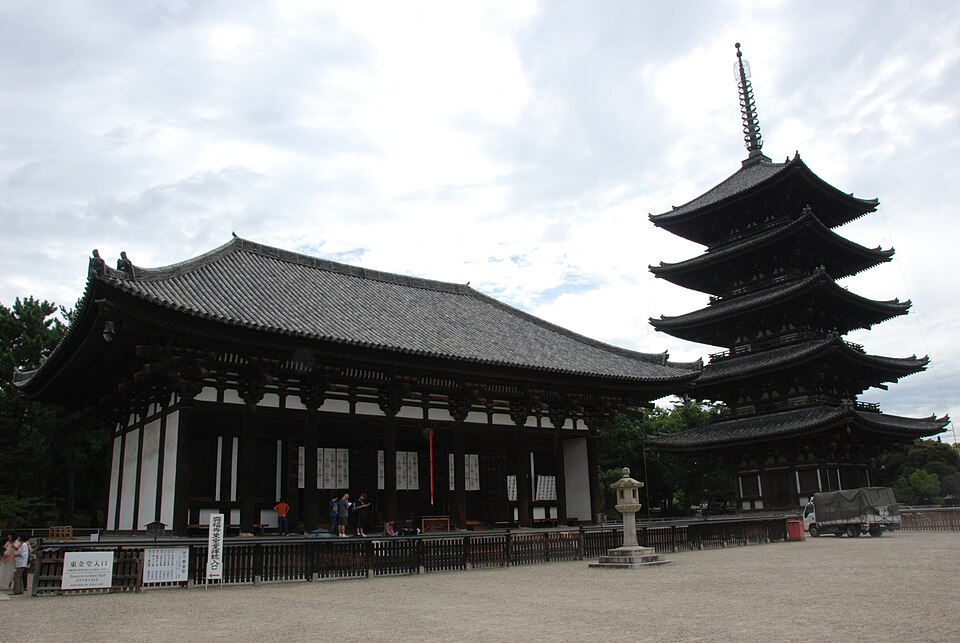
As Japan's first permanent capital, Nara played a crucial role in shaping the country's early culture, religion, and government. The city is home to some of Japan's oldest and most significant landmarks, including Todai-ji Temple, which houses one of the world's largest bronze Buddha statues, and Kasuga Taisha Shrine, famous for its thousands of lanterns.
What sets Nara apart is the way nature and history exist side by side. Ancient wooden temples emerge from wooded hillsides, deer mingle with visitors in open parks, and quiet gardens provide a welcome contrast to the pace of larger cities. The atmosphere feels more intimate than Kyoto and less urban than Osaka.
For travelers seeking Japan's spiritual roots, remarkable architecture, and a calmer rhythm of exploration, Nara delivers one of the most distinctive experiences in the Kansai region.
Quick Answer
From Kyoto, the Kintetsu Kyoto Line (~35–45 min, ¥760) reaches Kintetsu Nara Station closest to Nara Park. From Osaka, the Kintetsu Nara Line (~35–40 min, ¥680) is fastest; JR Pass holders can use the JR Nara or Yamatoji Lines instead.
Nara sits between Kyoto and Osaka in Japan's Kansai region and has no airport of its own — most travelers arrive by train from Kyoto (about 35–50 minutes) or Osaka (about 35–40 minutes) after flying into Kansai International Airport.
Kansai International Airport (KIX)
Osaka Itami Airport (ITM)
Kobe Airport (UKB)
Take the Tokaido Shinkansen from Tokyo Station to Kyoto Station, then transfer to a JR train bound for Nara.
JR Pass Coverage
Flights between Tokyo and Osaka or Kansai are available, but once airport transfers and security checks are included, the Shinkansen is usually faster and more convenient for reaching Nara.
Nara has two main stations roughly 15 minutes apart on foot, and most of the city's attractions are concentrated in and around Nara Park, making it easy to explore on foot once you arrive.
Recommended
For most visitors, the easiest way to reach Nara is from Kyoto or Osaka, making it one of Japan's most popular day trips. Travelers staying in Osaka should take the Kintetsu Nara Line, while those staying in Kyoto can choose either the JR Nara Line or Kintetsu Kyoto Line. If you hold a Japan Rail Pass, the JR routes offer strong value, while Kintetsu trains provide the most convenient access to Nara's main attractions.
Quick Answer
Spring (late March–early April) for cherry blossoms and autumn (October–November) for foliage are Nara's best seasons, both pairing well with deer-park photography. Nara is enjoyable year-round since the deer are active in every season.
The best time to visit Nara is spring (March to April) for cherry blossoms among the deer parks, or autumn (October to November) for fall foliage around its UNESCO temples. Nara is a year-round destination, but the city is especially beautiful during spring (March–April) and autumn (October–November) when pleasant weather combines with seasonal scenery.
Spring is one of the most popular times to visit Nara. Cherry blossoms typically bloom from late March to early April, transforming Nara Park, Todai-ji Temple, Kofuku-ji Temple, and Mount Wakakusa into beautiful pink landscapes.
Temperatures usually range from 50°F–75°F (10°C–24°C), making it ideal for walking between attractions. The sight of Nara's famous deer wandering beneath cherry blossoms creates some of the city's most iconic photography opportunities.
Summer brings lush greenery to Nara's parks and temple grounds. Temperatures often reach 85°F–95°F (29°C–35°C), and June marks Japan's rainy season.
One of the highlights is the Nara Tokae Lantern Festival in August, when thousands of candles illuminate Nara Park, Kasuga Taisha Shrine, and surrounding historic sites. The atmosphere is magical and unlike any other time of year.
Many travelers consider autumn the best overall season to visit Nara. Temperatures are comfortable, humidity is low, and vibrant red, orange, and yellow foliage appears throughout the city.
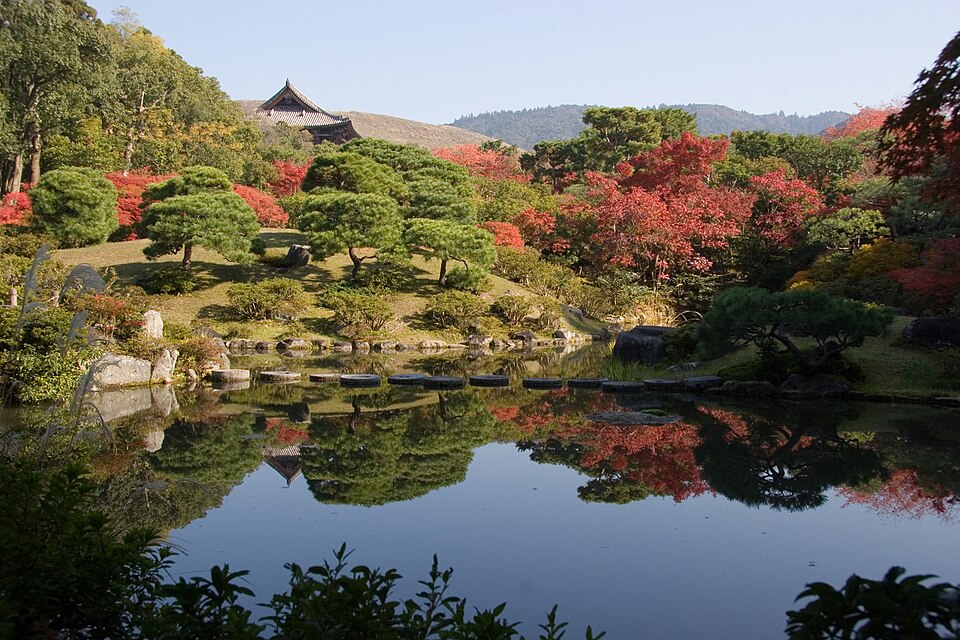
Popular autumn foliage spots include Nara Park, Kasuga Taisha Shrine, Yoshikien Garden, Isuien Garden, and Mount Wakakusa. Clear skies and cooler temperatures make autumn perfect for sightseeing.
Winter is Nara's quietest season. Temperatures generally range from 35°F–55°F (2°C–13°C), and while snowfall is uncommon, occasional snow creates stunning scenes around ancient temples and shrines.
Visitors benefit from fewer crowds at major attractions such as Todai-ji Temple and Kasuga Taisha Shrine. The deer remain active year-round, making Nara enjoyable even during winter.
If your travel dates are flexible, consider avoiding the busiest periods.
Golden Week is one of Japan's busiest holiday periods. Nara Park, Todai-ji Temple, and other major attractions become extremely crowded, and hotel prices often rise significantly.
Nara's most famous sakura locations attract large crowds during peak bloom weekends. Early morning visits offer a much more enjoyable experience.
This major Japanese holiday period brings increased domestic tourism, resulting in crowded trains, buses, and attractions.
Fall colors attract many visitors to Nara's temples and gardens, particularly on weekends when crowds can become substantial.
For the best combination of weather, scenery, and sightseeing opportunities, visit Nara during:
For most first-time visitors, November offers the best overall experience, combining comfortable weather, colorful autumn scenery, active deer, and excellent conditions for exploring Nara's UNESCO World Heritage Sites.
Quick Answer
Most travelers base themselves in Kyoto or Osaka and visit Nara as a day trip — both are roughly 35–50 minutes away. If staying overnight, the Nara Park area gives early access to Todai-ji and Kasuga Taisha before the daytime crowds arrive.
The best areas to stay in Nara are around Nara Park, Kintetsu Nara Station, or JR Nara Station, though most travelers base themselves in nearby Kyoto or Osaka and visit Nara as a day trip. Nara is one of Japan's most popular day-trip destinations, and many travelers never spend a night there.
Best for: A traditional overnight stay
Best for: Convenience & short stays
Best for: JR Pass users & budget stays
Discover More Around Nara
Day-by-day Japan routes that include Nara
Best for: Culture
A relaxed week pairing deep Kyoto sightseeing with two full days in Nara
From$1,600/person
View Nara route →
Free Itinerary Builder
Choose Nara attractions, organize them by day, and see opening hours, admission fees and your trip pace in one place.
Guides and tools for the parts of a Nara trip that take the most planning
Browse curated itineraries that include Nara, or build your own with our free planning tools.
Next: Explore all attractions in Nara or browse nearby destinations.
Back to All Destinations →