Meguro River
ExploreJapanDaily Editorial Team · Last updated: August 28, 2026 · Facts verified: August 28, 2026

- Area
- Nakameguro / Meguro
- Best For
- Cherry Blossoms, Nature, Photography
Visiting Meguro River
The Meguro River is one of Tokyo's most photographed cherry blossom experiences, a narrow urban waterway where roughly 800 sakura trees lean in from both banks to form a low, dense pink canopy directly over the water. The visitor-relevant stretch runs for about 3.8km through the Nakameguro area of Meguro City, and the effect is visually distinct from Tokyo's park-style sakura spots like Ueno or Shinjuku Gyoen, where the trees stand in open lawns rather than crowding a narrow channel.
It is worth separating two things that are easy to blend together. Meguro River is the waterway and the walking route along it: the cherry blossoms, the riverside path, and the seasonal illuminations covered on this page. Nakameguro is the surrounding neighborhood: the cafes, boutiques, and shopping streets around Nakameguro Station. Most visitors experience both together, arriving at Nakameguro Station and stepping straight onto the riverside walk, but they are genuinely different things to plan around, and this page focuses on the river and the walk itself, not the wider neighborhood's shopping and dining scene.
Access could not be simpler. The riverside path has no gate and no fixed hours, and walking it costs nothing at any time of year. Nakameguro Station, served by the Tokyu Toyoko Line and the Tokyo Metro Hibiya Line, sits right at the center of the most popular stretch, with Meguro, Ikejiri-Ohashi, and Gotanda stations offering quieter alternate starting points further along the river.
The river pairs naturally with a wider day out. Many visitors combine a morning walk along the Meguro River with an afternoon in Harajuku or Omotesando, then return to Nakameguro after dark once the spring illumination lanterns are lit for a completely different atmosphere. Outside the roughly two-week bloom window in late March and early April, the walk becomes a much quieter, everyday stretch of riverside path used by local joggers and dog-walkers, worth visiting mainly if you are already exploring the neighborhood rather than as a stand-alone reason to travel there; see Is Meguro River Worth Visiting Outside Cherry Blossom Season below for the full verdict.
Things to Do at Meguro River
How to Get to Meguro River
The Meguro River runs through Meguro City between Setagaya and Shinagawa, with the most popular sakura stretch centered on Nakameguro Station.
Four stations give practical access to different sections of the walk, so the right choice depends on whether you want the busiest, most central stretch or a quieter alternate starting point.
- •Nearest station: Nakameguro Station, Tokyu Toyoko Line / Tokyo Metro Hibiya Line
- •IC cards (Suica, Pasmo, or ICOCA) are accepted on trains, subways, and buses throughout Japan. Tap in and out at every gate.
- •Avoid traveling during rush hour on weekdays: 7am to 9am and 5pm to 8pm. Trains are significantly more crowded.
- •Google Maps provides accurate real-time transit directions in Tokyo. Download offline maps before you arrive.
Map
Best Time to Visit Meguro River
Best time to visit Meguro River: Late March through the first week of April for cherry blossoms, early morning or weekdays for lighter crowds, and dusk for the lantern illumination; the 3-5 days after peak bloom (hanafubuki, the petal-fall period) is a quieter, still-beautiful alternative. Weekday mornings are generally quieter than weekends and public holidays.
- •Best time to visit: Late March through the first week of April for cherry blossoms, early morning or weekdays for lighter crowds, and dusk for the lantern illumination; the 3-5 days after peak bloom (hanafubuki, the petal-fall period) is a quieter, still-beautiful alternative
- •Arriving on a weekday morning avoids the largest crowds. Weekends and public holidays are significantly busier.
- •Spring (late March to early May) and autumn (October to November) are the most popular seasons for visiting Tokyo.
- •Golden Week (late April to early May) is the busiest week of the year in Japan. Book accommodation and tickets well in advance.
Entry Fee & Hours
Nearby Attractions
Combine with Meguro River on the same day

Shibuya Sky

Shibuya Crossing

Harajuku and Takeshita Street

Omotesando
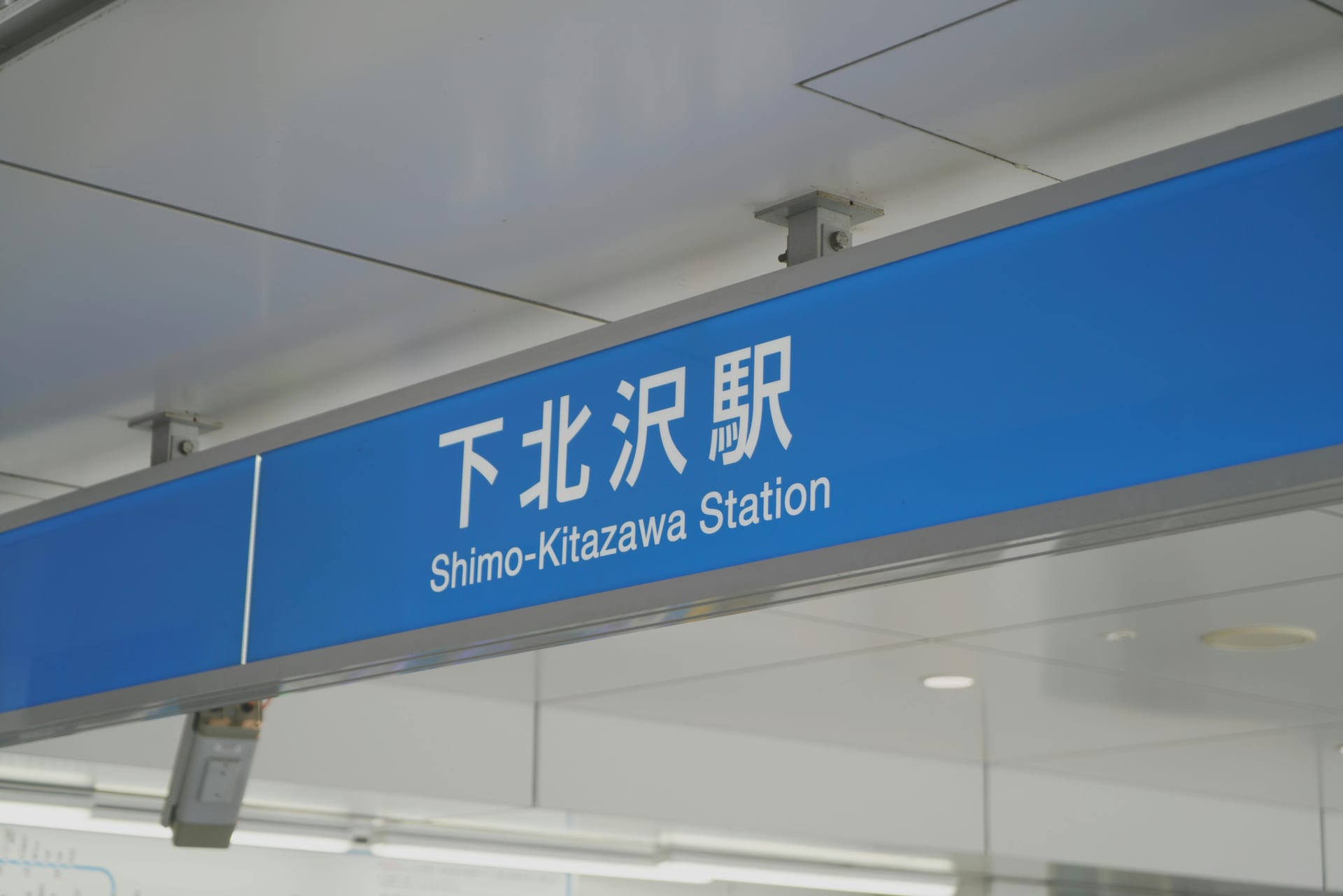
Shimokitazawa
- •Shibuya Sky (Around 10-15 minutes by train (Tokyu Toyoko Line to Shibuya)): Shibuya Sky is an open-air observation rooftop on the 46th floor of Shibuya Scramble Square, offering unobstructed 360-degree views over Shibuya Crossing, Mount Fuji, and the full Tokyo skyline.
- •Shibuya Crossing (Around 10-15 minutes by train (Tokyu Toyoko Line to Shibuya)): Shibuya Crossing is the world's busiest pedestrian intersection, where up to 3,000 people cross simultaneously from all directions. It is one of Tokyo's most iconic and energetic sights.
- •Harajuku and Takeshita Street (Around 15-20 minutes by train (Tokyu Toyoko Line to Shibuya, transfer to JR Yamanote Line)): Harajuku is Tokyo's center of youth fashion and pop culture, with pedestrian Takeshita Street packed with quirky boutiques, crepe stands, and kawaii culture. It is the birthplace of some of Japan's most iconic fashion trends.
- •Omotesando (Around 15-20 minutes by train (Tokyu Toyoko Line to Shibuya, transfer to the subway to Omotesando)): Omotesando is a free, tree-lined boulevard in Tokyo's Harajuku and Aoyama area, originally built as the formal approach to Meiji Shrine. Known internationally as an architectural showcase street, it's lined with flagship buildings by Tadao Ando, SANAA, and Toyo Ito alongside luxury stores like Dior, Tod's, and Prada, and it spans both Shibuya-ku and Minato-ku.
- •Shimokitazawa (Around 15-20 minutes by train (Tokyu Toyoko Line to Shibuya, transfer to Keio Inokashira Line)): Shimokitazawa is Tokyo's most beloved bohemian neighborhood, packed with vintage clothing stores, independent cafes, live music venues, and intimate theater spaces in a maze of pedestrian lanes that has resisted the city's commercial tide.
Suggested Itinerary
Pair Meguro River with these nearby stops for a full day in Nakameguro / Meguro.
Frequently Asked Questions
Planning Your Tokyo Trip?
See the full Tokyo destination guide or browse Japan itineraries that include this city.
See all Nature & Scenic Spots across Japan →Explore all attractions in Tokyo or browse nearby destinations.
Back to Tokyo Guide →