Zoorasia
ExploreJapanDaily Editorial Team · Last updated: September 1, 2026 · Facts verified: September 1, 2026
- Area
- Asahi-ku, Yokohama
- Best For
- Wildlife, Families, Nature walks, Rare species
Visiting Zoorasia
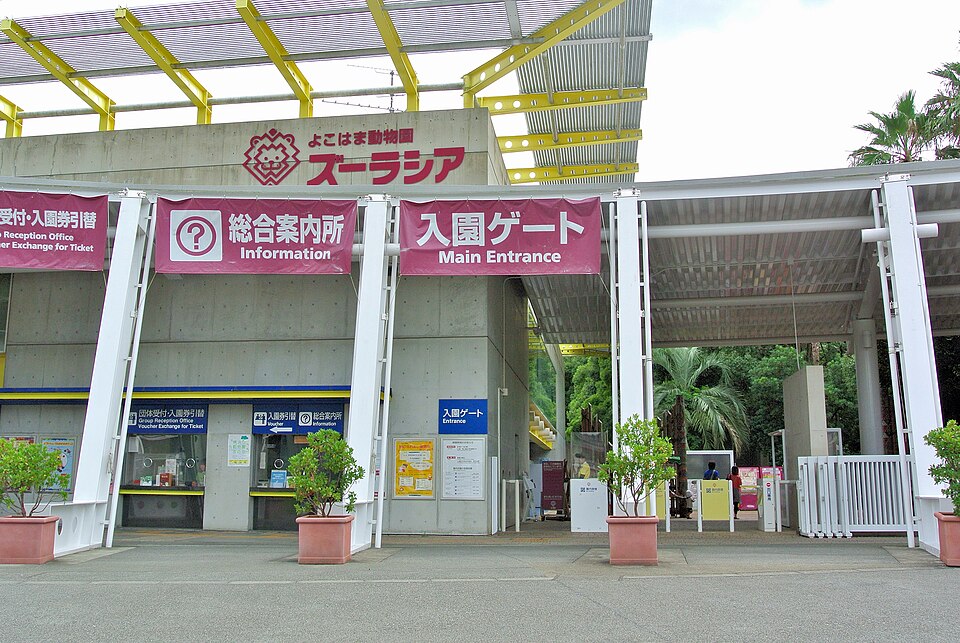
Yokohama Zoorasia is one of Japan's largest and most thoughtfully designed zoological parks, offering visitors a wildlife experience that feels remarkably different from a traditional city zoo. Located in the northern part of Yokohama, this expansive attraction combines spacious naturalistic habitats, conservation-focused exhibits, and carefully landscaped environments that recreate ecosystems from around the world. For travelers seeking a family-friendly destination beyond Yokohama's waterfront districts and urban landmarks, Zoorasia provides an opportunity to experience wildlife in settings designed to prioritize both animal welfare and visitor engagement.
What immediately distinguishes Yokohama Zoorasia from many zoos around the world is its commitment to immersive habitat design. Rather than arranging animals in a series of conventional enclosures, the park is organized into ecological zones that represent different regions of the globe. Walking through the grounds often feels less like visiting a zoo and more like moving through a collection of carefully recreated natural environments. Forested paths, open landscapes, rocky terrain, wetlands, and grasslands help create a stronger sense of connection between animals and their habitats.
The zoo opened in 1999 and was developed with a modern philosophy that emphasized conservation, education, and environmental awareness. Over the years, it has earned a reputation as one of Japan's leading zoological institutions. Visitors encounter animals from Asia, Africa, Australia, and other regions while learning about biodiversity, endangered species, and the importance of protecting ecosystems. This educational focus is integrated naturally into the experience, making it appealing to both families with young children and adults interested in wildlife and conservation.
One of the most enjoyable aspects of a visit to Yokohama Zoorasia is the feeling of space. The zoo covers a large area, and many of its exhibits are designed to provide expansive viewing opportunities. Animals often inhabit environments that include vegetation, water features, and terrain that resemble their natural homes. This creates a more relaxed atmosphere than visitors might expect from a major urban zoo. Rather than moving quickly between exhibits, many guests find themselves spending time observing animal behavior and appreciating the carefully planned surroundings.
Among the zoo's most celebrated residents are species that are rarely seen elsewhere in Japan. The okapi, often referred to as the "forest giraffe," has become one of Zoorasia's signature animals and attracts visitors from across the country. Other notable inhabitants include elephants, lions, tigers, bears, red pandas, primates, and a diverse collection of birds and reptiles. The variety of species ensures that each section of the zoo offers something different, while the overall layout encourages exploration rather than following a rigid route.
The setting itself contributes significantly to the visitor experience. Much of the zoo is surrounded by greenery, and mature trees help create a park-like atmosphere throughout the grounds. Seasonal changes bring different colors and moods to the landscape. Spring introduces fresh foliage and flowering plants, while summer enhances the lush appearance of many exhibits. Autumn transforms parts of the park with colorful leaves, and winter often provides crisp views and quieter pathways. These seasonal variations encourage repeat visits and ensure that the zoo feels slightly different throughout the year.
For international travelers visiting Yokohama, Zoorasia offers an appealing contrast to the city's modern skyline and busy commercial districts. While destinations such as Minato Mirai, Yokohama Chinatown, and the waterfront attract visitors with architecture, shopping, and cultural experiences, the zoo provides a chance to slow down and spend time in a more natural environment. It is particularly popular among families, but solo travelers, photographers, and wildlife enthusiasts often find it equally rewarding.
The design of the visitor pathways deserves special mention. Wide walking trails connect the various habitat zones and create a sense of progression from one region of the world to another. The transitions feel deliberate and immersive, helping visitors understand how different environments support different species. This approach transforms what could simply be a collection of animal exhibits into a broader exploration of global ecosystems.
Photography enthusiasts will find plenty of opportunities throughout the park. The combination of natural landscapes, thoughtfully designed viewing areas, and diverse wildlife creates a variety of photographic subjects. Unlike traditional zoo settings where barriers often dominate the view, many exhibits are designed to minimize visual distractions and create more natural perspectives. This allows visitors to capture images that feel closer to wildlife photography than typical zoo snapshots.
What makes Yokohama Zoorasia particularly memorable is its balance between entertainment, education, and environmental awareness. It succeeds not only as a place to see animals but also as a destination that encourages visitors to think about the relationship between people and the natural world. The experience feels engaging without being overwhelming, informative without feeling academic, and family-oriented without excluding independent travelers.
For those exploring Yokohama and looking beyond the city's famous waterfront attractions, Yokohama Zoorasia offers a refreshing alternative. Its spacious grounds, conservation-focused mission, impressive collection of animals, and immersive habitat design have established it as one of Japan's most respected zoological parks. Whether visiting with children, pursuing wildlife photography, or simply enjoying a day surrounded by nature, travelers often leave with a deeper appreciation for both the animals they have encountered and the importance of preserving the environments they call home.
Things to Do at Zoorasia
How to Get to Zoorasia
Zoorasia is located in western Yokohama and can be reached easily by train and bus.
- •Nearest station: Nakayama Station (JR Yokohama Line / Green Line, then bus)
- •IC cards (Suica, Pasmo, or ICOCA) are accepted on trains, subways, and buses throughout Japan. Tap in and out at every gate.
- •Avoid traveling during rush hour on weekdays: 7am to 9am and 5pm to 8pm. Trains are significantly more crowded.
- •Google Maps provides accurate real-time transit directions in Yokohama. Download offline maps before you arrive.
Map
Best Time to Visit Zoorasia
Best time to visit Zoorasia: Weekday mornings for cooler weather and more active animals. Weekday mornings are generally quieter than weekends and public holidays.
- •Best time to visit: Weekday mornings for cooler weather and more active animals
- •Arriving on a weekday morning avoids the largest crowds. Weekends and public holidays are significantly busier.
- •Spring (late March to early May) and autumn (October to November) are the most popular seasons for visiting Yokohama.
- •Golden Week (late April to early May) is the busiest week of the year in Japan. Book accommodation and tickets well in advance.
Entry Fee & Hours
| Category | Price (JPY) | Approx. (USD) |
|---|---|---|
| Adult | ¥800 | ~$5.50 |
| Junior/Senior High School | ¥300 | ~$2 |
| Elementary School | ¥200 | ~$1.50 |
| Preschool and under | Free | Free |
Free for high school students and younger every Saturday with student ID. USD amounts are approximate and change with the exchange rate.
- •Zoorasia's pathways are paved with a consistent gradient throughout the park, and wheelchair and stroller rentals are available on site alongside disabled parking, wide wheelchair ramps, and multi-function accessible restrooms.
- •Some naturalistic habitat viewpoints involve gentle inclines, so visitors with mobility needs should allow extra time to explore the park's large grounds.
Nearby Attractions
Combine with Zoorasia on the same day
Satoyama Garden
Distance: Approx. 5 minutes walk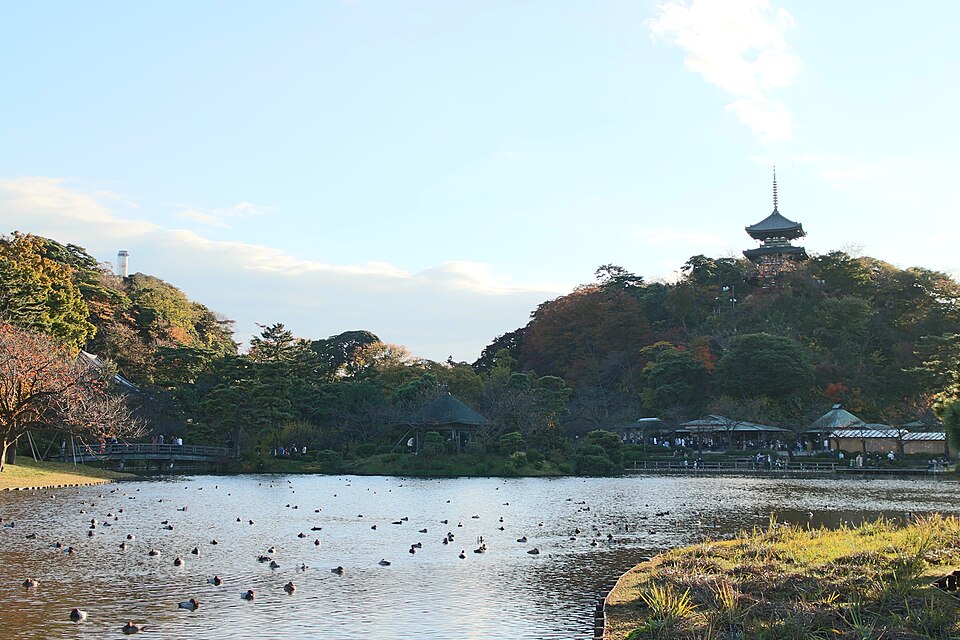
Sankeien Garden
Kodomo no Kuni (Children's Country)
Distance: Approx. 20 minutes by car
Minato Mirai 21

Yokohama Chinatown
- •Satoyama Garden (Approx. 5 minutes walk): A large landscaped park known for its seasonal flower displays, walking trails, and natural scenery. It is one of Yokohama's best locations for enjoying nature throughout the year.
- •Sankeien Garden (Approx. 40 minutes by car; related garden, not a nearby stop): A sprawling traditional Japanese garden with historic buildings relocated from across Japan, including a three-story pagoda.
- •Kodomo no Kuni (Children's Country) (Approx. 20 minutes by car): A large family recreation park with playgrounds, mini farms, cycling paths, boating areas, and wide open spaces. It is one of the best family attractions near Zoorasia.
- •Minato Mirai 21 (Approx. 40 minutes by train): Yokohama's futuristic waterfront district, home to Landmark Tower, the Cosmo Clock Ferris wheel, and a scenic harbor promenade.
- •Yokohama Chinatown (Approx. 45 minutes by train): Asia's largest Chinatown, packed with hundreds of restaurants, shops, and ornate ceremonial gates.
Suggested Itinerary
Pair Zoorasia with these nearby stops for a full day in Asahi-ku, Yokohama.
Frequently Asked Questions
Planning Your Yokohama Trip?
See the full Yokohama destination guide or browse Japan itineraries that include this city.
See all Nature & Scenic Spots across Japan →Explore all attractions in Yokohama or browse nearby destinations.
Back to Yokohama Guide →