Sankeien Garden
ExploreJapanDaily Editorial Team · Last updated: September 1, 2026 · Facts verified: September 1, 2026
- Area
- Naka-ku, Yokohama
- Best For
- Traditional gardens, Cherry blossoms, Autumn foliage, Historic architecture
Visiting Sankeien Garden
Sankeien Garden is one of Yokohama's most remarkable cultural attractions, offering visitors a peaceful retreat into traditional Japan while remaining within one of the country's most modern port cities. Spread across a spacious landscape of ponds, rolling paths, seasonal gardens, and historic architecture, Sankeien feels far removed from the urban skyline that surrounds much of Yokohama. For travelers seeking a deeper connection to Japanese aesthetics, history, and garden design, few places provide a more rewarding experience.
Unlike many traditional gardens that developed around temples, castles, or aristocratic estates, Sankeien Garden was created by businessman and silk trader Tomitaro Hara, who opened the grounds to the public in 1906. His vision was not simply to build a beautiful garden but to preserve important examples of Japanese architecture from across the country. As a result, visitors encounter a collection of historic buildings relocated from Kyoto, Kamakura, Gifu, and other regions, carefully integrated into a landscape designed to feel natural and timeless.
Walking through Sankeien Garden is less about reaching a destination and more about appreciating a sequence of carefully composed views. Paths wind around a large central pond, revealing traditional teahouses, elegant bridges, forested hillsides, and historic structures at a relaxed pace. Each turn offers a different perspective, reflecting the principles of Japanese landscape design where scenery unfolds gradually rather than all at once. The experience encourages visitors to slow down, observe details, and appreciate the relationship between architecture and nature.

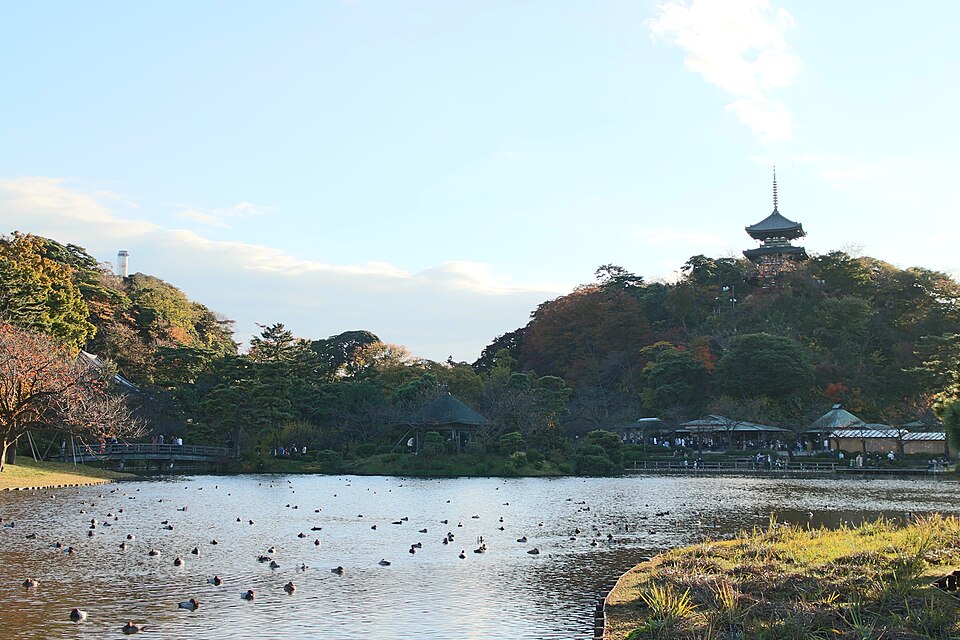
One of the defining features of Sankeien Garden is its collection of historic buildings, many of which hold significant cultural value. Traditional residences, tea ceremony houses, and religious structures provide insight into different periods of Japanese history. The three-story pagoda, originally built in Kyoto during the fifteenth century, rises above the surrounding trees and serves as one of the garden's most recognizable landmarks. Rather than being displayed as isolated museum pieces, these structures exist within a living landscape, allowing visitors to experience them in a setting similar to their original environment.
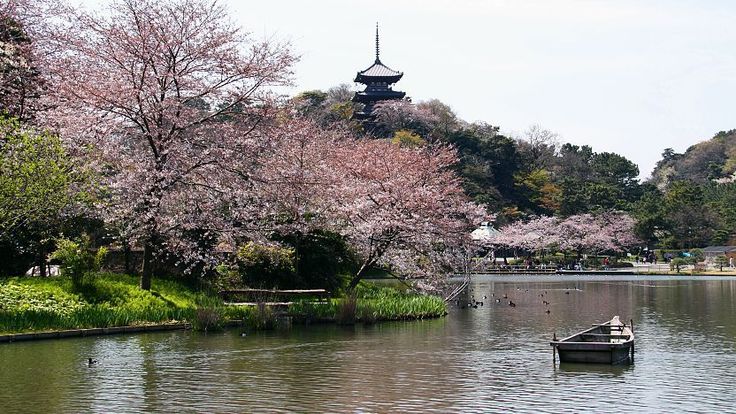
The atmosphere changes noticeably throughout the year, making Sankeien Garden a destination that rewards repeat visits. Spring brings cherry blossoms that frame historic buildings and reflect across the pond. Early summer introduces fresh greenery and blooming iris flowers. Autumn transforms the grounds with vibrant red and gold maple leaves, creating some of the most photographed seasonal scenery in the Yokohama area. During winter, the garden becomes quieter and more contemplative, highlighting the subtle beauty of traditional architecture against bare branches and crisp skies.
Although Sankeien Garden is located within Yokohama, the experience feels distinctly different from nearby attractions such as Minato Mirai, Yokohama Chinatown, or the city's waterfront developments. Here, modern buildings largely disappear from view, replaced by landscapes that evoke rural Japan and earlier centuries of Japanese life. This contrast is part of the garden's appeal. Travelers can spend the morning exploring contemporary urban Yokohama and later find themselves immersed in an environment that feels centuries removed from modern city life.
For international visitors, Sankeien Garden offers an accessible introduction to many aspects of Japanese culture in a single location. The garden showcases traditional architecture, tea culture, landscape design, seasonal appreciation, and historical preservation without requiring extensive prior knowledge. Whether visitors have a deep interest in Japanese history or are simply looking for a peaceful place to walk, the garden provides context and atmosphere that help illuminate broader themes within Japanese culture.
The sounds of Sankeien contribute as much to the experience as the scenery itself. Birdsong, rustling leaves, gentle breezes, and the occasional ripple across the pond create an environment that feels remarkably calm. Even during busy travel seasons, the expansive grounds allow visitors to find quiet corners where they can pause and take in their surroundings. This sense of tranquility often becomes one of the most memorable aspects of a visit.
Photography enthusiasts are particularly drawn to the garden because of its carefully balanced landscapes and changing seasonal colors. Reflections of historic buildings on the water, winding stone pathways, flowering trees, and traditional structures framed by natural scenery create countless opportunities for memorable images. Yet the garden remains enjoyable even without a camera. Simply walking through the grounds provides a deeper appreciation of how Japanese gardens are designed to evoke harmony between people, architecture, and nature.
What makes Sankeien Garden especially valuable within a Yokohama itinerary is its ability to reveal a different side of Japan. While many travelers associate Yokohama with its harbor, skyscrapers, and international influences, Sankeien highlights traditions that have shaped Japanese culture for centuries. The combination of preserved historic buildings, thoughtfully designed landscapes, and seasonal beauty creates an experience that feels both educational and deeply relaxing. For visitors seeking a place where history, nature, and traditional aesthetics come together, Sankeien Garden remains one of Yokohama's most rewarding and enduring destinations.
Things to Do at Sankeien Garden
How to Get to Sankeien Garden
Sankeien Garden is located in southern Yokohama and can be reached easily by public transportation.
- •Nearest station: Honmoku (bus from Yokohama Station)
- •IC cards (Suica, Pasmo, or ICOCA) are accepted on trains, subways, and buses throughout Japan. Tap in and out at every gate.
- •Avoid traveling during rush hour on weekdays: 7am to 9am and 5pm to 8pm. Trains are significantly more crowded.
- •Google Maps provides accurate real-time transit directions in Yokohama. Download offline maps before you arrive.
Map
Best Time to Visit Sankeien Garden
Best time to visit Sankeien Garden: Late March to early April for cherry blossoms; late November to early December for autumn foliage. Weekday mornings are generally quieter than weekends and public holidays.
- •Best time to visit: Late March to early April for cherry blossoms; late November to early December for autumn foliage
- •Arriving on a weekday morning avoids the largest crowds. Weekends and public holidays are significantly busier.
- •Spring (late March to early May) and autumn (October to November) are the most popular seasons for visiting Yokohama.
- •Golden Week (late April to early May) is the busiest week of the year in Japan. Book accommodation and tickets well in advance.
Cherry trees bloom throughout the garden, framing the historic buildings and reflecting across the central pond.
Maple trees turn red and gold around the three-story pagoda and inner garden, one of Yokohama's best-known foliage displays.
Entry Fee & Hours
| Category | Price (JPY) | Approx. (USD) |
|---|---|---|
| Adult (High School and above) | ¥900 | ~$6.50 |
| Child (Elementary/Junior High) | ¥200 | ~$1.50 |
| Senior (Yokohama residents 65+) | ¥700 | ~$5 |
Senior pricing (¥700) applies only to Yokohama residents aged 65 and older with valid ID; all other adult visitors pay the standard adult rate. USD amounts are approximate and change with the exchange rate.
- •A limited number of free manual wheelchairs can be borrowed at the main and south gates. Most paths are unpaved gravel, and the hillside route to the three-story pagoda includes steps and slopes with no ramps or elevators.
- •Visitors with a disability and one companion are admitted free of charge; bring identification to request the discount.
- •Stroller parking is available near the entrance, though stroller rental is not offered.
Nearby Attractions
Combine with Sankeien Garden on the same day
Yamashita Park

Yokohama Chinatown

Osanbashi Pier

Yokohama Red Brick Warehouse

Minato Mirai 21
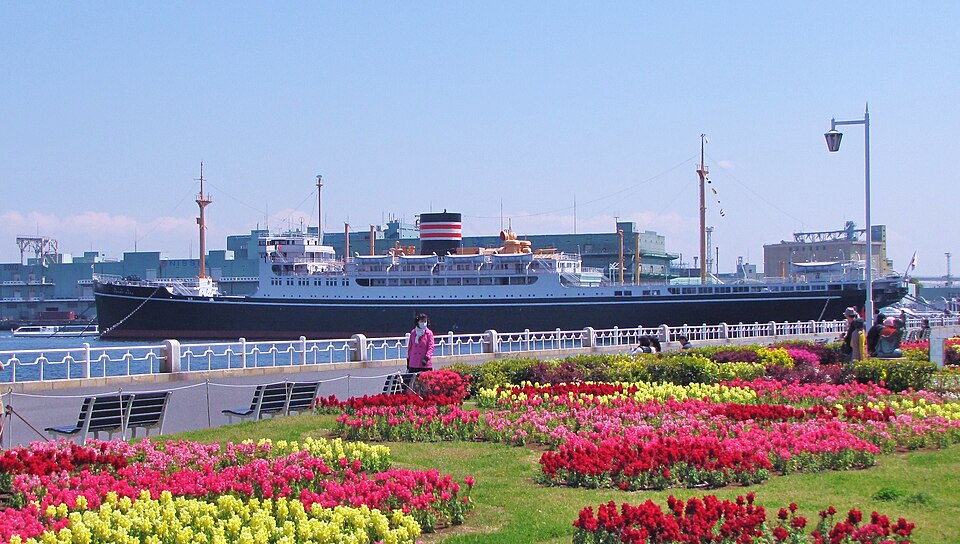
- •Yamashita Park (Approx. 15 minutes by car): Yokohama's oldest waterfront park, a relaxing harbor-side promenade with rose gardens and views of the bay.
- •Yokohama Chinatown (Approx. 15 minutes by car): Asia's largest Chinatown, packed with hundreds of restaurants, shops, and ornate ceremonial gates.
- •Osanbashi Pier (Approx. 15 minutes by car): A free, 24-hour public rooftop deck and working cruise terminal in Yokohama, known for its wave-shaped wooden "Whale's Back" walkway and open harbor views.
- •Yokohama Red Brick Warehouse (Approx. 20 minutes by car): Two preserved early-1900s customs warehouses on Yokohama's waterfront, now a free-to-enter complex of shops, restaurants, galleries, and seasonal events.
- •Minato Mirai 21 (Approx. 20 minutes by car): Yokohama's futuristic waterfront district, home to Landmark Tower, the Cosmo Clock Ferris wheel, and a scenic harbor promenade.
Suggested Itinerary
Pair Sankeien Garden with these nearby stops for a full day in Naka-ku, Yokohama.
Frequently Asked Questions
Planning Your Yokohama Trip?
See the full Yokohama destination guide or browse Japan itineraries that include this city.
See all Nature & Scenic Spots across Japan →Explore all attractions in Yokohama or browse nearby destinations.
Back to Yokohama Guide →