
Yokohama at a Glance
- region
- Kanto (Kanagawa Prefecture)
- best For
- Chinatown, waterfront, food, international culture
- best Time
- Year-round; spring for cherry blossoms at Sankeien
- suggested Stay
- 1–2 days
- main Station
- Yokohama Station (JR, Tokyu, Minato Mirai Line)
- nearby Destinations
- Tokyo, Kamakura, Hakone
Visiting Yokohama: Japan's Modern Port City
Yokohama is Japan's second-largest city and one of its most important port cities, where modern waterfront districts, international influences, and relaxed seaside scenery create a noticeably different atmosphere from nearby Tokyo. Yokohama blends futuristic skylines, historic neighborhoods, expansive parks, and some of the country's best dining experiences. Visitors can spend the day exploring cutting-edge attractions in Minato Mirai, strolling through historic waterfront areas, or sampling cuisine in Japan's largest Chinatown. Continue reading to discover the attractions, neighborhoods, and experiences that make Yokohama one of Japan's most enjoyable cities.
•7 min read
Top Attractions in Yokohama
The must-see sights, ranked by traveler impact
View all Yokohama attractions →
Naka-ku, Yokohama
Yokohama Chinatown
- Entry
- Free to explore
- Best time
- Weekday lunchtime
- Time needed
- 2-3 hours

Nishi, Yokohama
Minato Mirai 21
- Entry
- Free to explore
- Best time
- Late afternoon into evening
- Time needed
- 3-5 hours

Naka-ku, Yokohama
Yokohama Red Brick Warehouse
- Entry
- Free to enter the grounds and both buildings
- Best time
- Weekday daytime
- Time needed
- 1-2 hours
 Editor's Pick
Naka-ku, Yokohama
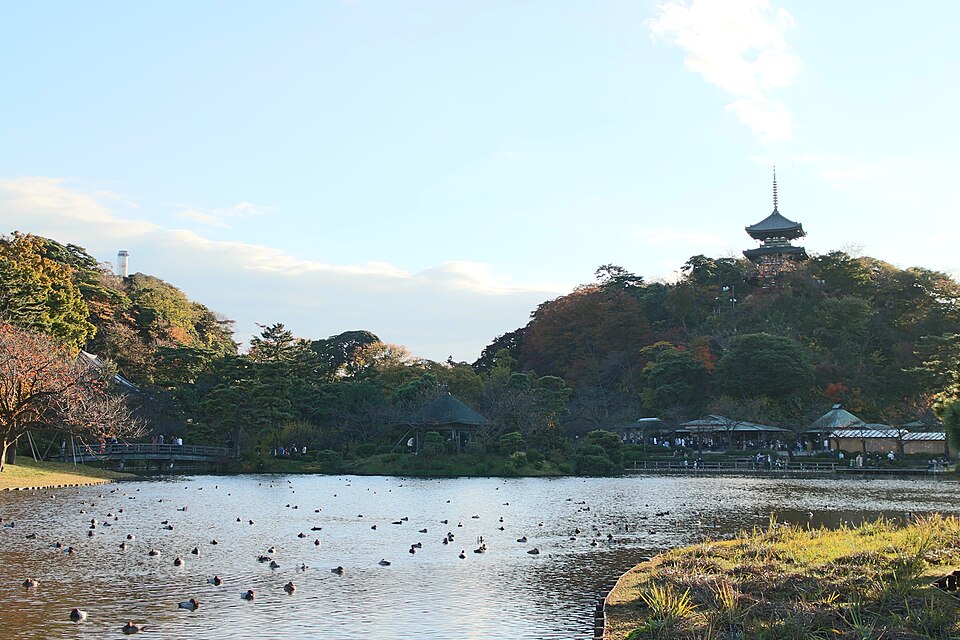
Sankeien Garden
- Entry
- ¥900
- Best time
- Late March to early April
- Time needed
- 1.5-2.5 hours

Naka-ku, Yokohama
Osanbashi Pier
- Entry
- Free
- Best time
- Late afternoon into sunset
- Time needed
- 30 minutes to 2 hours, flexible

Minato Mirai, Yokohama
Cup Noodles Museum
- Entry
- ¥500
- Best time
- Weekday mornings
- Time needed
- 1.5-2 hours

Kanazawa-ku, Yokohama
Yokohama Hakkeijima Sea Paradise
- Entry
- Island entry free
- Best time
- Weekday mornings
- Time needed
- Half day
Naka-ku, Yokohama
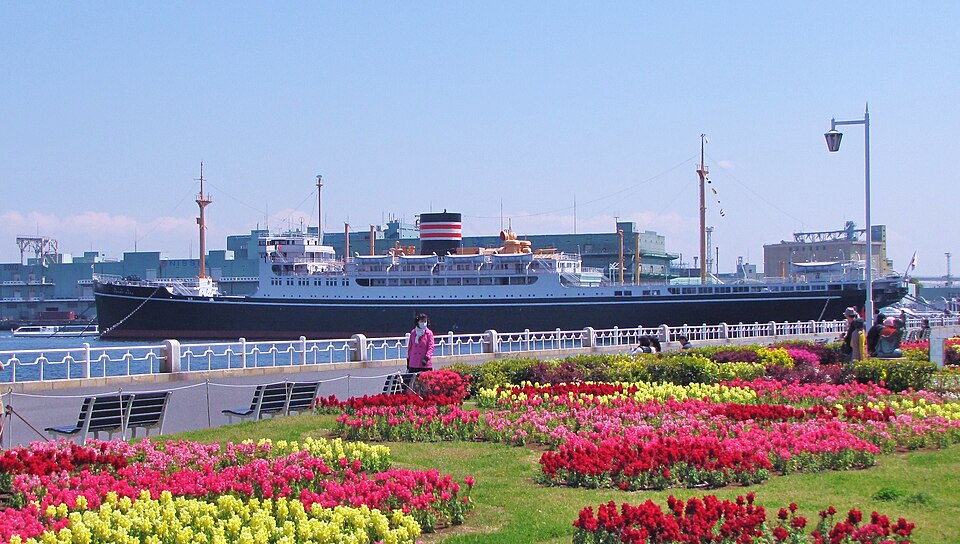
Yamashita Park
- Entry
- Free
- Best time
- Late afternoon into sunset
- Time needed
- 45 minutes to 1.5 hours
Why Visit Yokohama?
Quick Answer
Yokohama pairs a futuristic waterfront skyline at Minato Mirai with Japan's largest Chinatown and a more relaxed atmosphere than Tokyo, all within a 30-minute train ride. It suits travelers wanting modern architecture, harbor views, and excellent food without Tokyo's crowds.
Yokohama is worth visiting because it pairs a futuristic waterfront skyline with Japan's largest Chinatown and a more relaxed, less crowded atmosphere than nearby Tokyo, all reachable in under 30 minutes. While often overshadowed by nearby Tokyo, many visitors are surprised by how much the city offers and how different its atmosphere feels.
One of Yokohama's biggest attractions is its beautiful harbor district. The Minato Mirai waterfront features futuristic skyscrapers, observation decks, shopping complexes, museums, amusement attractions, and scenic promenades that are especially impressive after dark. The city's skyline is among the most recognizable in Japan, with landmarks such as Yokohama Landmark Tower and the Cosmo Clock 21 Ferris wheel dominating the waterfront.
Yokohama also reflects Japan's international history. As one of the first ports opened to foreign trade in the nineteenth century, the city developed strong global influences that can still be seen today. Visitors can explore historic Western-style buildings, stroll through Yamashita Park, or experience the vibrant atmosphere of Yokohama Chinatown, the largest Chinatown in Japan.
The city is also known for family-friendly attractions such as the Cup Noodles Museum, Zoorasia, and Sankeien Garden, one of Japan's finest traditional landscape gardens. Combined with excellent restaurants, waterfront views, and easy access from Tokyo, Yokohama offers a rewarding destination that balances sightseeing, culture, and relaxation in a way few Japanese cities can match.
How to Get to Yokohama
Quick Answer
From Haneda Airport, the Keikyu Airport Line reaches Yokohama Station directly in about 25–30 minutes (¥370–¥450). From central Tokyo, the JR Tokaido Line is fastest at about 25–30 minutes (¥490–¥500).
Yokohama sits just south of Tokyo and is served by the same two airports: Haneda (HND), 20–30 minutes away via the Keikyu Line, and Narita (NRT), about 90 minutes away via the Narita Express. Frequent trains also connect Yokohama directly to central Tokyo in as little as 25 minutes.
Haneda Airport (HND)
- Travel time
- 20–30 minutes
- Distance
- 20 km (12 miles)
- Best for
- Most international and domestic travelers
Narita Airport (NRT)
- Travel time
- 90–120 minutes
- Distance
- 95 km (59 miles)
- Best for
- International arrivals
Getting from Haneda Airport (HND) to Yokohama
Getting from Narita Airport (NRT) to Yokohama
Approximately 90 minutes
Approximately ¥4,570 ($30 USD) one way
The Narita Express operates direct services to Yokohama Station and is fully covered by the Japan Rail Pass.
Getting to Yokohama from Tokyo
Getting to Yokohama from Kyoto
Getting to Yokohama from Osaka
Staying in Yokohama and Visiting Tokyo Daily
Arriving in Yokohama
- •Yokohama Station: The primary transportation hub, with connections throughout the Tokyo metropolitan area.
- •Shin-Yokohama Station: The city's Shinkansen station and gateway for travelers arriving from Kyoto, Osaka, Nagoya, and other parts of Japan.
- •Sakuragicho Station: The best station for visitors heading to Minato Mirai, Landmark Tower, Yokohama Cosmo World, and the Red Brick Warehouse.
Recommended
For most international visitors, the easiest route is to arrive at Haneda Airport and take the Keikyu Line directly to Yokohama. If you're already staying in Tokyo, Yokohama makes an excellent day trip thanks to frequent trains costing around ¥500 and taking less than 30 minutes. Travelers looking for larger hotels, waterfront views, and a more relaxed atmosphere should seriously consider staying in Yokohama and visiting Tokyo daily, as the commute is fast, inexpensive, and often easier than crossing Tokyo itself.
Best Time to Visit Yokohama
Quick Answer
Spring (late March–early April) for cherry blossoms and autumn (October–November) for comfortable weather are Yokohama's best seasons. The city's coastal location keeps it relatively mild year-round, making it an easy add-on to a Tokyo itinerary in any season.
The best time to visit Yokohama is spring (March to May) for cherry blossoms and waterfront walks, or autumn (October to November) for the city's most comfortable sightseeing weather. Yokohama is a year-round destination that combines waterfront scenery, modern architecture, shopping, parks, and cultural attractions.
Spring (March–May): Cherry Blossoms and Waterfront Walks
Spring is one of the most popular times to visit Yokohama. Cherry blossoms bloom from late March to early April, bringing color to parks, canals, and waterfront promenades throughout the city.
Popular spring locations include:
- Sankeien Garden
- Yamashita Park
- Mitsuike Park
- Kishamichi Promenade
Temperatures generally range from 50°F–75°F (10°C–24°C), making it ideal for walking around Minato Mirai, Chinatown, and the waterfront.
Spring also offers some of the year's clearest skies and most comfortable sightseeing weather.
Summer (June–August): Festivals and Bay Views
Summer in Yokohama is warm and humid, with temperatures often reaching 80°F–90°F (27°C–32°C). June marks Japan's rainy season, while July and August bring outdoor festivals, waterfront events, and fireworks displays.
Popular summer attractions include:
- Minato Mirai waterfront
- Yokohama Sparkling Twilight events
- Red Brick Warehouse festivals
- Evening cruises around Yokohama Bay
The sea breeze often makes Yokohama feel slightly cooler than central Tokyo.
Autumn (October–November): Best Overall Weather
Many travelers consider autumn the best time to visit Yokohama. Humidity drops, temperatures become comfortable, and parks and gardens begin displaying colorful fall foliage.
Top autumn spots include:
- Sankeien Garden
- Yamashita Park
- Negishi Forest Park
- Harbor View Park
Temperatures usually range from 55°F–75°F (13°C–24°C). Clear skies and comfortable conditions make autumn ideal for sightseeing and photography.
Winter (December–February): Illuminations and Smaller Crowds
Winter in Yokohama is relatively mild compared to many parts of North America. Temperatures typically range from 40°F–55°F (4°C–13°C).
Winter highlights include:
- Yokohama illumination events
- Christmas markets at Red Brick Warehouse
- Clear views from Landmark Tower
- Seasonal waterfront displays
Crowds are generally smaller than in spring and autumn, except during the New Year holiday period.
Times to Avoid
Golden Week (Late April to Early May)
Golden Week is one of Japan's busiest travel periods. Attractions such as Yokohama Chinatown, Minato Mirai, and Red Brick Warehouse can become extremely crowded, while hotel prices often rise significantly.
Peak Cherry Blossom Weekends (Late March to Early April)
Popular parks and waterfront areas attract large crowds during peak sakura season, particularly on weekends.
Obon Holiday (Mid-August)
This major domestic travel period brings increased tourism and busier transportation, hotels, and attractions.
Rainy Season (Mid-June to Early July)
While Yokohama remains enjoyable, frequent rain can affect outdoor sightseeing and waterfront activities.
Best Overall Months
For the best combination of weather, scenery, and sightseeing opportunities, visit Yokohama during:
- Late March to early April for cherry blossoms
- October and November for comfortable temperatures and autumn colors
- May for comfortable temperatures once the spring crowds have thinned
- December for winter illuminations and festive events
When Should First-Time Visitors Go?
For most first-time visitors, October and November offer the best overall experience. The weather is comfortable, skies are often clear, crowds are manageable, and Yokohama's parks, gardens, waterfront districts, and observation decks are at their most enjoyable. Spring is a close second, particularly for travelers hoping to combine cherry blossoms with easy day trips to Tokyo and Kamakura.
Where to Stay in Yokohama
Quick Answer
Minato Mirai is the best base for most first-time visitors, with the city's iconic waterfront skyline and major attractions. Yokohama Station suits day-trippers, Chinatown/Yamashita Park suits food lovers, and Shin-Yokohama is best for Shinkansen connections.
The best areas to stay in Yokohama are Minato Mirai, the Yokohama Station area, Chinatown/Yamashita Park, and Shin-Yokohama, each suiting a different travel style and budget. Many travelers also choose Yokohama as a base for exploring Tokyo thanks to its lower hotel prices, larger rooms, and easy rail connections.
Minato Mirai
from $55/nightBest for: First-timers & waterfront views
Yokohama Station Area
from $40/nightBest for: Transportation & day-trippers
Chinatown & Yamashita Park
from $50/nightBest for: Food & atmosphere
Shin-Yokohama
from $40/nightBest for: Shinkansen travelers
Nearby Destinations
Easy day trips or next stops from Yokohama

Tokyo
First-timers • Food • Shopping • Pop culture • Nightlife

Kamakura
Day trips • Temples • Great Buddha • Nature • Hiking

Nikko
History • Architecture • Nature • Day trips from Tokyo
- •Tokyo: First-timers, Food, Shopping, Pop culture, Nightlife
- •Kamakura: Day trips, Temples, Great Buddha, Nature, Hiking
- •Nikko: History, Architecture, Nature, Day trips from Tokyo
Frequently Asked Questions
Free Itinerary Builder
Build Your Own Yokohama Itinerary
Choose Yokohama attractions, organize them by day, and see opening hours, admission fees and your trip pace in one place.
Plan This Trip
Guides and tools for the parts of a Yokohama trip that take the most planning
Ready to Experience Yokohama?
Browse curated Japan itineraries, or build your own with our free planning tools.
Next: Explore all attractions in Yokohama or browse nearby destinations.
Back to All Destinations →