Yokohama Chinatown
ExploreJapanDaily Editorial Team · Last updated: September 1, 2026 · Facts verified: September 1, 2026

- Area
- Naka-ku, Yokohama
- Best For
- Chinese cuisine, Street food, Temples, Photography
Visiting Yokohama Chinatown
Yokohama Chinatown is one of Japan's most distinctive urban neighborhoods, a lively district where Chinese heritage, Japanese culture, and international influences come together in a setting unlike anywhere else in the country. Located in central Yokohama near the city's waterfront, it is widely recognized as the largest Chinatown in Japan and one of the largest in the world. For many travelers, a visit offers far more than a chance to sample famous dishes. It is an opportunity to experience a community that has played an important role in shaping Yokohama's identity since the city first opened to international trade in the nineteenth century.
The atmosphere changes the moment visitors pass through one of the district's ornate gates. Brightly colored architecture, decorative lanterns, traditional Chinese motifs, and bustling pedestrian streets create a visual contrast to the modern skyline found elsewhere in Yokohama. The neighborhood feels energetic without being overwhelming, and there is always something happening, whether it is the scent of freshly prepared food drifting from street stalls, families exploring side streets, or visitors pausing to admire the elaborate details of temples and historic landmarks.
The origins of Yokohama Chinatown date back to the late 1800s, when Yokohama became one of the first Japanese ports opened to foreign trade after centuries of relative isolation. Chinese merchants, traders, and residents settled in the area, gradually establishing businesses, restaurants, schools, and cultural institutions. Over the decades, the neighborhood evolved into a thriving center of Chinese culture in Japan while maintaining strong connections to the city surrounding it. Today, that history remains visible throughout the district, giving visitors a deeper understanding of Yokohama's role as one of Japan's most internationally connected cities.
Food is undoubtedly one of the major reasons travelers visit Yokohama Chinatown, but reducing the district to a dining destination alone misses much of its character. Walking through the neighborhood reveals traditional Chinese temples, decorative public squares, cultural landmarks, and architectural details that tell the story of generations of Chinese immigrants and their contributions to Yokohama. The district encourages exploration at a relaxed pace. Some visitors arrive with a list of restaurants in mind, while others simply wander the streets, discovering unexpected corners and local specialties along the way.
One of the most appealing aspects of Yokohama Chinatown is how accessible it feels to travelers unfamiliar with Chinese culture. The district is welcoming, lively, and easy to navigate, offering countless opportunities to engage with local traditions without feeling like a museum or historical exhibit. Everyday life continues around visitors as residents, business owners, and workers contribute to an environment that feels authentic rather than staged. This living cultural landscape is part of what makes the neighborhood so memorable.

Seasonal events add another layer of interest throughout the year. The most famous celebrations are connected to Lunar New Year, when decorations, performances, and festivities transform the streets into one of Japan's most vibrant cultural celebrations. Even outside major events, however, the neighborhood maintains a festive atmosphere. Lanterns glow after sunset, colorful storefronts remain active throughout the day, and the streets often feel lively from morning until evening.
The surrounding location further enhances the appeal of Yokohama Chinatown. Within a relatively compact area, travelers can move between the historic streets of Chinatown, the waterfront scenery of Yokohama Bay, the modern architecture of Minato Mirai, and nearby parks and cultural attractions. This combination allows visitors to experience several different sides of Yokohama in a single day. Chinatown serves as both a destination in its own right and an important part of the broader Yokohama experience.
From a visual perspective, Yokohama Chinatown is one of the most photogenic neighborhoods in Japan. Ornate gates mark entrances to the district, colorful lanterns line the streets, and decorative details appear around nearly every corner. The neighborhood takes on a different character depending on the time of day. Morning visits often feel more relaxed and local, while evenings bring illuminated streets and a more energetic atmosphere as visitors gather to dine and explore.
What ultimately sets Yokohama Chinatown apart is the way it reflects the history of cultural exchange that helped shape modern Japan. It is a place where international influences became part of the local identity without losing their distinct character. Visitors encounter food, architecture, traditions, and stories that reveal a different perspective on Japanese history than they might find in temples, castles, or traditional gardens. This combination of cultural significance, historical depth, and everyday energy makes Yokohama Chinatown one of the most rewarding places to visit in Yokohama.
For international travelers planning a Japan itinerary, Yokohama Chinatown offers an experience that complements rather than duplicates the country's more traditional attractions. It provides insight into the diverse communities that have contributed to Japan's development while delivering a lively atmosphere that is enjoyable regardless of one's interest in history or cuisine. Whether arriving for the food, the architecture, the cultural heritage, or simply the experience of wandering its streets, visitors often leave with a deeper appreciation for the international character that has defined Yokohama for more than a century.
Things to Do at Yokohama Chinatown
How to Get to Yokohama Chinatown
Yokohama Chinatown is located in central Yokohama near Yamashita Park and the waterfront district.
- •Nearest station: Motomachi-Chukagai Station (Minato Mirai Line)
- •IC cards (Suica, Pasmo, or ICOCA) are accepted on trains, subways, and buses throughout Japan. Tap in and out at every gate.
- •Avoid traveling during rush hour on weekdays: 7am to 9am and 5pm to 8pm. Trains are significantly more crowded.
- •Google Maps provides accurate real-time transit directions in Yokohama. Download offline maps before you arrive.
Map
Best Time to Visit Yokohama Chinatown
Best time to visit Yokohama Chinatown: Weekday lunchtime for smaller crowds; evenings for the liveliest atmosphere. Weekday mornings are generally quieter than weekends and public holidays.
- •Best time to visit: Weekday lunchtime for smaller crowds; evenings for the liveliest atmosphere
- •Arriving on a weekday morning avoids the largest crowds. Weekends and public holidays are significantly busier.
- •Spring (late March to early May) and autumn (October to November) are the most popular seasons for visiting Yokohama.
- •Golden Week (late April to early May) is the busiest week of the year in Japan. Book accommodation and tickets well in advance.
Entry Fee & Hours
- •Yokohama Chinatown has no admission gate, ticket office, or single entrance; all streets and public spaces are free and open at all times.
- •The district's main streets are flat with curb-cut sidewalks, making them accessible for wheelchairs and strollers, though narrow side streets and crowds at meal times can make navigation tighter.
Nearby Attractions
Combine with Yokohama Chinatown on the same day
Yamashita Park

Osanbashi Pier

Yokohama Red Brick Warehouse

Minato Mirai 21

Yokohama Marine Tower

Harbor View Park
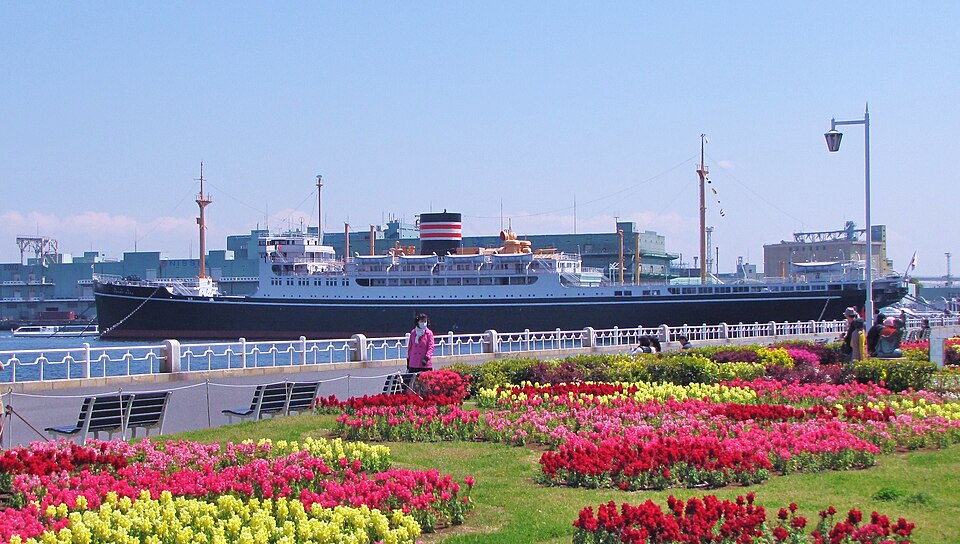
- •Yamashita Park (Approx. 5 minutes walk): Yokohama's oldest waterfront park, a relaxing harbor-side promenade with rose gardens and views of the bay.
- •Osanbashi Pier (Approx. 10 minutes walk): A free, 24-hour public rooftop deck and working cruise terminal in Yokohama, known for its wave-shaped wooden "Whale's Back" walkway and open harbor views.
- •Yokohama Red Brick Warehouse (Approx. 15 minutes walk): Two preserved early-1900s customs warehouses on Yokohama's waterfront, now a free-to-enter complex of shops, restaurants, galleries, and seasonal events.
- •Minato Mirai 21 (Approx. 20 minutes walk): Yokohama's futuristic waterfront district, home to Landmark Tower, the Cosmo Clock Ferris wheel, and a scenic harbor promenade.
- •Yokohama Marine Tower (Approx. 5 minutes walk): A 106-meter former lighthouse turned observation tower beside Yamashita Park, with harbor views by day and a projection-art Media Art Gallery by night.
- •Harbor View Park (Uphill via Motomachi Shopping Street, approx. 10-15 minutes walk): A free, elevated Yamate hillside garden park above Motomachi, reached by a genuine uphill walk, known for Yokohama's most extensive rose gardens and a harbor view toward Yokohama Bay Bridge.
Suggested Itinerary
Pair Yokohama Chinatown with these nearby stops for a full day in Naka-ku, Yokohama.
Frequently Asked Questions
Planning Your Yokohama Trip?
See the full Yokohama destination guide or browse Japan itineraries that include this city.
See all Shopping & Entertainment across Japan →Explore all attractions in Yokohama or browse nearby destinations.
Back to Yokohama Guide →