Hiroshima Castle

ExploreJapanDaily Editorial Team · Last verified: June 28, 2026

Quick Answer
Hours
9:00 AM – 6:00 PM daily (seasonal hours apply)
Admission
370 yen (~$3) for adults
Nearest Station
Shiyakusho-mae, 10 min walk
Best Time
Spring for cherry blossoms; autumn for foliage
Visit Duration
1–1.5 hours
Hiroshima Castle five-storey keep viewed from across the moat with autumn trees and blue sky, Japan

Visiting Hiroshima Castle

Hiroshima Castle stands quietly in the center of modern Hiroshima, surrounded by wide moats, stone walls, and tree-lined grounds that feel unexpectedly calm within the surrounding city. Known historically as Carp Castle because of the shape of the nearby rivers and waterways, the castle represents an important part of Hiroshima's identity long before the events that later brought international attention to the city. While many travelers visit Hiroshima primarily to explore Peace Memorial Park and the Atomic Bomb Dome, Hiroshima Castle offers a deeper understanding of the city's earlier history as a powerful feudal domain and strategic military center during Japan's samurai era.

Originally constructed in the late 16th century by the feudal lord Mori Terumoto, Hiroshima Castle became the political and cultural center of the region during a time when castles defined both military power and urban development across Japan. Unlike mountain-top fortresses built primarily for defense, Hiroshima Castle was designed as a flatland castle positioned within a delta formed by branching rivers flowing into Hiroshima Bay. The surrounding waterways acted as natural defenses while also supporting trade and transportation. Over time, the castle town expanded outward from the fortress, shaping the foundations of modern Hiroshima itself.

The original castle was destroyed in 1945 during the atomic bombing of Hiroshima, with much of the surrounding district devastated as well. The current main keep is a carefully reconstructed version completed in the late 1950s, intended both to preserve Hiroshima's historical heritage and to reconnect the city with its prewar identity. Today, the castle serves as a museum dedicated to Hiroshima's feudal history, samurai culture, castle architecture, and local traditions. Although reconstructed, the atmosphere around the castle remains grounded in the historical landscape created by the original fortifications, moats, gates, and defensive stonework that continue to define the grounds.

Hiroshima Castle keep framed by green trees with warm evening light and blue sky, Japan

Approaching Hiroshima Castle feels noticeably different from walking through the surrounding business districts and shopping streets nearby. The transition into the castle area is gradual. Traffic noise softens as visitors cross bridges over still water and move beneath trees lining the outer moat. Stone walls rise beside walking paths while sections of reconstructed wooden gates and turrets frame the entrances to the central grounds. The atmosphere is more spacious than many urban castle sites in Japan, allowing visitors to move at a slower pace and absorb the contrast between the fortress landscape and the modern city skyline surrounding it.

The main castle keep rises above the trees with dark wooden exterior panels, layered rooflines, and traditional architectural details that reflect classic Japanese castle design. From a distance, the structure appears elegant rather than overwhelming, particularly when reflected across the surrounding water. Closer up, visitors begin to notice the details of the defensive architecture, including steep stone foundations, elevated viewing points, and carefully layered roof structures originally designed to project authority and visibility across the surrounding region. The reconstructed interior now contains museum exhibits exploring Hiroshima's samurai past, regional politics, castle construction techniques, and daily life during the Edo period.

One of the most appealing aspects of Hiroshima Castle is the atmosphere of the surrounding parkland. The castle grounds function not only as a historical site but also as a public green space used regularly by local residents. Office workers eat lunch near the moat during weekdays, joggers follow walking paths around the outer walls, and families gather beneath seasonal trees during weekends and holidays. Cherry blossom season is especially popular, when sakura trees around the moat soften the landscape with pale pink blossoms reflected in the water below. Autumn brings warmer colors to the castle grounds, while winter often creates the quietest and most reflective atmosphere of all.

Hiroshima Castle surrounded by pink cherry blossom trees in spring reflected across the moat, Japan

The castle's location also helps visitors better understand Hiroshima's geography and urban layout. From the upper observation levels inside the keep, views extend across the modern city toward surrounding rivers, mountains, and distant sections of Hiroshima Bay. The perspective reveals how Hiroshima developed outward from the original castle town while continuing to rely on waterways that shaped its identity for centuries. Unlike isolated rural castles surrounded by mountains or forests, Hiroshima Castle remains fully integrated into the rhythm of contemporary urban life, sitting only a short distance from major roads, offices, cultural sites, and shopping districts.

The surrounding neighborhood adds further depth to the experience. Nearby historical gardens, museums, and cultural sites connect naturally with the castle grounds, while modern Hiroshima continues moving around the area with streetcars, cafés, universities, and business centers operating nearby. This blending of historical space and contemporary city life gives Hiroshima Castle a different feeling from more heavily commercialized heritage sites elsewhere in Japan. The castle does not feel separated from the city around it. Instead, it remains woven into Hiroshima's everyday landscape as both a historical symbol and a living public space.

For many international travelers, Hiroshima Castle provides important historical context that complements visits to Hiroshima's peace memorial sites. The castle reminds visitors that Hiroshima's identity extends far beyond the events of the Second World War. Long before the city became internationally associated with peace advocacy and remembrance, it was a thriving castle town shaped by samurai governance, regional commerce, and centuries of cultural development. Visiting Hiroshima Castle helps reveal those deeper historical layers while also showing how the city chose to preserve and rebuild elements of its earlier heritage after immense destruction.

Hiroshima Castle and stone-walled moat under dramatic clouds with the surrounding city in the distance, Japan

Hiroshima Castle may not possess the original structures of Japan's oldest surviving fortresses, but its significance comes from the continuity it represents. Surrounded by moats, reconstructed gates, and seasonal landscapes, the castle stands as a connection between feudal Japan, wartime destruction, postwar rebuilding, and the modern city that continues to evolve around it. The experience is less about dramatic spectacle and more about atmosphere, history, and understanding how Hiroshima's past continues to shape the city visitors encounter today.

Things to Do at Hiroshima Castle

How to Get to Hiroshima Castle

Hiroshima Castle is located in central Hiroshima and is easily accessible by tram, bus, taxi, and on foot from many major city attractions.

💡Good to Know
  • Nearest station: Shiyakusho-mae tram stop (Hiroshima Electric Railway)
  • IC cards (Suica, Pasmo, or ICOCA) are accepted on trains, subways, and buses throughout Japan. Tap in and out at every gate.
  • Avoid traveling during rush hour on weekdays: 7am to 9am and 5pm to 8pm. Trains are significantly more crowded.
  • Google Maps provides accurate real-time transit directions in Hiroshima. Download offline maps before you arrive.

Map

Best Time to Visit Hiroshima Castle

Best time to visit Hiroshima Castle: Spring for cherry blossoms; autumn for foliage. Weekday mornings are generally quieter than weekends and public holidays.

💡Good to Know
  • Best time to visit: Spring for cherry blossoms; autumn for foliage
  • Arriving on a weekday morning avoids the largest crowds. Weekends and public holidays are significantly busier.
  • Spring (late March to early May) and autumn (October to November) are the most popular seasons for visiting Hiroshima.
  • Golden Week (late April to early May) is the busiest week of the year in Japan. Book accommodation and tickets well in advance.
Cherry Blossom (Spring)
Late March to early April

Sakura trees around the outer moat bloom in pale pink, reflecting across the water beside the castle keep.

Autumn Foliage
Mid-November to early December

Trees along the moat and castle grounds turn red and gold, contrasting with the dark wooden keep.

Evening Illumination
Year-round, after sunset

The castle exterior is lit up at night, creating dramatic reflections across the surrounding moat.

Entry Fee & Hours

🎟️
Admission
370 yen (approximately $3 USD)
Hours
9:00 AM – 6:00 PM, March to November; 9:00 AM – 5:00 PM, December to February (last entry 30 minutes before closing)
Castle Keep Admission
Castle Keep Admission admission prices in JPY and approximate USD
CategoryPrice (JPY)Approx. (USD)
Adult¥370~$3
Junior High Student and YoungerFreeFree

Prices apply to the castle keep museum. Outer grounds and moat paths are free to enter. JPY amounts are official; USD amounts are approximate and change with the exchange rate.

💡Good to Know
  • The outer castle grounds and moat-side paths are flat and manageable for wheelchairs and strollers, but the reconstructed keep is connected by stairs only with no elevator, making the upper observation level difficult to reach for visitors with mobility limitations.
Book Tickets

Nearby Attractions

Combine with Hiroshima Castle on the same day

📍Nearby
  • Hiroshima Peace Memorial Park (Around 15-20 minutes walk, or 5 minutes by tram): A large urban park built on the site closest to the atomic bomb hypocenter, containing the Peace Memorial Museum, the Cenotaph, the Peace Flame, the Children's Peace Monument, and the A-Bomb Dome.
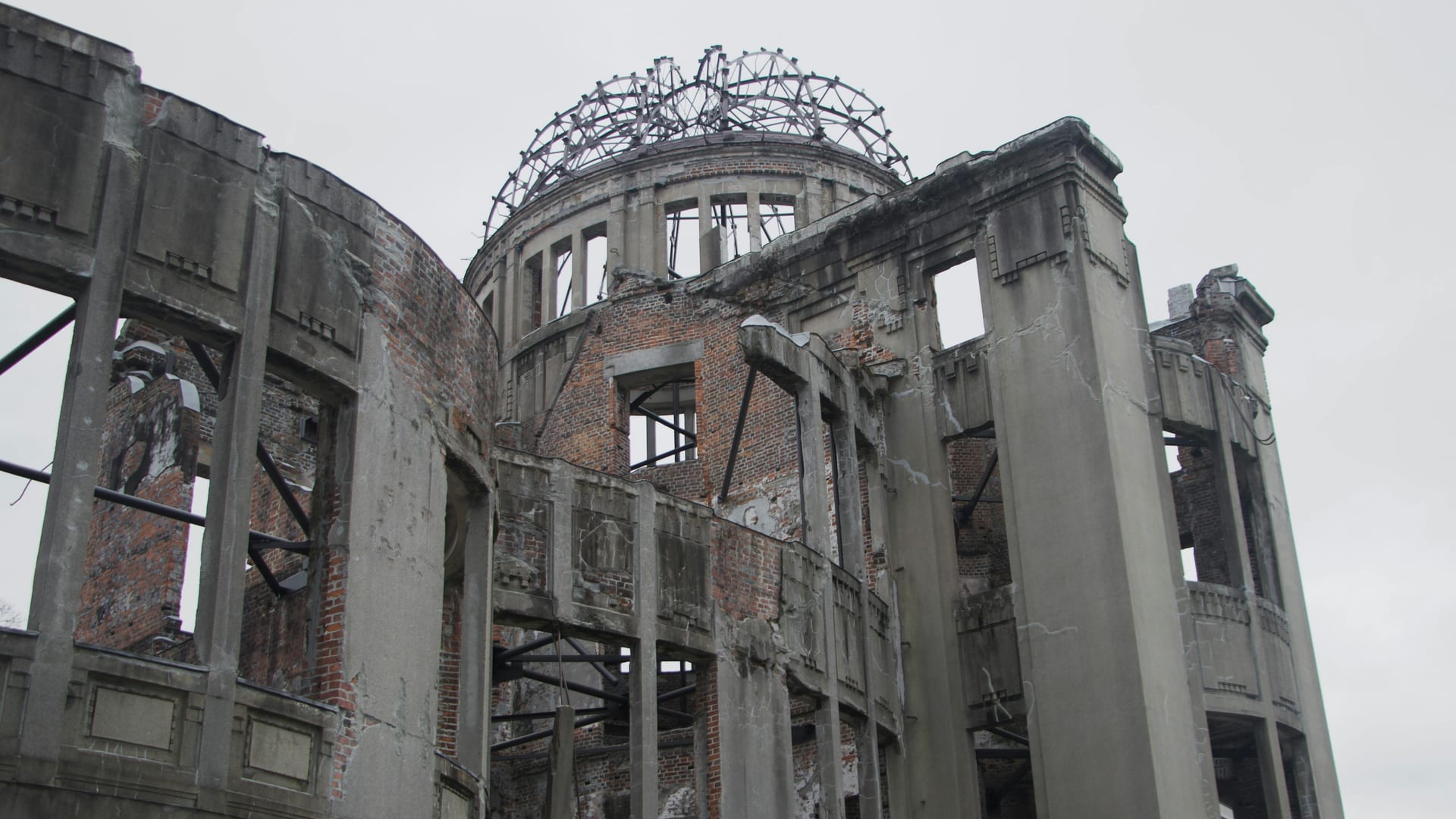
  • Atomic Bomb Dome (Around 15-20 minutes walk, or 5 minutes by tram): The preserved ruins of the former Hiroshima Prefectural Industrial Promotion Hall, the only structure near the atomic bomb hypocenter left standing. A UNESCO World Heritage Site and the most powerful symbol of peace in Hiroshima.
  • Shukkeien Garden (Around 5-8 minutes walk): A traditional Japanese strolling garden originally created in 1620, featuring a central pond, stone bridges, islands, teahouses, and seasonal plantings. One of Hiroshima's most peaceful and historically significant green spaces.
  • Orizuru Tower (Around 18-20 minutes walk, or 5 minutes by tram): This modern observation tower near Peace Memorial Park offers panoramic city views, rooftop spaces, interactive exhibits, and cafés overlooking Hiroshima.
  • Hondori Shopping Street (Around 10-12 minutes walk): Hiroshima's main covered shopping arcade filled with restaurants, cafés, souvenir stores, local shops, and nightlife areas within walking distance of the castle district.

Suggested Itinerary

Pair Hiroshima Castle with these nearby stops for a full day in Naka, Hiroshima.

MorningStart at Hiroshima Castle before crowds arrive (aim for opening time)
Late MorningHead to Hiroshima Peace Memorial Park (nearby, easy walk or short train)
AfternoonVisit Atomic Bomb Dome
EveningReturn to your hotel or continue to another Hiroshima neighbourhood
See the full Off the Beaten Path: 14 Days Beyond the Golden Route itinerary →

Frequently Asked Questions

Hiroshima Castle five-storey keep viewed from across the moat with autumn trees and blue sky, Japan
Plan Your Trip

Planning Your Hiroshima Trip?

See the full Hiroshima destination guide or browse Japan itineraries that include this city.

See all Castles across Japan →
➡️Suggested Next Guide

Explore all attractions in Hiroshima or browse nearby destinations.

Back to Hiroshima Guide →