Atomic Bomb Dome
ExploreJapanDaily Editorial Team · Last updated: October 3, 2026 · Facts verified: October 3, 2026
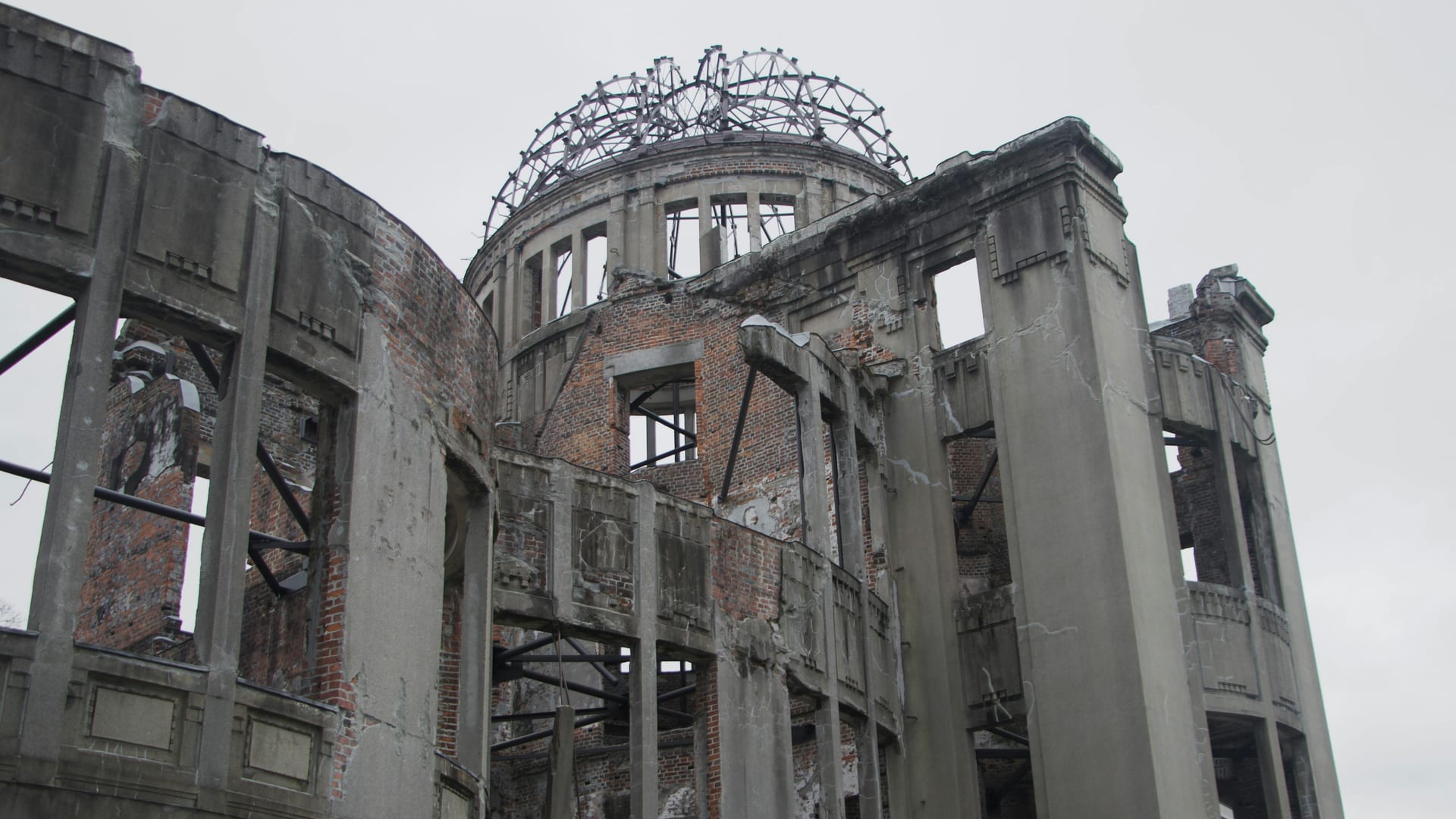
The Atomic Bomb Dome (原爆ドーム, Genbaku Dome) is the ruin of the Hiroshima Prefectural Industrial Promotion Hall, which was left standing close to the hypocenter of the atomic bomb dropped on Hiroshima on August 6, 1945, and has been preserved by the city as a memorial and listed as a World Heritage Site. You see it from outside a fence on the bank of the Motoyasu River, free and at any hour. There is no entry and no ticket, so on its own it takes 20 to 40 minutes; most people see it as the first or last stop of a walk through Peace Memorial Park.
- Area
- Naka, Hiroshima
- Best For
- History, Architecture, Photography
The building, and why it was kept
The building opened in 1915 as the Hiroshima Prefectural Commercial Exhibition Hall, designed by the Czech architect Jan Letzel, and was renamed the Hiroshima Prefectural Industrial Promotion Hall in 1933. It held exhibitions of local products and art on the riverbank in the busiest part of prewar Hiroshima. By 1944 it had stopped operating as an exhibition hall and was in use as government offices.

The atomic bomb exploded almost directly above this district on the morning of August 6, 1945. The people working in the building were killed. Because the blast came from nearly overhead, part of the central walls and the steel frame of the dome stayed upright while almost everything around them was destroyed, and the ruin became known as the Genbaku Dome, the Atomic Bomb Dome.
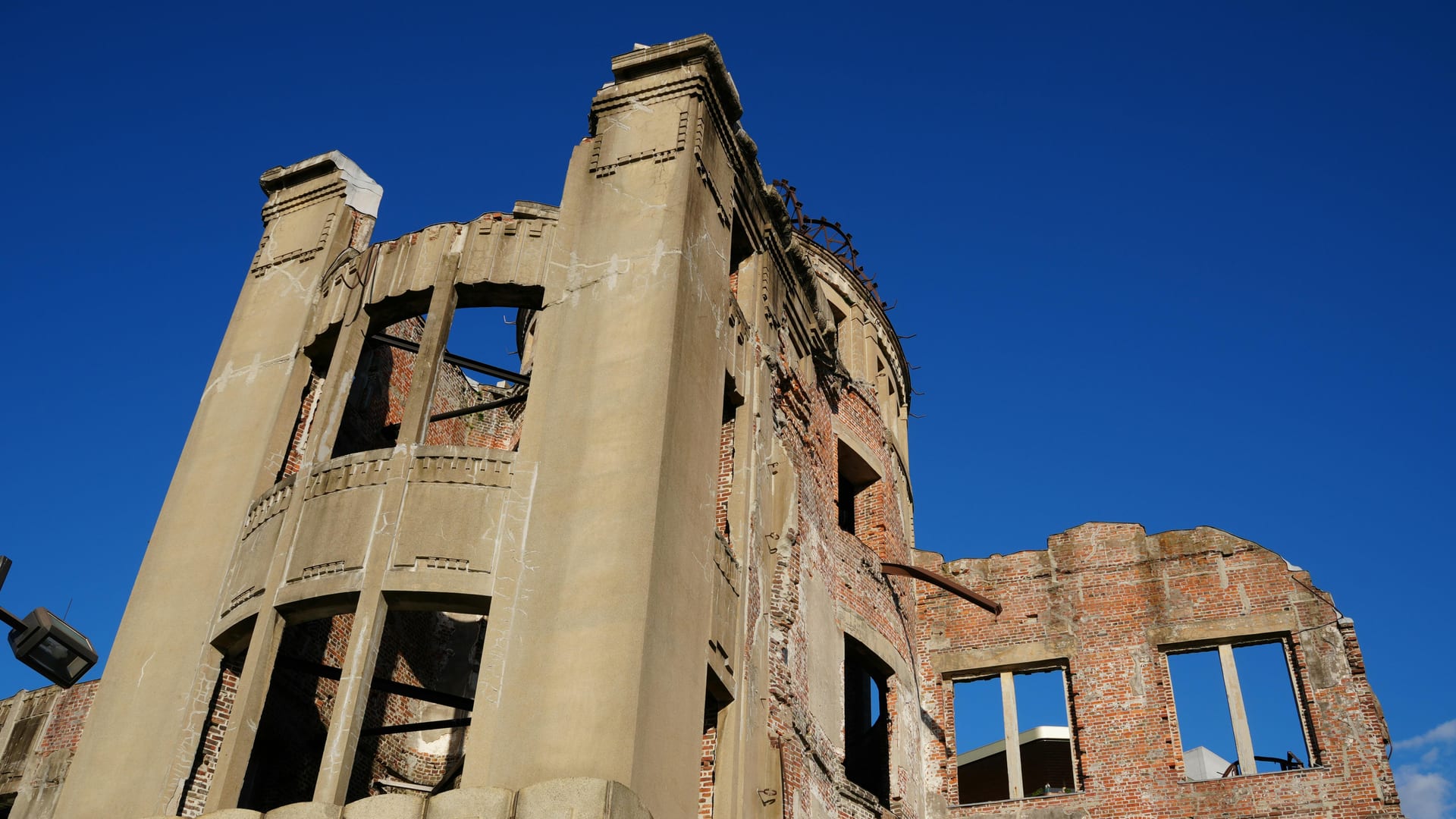
Whether to keep it was argued over for two decades; for some residents it was a painful reminder rather than a memorial. In 1966 the Hiroshima City Council resolved to preserve it, and a public fundraising campaign paid for the first preservation work in 1967. It was designated a National Historic Site in 1995 and inscribed as a World Heritage Site in 1996 under the name Hiroshima Peace Memorial (Genbaku Dome). The city surveys the structure about every three years, and the latest survey, completed in March 2025, found no abnormality.
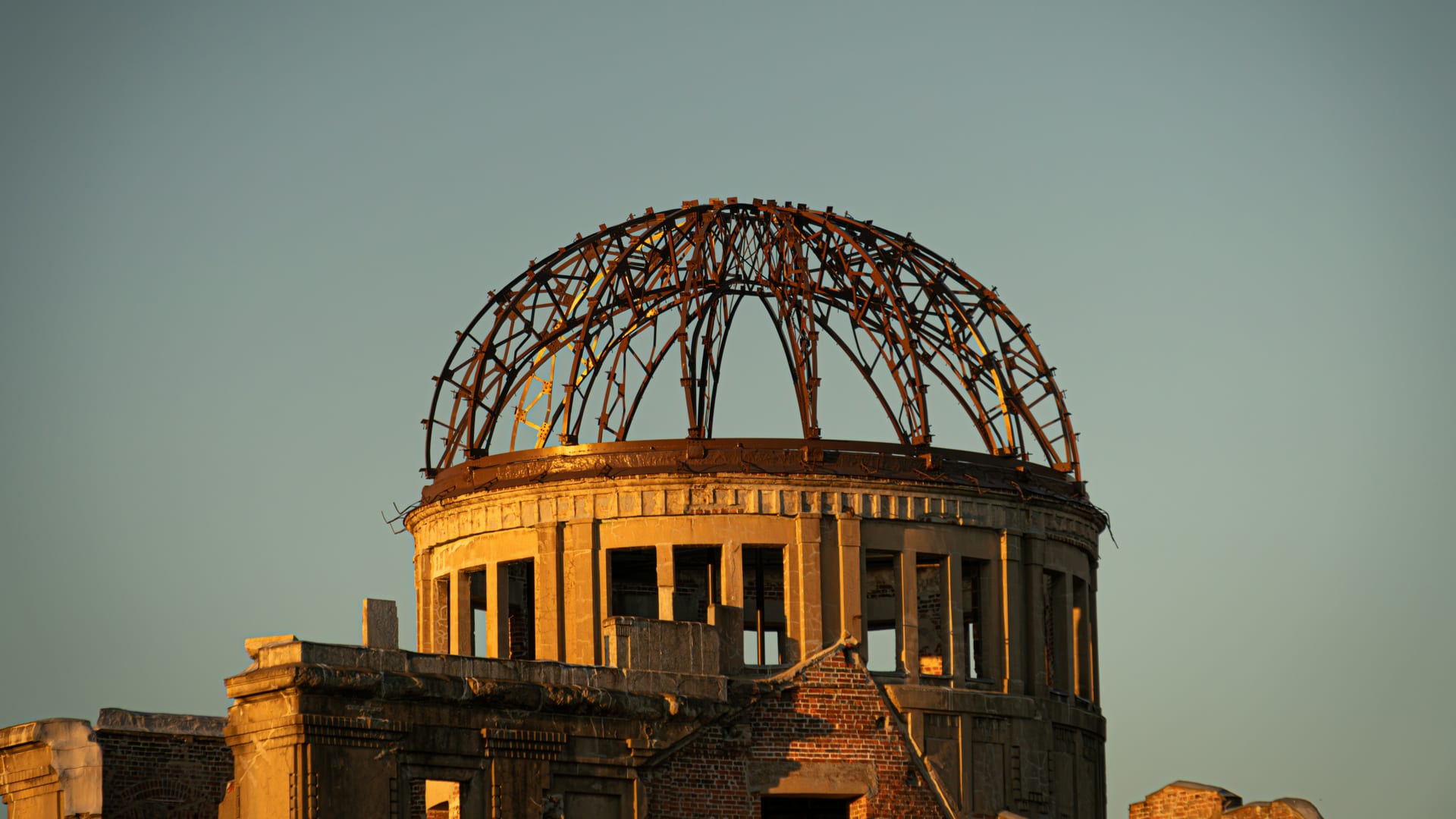
The Dome is one of three separate visits within a few minutes' walk. Peace Memorial Park, across the river, is the free memorial landscape with the Cenotaph and the Children's Peace Monument. The Hiroshima Peace Memorial Museum, at the park's southern end, is the ticketed museum that shows what the bomb did to the people of the city. This page covers the Dome itself.
What to do at the Atomic Bomb Dome
How to Get to Atomic Bomb Dome
The Dome stands on the east bank of the Motoyasu River at the northern tip of the Peace Memorial area, in central Hiroshima. Streetcars from Hiroshima Station stop directly across the street.
- •Genbaku Dome-mae tram stop, on Hiroden Lines 2 and 6, is directly across the street.
- •From the Peace Memorial Museum, the walk north through the park takes about 10 minutes.
- •Hiroden streetcars are not covered by the Japan Rail Pass.
For IC cards, tickets, and full transit basics for Hiroshima, see the complete transportation guide.
Getting Around Hiroshima →Map
Best Time to Visit Atomic Bomb Dome
Best time to visit Atomic Bomb Dome: Early morning or after dark, when the riverbank is quietest. Weekday mornings are generally quieter than weekends and public holidays.
- •The Dome can be seen at any hour, so fit it around the museum's ticket times rather than the other way round.
- •School groups fill the Peace Memorial area on spring and autumn weekdays; early morning and evening are quieter.
- •On August 6 the area is crowded from early morning for the Peace Memorial Ceremony and again in the evening for the lantern floating.
Cherry trees along the Motoyasu River bloom on the riverbank opposite the Dome.
The ceremony is held in Peace Memorial Park in the morning; in the evening, paper lanterns are floated on the river beside the Dome.
The quietest months in the Peace Memorial area. The Dome is lit after dark all year.
Entry Fee & Hours
- •The Dome is viewed from outside a perimeter fence along paved riverside paths that are flat and step-free for wheelchairs and strollers.
- •There is no entry beyond the fence at any time. Please do not climb on or reach over it.
Nearby Attractions
Combine with Atomic Bomb Dome on the same day

Hiroshima Peace Memorial Park

Hiroshima Peace Memorial Museum
Okonomimura

Hiroshima Castle
- •Hiroshima Peace Memorial Park (Across the Motoyasu River, a few minutes on foot): The free, always-open memorial park in central Hiroshima, with the Cenotaph, the Peace Flame, the Children's Peace Monument and the National Peace Memorial Hall. The Atomic Bomb Dome stands across the river and the ticketed museum at its southern end.
- •Hiroshima Peace Memorial Museum (About 10 minutes on foot through the park): The city-run museum in Peace Memorial Park that documents the atomic bombing of August 6, 1945, through victims' belongings, photographs and survivor testimony. Adult admission is 200 yen, and the museum recommends buying a web ticket in advance.
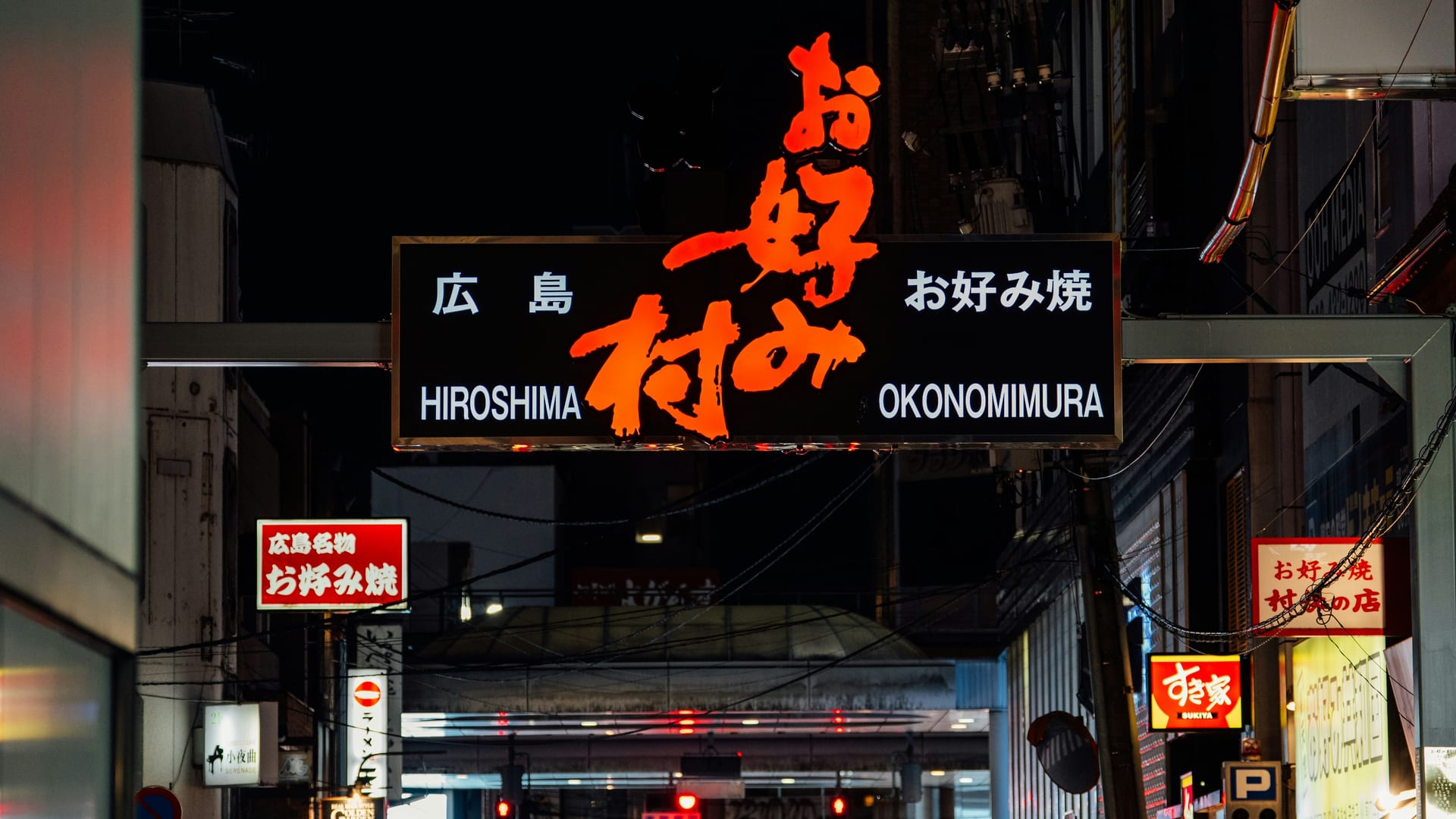
- •Okonomimura (About 10 to 15 minutes on foot east): A building in Shintenchi, central Hiroshima, where about two dozen independent Hiroshima-style okonomiyaki counters fill the 2nd to 4th floors. Each stall sets its own menu, prices and hours.
- •Hiroshima Castle (About 15 to 20 minutes on foot north, or by streetcar): The site of the castle begun in 1589, with moats, original stone walls and free reconstructed Ninomaru buildings. The 1958 keep closed to visitors in March 2026 and is seen from outside only.
A morning in the Peace Memorial area
The Dome, the park and the museum make one half day. This order starts with the museum while it is quiet.
Museum first, then north to the Dome
Morning
Peace Memorial Museum with an early web ticket, about 1 to 2 hours
Late morning
North through Peace Memorial Park: the Cenotaph, the Peace Flame and the Children's Peace Monument
Midday
Cross the river to the Atomic Bomb Dome
Afternoon or evening
Shukkeien Garden and Hiroshima Castle, or Miyajima, then dinner at Okonomimura
Frequently Asked Questions
Planning Your Hiroshima Trip?
See the full Hiroshima destination guide or browse Japan itineraries that include this city.
See all Museums across Japan →Explore all attractions in Hiroshima or browse nearby destinations.
Back to Hiroshima Guide →