
10 Days
Best for: Couple
Cherry Blossom Japan: 10 Days in Spring
A spring route timed to peak sakura season through Tokyo, Nikko, Kyoto & Osaka
#Mid-Range
From$2,800/person
Compare This Route →
Kanazawa, Takayama, sacred Koyasan, and the art island of Naoshima
This route skips Kyoto and Osaka almost entirely in favor of the towns and regions that rarely make a first-timer's list, samurai-era Kanazawa, the preserved old town of Takayama, the sacred mountain temple town of Koyasan, and the contemporary art island of Naoshima. It's built for travelers who've already done the golden route, or who simply want a quieter, more design-and-culture-forward trip.
The pace is geographically west-bound and intentionally non-backtracking, finishing in Hiroshima rather than looping back through Osaka. Expect more local trains and fewer English signs than the standard circuit, along with a noticeably lower density of other foreign tourists at most stops.
What you need to know: 14 Days, $3,400-$8,800 per person, best in Spring or Autumn, covering Tokyo, Kanazawa, Takayama, Koyasan, Naoshima, Hiroshima with a mix of JR trains and regional transport.
2
A preserved Edo-era old town with a Shirakawa-go day trip
2
A sacred mountain temple town with an overnight shukubo stay
3
A contemporary art island with the Chichu Art Museum and Yayoi Kusama installations
Preserved Edo-era samurai residences in Nagamachi, alongside one of the three great gardens of Japan.
Sanmachi Suji's preserved merchant-era streets, largely untouched by the crowds found in Kyoto.
A UNESCO World Heritage mountain village of steep thatched-roof farmhouses, reachable as a day trip from Takayama.
An overnight stay at a working Buddhist temple, including a dawn fire ritual and shojin ryori vegetarian cuisine.
Tadao Ando's Chichu Art Museum and Yayoi Kusama's giant polka-dot pumpkin sculptures, on a small Seto Inland Sea island.
The Peace Memorial Park and the floating torii gate of Itsukushima Shrine, closing out the trip in the west.
Every day. Every stop. Real costs, real transport times, honest opinions.
Land at Narita or Haneda and settle into a hotel near Shinjuku Station.
A maze of narrow alleys packed with tiny yakitori and ramen stalls, an atmospheric first-night dinner.
Where to Stay Tonight
Shinjuku
A centrally located hotel near Shinjuku Station.
Don't Miss Eating
Yakitori in Omoide Yokocho
Grilled skewers in one of Tokyo's most atmospheric old alleyways.
Ride the bullet train into the Hokuriku region, a markedly quieter route than the Tokaido line south.
Kanazawa's 280-year-old fresh seafood market, the local equivalent of Tokyo's Tsukiji.
Where to Stay Tonight
Kanazawa Station / Higashi Chaya
A hotel near Kanazawa Station or the Higashi Chaya geisha district.
Don't Miss Eating
Kanazawa-style sushi
Fresh Sea of Japan seafood, considered among the best sushi outside Tokyo.
One of the three great gardens of Japan, with meticulously maintained ponds, bridges, and seasonal plantings.
Preserved Edo-era samurai residences with earthen walls and narrow lanes, a quiet contrast to Kyoto's crowds.
Where to Stay Tonight
Kanazawa Station / Higashi Chaya
Same hotel as Day 2.
Don't Miss Eating
Gold-leaf soft-serve
Kanazawa produces 99% of Japan's gold leaf, and edible gold-topped soft-serve is the local novelty treat.
A scenic mountain bus ride through the Japanese Alps into Takayama.
Preserved Edo-era merchant streets lined with sake breweries and traditional wooden facades.
Where to Stay Tonight
Sanmachi Suji Old Town
A traditional inn within walking distance of the old town.
Don't Miss Eating
Hida beef skewers
Takayama's signature marbled beef, grilled on skewers and sold throughout the old town.
A UNESCO World Heritage mountain village of steep thatched-roof farmhouses, designed to withstand heavy snowfall.
A short uphill walk to the village's viewpoint, the classic postcard view over the thatched rooftops.
Where to Stay Tonight
Sanmachi Suji Old Town
Same inn as Day 4.
Don't Miss Eating
Hoba miso (miso grilled on a magnolia leaf)
A rustic local specialty from the mountain regions around Takayama and Shirakawa-go.
A multi-leg train journey south to the sacred mountain temple town, ending with a funicular up the mountainside.
Check into a working Buddhist temple lodging and join the evening prayer service.
Where to Stay Tonight
Koyasan Temple Town
An overnight shukubo (temple lodging) stay.
Don't Miss Eating
Shojin ryori (Buddhist vegetarian temple cuisine)
A multi-course vegetarian dinner prepared according to Buddhist dietary principles, served as part of the shukubo stay.
A pre-dawn Buddhist fire ceremony held at the temple, open to overnight guests.
Japan's largest cemetery, a moss-covered forest path lined with over 200,000 tombstones leading to Kobo Daishi's mausoleum.
Where to Stay Tonight
Koyasan Temple Town
Same shukubo as Day 6.
Don't Miss Eating
Goma tofu (sesame tofu)
Koyasan's signature sesame-based tofu, a delicacy of the local Buddhist vegetarian cuisine.
Travel south to Okayama, then ferry across the Seto Inland Sea to the art island.
The island's iconic giant yellow polka-dot pumpkin sculpture, sitting on a pier overlooking the sea.
Where to Stay Tonight
Honmura / Miyanoura
A guesthouse or small hotel on Naoshima.
Don't Miss Eating
Setouchi olive-fed seafood
Local seafood from the Seto Inland Sea, often raised on olive-supplemented feed unique to the region.
A mostly underground museum designed by Tadao Ando, built around natural light and works by Monet, Walter De Maria, and James Turrell.
A combined museum and hotel integrating contemporary art with the surrounding coastline.
Where to Stay Tonight
Honmura / Miyanoura
Same guesthouse as Day 8.
Don't Miss Eating
Island-grown vegetable teishoku
A simple set meal built around vegetables grown on Naoshima itself.
A cluster of abandoned traditional houses in Honmura converted into individual art installations.
Ferry back to Uno Port, then connect via train and Shinkansen to Hiroshima.
Where to Stay Tonight
Hiroshima Station area
A hotel near Hiroshima Station.
Don't Miss Eating
Hiroshima-style okonomiyaki
A layered savory pancake with noodles, a fitting reintroduction to mainland Japan after the islands.
A profound, essential museum documenting the 1945 atomic bombing and the city's recovery.
The skeletal remains of a former exhibition hall, left standing as a permanent memorial.
Where to Stay Tonight
Hiroshima Station area
Same hotel as Day 10.
Don't Miss Eating
Anago (conger eel) rice bowl
A Hiroshima-area specialty distinct from the eel dishes found elsewhere in Japan.
A UNESCO World Heritage shrine famous for its torii gate that appears to float during high tide.
A hike or ropeway ride up Miyajima's sacred mountain, with views over the Seto Inland Sea.
Where to Stay Tonight
Hiroshima Station area
Same hotel as Day 10.
Don't Miss Eating
Grilled oysters and momiji manju
Miyajima's signature fresh oysters and maple-leaf-shaped sweet cakes.
A reconstructed castle keep, closed to visitors since March 2026 and seen from outside, with free grounds and Ninomaru buildings; a quieter stop than Osaka Castle.
A traditional Japanese garden built in 1620, modeled on a famous landscape in China.
Where to Stay Tonight
Hiroshima Station area
Same hotel as Day 10.
Don't Miss Eating
Hiroshima-style okonomiyaki, round two
A final chance to compare okonomiyaki styles across different local restaurants.
A relaxed final morning before heading to the airport.
Transfer to Hiroshima Airport for your flight home, avoiding a backtrack through Osaka.
Where to Stay Tonight
N/A
Departure day, no overnight stay.
Don't Miss Eating
Momiji manju at the airport
A last-minute souvenir snack available at Hiroshima Airport before departure.
Travel between Tokyo, Kanazawa, Takayama, Koyasan, Naoshima, Hiroshima using a mix of JR trains, private rail lines, and regional buses.
| Route | Transport | Time | Cost | JR Pass? |
|---|---|---|---|---|
| Tokyo → Kanazawa | JR Hokuriku Shinkansen | 2h 30m | ¥14,120 (~$94) | Yes |
| Kanazawa → Takayama | Nohi Bus (Noto/Hida highway bus) | 1h 40m | ¥3,600 (~$24) | No |
| Takayama → Koyasan | JR + Nankai Koya Line + cable car (multi-leg via Nagoya/Osaka) | 5h 30m | ¥9,500 (~$63) | No |
| Koyasan → Naoshima | Nankai/JR to Okayama, then JR to Uno + ferry to Naoshima | 4h | ¥7,500 (~$50) | No |
| Naoshima → Hiroshima | Ferry to Uno + JR Shinkansen via Okayama | 3h | ¥7,000 (~$47) | Yes |
A Japan Rail Pass isn't recommended for this route: point-to-point tickets or a regional pass usually cost less.
See current JR Pass pricing →All figures below are per person, based on double-occupancy accommodation. Flights are from US/Canada.
| Category | Budget | Mid-RangeMost Popular | Luxury |
|---|---|---|---|
| Flights | $900 | $1,300 | $2,200 |
| Accommodation | $1,050 | $1,600 | $2,900 |
| Food & Drink | $450 | $650 | $1,150 |
| Local Transport | $500 | $700 | $1,250 |
| Activities & Entrance Fees | $500 | $750 | $1,300 |
| Total | $3,400 | $5,000 | $8,800 |
Last verified: 2026-07-06. Costs are estimates per person. Exchange rate used: JPY 150 = $1 USD.
Transport costs run higher on this route than the standard golden route, since it covers more ground with fewer direct Shinkansen connections, budget extra for local trains and buses between the smaller towns.
Book your Koyasan shukubo and Naoshima accommodation well in advance, both have limited capacity and sell out faster than standard city hotels.
Pack for a heavy-walking trip in Spring or Autumn. See our full seasonal packing guide for a day-by-day checklist.
Full packing guide →This route is built for Spring and Autumn (March, April, May, September, October, November).
Compare seasons →Best for: Couple
A spring route timed to peak sakura season through Tokyo, Nikko, Kyoto & Osaka
From$2,800/person
Compare This Route →
Best for: Backpacker
Two weeks through Tokyo, Kyoto & Osaka without sacrificing the highlights
From$1,800/person
Compare This Route →
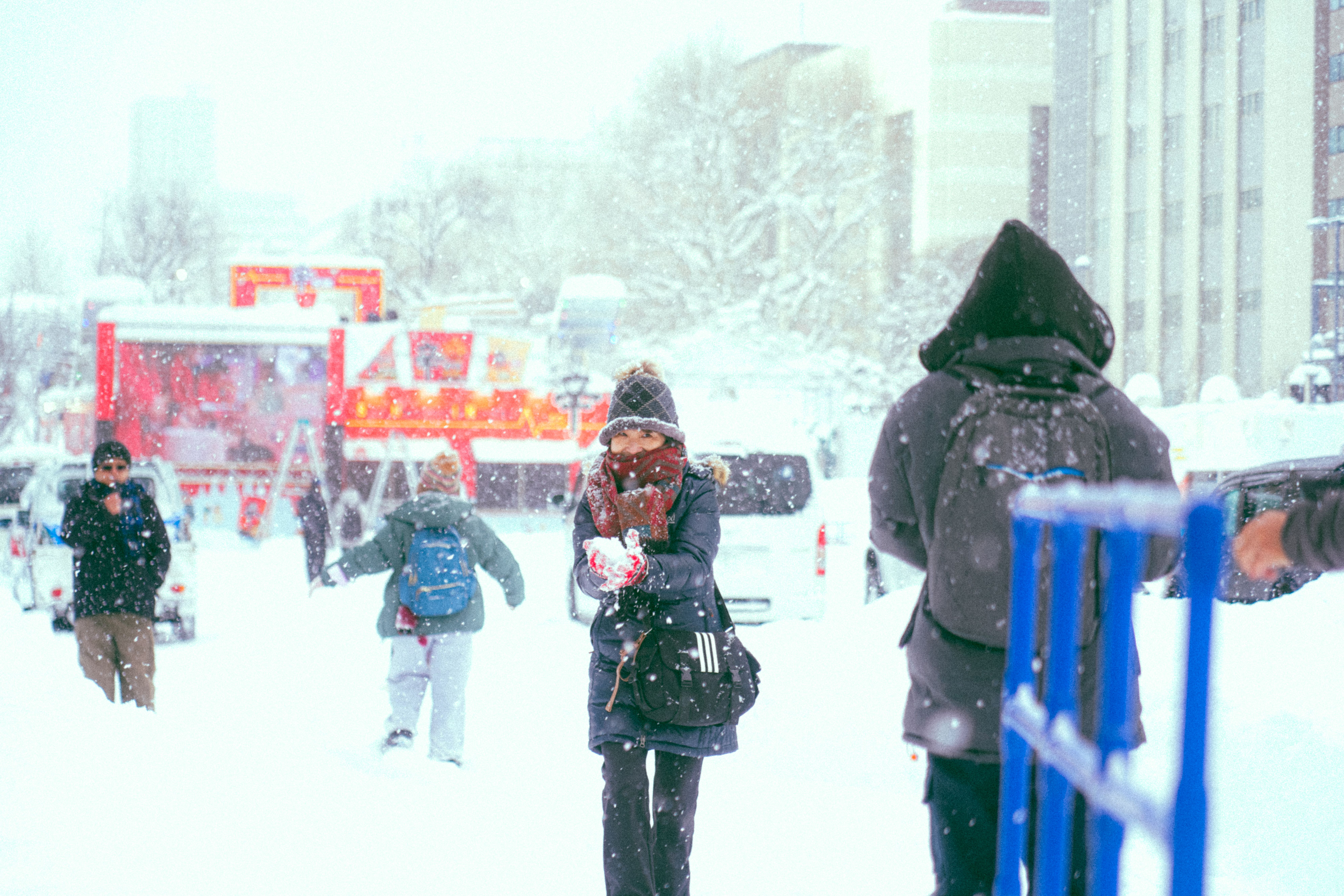
Best for: Nature
Sapporo, Niseko, and Hakodate for snow festivals, skiing, and seafood
From$2,900/person
Explore Hokkaido in Winter →
Best for: Culture
Imperial Tokyo, temple-dense Kyoto, and the Peace Memorial in Hiroshima
Tokyo · Kyoto · Hiroshima · Osaka
From$2,900/person
Explore Japan History & Culture →