Hasedera Temple
ExploreJapanDaily Editorial Team · Last updated: September 22, 2026 · Facts verified: September 22, 2026

- Area
- Hase, Kamakura
- Best For
- Kannon statue, Sea views, Gardens, Hydrangeas (June)
Visiting Hasedera Temple
Hasedera Temple sits on a hillside in the Hase neighborhood of Kamakura, a few minutes' walk from the Great Buddha at Kotoku-in. This is the Kamakura Hasedera, not the older and better-known Hasedera in Sakurai, Nara Prefecture, roughly 400 kilometers away. The two temples share a founding legend but are otherwise separate institutions with separate grounds, separate management, and separate visiting information. This guide covers the Kamakura temple only.
Temple tradition holds that in 721 CE, two eleven-headed Kannon statues were carved from a single sacred camphor tree near Hase in Nara. One was enshrined at Nara's Hasedera. The other was set adrift in the sea with a prayer that it would wash ashore wherever it could help people, and fifteen years later it reportedly landed near Kamakura. Hasedera Temple was founded, by temple tradition, in 736 to house it. That gilded wooden statue is 9.18 meters tall, one of the largest wooden Buddhist statues in Japan, and remains the temple's central object of worship today.
The grounds climb the hillside in tiers. A lower garden with ponds and seasonal plantings sits near the entrance, and stone paths lead up to the main halls and an observation terrace with a wide view over Kamakura's rooftops, Yuigahama Beach, and Sagami Bay. On a clear day it is one of the better sea views available from any temple in Kamakura, and it is worth the climb outside hydrangea season too.
A small, candle-lit cave called Benten-kutsu sits on the grounds and holds carved figures of Benzaiten and her attendants cut into the rock. It is included in general admission and remains open to visitors. Elsewhere on the hillside, rows of small Jizo statues, a recurring feature at Kamakura temples, are traditionally associated with the protection of children, including children who died young or before birth. Visitors often leave small offerings; the area rewards a quiet look rather than a long stop.
Hasedera's hydrangea path, roughly 2,500 plants across about 40 varieties, is the temple's best-known seasonal draw and typically blooms from late May into late June. During peak weeks, the temple has required a separate, timed Hydrangea Path ticket in addition to standard admission, so confirm current requirements before a June visit. Outside that six-week window, the Kannon statue, the cave, the Jizo statues, and the sea view are all unaffected, and the temple remains a legitimate year-round stop rather than a one-season attraction.

Accessibility is mixed. The entrance area and lower garden paths are paved and wheelchair-usable, though uneven in places, and there is an accessible restroom near the main entrance. The main hall, Kannon Museum, and observation terrace are reached only by stairs, with no elevator or step-free alternate route, and Benten-kutsu narrows to a low-ceilinged section partway in that most wheelchairs cannot reach.
Because Hasedera and the Great Buddha sit about five minutes apart on foot near Hase Station, most Kamakura itineraries pair them on the same morning or afternoon. Neither order is clearly better. The walk is short either way, and the more useful variable is time of day, since both sites get busier as the day goes on.
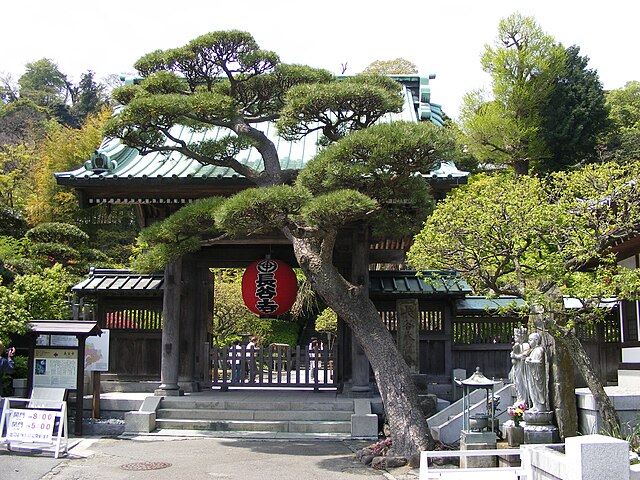
Things to Do at Hasedera Temple
How to Get to Hasedera Temple
Hasedera Temple is located in western Kamakura near the Great Buddha and is easily accessible from Tokyo and Yokohama.
- •Nearest station: Hase Station (Enoden)
- •IC cards (Suica, Pasmo, or ICOCA) are accepted on trains, subways, and buses throughout Japan. Tap in and out at every gate.
- •Avoid traveling during rush hour on weekdays: 7am to 9am and 5pm to 8pm. Trains are significantly more crowded.
- •Google Maps provides accurate real-time transit directions in Kamakura. Download offline maps before you arrive.
Map
Best Time to Visit Hasedera Temple
Best time to visit Hasedera Temple: Early morning in any season to avoid crowds; June for hydrangea season, when a separate timed ticket may apply for the Hydrangea Path. Weekday mornings are generally quieter than weekends and public holidays.
- •Best time to visit: Early morning in any season to avoid crowds; June for hydrangea season, when a separate timed ticket may apply for the Hydrangea Path
- •Arriving on a weekday morning avoids the largest crowds. Weekends and public holidays are significantly busier.
- •Spring (late March to early May) and autumn (October to November) are the most popular seasons for visiting Kamakura.
- •Golden Week (late April to early May) is the busiest week of the year in Japan. Book accommodation and tickets well in advance.
Plum blossoms bloom across the temple grounds, a quieter and less crowded alternative to the spring and early-summer seasons.
Cherry blossoms and other flowers bloom throughout the temple grounds alongside the historic buildings.
Roughly 2,500 hydrangeas across about 40 varieties bloom along the hillside path. During peak weeks, entry to the Hydrangea Path itself has required a separate timed ticket in addition to standard admission; confirm current requirements before visiting.
Autumn foliage adds color to the hillside gardens and the view from the observation terrace over Sagami Bay.
Entry Fee & Hours
| Category | Price (JPY) | Approx. (USD) |
|---|---|---|
| Adult | ¥400 | ~$3 |
| Child (ages 6-11) | ¥200 | ~$1.50 |
| Category | Price (JPY) | Approx. (USD) |
|---|---|---|
| Adult | ¥300 | ~$2 |
| Child | ¥150 | ~$1 |
| Category | Price (JPY) | Approx. (USD) |
|---|---|---|
| All visitors, in addition to grounds admission | ~¥500 | ~$3.50 |
- •The entrance area and lower garden paths are paved and wheelchair-usable, though uneven in places, and an accessible restroom is located near the main entrance. Reaching the main hall, Kannon Museum, and observation terrace requires climbing stairs, and there is no elevator or step-free alternate route. Benten-kutsu cave is accessible only partway in, where the ceiling drops too low for most wheelchairs.
- •The Kannon Museum keeps its own hours, separate from and generally shorter than the main temple grounds; confirm current museum hours if planning to visit late in the day.
- •During peak hydrangea season, roughly late May through late June, Hasedera has required a separate, timed Hydrangea Path ticket (around ¥500) in addition to standard admission, reserved online in advance with limited same-day tickets. This is reported consistently by recent visitors but is not listed on the temple's official English overview page, so confirm current requirements before a June visit.
Nearby Attractions
Combine with Hasedera Temple on the same day

Great Buddha of Kamakura (Kotoku-in)
Yuigahama Beach

Zeniarai Benten Shrine
Goryo Shrine
Distance: Approx. 10 minutes walkHase Station Shopping Street
Distance: Approx. 5 minutes walk
Tsurugaoka Hachimangu Shrine
- •Great Buddha of Kamakura (Kotoku-in) (Approx. 5 minutes walk): Kamakura's 13.35-meter outdoor bronze Buddha at Kotoku-in Temple, Japan's second-tallest bronze Buddha statue, standing in the open air since a tsunami destroyed its hall in the 1400s.
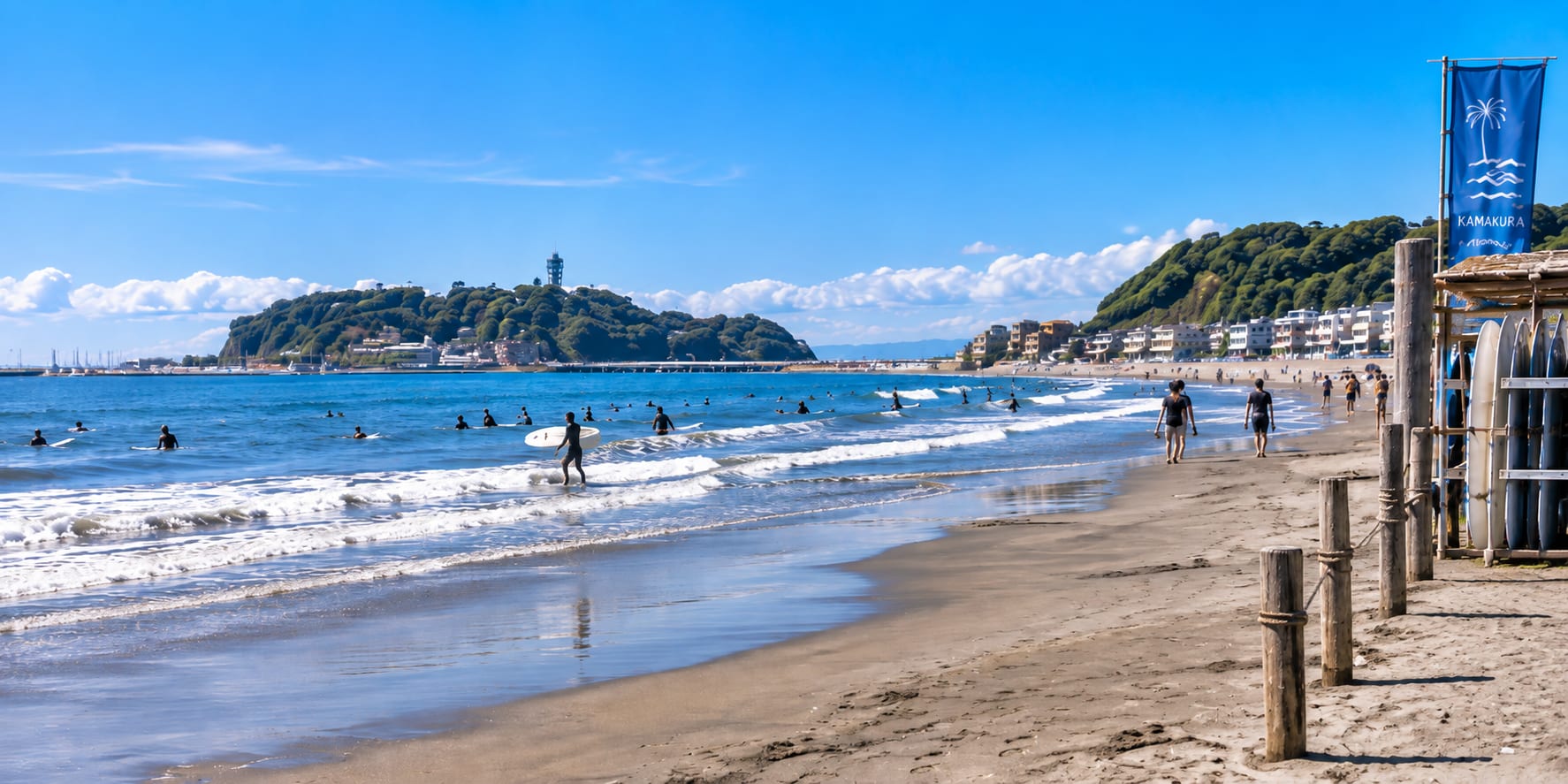
- •Yuigahama Beach (Approx. 5-15 minutes walk): Kamakura's main public beach, a free, year-round stretch of shoreline near Hasedera and the Great Buddha, with a summer swimming season and strong autumn-winter sunset value.
- •Zeniarai Benten Shrine (Approx. 20-25 minutes walk via the Daibutsu Hiking Trail): A cave shrine in western Kamakura where visitors wash coins and bills in a sacred spring, a tradition believed to bring financial fortune, formally named Zeniarai Benzaiten Ugafuku Shrine.
- •Goryo Shrine (Approx. 10 minutes walk): A historic Shinto shrine famous for its seasonal hydrangeas and the Enoden train passing directly beside the shrine entrance.
- •Hase Station Shopping Street (Approx. 5 minutes walk): A charming area filled with local cafés, traditional sweet shops, souvenir stores, and restaurants serving Kamakura specialties.
- •Tsurugaoka Hachimangu Shrine (Approx. 15 minutes by Enoden and walk): Kamakura's most important Shinto shrine, a hilltop complex reached by a long cherry tree lined approach and the historical center of the Kamakura shogunate.
Suggested Itinerary
Pair Hasedera Temple with these nearby stops for a full day in Hase, Kamakura.
Frequently Asked Questions
Planning Your Kamakura Trip?
See the full Kamakura destination guide or browse Japan itineraries that include this city.
See all Temples & Shrines across Japan →Explore all attractions in Kamakura or browse nearby destinations.
Back to Kamakura Guide →