Kodai-ji Temple
ExploreJapanDaily Editorial Team · Last updated: September 28, 2026
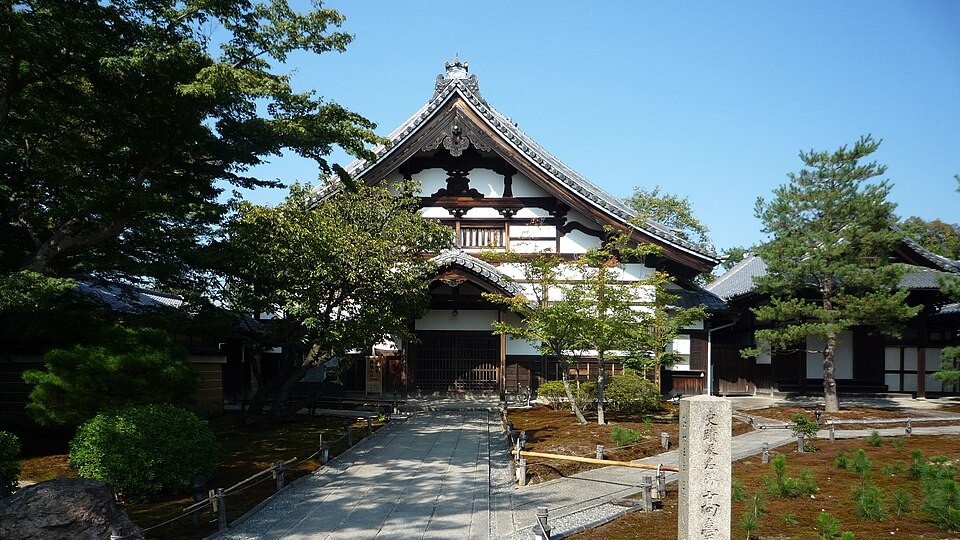
Kodai-ji is the Zen temple in Higashiyama founded in 1606 by Nene, the widow of Toyotomi Hideyoshi, to pray for him. It is known for its pond garden, the gold-lacquered shrine where the couple are enshrined, a short bamboo grove and its evening openings. Entry is ¥800 and the temple is open 9:00 a.m. to 5:30 p.m. (last entry 5:00); in spring and autumn it stays open until 10:00 p.m. at no extra charge.
- Area
- Higashiyama
- Best For
- Gardens, Night Viewings, History, Higashiyama Walk
Visiting Kodai-ji Temple
Kodai-ji stands on the lower slopes of the Higashiyama hills, above the lane called Nene-no-michi between Yasaka Shrine and Sannenzaka. Hideyoshi's widow, known as Kita-no-Mandokoro or Nene, founded it in 1606 to pray for her husband, and it took the name Kodai-ji in 1624. Tokugawa Ieyasu helped pay for the building, and the temple belongs to the Kennin-ji school of Rinzai Zen.
The visit follows one circuit through the garden. The ponds spreading east and west of the Founder's Hall (Kaisando) are traditionally attributed to the garden designer Kobori Enshu. Above them is the Otamaya, where Hideyoshi and Nene are enshrined and Nene is buried beneath her statue; its altar and shrine are decorated in the gold lacquer known as Kodai-ji maki-e. Higher up are two tea houses, Kasa-tei and Shigure-tei, and the path then drops through a bamboo grove to the exit. The Founder's Hall, the Otamaya, both tea houses, the front gate and the moon-viewing platform are Important Cultural Properties.
The temple also runs a small museum of Nene's belongings, the Sho Museum, nearby on the second floor of the Kyo-Rakuichi Nene building, and has a hall where an android Kannon, Mindar, delivers the Heart Sutra. Entoku-in, a sub-temple on the lane below, shares a combined ticket.
The garden circuit, in order
Short answer
One path leads past the Founder's Hall and its ponds, up to the Otamaya, past the two tea houses and down through the bamboo grove to the exit.
Start
Founder's Hall and the ponds
The pond garden attributed to Kobori Enshu spreads either side of the Kaisando.
Up the hill
The Otamaya
Hideyoshi and Nene are enshrined here, among gold Kodai-ji maki-e lacquer.
Higher on the hill
Kasa-tei and Shigure-tei
Two tea houses, both Important Cultural Properties.
On the way down
The bamboo grove
A short walk between tall bamboo to the exit.
Day and night openings
Short answer
The temple is open 9:00 a.m. to 5:30 p.m. every day; in spring and autumn it reopens as a night viewing at the same price.
- Every day
- 9:00 a.m. to 5:30 p.m.; last entry 5:00 p.m.
- Spring night viewing
- 2026: March 13 to May 6, until 10:00 p.m., same ticket.
- Summer evenings
- 2026: July 11 to August 23, 6:00 to 10:00 p.m., separate ¥1,500 ticket.
- Autumn night viewing
- 2026: October 23 to December 13, until 10:00 p.m., same ticket.
Fitting Kodai-ji into a Higashiyama day
Short answer
Kodai-ji sits in the middle of the walk from Kiyomizu-dera to Gion, so it rarely needs a trip of its own.
South on foot
Sannenzaka and Kiyomizu-dera
Walk up to Kiyomizu-dera first, then come down Sannenzaka and Ninenzaka to Kodai-ji.
On the lane below
Entoku-in
A Kodai-ji sub-temple; the combined ticket for both is ¥1,200.
Better on another day
Arashiyama
On the far side of the city; give it its own day.
Things to do at Kodai-ji
How to Get to Kodai-ji Temple
Kodai-ji is on the hillside east of Higashiyama-dori, reached from the lane Nene-no-michi. Most people walk in as part of the Higashiyama route; there is no station beside it.
- •Higashiyama Yasui bus stop is on routes 206 (from Kyoto Station) and 207 (from Gion-Shijo and Kawaramachi).
- •The garden path climbs the hillside, with slopes and steps.
Map
Best Time to Visit Kodai-ji Temple
Best time to visit Kodai-ji Temple: a weekday morning, or an evening during the spring or autumn night viewing. Weekday mornings are generally quieter than weekends and public holidays.
- •The temple opens at 9:00 a.m. and takes its last visitors at 5:00 p.m. Weekday mornings are the quietest.
- •Spring and autumn night viewings keep it open until 10:00 p.m. at the day price; autumn is the busiest.
- •In summer the Higashiyama Kangetsu-ji evenings use a separate entrance and a ¥1,500 ticket (2026: July 11 to August 23).
Night viewing until 10:00 p.m. at the day price (2026: March 13 to May 6).
Evening event with its own entrance and a ¥1,500 ticket (2026: July 11 to August 23).
Night viewing until 10:00 p.m. at the day price (2026: October 23 to December 13).
Entry Fee & Hours
| Category | Price (JPY) | Approx. (USD) |
|---|---|---|
| Adult | ¥800 | ~$5.3 |
| Junior and senior high school student | ¥400 | ~$2.7 |
| Elementary school age and under, with an adult | Free | Free |
| Category | Price (JPY) | Approx. (USD) |
|---|---|---|
| Kodai-ji and Entoku-in | ¥1,200 | ~$8 |
- •The same ticket covers the spring and autumn night viewings; it is not re-admission, so once you leave you cannot come back in. The summer evening event is separately ticketed (¥1,500 in 2026, free for 12 and under) through the Daidokoro-zaka entrance.
- •Visitors with a disability certificate and one companion enter free. The garden path has steps and slopes.
Nearby Attractions
Places on the same Higashiyama walk
Yasaka Shrine

Sannenzaka and Ninenzaka

Gion District

Kiyomizu-dera Temple
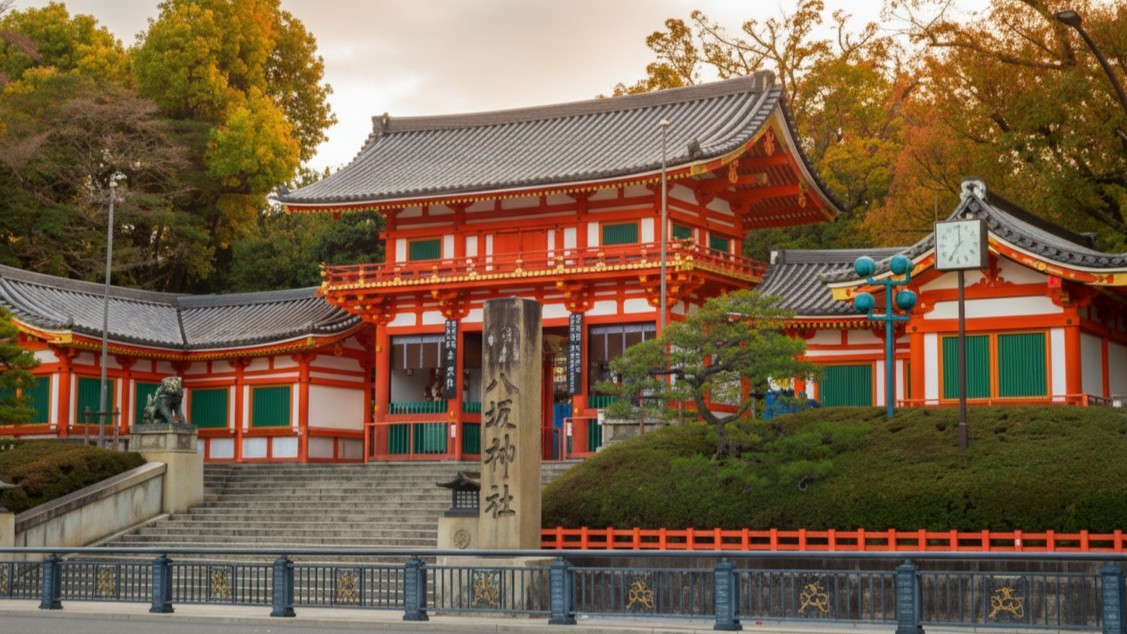
- •Yasaka Shrine (North along Nene-no-michi and through Maruyama Park): Yasaka Shrine (Yasaka Jinja) enshrines Susanoo-no-mikoto and traces its origins to 656 or 876, depending on the account. Its main hall, with the worship hall under the same roof, was designated a National Treasure in 2020, and the shrine runs the Gion Matsuri, held through July for more than 1,150 years.
- •Sannenzaka and Ninenzaka (South, down the stone lanes toward Kiyomizu-dera): Sannenzaka and Ninenzaka are stone-stepped lanes below Kiyomizu-dera in Kyoto's Higashiyama district, lined with late-Edo to Taisho-era townhouses. They lie in the Sanneizaka preservation district, designated for its historic townscape in 1976.
- •Gion District (West, past Yasaka Shrine): Gion is the historic geiko district of Kyoto, east of the Kamo River around Hanamikoji-dori and the Shirakawa canal, next to Yasaka Shrine. Its streets of wooden teahouses are free to walk, while the private lanes off Hanamikoji are signposted no entry for sightseers.
- •Kiyomizu-dera Temple (Uphill at the top of Sannenzaka): Kiyomizu-dera is a Buddhist temple on the slopes of Mt. Otowa in eastern Kyoto, founded in 778. Its Main Hall stands on a wooden stage held up by 18 zelkova pillars, with a view across the city. The temple is a UNESCO World Heritage site.
Two ways to fit Kodai-ji in
Both start from the Higashiyama Yasui bus stop or Gion-Shijo.
Higashiyama morning
Kodai-ji in the middle of the downhill walk.
Morning
Kiyomizu-dera, then down Sannenzaka and Ninenzaka.
Late morning
Kodai-ji's garden circuit, about an hour.
Lunch
Yasaka Shrine and Gion.
Autumn evening
During the night viewing (2026: October 23 to December 13).
Late afternoon
Enter before 5:00 p.m. and see the garden in daylight.
From 5:00 p.m.
Stay as the lights come on; the same ticket covers the evening.
Dinner
Walk down to Gion.
Frequently Asked Questions
Planning Your Kyoto Trip?
See the full Kyoto destination guide or browse Japan itineraries that include this city.
See all Temples & Shrines across Japan →Explore all attractions in Kyoto or browse nearby destinations.
Back to Kyoto Guide →