Kyoto Railway Museum
ExploreJapanDaily Editorial Team · Last updated: September 28, 2026
The Kyoto Railway Museum, beside Umekoji Park west of Kyoto Station, holds 54 trains, from steam locomotives to the 500-series Shinkansen, and a roundhouse of steam engines that still run. Adults pay ¥1,500; it is open 10:00 a.m. to 5:00 p.m. (last entry 4:30 p.m.) and closed on Wednesdays except public and school holidays. The museum reckons on about two hours.
- Area
- Umekoji / Kyoto Station
- Best For
- Families, Rail History, Rainy Days, Children
Visiting Kyoto Railway Museum
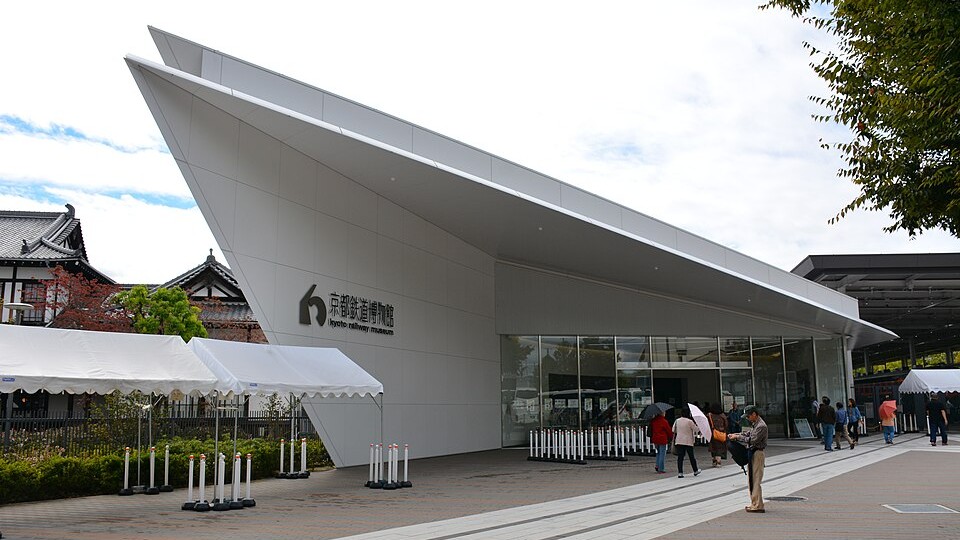
The museum opened on April 29, 2016, on the site of the former Umekoji Steam Locomotive Museum, a short way west of Kyoto Station. Its collection of 54 trains runs from steam locomotives to the Shinkansen, and the displays are built around seeing, touching and trying things rather than reading panels.
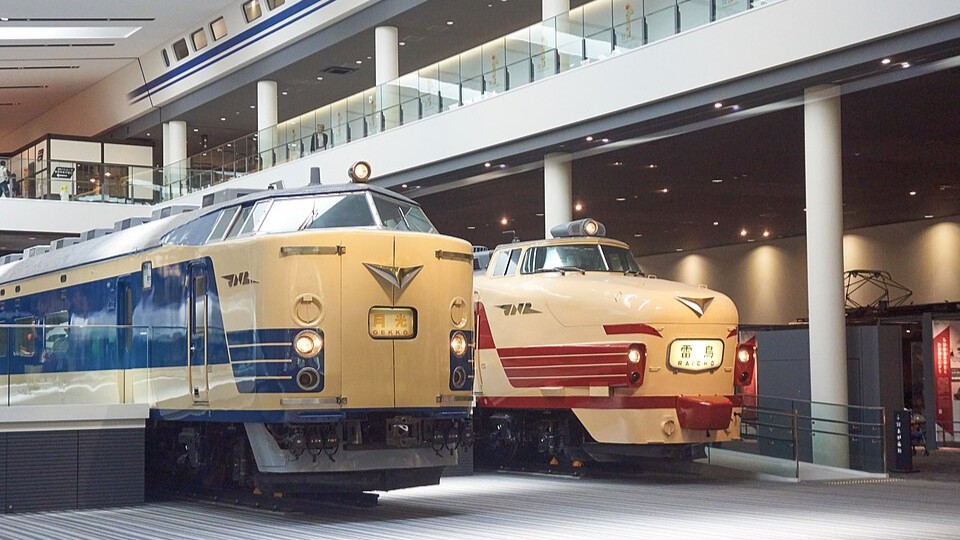
The main hall is a tall, open space holding the 500-series Shinkansen, a 581-series sleeper train and a bonnet-nosed 489-series express. The driving simulators and a model railway about 30 meters wide are on its second floor. Outside, the Promenade, under a reused iron truss roof, holds postwar electric locomotives, sleeping cars and the Twilight Express, the sleeper train retired in spring 2015.
Beyond it, the roundhouse is Japan's oldest surviving reinforced-concrete engine shed. It houses 20 steam locomotives, 8 of them kept in working order, and one of them hauls the SL Steam, a 1-kilometer round trip in a retro-style carriage. After the last run of the day, the locomotive is turned on the turntable at the center of the roundhouse.
Most of the museum is indoors, so it works in rain, and the third-floor Sky Terrace looks straight over the JR Kyoto Line and the Tokaido Shinkansen. Strollers and wheelchairs are lent free at the entrance.
Book and time your visit
Short answer
Buy simulator tickets ahead, arrive at 10:00 a.m., and check the Wednesday closures.
- Closed
- Wednesdays, unless a public or school holiday; December 30 to January 1.
- Simulators
- ¥100; Asoview from 8:00 p.m. the day before, or Seven Ticket from a month before.
- SL Steam
- ¥300 (children ¥100); machines at the SL platform from opening.
- Model railway
- Shows of about 15 minutes; times at its entrance.
- Last entry
- 4:30 p.m.; the museum closes at 5:00 p.m.
A visit, in order
Short answer
Main hall first, then the Promenade and the roundhouse outside.
Start here
Main hall
The 500-series Shinkansen, the 581-series sleeper and the 489-series express.
Second floor
Simulators and model railway
Your booked simulator slot, and a 15-minute model-railway show.
Third floor
Sky Terrace
The JR Kyoto Line and the Tokaido Shinkansen right in front.
Outside
Promenade
Electric locomotives, sleeping cars and the Twilight Express.
Outside
Roundhouse and SL Steam
20 steam locomotives, and the ride behind one of them.
Fitting the museum into a day
Short answer
The museum fills a morning; Kyoto Station is one stop away.
Same park
Kyoto Aquarium
In Umekoji Park, separately ticketed; the other half of a family day.
Inside the Kyoto Railway Museum
How to Get to Kyoto Railway Museum
The museum is at the west end of Umekoji Park, west of Kyoto Station. It has no car park.
- •JR Sagano Line one stop to Umekoji-Kyotonishi, then 2 minutes on foot.
- •Closed on Wednesdays except public and school holidays: check the museum calendar first.
Map
Best Time to Visit Kyoto Railway Museum
Best time to visit Kyoto Railway Museum: a weekday, arriving at the 10:00 a.m. opening. Weekday mornings are generally quieter than weekends and public holidays.
- •The museum opens at 10:00 a.m., when SL Steam tickets go on sale; simulator tickets must already be booked.
- •It is closed on Wednesdays except public and school holidays, and from December 30 to January 1.
- •Most of the museum is indoors, so it works in rain.
Entry Fee & Hours
| Category | Price (JPY) | Approx. (USD) |
|---|---|---|
| Adult | ¥1,500 | ~$10 |
| University and high school student | ¥1,300 | ~$8.7 |
| Elementary and junior high school student | ¥500 | ~$3.3 |
| Child (3 and over) | ¥200 | ~$1.3 |
| Category | Price (JPY) | Approx. (USD) |
|---|---|---|
| Adult, university and high school student | ¥300 | ~$2 |
| Junior high school student and younger (3 and over) | ¥100 | ~$0.7 |
Students show ID. Disability certificate holders and one companion pay half (¥750 for adults).
- •Coin lockers are in the entrance hall and on the main hall's ground floor (¥200 to ¥500). There is no ATM in the museum.
- •Advance admission tickets are sold at 7-Eleven (Seven Ticket) and through Asoview.
Nearby Attractions
Places to pair with the Kyoto Railway Museum
Kyoto Tower

Fushimi Inari Taisha

Arashiyama Bamboo Grove
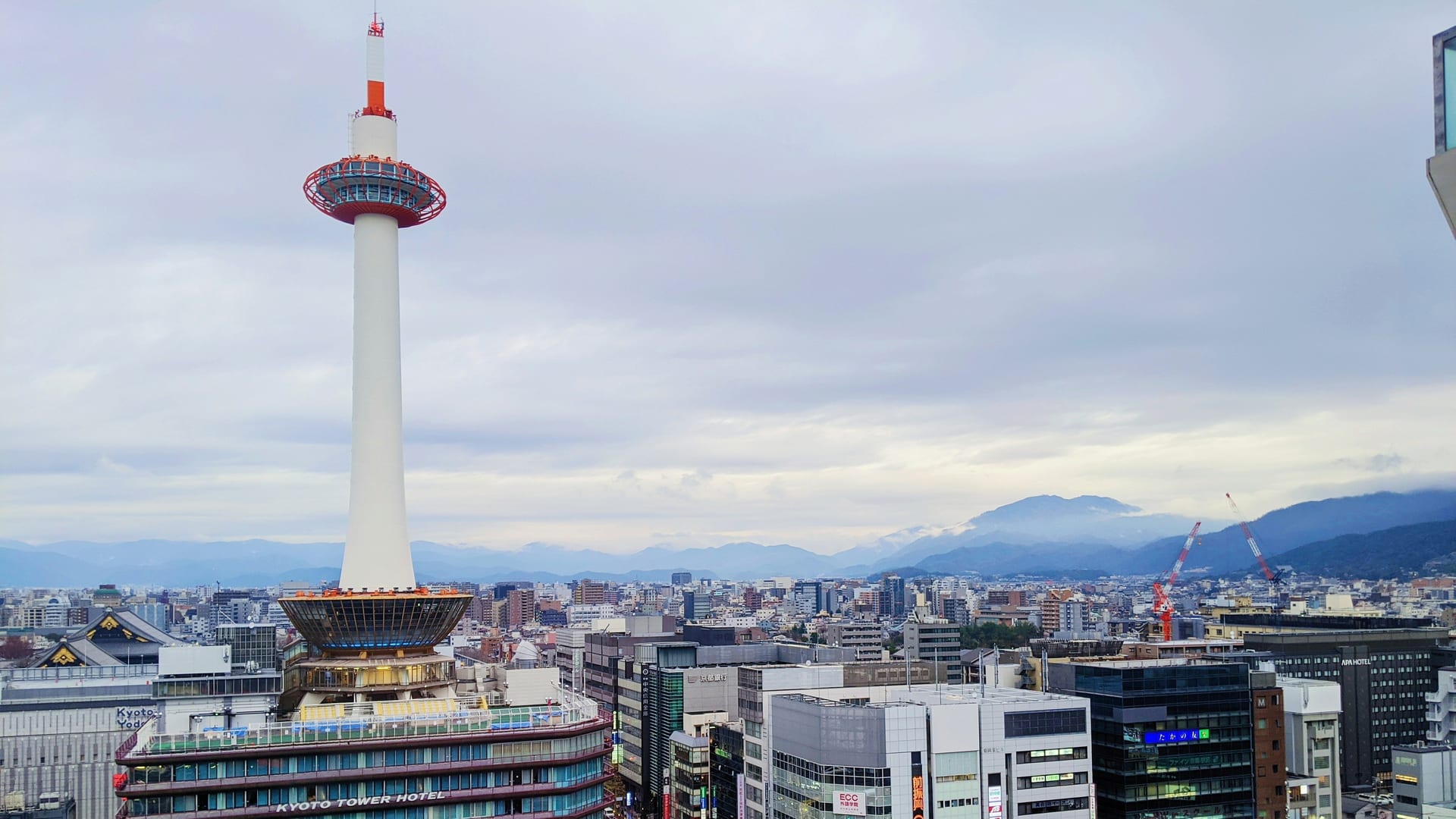
- •Kyoto Tower (One stop on the JR Sagano Line, or 20 minutes on foot): Kyoto Tower is the 131-meter tower opposite Kyoto Station, with an observation deck 100 meters up that looks across the whole city basin, and a food hall, souvenir shops and workshops in the building below.
- •Fushimi Inari Taisha (Back to Kyoto Station, then two stops on the JR Nara Line): Fushimi Inari Taisha is the head shrine of Japan's Inari shrines, with about 10,000 vermilion torii along the paths up Mount Inari in southern Kyoto. Entry is free, the grounds are always open, and you choose how far to climb.
- •Arashiyama Bamboo Grove (Further out on the same JR Sagano Line): The Arashiyama Bamboo Grove is a short public path through tall bamboo in the Sagano area of western Kyoto, free to walk and with no gate. Most visitors combine it with Tenryu-ji's garden, Okochi Sanso and Nonomiya Shrine, which sit along it.
Two ways to fit the museum in
Both start from Kyoto Station, and neither works on a Wednesday outside school holidays.
Family morning
Book the simulators the evening before.
10:00 a.m.
Arrive at opening; buy SL Steam tickets at the platform machines.
Late morning
Main hall and your simulator slot, then the SL Steam.
Lunch
A packed lunch in the courtyard or the museum restaurant, then the Kyoto Aquarium in the same park.
Rail fan day
Four to five hours.
10:00 a.m.
Main hall, then the Promenade.
Midday
A model-railway show and the Sky Terrace.
Afternoon
The roundhouse; stay after the last SL Steam run to see the locomotive turned on the turntable.
Frequently Asked Questions
References
Planning Your Kyoto Trip?
See the full Kyoto destination guide or browse Japan itineraries that include this city.
See all Museums across Japan →Explore all attractions in Kyoto or browse nearby destinations.
Back to Kyoto Guide →