
Matsumoto at a Glance
- region
- Chubu (Nagano Prefecture)
- best For
- National Treasure castle, Edo-period old town, Yayoi Kusama museum, gateway to the Japan Alps and Kamikochi
- best Time
- Early to mid-April for cherry blossom season around the castle, or autumn for foliage across the surrounding highlands
- suggested Stay
- 1-2 days
- main Station
- Matsumoto Station (Limited Express Azusa and Shinano terminus, and Town Sneaker/Alpico Kotsu bus hub)
- nearby Destinations
- Takayama, Kanazawa
Visiting Matsumoto: Nagano's Castle Town and Japan Alps Gateway
This Matsumoto travel guide covers a city of roughly 236,000 people in the Matsumoto Basin of central Nagano Prefecture, hemmed in by the snow-capped Northern Japan Alps. Matsumoto pairs one of Japan's few original National Treasure castle keeps with a well-preserved Edo-period old town, the birthplace and a major museum collection of the artist Yayoi Kusama, and a practical role as the gateway to the Northern Japan Alps and Kamikochi. It sits roughly 60-75km, about 50 minutes by the Shinano limited express, from Nagano city, the prefectural capital, a distinction worth knowing since travelers commonly search "Nagano" without realizing the two are separate cities with different identities. Matsumoto developed as a castle town from the late 16th century, with the current keep's core construction generally dated to the 1590s under the Ishikawa clan. The castle passed through a series of daimyo families across the Edo period, survived a period of demolition risk after the 1868 Meiji Restoration thanks to a local preservation campaign, and holds National Treasure status today. The modern city was established as a town in 1889, raised to city status in 1907, and became a core city in 2021. The castle's full construction history and visitor detail live on the dedicated Matsumoto Castle guide; this page focuses on how the castle fits into the wider city. Matsumoto sits in the Matsumoto Basin, an alluvial plain averaging roughly 600 meters elevation, hemmed in by the Northern Japan Alps (the Hida Mountains, including Mount Hotaka at 3,190 meters) to the west and the Chikuma Mountains and Utsukushigahara Plateau to the east. The inland, elevated setting gives the city a drier climate with more sunshine than coastal Japan, cold winters with meaningful snowfall, though milder than Takayama's or Shirakawa-go's heavier mountain snow, and summers cooler than lowland cities like Tokyo or Nagoya. Most visitors reach Matsumoto directly from Tokyo on the JR Limited Express Azusa, about 2 hours 30 minutes from Shinjuku with no transfer, a shorter and simpler trip than the journey to Takayama or Shirakawa-go. That direct access, combined with the castle, the old town, and the Kusama museum, makes Matsumoto workable as a full day trip from Tokyo or as a one to two night stop on a wider Japan Alps itinerary, especially for travelers continuing on to Takayama, Kanazawa, or Kamikochi.
•9 min read
Top Attractions in Matsumoto
The must-see sights, ranked by traveler impact
View all Matsumoto attractions →
Marunouchi, Matsumoto, Nagano Prefecture
Matsumoto Castle
- Entry
- Adult ¥1,300
- Best time
- Weekday mornings
- Time needed
- 30 to 60 minutes

Chuo, Matsumoto, Nagano Prefecture
Matsumoto City Museum of Art
- Entry
- Adult ¥800 at the counter / ¥700 online
- Best time
- General Japan museum-visiting guidance favors weekday mornings
- Time needed
- 45 minutes to an hour

Matsumoto, Nagano Prefecture
Former Kaichi School
- Entry
- Window ticket: general
- Best time
- No attraction-specific timing data was found
- Time needed
- 30 minutes to an hour

Metoba riverside, castle side, Matsumoto, Nagano Prefecture
Nawate Street
- Entry
- Free. Nawate Street is a public pedestrian street with no admission fee and no ticket of any kind
- Best time
- Weekday mornings
- Time needed
- Well under 30 minutes

Metoba riverside, south bank, Matsumoto, Nagano Prefecture
Nakamachi Street, Matsumoto
- Entry
- Free. Nakamachi Street is a public street with no admission fee. Individual attractions within the district
- Best time
- Weekday mornings
- Time needed
- Well under 30 minutes

3640 Hotaka, Azumino City, Nagano Prefecture
Daio Wasabi Farm
- Entry
- Free to enter the grounds. An optional seasonal Clear Boat ride costs approximately ¥1,000-1,800 depending on the course
- Best time
- Spring
- Time needed
- 1 to 2 hours
Why Visit Matsumoto?
Quick Answer
Matsumoto pairs one of Japan's few original National Treasure castle keeps with a well-preserved Edo-period old town, the Yayoi Kusama connection, and a role as the practical gateway to the Northern Japan Alps and Kamikochi, distinct from a generic "castle town" framing.
Matsumoto is worth visiting because it pairs one of Japan's few original National Treasure castle keeps with a well-preserved Edo-period old town, the birthplace and a major museum collection of the artist Yayoi Kusama, and a practical role as the gateway to the Northern Japan Alps and Kamikochi, a combination distinct from a generic "castle town" framing.
Nakamachi Street is the city's preserved Edo-period merchant quarter, a row of kura storehouse buildings with distinctive white namako-kabe walls, rebuilt after an 1888 fire and now home to craft shops, galleries, and restaurants. It sits directly across the Metoba River from Nawate Street, a car-free riverside strip of small eateries and frog-themed souvenir stalls tied to its mascot, with Yohashira Shrine at one end. The two streets are a short walk apart and easy to combine into one unhurried afternoon.
Matsumoto is the birthplace of the artist Yayoi Kusama, and the Matsumoto City Museum of Art holds a major permanent collection of her work alongside changing exhibitions, giving the city a contemporary art draw distinct from its historic core. Former Kaichi School, a preserved Meiji-era school building with distinctive Western-influenced architecture, is a further, lighter reminder of the city's role in Japan's early push toward modern public education.
Matsumoto's food culture is built around Shinshu soba, buckwheat noodles shaped by Nagano's highland growing conditions and soft mountain water, and basashi, raw horse meat also called sakuraniku, typically served as sashimi with soy sauce, wasabi, ginger, and green onion. Wasabi from the nearby Azumino area, grown in mountain water held near a constant 13°C year-round, shows up throughout the region's food, alongside oyaki filled dumplings, miso ramen, and local craft beer, including the Matsumoto Brewery.
Shopping centers on Nakamachi's craft shops and galleries and Nawate's small eateries and frog-themed souvenir stalls. Nightlife is modest, consistent with a mid-sized regional city, with small concentrations of restaurants and bars near the station and downtown rather than a dedicated nightlife district.
Matsumoto's role as a practical Japan Alps gateway is part of what sets it apart from a typical castle town. Kamikochi, a Japan Alps highland resort area reached from Matsumoto by seasonal direct bus or by train plus bus via Shin-Shimashima, is a genuine, verifiable extension for travelers with an extra day to spare, though it deserves its own dedicated planning beyond what fits here.
Matsumoto vs. Nagano City
Matsumoto is commonly confused with Nagano city, the prefectural capital, since both share the "Nagano" name in casual search. They are two distinct cities about 50 minutes apart by the Shinano limited express, each with a different identity.
| Feature | Matsumoto | Nagano City |
|---|---|---|
| Identity | Castle town and Japan Alps gateway | Prefectural capital |
| Main draw | Matsumoto Castle, old town, Yayoi Kusama museum | Zenko-ji Temple |
| Access from Tokyo | Limited Express Azusa, about 2 hours 30 minutes, no shinkansen option | Hokuriku Shinkansen, under 2 hours |
| Best for | Castle, old town, and Alps or Kamikochi access | A direct shinkansen day trip and Zenko-ji |
Travelers with more time are generally better served visiting Matsumoto for the castle and Alps-gateway role, while those on a tight one-day Tokyo trip built around a direct shinkansen connection may prefer Nagano city instead.
Matsumoto vs. Takayama
Matsumoto and Takayama are frequently compared as Japan Alps gateway cities, but they are complementary rather than substitutes. Matsumoto offers the castle and easier direct access from Tokyo, while Takayama offers a larger, more festival-driven old town.
| Feature | Matsumoto | Takayama |
|---|---|---|
| Access | Direct Azusa limited express from Tokyo, no transfer | No direct train from Tokyo; reached via Nagoya or a highway bus |
| Main draw | National Treasure castle and the Yayoi Kusama museum | Sanmachi Suji old town and the Takayama Festival |
| Old town character | Nakamachi and Nawate streets, smaller scale | Sanmachi Suji, a larger preserved merchant quarter |
There is no direct train between the two cities; the practical connection is the Alpico Kotsu highway bus, about 2 hours 33 minutes. Travelers with enough time on a Japan Alps itinerary are often better served visiting both rather than choosing one over the other.
How to Get to Matsumoto
Quick Answer
The fastest route from Tokyo is the Limited Express Azusa direct from Shinjuku (about 2 hours 30 minutes, roughly hourly, no transfer); the Shinano limited express reaches Matsumoto directly from Nagoya (about 2 hours). No direct train exists from Takayama or Kanazawa.
Matsumoto is reached directly from Tokyo, Nagoya, Kyoto, and Osaka by JR limited express train, and by highway bus from Takayama and Kanazawa, since no direct train connects either of those two cities to Matsumoto.
Shinshu Matsumoto Airport (MMJ)
- Travel time
- About 30 minutes to central Matsumoto by airport shuttle or taxi
- Distance
- Within the city, a short distance from central Matsumoto
- Best for
- Domestic connections from Sapporo, Fukuoka, and Kobe; most international visitors instead arrive via Tokyo and continue by train
Getting to Matsumoto from Tokyo
Getting to Matsumoto from Nagoya
Getting to Matsumoto from Kyoto or Osaka
Getting to Matsumoto from Takayama
Getting to Matsumoto from Kanazawa
Arriving at Matsumoto Station
Matsumoto Station is the terminus of the Azusa and Shinano limited express trains and the hub for the Town Sneaker loop bus and Alpico Kotsu's local and highway-bus routes. Most core sights sit within about a 15-20 minute walk. From here, you can easily reach:
- •Matsumoto Castle and the Castle/Downtown area (on foot or by Town Sneaker)
- •Nakamachi Street and Nawate Street (on foot)
- •Matsumoto City Museum of Art and Former Kaichi School (by Town Sneaker or on foot)
- •Asama Onsen (by local bus)
- •Takayama, Kanazawa, and Kamikochi (by Alpico Kotsu highway or seasonal bus)
Recommended
For most visitors coming from Tokyo, the Azusa limited express is the fastest and simplest way in, with no transfer required. Travelers already routing through Nagoya, Kyoto, Osaka, or Kanazawa are usually better served by the direct Shinano train or Shinkansen-plus-Shinano connection, and those coming from Takayama should plan around the Alpico highway bus, since no direct train exists.
Best Time to Visit Matsumoto
Quick Answer
Early to mid-April brings the cherry blossom season around the castle, framed against the snow-capped Northern Japan Alps; summer favors Kamikochi and Alps access, autumn brings foliage, and winter is milder than Takayama with onsen bathing at Asama Onsen.
The best time to visit Matsumoto is spring, in the early to mid-April window when cherry blossoms bloom around the castle and moat against the backdrop of the snow-capped Northern Japan Alps. Matsumoto's inland basin location gives it a drier climate than coastal Japan, with cold winters and summers milder than lowland cities like Tokyo or Nagoya.
Spring: Cherry Blossoms Against the Alps
Roughly 300 cherry trees, mostly Someiyoshino, Kohigan, Yae, and weeping varieties, bloom around Matsumoto Castle and its moat in the early to mid-April window, with the snow-capped Northern Japan Alps as a backdrop. A blossom-viewing festival runs for roughly eight days beginning three days after first bloom, with free Honmaru Garden admission and evening illumination during the event. Exact dates are announced annually once a bloom forecast is available, so check current dates before planning a trip around the festival specifically.
Summer: The Kamikochi and Alps Gateway Season
Summer is the season Matsumoto works hardest as a gateway, with warmer, drier weather opening up hiking access to Kamikochi and the wider Northern Japan Alps. The city itself is noticeably cooler than lowland Tokyo or Nagoya, though still warmer and more humid than the high-altitude trails beyond it.
Autumn: Foliage Across the Surrounding Highlands
Autumn brings foliage across the highlands surrounding Matsumoto, including the Utsukushigahara Plateau and Norikura Highlands, paired with comfortable temperatures for walking the old town and castle grounds.
Winter: Milder Than Takayama, With Onsen Bathing
Winter brings cold temperatures and snow, though generally milder than Takayama's or Shirakawa-go's heavier mountain snowfall. Asama Onsen, a hot spring district a short trip from the center, makes winter a reasonable season for a quieter visit centered on hot-spring bathing rather than outdoor sightseeing.
When Should First-Time Visitors Go?
For most first-time visitors, early to mid-April offers the strongest combination of cherry blossoms and the castle's Alps backdrop, though it also draws the year's biggest crowds and tightest accommodation. Travelers prioritizing Kamikochi or wider Alps access should aim for summer, and those wanting a quieter visit with onsen bathing may prefer winter.
Where to Stay in Matsumoto
Quick Answer
The Castle/Downtown area is the most-recommended base for walking access to the castle and both old-town streets; the Station area suits early departures toward Kamikochi or onward travel, and Asama Onsen suits travelers prioritizing a hot-spring stay.
The best areas to stay in Matsumoto are the Castle/Downtown area, the Station area, and Asama Onsen, each suiting a different travel style. Matsumoto's compact core means the first two sit within about a 15-20 minute walk of each other, while Asama Onsen is a short trip from the center.
Castle/Downtown Area: Best for Walking Access
The area immediately around Matsumoto Castle is the city's civic and historic core, and the most-recommended base for first-time visitors, putting the castle, Nakamachi Street, and Nawate Street all within easy walking distance.
Best For: First-time visitors, travelers prioritizing walkability, easy access to the castle and both old-town streets
Station Area: Best for Convenience
Matsumoto Station is the arrival point for the Azusa and Shinano limited express trains and the hub for the Town Sneaker loop bus and Alpico Kotsu highway buses. This area suits travelers prioritizing transit convenience, especially those planning an early departure toward Kamikochi or onward travel.
Best For: Convenience-focused travelers, early Kamikochi departures, onward travel connections
Asama Onsen: Best for a Hot-Spring Stay
A genuinely less-touristed hot spring district a short trip from the city center, historically reserved for nobility, Asama Onsen suits travelers prioritizing a hot-spring stay over downtown walkability.
Best For: Travelers prioritizing a hot-spring stay, quieter evenings away from the downtown core
Which Area Should First-Time Visitors Choose?
For most first-time visitors, the Castle/Downtown area is the best base, putting the castle and both old-town streets within easy walking distance. Travelers prioritizing transit convenience, especially those planning an early Kamikochi departure, often prefer the station area instead.
Nearby Destinations
Easy day trips or next stops from Matsumoto

Hakone
Mt Fuji views • Onsen • Relaxation • Couples • Art
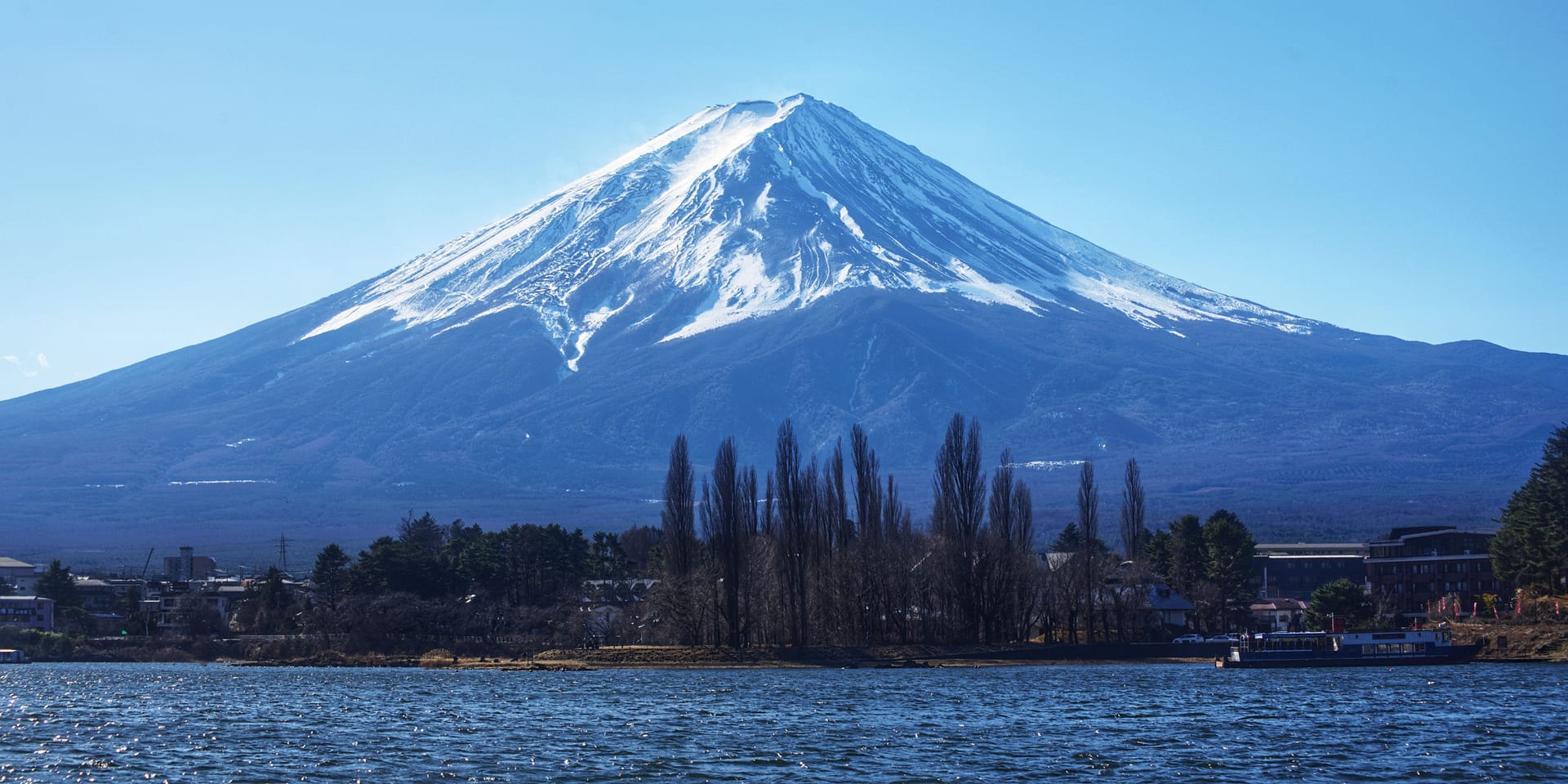
Mount Fuji
Mount Fuji views • Lake scenery • Shrines and pilgrimage history • Photography

Nagoya
Nagoya Castle and Hommaru Palace • Atsuta Jingu and the Kusanagi sword tradition • Hitsumabushi and miso katsu • Toyota and railway industrial heritage • A convenient Shinkansen stopover between Tokyo and Kyoto/Osaka
- •Hakone: Mt Fuji views, Onsen, Relaxation, Couples, Art
- •Mount Fuji: Mount Fuji views, Lake scenery, Shrines and pilgrimage history, Photography
- •Nagoya: Nagoya Castle and Hommaru Palace, Atsuta Jingu and the Kusanagi sword tradition, Hitsumabushi and miso katsu, Toyota and railway industrial heritage, A convenient Shinkansen stopover between Tokyo and Kyoto/Osaka
Frequently Asked Questions
Free Itinerary Builder
Build Your Own Matsumoto Itinerary
Choose Matsumoto attractions, organize them by day, and see opening hours, admission fees and your trip pace in one place.
Plan This Trip
Guides and tools for the parts of a Matsumoto trip that take the most planning
Ready to Experience Matsumoto?
Browse curated Japan itineraries, or build your own with our free planning tools.
Next: Explore all attractions in Matsumoto or browse nearby destinations.
Back to All Destinations →