Higashiyama Zoo and Botanical Gardens
By Andrew Liyan · Last updated: September 1, 2026 · Facts verified: September 1, 2026

- Area
- Higashiyama / Eastern Nagoya
- Best For
- Families, Nature, Photography
Visiting Higashiyama Zoo and Botanical Gardens
Higashiyama Zoo and Botanical Gardens opened in 1937 in Chikusa-ku, eastern Nagoya, and has grown into one of the largest combined zoo and botanical garden complexes in Japan. It holds the most animal species of any zoo in the country, roughly 450 to 469 depending on the count date, alongside a botanical collection of around 7,000 plant species, all spread across a genuinely large 60-hectare site under one municipal operator and one entrance system. The scale here is the attraction's core differentiator: this is not a quick city-zoo stop, and planning around that scale honestly is the most useful thing this guide can do.
Most competitor coverage defaults to family framing alone, but that undersells half of who actually gets real value from a visit. Families with children are the dominant, well-supported use case, with stroller rental and habitat-style enclosures built for that audience. Just as genuinely, though, adults without children get real value here too: the sheer scale and rarity of the animal collection stands on its own, and the botanical garden's seasonal and cultural-heritage value, a nationally designated Important Cultural Property greenhouse, a camellia collection, and a gassho-zukuri farmhouse relocated from the Shirakawa-go UNESCO World Heritage site, doesn't require a child in tow to justify the trip.
The site splits into three connected parts: the zoo, organized around habitat-style enclosures including an African Forest gorilla and chimpanzee complex and a large Asian elephant habitat; the botanical garden, with its historic greenhouse, Japanese garden, camellia collection, and themed walking trails; and the adjoining Higashiyama Sky Tower, a separate observation structure with its own admission. A Sky View Train monorail connects the main gate area to the botanical garden entrance, useful given the real walking distances involved. Long-established parts of the collection include a well-documented gorilla and a koala colony, both worth knowing about as long-term facility features, though no specific animal can be promised as visible on any given visit given normal zoo conditions and the site's own ongoing renewal program.
That renewal program is worth understanding before you go: Higashiyama Zoo runs an active, multi-year facility regeneration plan, and specific enclosures rotate in and out of availability for renovation over time. Rather than naming a particular closure that will likely be outdated by the time you read this, the honest guidance is to check the official site for current exhibit status before a visit if seeing one specific animal or building matters to your plans.
General admission for adults (high school age and up) is currently ¥500, with middle school age and younger admitted free, and a senior rate for Nagoya City residents. An announced fee increase takes effect October 1, 2026, raising adult admission to ¥800; if your visit falls on or after that date, budget for the higher rate. The zoo, botanical garden, and Sky Tower are worth clarifying separately: one admission covers both the zoo and botanical garden together, while the Sky Tower requires its own ¥300 ticket, or a combined ¥640 bundle that works out cheaper than paying for both separately.
Hours run 9:00 AM to 4:50 PM daily, with last admission at 4:30 PM, and the park closes on Mondays (or the following weekday when Monday is a public holiday). Given the genuinely hilly, stair-containing terrain, free wheelchair rental and ¥300 stroller rental are available on-site, though both are worth planning around rather than assuming the terrain is flat.
Realistically, budget half a day for a focused visit to either the zoo or the botanical garden alone, and a full day if you want to see the zoo, garden, and Sky Tower together; visitor reports consistently describe underestimating both the time and the walking this site actually requires. Weekday mornings bring the lightest crowds, while weekends and holidays see longer queues at the ticket windows. Spring brings cherry blossoms and the year's biggest crowds, and autumn brings foliage color around Okuike Pond, the botanical garden's strongest seasonal draw.
Higashiyama Zoo and Botanical Gardens sits about a 3-minute walk from Higashiyama Koen Station, with Hoshigaoka Station as a secondary option. It is not a convenient add-on to central Nagoya's castle and shrine cluster; the site sits in an outlying eastern district roughly 4.9 kilometers from the Tokugawa Art Museum area, on a different subway line with no direct connection, so pairing them in one day means a deliberate transfer, not a short hop. This attraction is better planned as its own half-day-to-full-day destination within a Nagoya trip than as a quick stop between other central-Nagoya sights.
Things to Do at Higashiyama Zoo and Botanical Gardens
Visit the African Forest Gorilla and Chimpanzee Complex
A habitat-style enclosure for gorillas and chimpanzees, consistently cited as one of the zoo's most memorable animal areas, including a long-documented, well-established gorilla that has been part of the collection for years.
See the Asian Elephant Habitat
A large habitat-style enclosure for Asian elephants, one of the zoo's most-cited highlights alongside the African Forest complex.
Explore the Important Cultural Property Greenhouse
The botanical garden's greenhouse holds a nationally designated Important Cultural Property status, a genuine architectural landmark alongside its plant collection.
Walk Through the Gassho-Zukuri Farmhouse
A traditional steep-roofed farmhouse relocated from the Shirakawa-go UNESCO World Heritage site sits within the botanical garden grounds, adding a genuine cultural-heritage layer beyond horticulture.
See the Camellia Collection
A notable camellia collection is one of the botanical garden's horticultural highlights, alongside its broader roughly 7,000-species plant collection.
Walk Okuike Pond in Autumn
Okuike Pond is the botanical garden's strongest seasonal photography spot, particularly for autumn foliage color.
Ride the Sky View Train Monorail
A monorail connects the main gate area to the botanical garden entrance, a practical way to cover ground given the site's genuinely large scale.
Add On Higashiyama Sky Tower
The adjoining Sky Tower observation structure is directly co-located with the zoo and garden and can be added with a discounted combo ticket for travelers with time for a full day at the complex.
How to Get to Higashiyama Zoo and Botanical Gardens
Higashiyama Zoo and Botanical Gardens sits in Chikusa-ku, eastern Nagoya, directly served by its own subway station.
From Nagoya Station
Take the Higashiyama Line directly to Higashiyama Koen Station, a ride of about 20 minutes, then follow Exit 3 to the main gate, about a 3-minute walk. Hoshigaoka Station, one stop further, offers an alternative entrance via Exit 6, about a 7-minute walk.
Is It Near Tokugawa Art Museum or Nagoya Castle?
No. Despite both being real Nagoya attractions, Higashiyama Zoo sits roughly 4.9 kilometers from the Tokugawa Art Museum area in a different ward on a different subway line, with no direct connection. Reaching central Nagoya's castle and shrine cluster requires a deliberate subway trip, not a short hop, so this attraction is better planned as its own half-day-to-full-day destination.
Parking
Parking is available for approximately 1,600 standard vehicles at ¥800, rising to ¥1,000 from October 1, 2026, plus large-bus parking.
Best Time to Visit Higashiyama Zoo and Botanical Gardens
Weekday mornings for lower crowds; late March to early April for cherry blossoms, autumn for foliage around Okuike Pond.
Cherry blossoms bloom across the grounds and draw the year's largest crowds, including evening illumination-style events in some years.
Hot conditions with limited shade on some walking routes; an early-morning visit is more comfortable given the hilly terrain.
Foliage color around Okuike Pond is the botanical garden's strongest seasonal draw, with noticeably lighter crowds than spring.
The clearest skies of the year make for good photography conditions, with the lightest crowds of any season.
Entry Fee & Hours
| Category | Price (JPY) | Approx. (USD) |
|---|---|---|
| Adult (high school age+) | ¥500 | ~$3.50 |
| Nagoya City resident, age 65+ | ¥100 | ~$1 |
| Middle school age and younger | Free | Free |
| Category | Price (JPY) | Approx. (USD) |
|---|---|---|
| Adult | ¥450 / ¥400 | ~$3 / ~$2.50 |
| Category | Price (JPY) | Approx. (USD) |
|---|---|---|
| Adult | ¥2,000 | ~$14 |
| Nagoya City resident senior | ¥600 | ~$4 |
| Category | Price (JPY) | Approx. (USD) |
|---|---|---|
| Adult | ¥640 | ~$4.50 |
- •Adult admission is scheduled to rise from ¥500 to ¥800 starting October 1, 2026; if your visit falls on or after that date, budget for the higher rate. Parking is also scheduled to rise from ¥800 to ¥1,000 for standard cars on the same date.
- •One admission covers both the zoo and botanical garden together. Higashiyama Sky Tower requires a separate ¥300 ticket, or a combined ¥640 bundle with zoo and garden admission that costs less than paying for both separately.
- •The zoo runs an active, multi-year facility renewal plan with rotating exhibit closures. Check the official site for current exhibit status before your visit if seeing a specific animal or building matters to your plans; no enclosure or animal can be guaranteed available.
- •Free wheelchair rental and ¥300 stroller rental are available on-site. The terrain is hilly with stairs in places, a genuine consideration despite rental availability.
- •Parking is available for approximately 1,600 standard vehicles plus large-bus parking.
Nearby Attractions
Combine with Higashiyama Zoo and Botanical Gardens on the same day
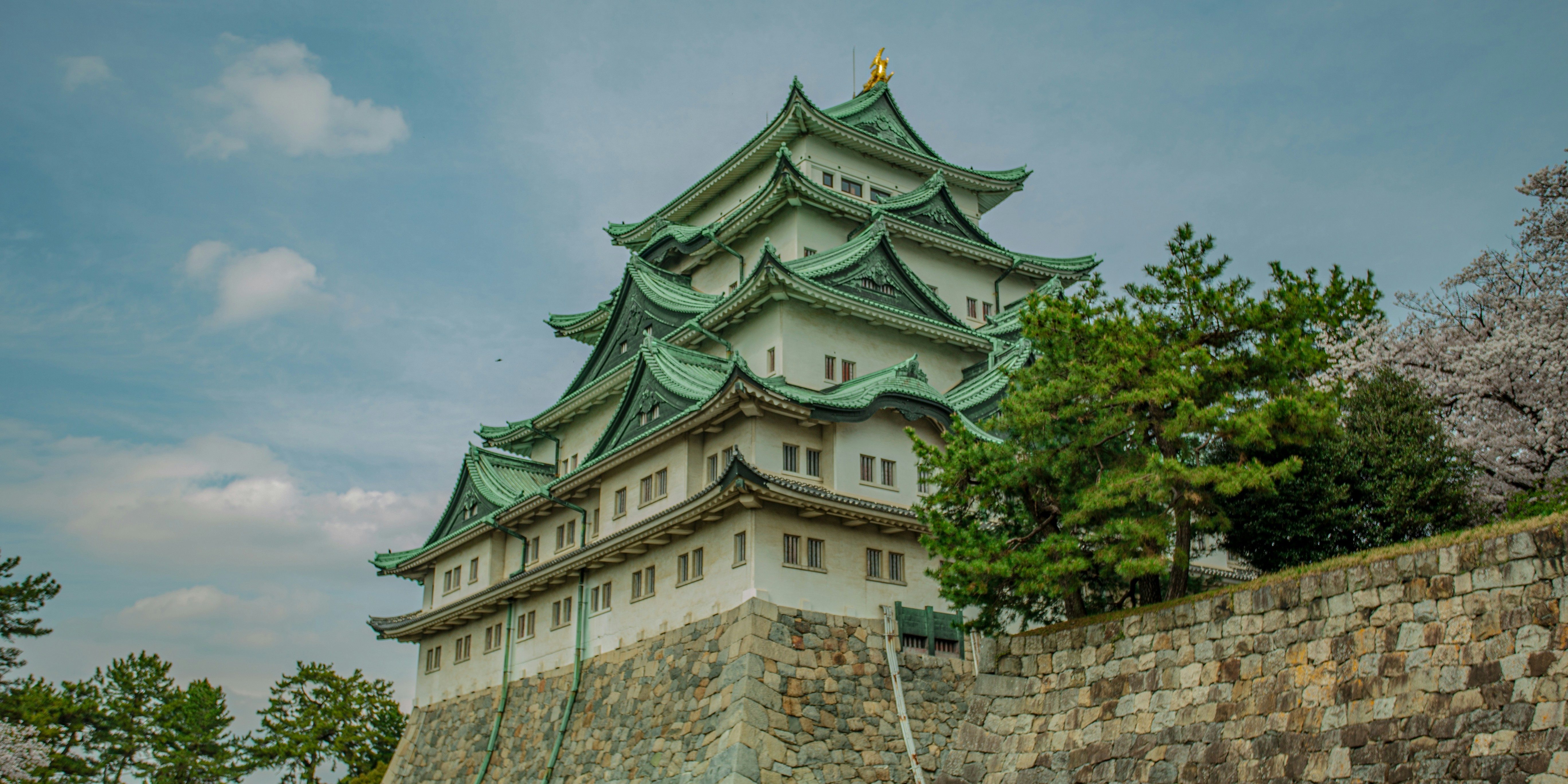
Nagoya Castle

Atsuta Jingu

Tokugawa Art Museum
Frequently Asked Questions
Planning Your Nagoya Trip?
See the full Nagoya destination guide or browse Japan itineraries that include this city.
See all Nature & Scenic Spots across Japan →